
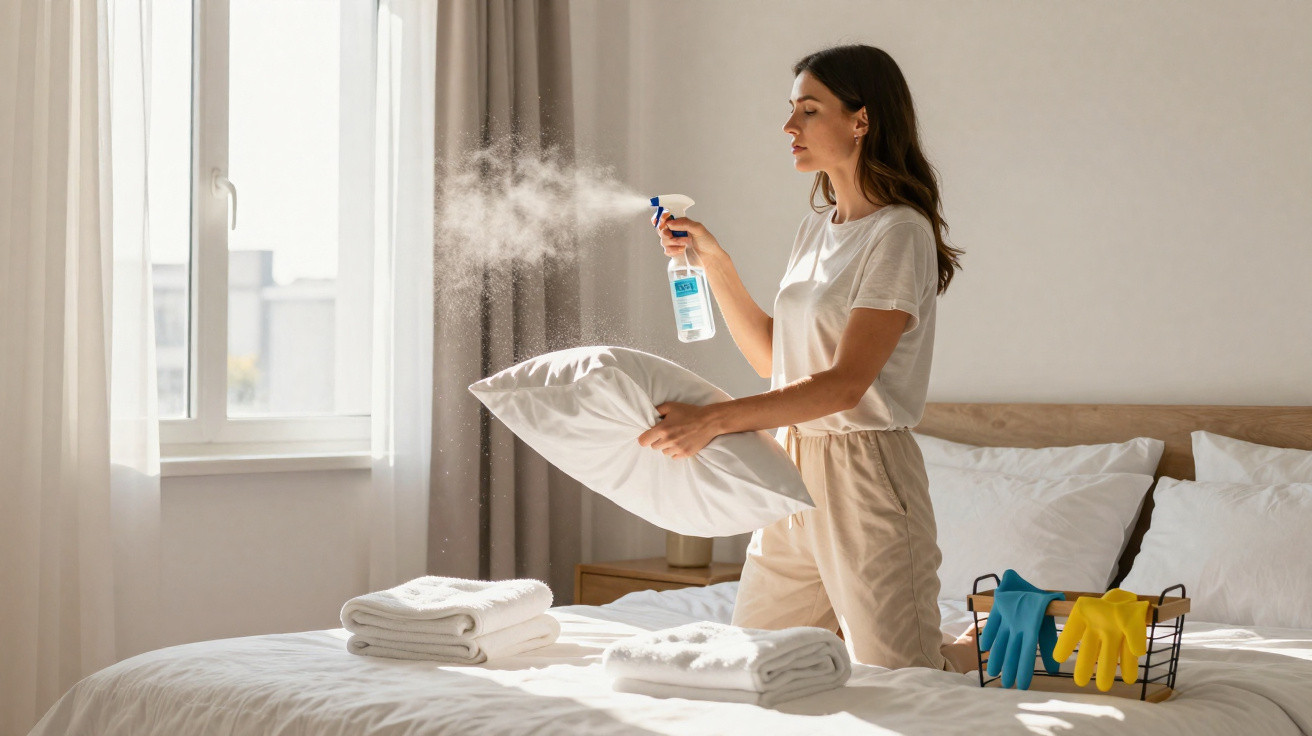
Moisture building up in stored fabrics can undermine comfort at home. Properly sanitising cushions is a straightforward way to remove unpleasant smells. Using suitable cleaning solutions brings back the freshness of the upholstery without harming the item’s more delicate fibres.
How do you know when it’s time to clean the cushions?
Items kept in closed cupboards can easily draw in water from the surrounding air. If the fabric starts to smell bad or shows light surface marks, moisture is usually the reason-and it calls for quick action. Dealing with it promptly helps prevent lasting damage to household upholstery.
A strong odour is often a sign that fungi are beginning to develop on the coverings. As mould spreads, it can reduce the lifespan of the internal foam and affect the air. Regular upkeep helps the fabric stay intact for longer.
A simple recipe to leave upholstery smelling fresh
Mixing certain household ingredients in a spray bottle can create a distinctive scent for fabrics, but the secret to making it last… Read more.
Why is liquid alcohol effective for cleaning?
When applied carefully, fast-evaporating products help remove microorganisms that are harmful to textile surfaces. Using 70% liquid alcohol disinfects the outer layer without soaking the inner structure. This supports quicker drying, which reduces the chance of deeper odours returning.
Using the right tools also helps neutralise spores in upholstered items more effectively. A spray bottle makes it easier to distribute the solution evenly across the piece. That approach prevents excess moisture from collecting in the cushion’s internal filling.
Below is a video from the TV Aparecida YouTube channel detailing safer, best-practice techniques for sanitising upholstery and fabrics:
What do you need for sanitising?
Pairing simple ingredients can improve dirt removal while keeping surfaces protected. Adding bicarbonate of soda to the mix helps absorb built-up odours. A supporting addition of spirit vinegar can help soften the fibre during the process.
Your choice of cleaning cloth has a direct effect on the final finish of the upholstery. A soft microfibre cloth reduces the risk of pulling or fraying the fabric while you work. It’s essential to do a preliminary test on a hidden area to check how well the material holds up.
Essential Cleaning Kit
Recommended materials
Have the key items ready before applying the mixture:
- 1 70% liquid alcohol diluted in clean water;
- 2 A spray bottle for even distribution of the mist;
- 3 A soft microfibre cloth to remove any excess.
How do you apply the method without damaging the fabric?
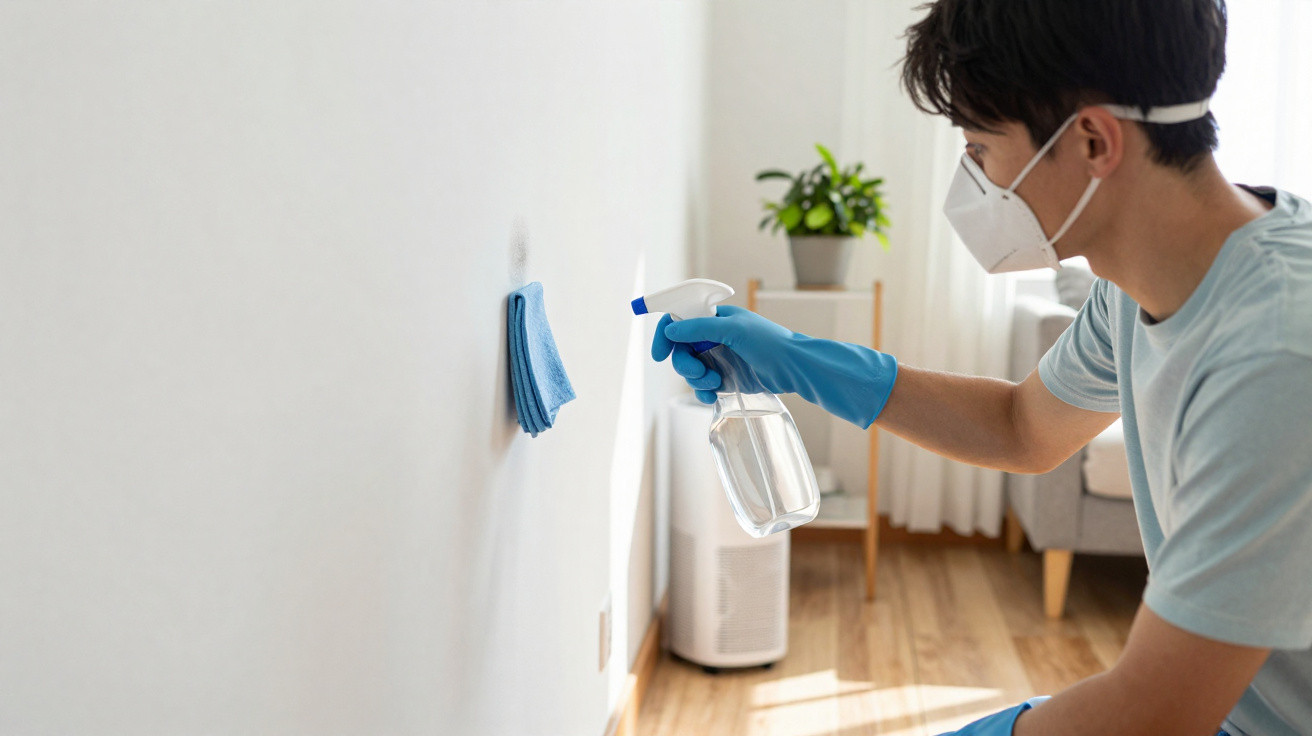
You need to apply the mixture carefully to avoid saturating the inner structure. A light spray from a sensible distance helps spread the liquid evenly. Keeping the moisture on the surface ensures the fabric dries quickly and doesn’t retain residue.
Any excess damp should be lifted soon after spraying. Wipe using gentle, steady movements to take away surplus liquid. This improves absorption of surface dirt without roughening the textile weave.
Follow these simple steps to apply the product correctly:
- Spray the solution from 30 centimetres away from the fabric;
- Gently press the microfibre cloth onto the surface;
- Let the item dry completely before using it again.
Why is ventilation essential for drying?
Where you dry the item can make or break the upholstery sanitising process. Continuous ventilation stops traces of moisture from lingering in the foam. Keeping the space with good air circulation speeds up full evaporation of the applied mixture.
Strong, direct sun can fade the original colour of many fabrics. Drying pieces in the shade in an airy spot helps preserve colours and fibres. This final care step supports ongoing maintenance and the item’s durability.
Comments
No comments yet. Be the first to comment!
Leave a Comment