

Keeping your bedding looking spotless can feel like a daily household battle. The constant build-up of sweat and body oils often leaves fabric looking yellowed and prematurely aged. Fortunately, using bicarbonate of soda is an affordable way to cleanse cotton sheets thoroughly.
How do you remove yellowish stains from sheets?
Dark or yellow stains appear naturally when skin oils work their way deep into the fibres while you sleep. This not only spoils the look of the fabric but can also lead to unpleasant smells. Dealing with it properly calls for a correct, consistent cleaning strategy.
Before you toss items into the laundry basket, check them carefully to spot stubborn marks that need attention first. Doing a targeted pre-wash on persistent areas helps the wash lift all the dirt without wearing down the textile weave.
What’s the at-home secret to getting rid of yellow stains on clothes for good?
Mixing two very common kitchen ingredients triggers a powerful chemical reaction that can lift deep grime without damaging… Read more
What’s the secret to boosting a washing machine cycle?
Loading the drum properly stops the motor from being overworked during the programme. Spreading the bedding out evenly balances the weight and helps the cleaning solution reach every centimetre of grimy fabric.
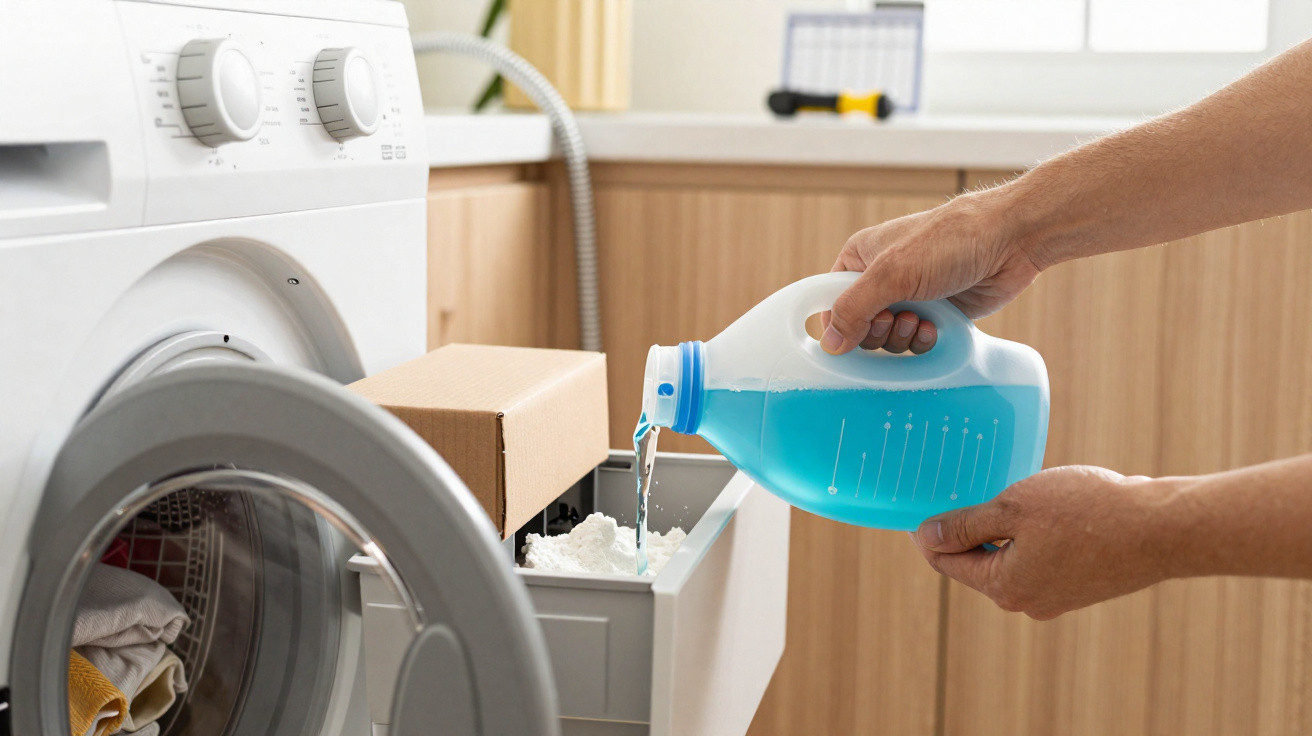
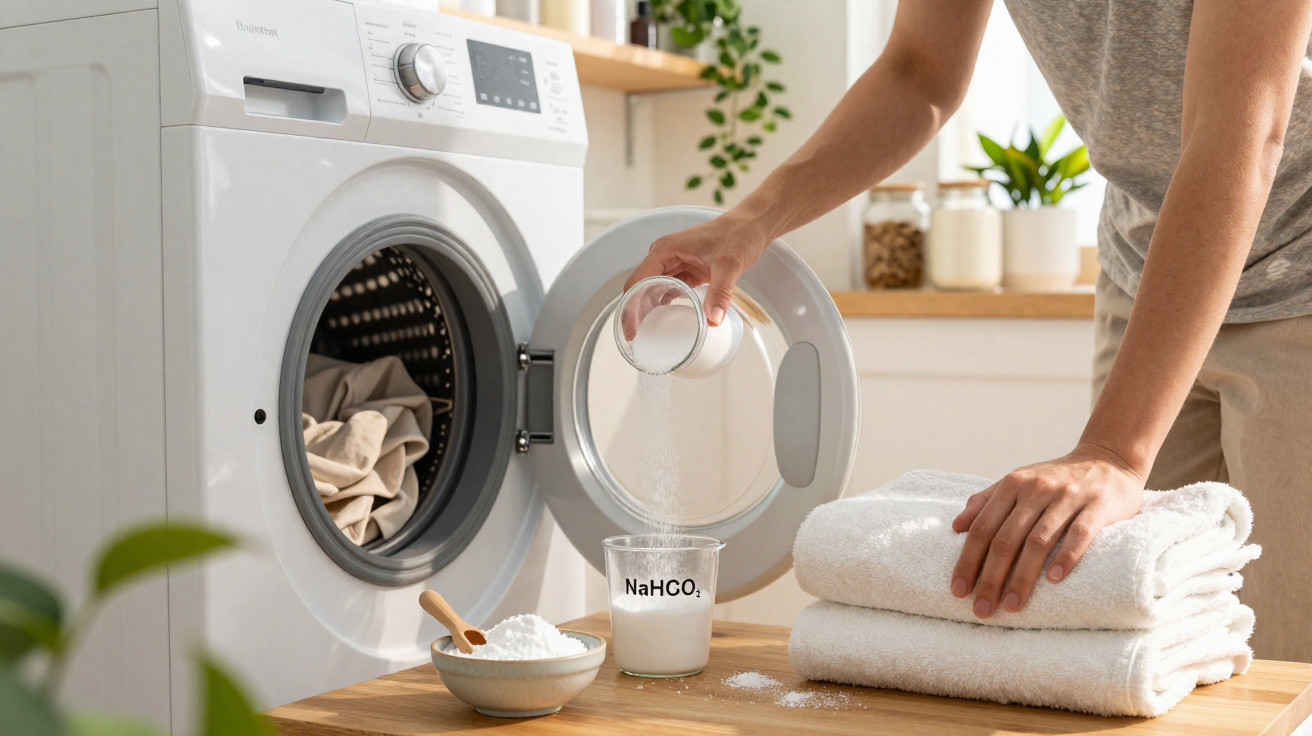
Adding a generous measure of alkaline powder alongside your usual detergent strengthens the removal of embedded greasy residue. This straightforward pairing improves the cycle’s effectiveness without any need to scrub by hand, bringing convenience and excellent savings to your household routine.
Below, watch the step-by-step video published on the YouTube channel A DICA DO DIA COM FLÁVIA FERRARI, which demonstrates this method in full:
How do you protect fabric fibres during cleaning?
Natural cotton gradually loses its original whiteness over time through everyday wear. Using a small amount of household alcohol in the wash helps preserve the light tone of the fibres, preventing the fabric from losing its freshly renewed appearance.
Steering clear of excessive harsh chemicals also protects the bedding’s structure against early tearing. Following the right dosage guidance keeps the natural softness and helps the items last longer, while maintaining exceptional comfort for peaceful nights.
Essential ingredient kit
Products for whitening
Use these three basic items to restore your light-coloured pieces:
- Bicarbonate of soda to enhance the removal of grease and stains;
- Ordinary household liquid alcohol to help lock in the original whiteness of cotton fibres;
- White distilled vinegar to soften fabric in place of commercial fabric conditioner.
What care helps when air-drying outdoors?
The final stage needs extra attention when you hang items on the washing line. Giving damp fabric a firm shake helps the fibres settle, speeding up natural drying and leaving a far more straightened finish with fewer harsh wrinkles.
By pegging the fabric out nice and taut, you reduce the need for a hot iron afterwards. This saves time and protects cotton’s original structure, keeping your bedding ready for a pleasant, genuinely cosy rest.
Below are the main benefits you can expect from using this natural method in your day-to-day care:
- Complete removal of unpleasant odours from storage or body sweat;
- Longer-lasting preservation of the integrity of pale cotton fibres;
- Significant cost savings compared with traditional shop-bought fabric conditioners.
Why is vinegar a better substitute for fabric conditioner?
This acidic product works by clearing away built-up detergent residue that makes the weave feel stiff. Unlike commercial fabric conditioners, it deep-cleans fibres without leaving artificial smells, ensuring the fabric keeps a soft feel and an impressive, natural smoothness.
On top of that, it’s an eco-friendly choice that costs very little and helps protect the washing machine motor from harmful deposits. Choosing homemade solutions can transform your cleaning routine, supporting a fresh-smelling, sustainable environment that is completely safe for your family’s health.


Comments
No comments yet. Be the first to comment!
Leave a Comment