
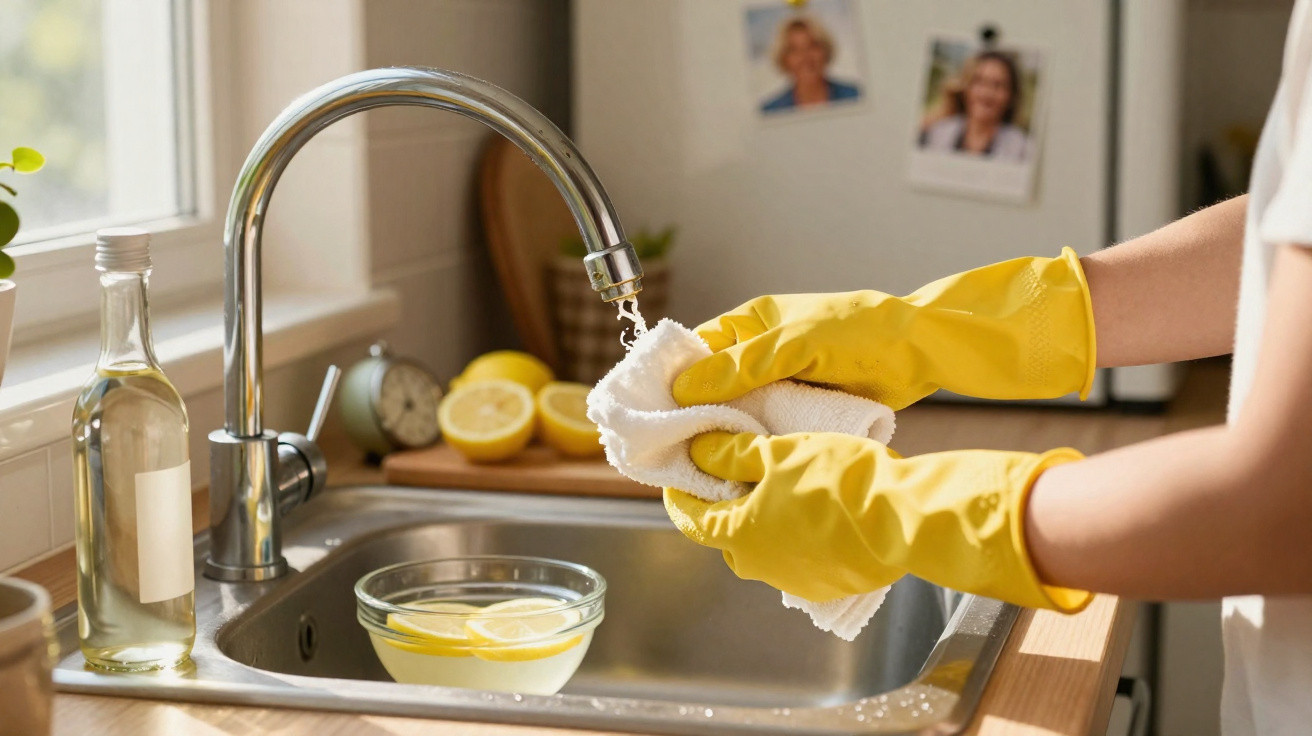
There’s a surprisingly simple way out.
In countless kitchens it looks the same: a shiny tap above, a white ring of limescale below. Harsh cleaners have a sharp smell, irritate hands and can damage surfaces - yet they often deliver less than they promise. A time-tested blend from Grandma’s day shows it can be far easier: using household staples, with no heavy scrubbing and no chemical sledgehammer.
Why limescale clings so stubbornly to the sink and tap
The cause is in the water itself. In areas with hard water, there are lots of dissolved minerals - mainly calcium and magnesium. Every time water runs over metal or ceramic, a tiny amount is left behind.
Once the water evaporates, those minerals remain on the surface. They crystallise, bond to the material and create the familiar white, chalky layer. These spots tend to be worst affected:
- Edges around the tap
- Joins between the sink and the worktop
- Drains and overflows
- Areas where water likes to pool
With every wash-up and every pan held under the tap, the limescale layer becomes a little thicker. Warm water makes it worse, because temperature changes speed up crystal formation. That’s why many kitchen sinks end up looking worse than the bathroom basin.
A lot of people then automatically reach for strongly acidic specialist cleaners. These often contain aggressive ingredients that can irritate eyes and airways, make gloves a must, and may attack finishes. Polished taps, copper, brass or brushed stainless steel can gradually lose their shine.
"If you want to look after your taps, rely on mild acids from the kitchen cupboard instead of chemical sledgehammers."
Grandma’s mixture: vinegar and lemon as a limescale killer
The older-generation “secret weapon” is made from three straightforward ingredients: water, white vinegar and fresh lemon juice. It doesn’t just feel effective - there’s simple chemistry behind it.
Vinegar contains acetic acid; lemons contain citric acid. Both acids react with the alkaline mineral compounds in limescale. They break down the bonds that help scale cling to metal, ceramic or silicone. Used together, they can work more powerfully than either acid on its own.
How to mix it properly
- Pour 250 ml of white vinegar into a container.
- Add 250 ml of water.
- Squeeze in the juice of one medium, fresh lemon.
- Stir briefly until everything is well combined.
- Warm the liquid in the microwave for about 30 seconds.
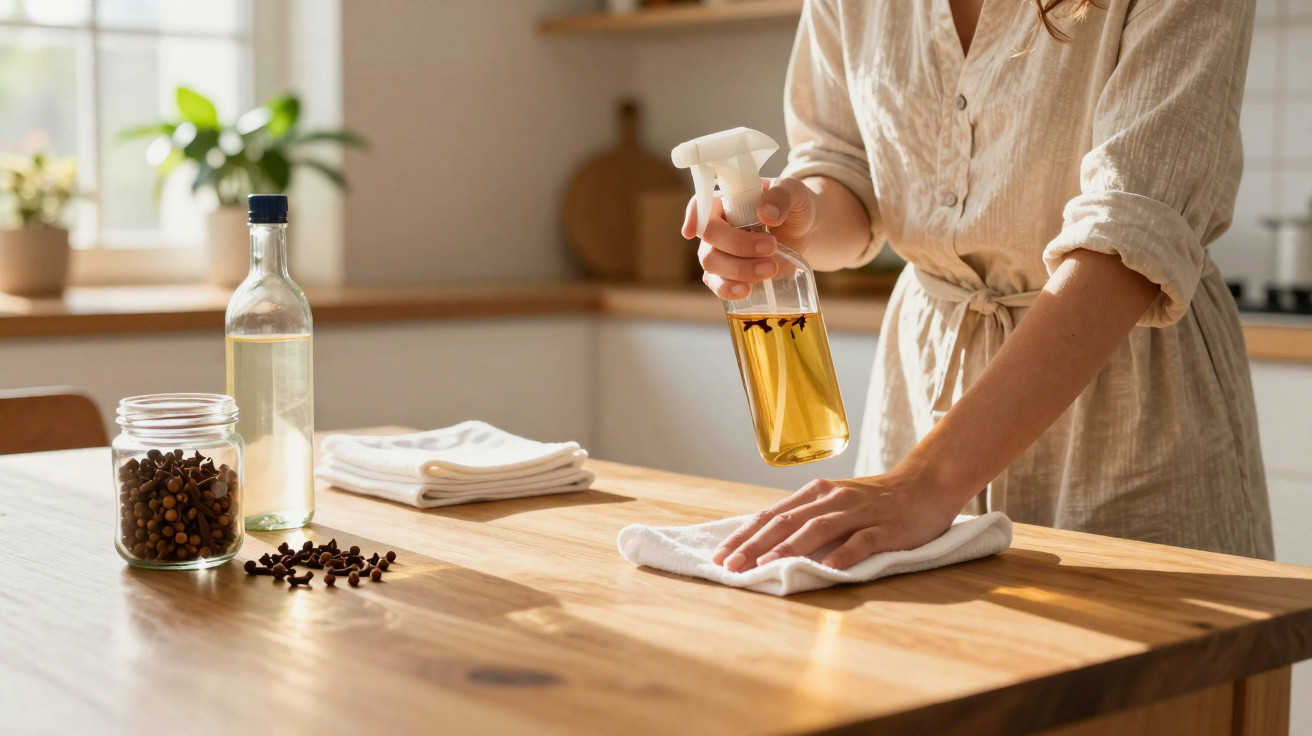
- Decant into a spray bottle.
Warming it may sound like a minor detail, but in practice it makes a real difference. When the solution is warmer, the acid molecules move faster and penetrate the limescale layer more easily. The result is quicker, more thorough loosening of the deposit.
"The mixture should be warm, not hot. Hand-warm is enough to noticeably boost the effect."
Step by step: making limescale disappear without scrubbing
Before you reach for the spray bottle, it helps to quickly clear the sink area. Wipe away crumbs, grease or dried-on sauce with a damp cloth first. The acid needs to meet the limescale directly - not last night’s pasta.
Using it on the tap and sink
- Give surfaces a quick clean and remove any loose dirt.
- Spray the warm vinegar–lemon mixture generously onto limescale patches.
- Don’t forget cracks, joints and the join to the worktop.
- Leave it to work for at least 20 minutes; don’t keep wiping it around.
- Then wipe with a damp microfibre cloth.
During the waiting time the real work happens: the acids gradually dismantle the crystal structure of the limescale layer. Often, one wipe afterwards is enough to lift the residue away. For awkward spots - such as right at the tap base or under the spout - a soft old toothbrush is ideal. It gets into every groove without scratching.
Afterwards, rinse everything thoroughly with clean water. This matters because you don’t want acid residue sitting on the surface long term. Shiny chrome taps or polished stainless steel, in particular, can develop fine marks over time if they are constantly exposed to acids.
Finally, dry everything. That brief moment with a clean cloth often determines whether new marks appear within an hour. If water is left on the surface, the cycle starts again.
How to keep your sink clean in the long term
If you only tackle limescale every few months, you end up battling thick crusts. It’s much easier if you don’t let it build up in the first place. A quick spray-and-wipe once a week is usually enough to keep it under control.
- Once a week: spray the sink and tap, leave briefly, then wipe.
- After any bigger wash-up: quickly dry the tap and bowl.
- Avoid standing water: don’t leave wet cloths hanging on the tap for hours.
This way you work preventatively rather than in crisis mode. It takes less effort and time, and the kitchen looks consistently well cared for.
When limescale is a problem everywhere in the house
If it’s not just the sink - but also the shower head, coffee machine and tiles - you’re probably dealing with very hard mains water. In that case, it can be worth considering technical options such as water filters or softening systems. They reduce the mineral content in the water and therefore put less strain on pipework, appliances and taps.
Even with technology, some upkeep remains: filtered water can still leave traces over time. The vinegar–lemon mixture also works well for:
- Shower fittings and the shower screen
- Tap aerators (unscrew and soak)
- Limescale rings in a kettle (use caution and rinse very thoroughly)
When you need to be careful
Acids may be mild, but they’re not harmless. Some materials are sensitive, including natural stone such as marble or certain limestone worktops. Acid can cause stains and dull patches there.
- When in doubt, test in an inconspicuous spot first.
- Never use vinegar or lemon across large areas of natural stone.
- Don’t leave the mixture anywhere for longer than 20–30 minutes.
If you have very sensitive skin, use thin household gloves while cleaning. The acid level is far gentler than many industrial products, but frequent use can still dry out your hands.
Why old household recipes are trending again
One of the biggest benefits of this mixture is how simple it is. All the ingredients are inexpensive and available in any supermarket - and many people already have them at home. The bottle is easy to top up, there’s no need for specialist products, and there aren’t pages of warning labels.
"Three ingredients, a few minutes - and limescale loses its bite."
There’s another factor too: cleaning with water, vinegar and lemon produces very little problematic waste. No harsh residues going down the drain into the environment, and no brightly printed specialist bottles to throw away. For many households, that now genuinely matters.
At the same time, this gentler mix is kinder to seals, chrome coatings and silicone joints than many strong cleaners. What looks dull at first is rarely permanent damage - it’s often just limescale. When that’s removed regularly, even older taps can look noticeably fresher again.
Once you’ve seen a thick limescale ring loosen almost on its own after 20 minutes, you reach for the chemical sledgehammer far less often. Grandma’s recipe is plain, easy to understand and dependable - and it suits modern kitchens perfectly, where nobody wants to waste time on unnecessary cleaning.

Comments
No comments yet. Be the first to comment!
Leave a Comment