
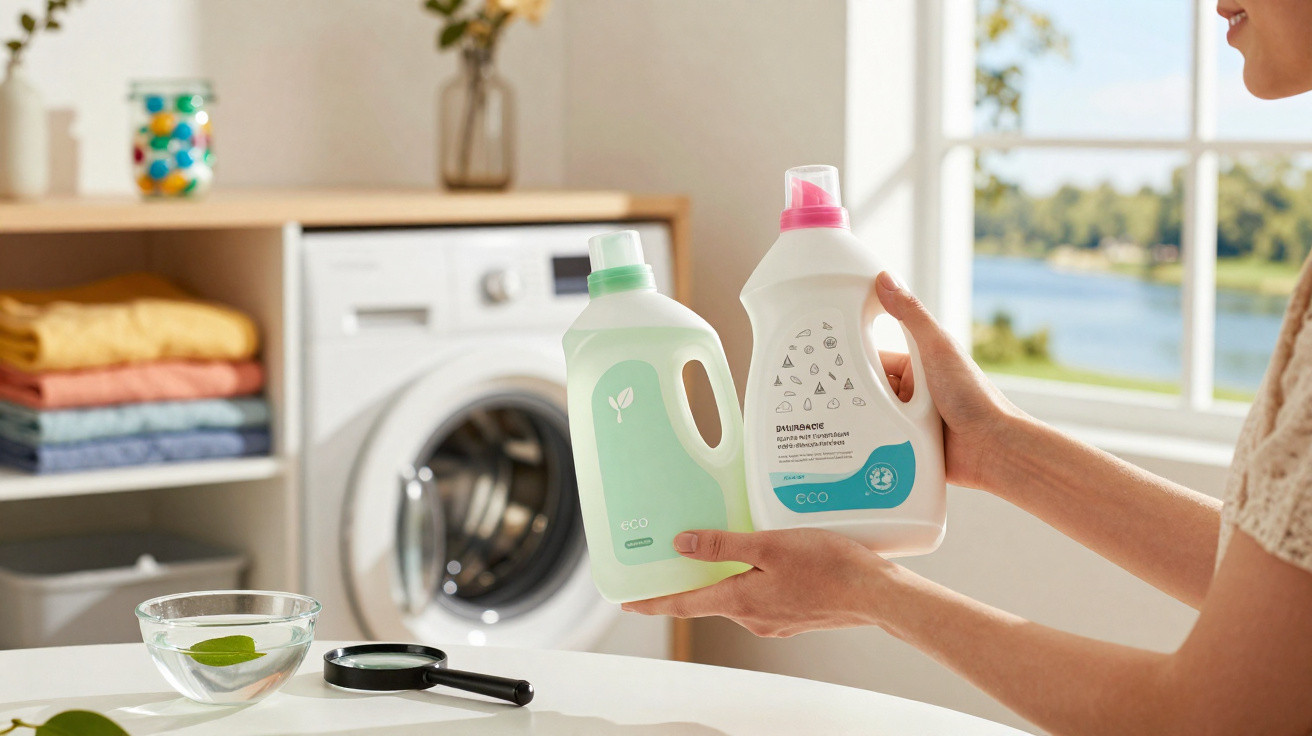
Many households have relied on them for years without a second thought: well-known branded washing detergents from supermarkets and chemists. A recent test by the French consumer magazine "60 Millions de consommateurs" now suggests that four products are far more concerning than their polished image implies - with potential consequences for health, allergy sufferers and the environment.
Washing detergents under review: familiar brands as a cause for concern
At the start of 2023, the magazine examined around 30 detergent products. The assessment did not focus solely on cleaning performance and price; the main attention was on ingredients, allergy risk and the impact on rivers and other waters.
While several products performed respectably, four well-known liquid detergents ended up at the bottom of the table and received the poorest overall rating - a clear warning sign from consumer advocates.
"These four detergents received the worst grade in the test because they contain irritating, allergenic and poorly biodegradable substances."
Among the ingredients flagged as particularly negative were:
- Thiazolinones – preservative agents strongly associated with allergies, notorious for contact allergies
- Sodium Laureth Sulfate (SLES) – a harsh surfactant that can dry out and irritate the skin
- other fragrance and auxiliary substances that biodegrade poorly
The takeaway from the test is straightforward: detergents that are heavily perfumed, marketed with claims such as "intense fragrance" or "essential essences", and that also come with a long list of chemical additives, often place a greater burden on both skin and the environment.
The specific risks identified by the testers
In the view of the consumer testers, using these problematic detergents week after week increases exposure to avoidable risks.
Allergies, skin irritation and breathing issues
The criticised substances can contribute to several complaints at once:
- Contact allergies: redness, itching and eczema in areas where clothing fits closely
- Irritation of sensitive skin: for example in children, people with eczema, or anyone with an already weakened skin barrier
- Possible breathing discomfort: strongly fragranced detergents release volatile substances that can trigger coughing or a tight-chested feeling in sensitive individuals
A key issue is that detergent residues can remain in fabrics. Even with thorough rinsing, chemicals may sit against the skin for days. Anyone wearing T-shirts, bedding or underwear for hours at a time is in ongoing contact with these substances.
Pollution of rivers and lakes
The testers also stress that the issue does not stop at the washing machine. Via wastewater, these substances enter treatment plants and can then make their way into rivers, lakes and coastal waters.
"Poorly biodegradable surfactants and preservatives can accumulate in the environment and affect water quality and aquatic organisms."
Substances that do not biodegrade well can persist for a long time. They may harm aquatic plants, interfere with fish respiration, or disrupt small organisms that keep ecosystems balanced. When you multiply this by the combined output of many households, the overall effect becomes significantly worse - every wash cycle matters.
Which detergents performed better in the test
The test also makes it clear that alternatives exist that are noticeably more tolerable - for people and for the environment.
Why detergent pods often come out on top
One notable finding: the testers reported that many detergents sold in dosing capsules (pods) perform better than comparable liquid products. One reason is more accurate dosing, which makes overdosing less common. That, in turn, reduces the total amount of chemicals entering wastewater.
As an example of a positive result, the magazine highlighted a branded product from French retailers with a score of 15 out of 20 points. It combines good washing performance with a comparatively moderate formula and a lower environmental burden.
Also rated well: an eco detergent with an organic focus, which achieved 14 out of 20 points. Here, manufacturers place visibly greater emphasis on more compatible surfactants, less problematic preservatives and restrained fragrance.
| Product type | Typical rating in the test | Notable feature |
|---|---|---|
| Dosing capsules (pods) | often better | more precise dosing, less overuse |
| Classic liquid detergents | varies widely | often more fragrances and preservatives |
| Eco/organic detergents | often solid | milder surfactants, focus on environmental compatibility |
How consumers can make better choices day to day
If you do not want to overhaul your entire laundry cupboard overnight, a few simple steps can still make a meaningful difference.
Reading labels properly: what to look out for
The back label often tells you far more than any advertising slogan. Warning signs include:
- long lists of preservatives and fragrances
- references to "heavy perfuming" or an "intense fragrance"
- harsh surfactants such as Sodium Laureth Sulfate appearing near the top of the ingredient list
More helpful, by contrast, are claims such as "no colourants", "no optical brighteners", or products designed specifically for allergy sufferers - for instance "sensitive" versions with reduced fragrance.
Reducing wash frequency and adjusting the dose
Your own laundry habits also make a big difference. Washing everything after a single wear uses detergent unnecessarily. Often it is enough to air items thoroughly or pre-treat stains more precisely.
"The dosage recommended by manufacturers is often rather high - slightly underdosing still works well in many households."
If you have soft water or your laundry is only lightly soiled, you can usually reduce the amount without difficulty. That saves money and lowers the chemical load in wastewater at the same time.
Homemade detergent as an alternative
For anyone who wants to take the next step, making your own detergent is another option. The consumer magazine points to straightforward recipes that require only a handful of ingredients.
Popular mixes include:
- basic soap (traditional household soap or plant-oil-based soap)
- sodium bicarbonate (often known in everyday terms as a component of baking powder)
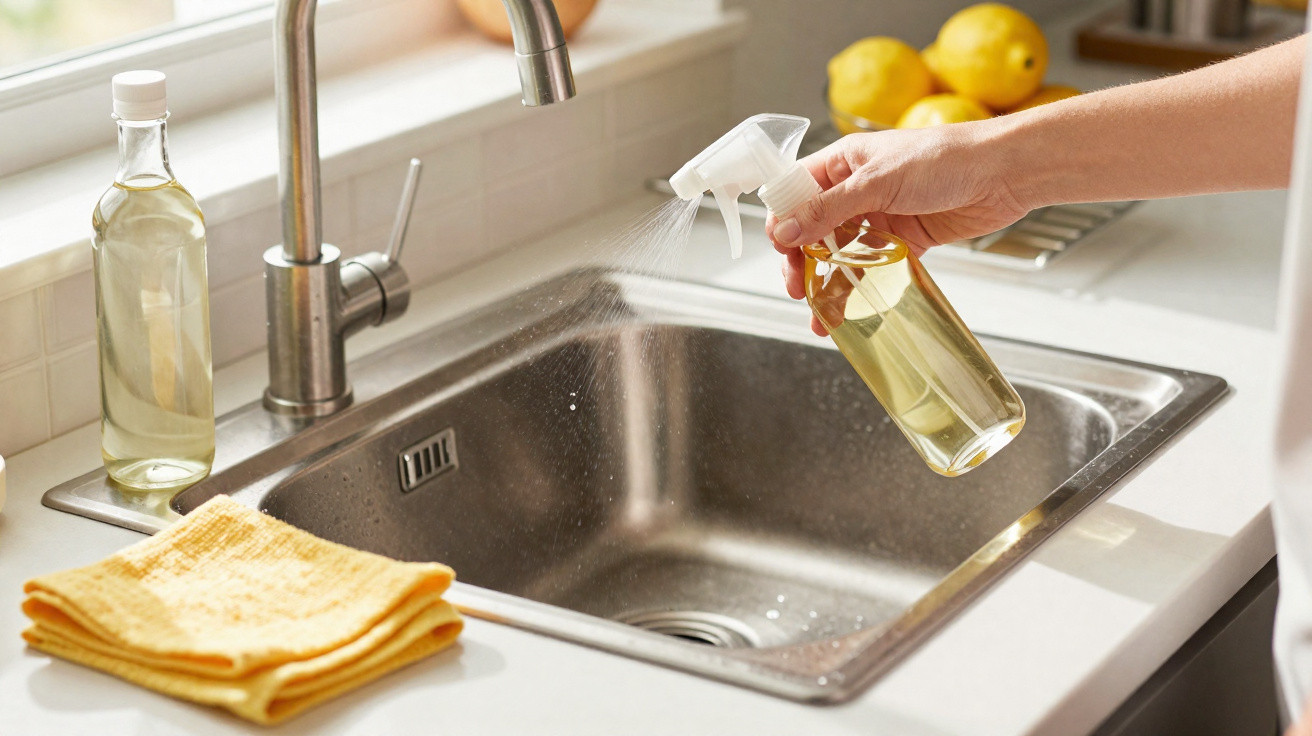
- optionally a little vinegar as a substitute for fabric conditioner
The benefit is control: if you mix it yourself, you avoid unnecessary fragrances, dyes and harsh preservatives ending up in the bucket. Homemade detergents are often cheaper and can be tailored to personal needs - for example, completely fragrance-free options for allergy sufferers.
Why preservatives and surfactants are so tricky
Many consumers wonder what lies behind terms such as thiazolinones or Sodium Laureth Sulfate. Preservatives are intended to keep the product stable, preventing germs from forming in a warm, wet environment. However, some of the substances used are highly reactive and can trigger allergies in sensitive people.
Surfactants, meanwhile, are the real workhorses in detergent. They lift grease and dirt out of fibres. Strong surfactants can clean very effectively, but they can also strip the skin’s natural protective layer more quickly. Anyone already prone to dry or cracked skin is likely to notice the impact sooner.
Long-term trends: less chemistry in the laundry cupboard
Consumer tests like this put pressure on manufacturers. Many companies gradually revise their formulas, reduce harsh preservatives and launch "sensitive" ranges. In parallel, the market for ecological detergents is growing, along with solid detergent bars that avoid plastic bottles and refill concepts.
For consumers in German-speaking countries, it is therefore worth paying close attention in the detergent aisle. Choosing skin-friendly products with as little added chemistry as possible not only helps protect you and your family, but also reduces the burden on rivers and lakes - without major effort, simply through more conscious choices when shopping and washing.


Comments
No comments yet. Be the first to comment!
Leave a Comment