
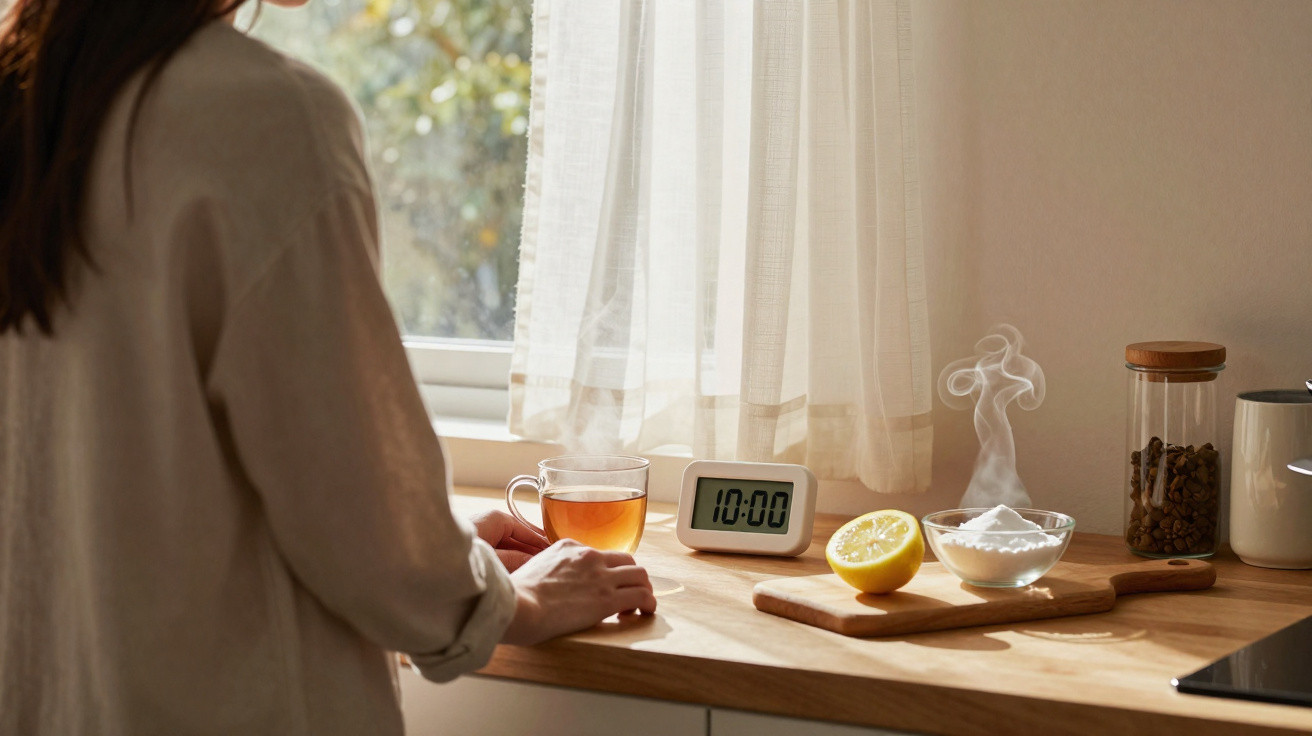
Your home’s scent can brighten your mood, soothe frayed nerves, and quietly communicate who lives there. The feel of the space is shaped by what you do every day.
Interior design may get all the attention, but it’s your nose that makes the final call. Cleaning professionals note that the way a home smells influences comfort, concentration and even sleep quality. The good news is you don’t need heavily fragranced candles or powerful sprays to put things right.
The memory link that lives in the air
Smell has a direct line to the limbic system - the brain’s emotional control centre. That’s why a burst of citrus can feel invigorating, while a trace of lavender cues the body to slow down. Over time, the aroma of a home becomes a kind of calling card. It can imply care and calm - or, when things slip, stale air and a lack of attention.
"Small, consistent choices create a signature scent that feels clean without smelling “perfumed.”"
The simple trick a pro swears by
Marcela Barraza, founder of MB Green Cleaning and the creator of the Clean Casa method, says the starting point is surprisingly simple - and it begins first thing. Open the windows for ten minutes, every morning without fail.
"Open the windows for at least 10 minutes each morning. Fresh air pushes out stale moisture, cooking fumes, and lingering fabric odors."
Early air is often cooler and fresher, particularly before traffic builds. A quick daily airing helps lower indoor carbon dioxide, eases humidity, and clears the “yesterday” smell that can cling to soft furnishings. Many people find they’re more focused by midday and experience fewer sluggish, sleepy afternoons. Breathing at night can feel easier, too.
Make ventilation work in real life
- Create a cross-breeze: open windows on opposite sides of the home, or match a window with the front door (use a chain or doorstop for safety).
- Put a timer on for 10 minutes. Brief and consistent beats long and occasional.
- Switch on kitchen and bathroom extractor fans to remove damp or greasy air more quickly.
- Avoid airing the home during pollution peaks or high-pollen periods; choose early hours or (when you can) just after rainfall.
- In flats, crack open the highest and lowest windows slightly to encourage air to move up and out.
| Room | Common odour sources | What to air or move | Quick fix |
|---|---|---|---|
| Kitchen | Frying oils, bins, wet cloths | Cooker hood, window near hob | Fan on 10 min after cooking; empty bin nightly |
| Bathroom | Steam, towels, drains | Extractor fan + small window | Fan on during shower; crack window, dry towels fully |
| Bedroom | Stale bedding, low airflow | Opposite windows (if possible) | Morning airing; wash sheets weekly |
| Living room | Upholstery, pets | Two windows for cross-breeze | Vacuum fabrics; sun-cure cushions when possible |
Where hidden odors actually come from
A space can look immaculate and still smell a bit flat. Most lingering odours come from moisture and bacteria. Frequent offenders include rubbish bins, cleaning cloths, sponges and any towels left damp.
"Odor loves damp, dark, and used-every-day items. Keep them dry, cleaned, and replaced on schedule."
For bins, try a straightforward disinfecting wash: warm water, a splash of rubbing alcohol (isopropyl alcohol), and a few drops of liquid soap. Scrub it, rinse well, dry it completely, then place two or three drops of lemon, eucalyptus or lavender oil in the bottom. The aim is to neutralise smells rather than cover them up.
Textiles hold on to smells
- Wash towels, bath mats and bed linen weekly. Dry thoroughly - sunlight helps, and UV light acts as a natural deodoriser.
- Replace kitchen sponges regularly; swap microfibre cloths daily and wash them on a hot cycle.
- If musty smells persist, add about 120 ml of white vinegar to the rinse cycle to break down residue that causes odours.
- Vacuum sofas and rugs with a HEPA-filter vacuum; dust trapped in fabric holds onto odour molecules.
Natural ways to keep rooms fresh
Rather than masking smells, focus on neutralising them. A small bowl of bicarbonate of soda in each room can quietly absorb sour notes, especially near bins or shoe storage. For heavier odour problems, activated charcoal is even more effective and typically needs replacing every few weeks.
If you’d like a light fragrance, make a simple mist: water, a small amount of alcohol (such as vodka or rubbing alcohol), and a few drops of citrus, peppermint or lavender oil. Shake well, then lightly mist curtains or cushions.
"Neutralize first, scent second. Fresh air plus clean fabrics beat any perfume."
- Simmer pot: gently heat a saucepan of water with leftover orange peel, a cinnamon stick and a clove for 20 minutes.
- Fridge fix: keep a jar of bicarbonate of soda or dry coffee grounds to quickly calm food smells.
- Grease control: clean the splashback and cooker-hood filters weekly; oily films trap odours.
- Plants: they won’t “eat” smells, but they can help steady humidity, which can reduce mustiness.
Candles and diffusers: light touch only
Scented candles and reed diffusers can add atmosphere, but they shouldn’t be doing the work of cleaning. Paraffin candles may release soot and irritants, particularly in smaller spaces. If you use them, opt for beeswax or soy, keep wicks trimmed to 5 mm, burn for short periods, and ventilate the room afterwards.
Essential oils can seem gentle, but they’re highly concentrated. Keep them well diluted and out of reach of pets and babies. Peppermint and tea tree oils may irritate cats and dogs, so if you’re unsure, avoid diffusing in rooms where pets spend lots of time.
A daily ritual that pays off
Keep it simple and repeatable. Air the home for ten minutes. Do a quick bin check. Move damp items somewhere they can dry fast. That steady routine keeps the underlying note of your home crisp and clean.
- Morning: open windows for 10 minutes; make the bed and pull back the duvet so it can air.
- After cooking: run the hood, wipe the splashback, and clear food scraps.
- Evening: hang towels with space around them; change the kitchen cloth; take the rubbish out if it’s damp or smells.
- Weekly: wash bed linen and towels; wipe the bin with the alcohol-and-soap mix; refresh bicarbonate-of-soda bowls.
Fast fixes before company
- Create a cross-breeze for 7–10 minutes.
- Lightly mist curtains with the alcohol-water-EO spray.
- Put the rubbish out of sight and run the bathroom fan for five minutes.
- Simmer lemon peel with a sprig of rosemary for a clean, fresh lift.
Extra tips for special cases
High humidity is a fast track to unpleasant smells. If rooms regularly sit above 60% humidity, use a dehumidifier and empty the tank every day. Bathrooms can benefit from an automatic fan timer set to run for 20 minutes after showers. In open-plan homes, an air purifier with activated carbon can help capture cooking odours - just replace the carbon filter on schedule. If you cook with strong spices, keep a small bowl of bicarbonate of soda near the hob and change it weekly.
In homes with pets, brush animals and wash their bedding often, vacuum with a HEPA filter, and place an odour absorber near litter areas. Avoid strong mint or tea tree oils around animals. If soft furnishings start to smell tired, put cushions in sunlight for an hour; turn them to prevent fading and bring them back indoors promptly.
"The goal isn’t a perfumed home. It’s clean-smelling air, quiet and constant, built from ventilation and simple care."
If you want a signature scent, add it only after the air is genuinely clean: choose one or two notes suited to each room - citrus for busy areas, lavender for bedrooms, perhaps cedar for entryways. Keep it understated. When you walk in, freshness should register first, with fragrance as a subtle second layer.



Comments
No comments yet. Be the first to comment!
Leave a Comment