
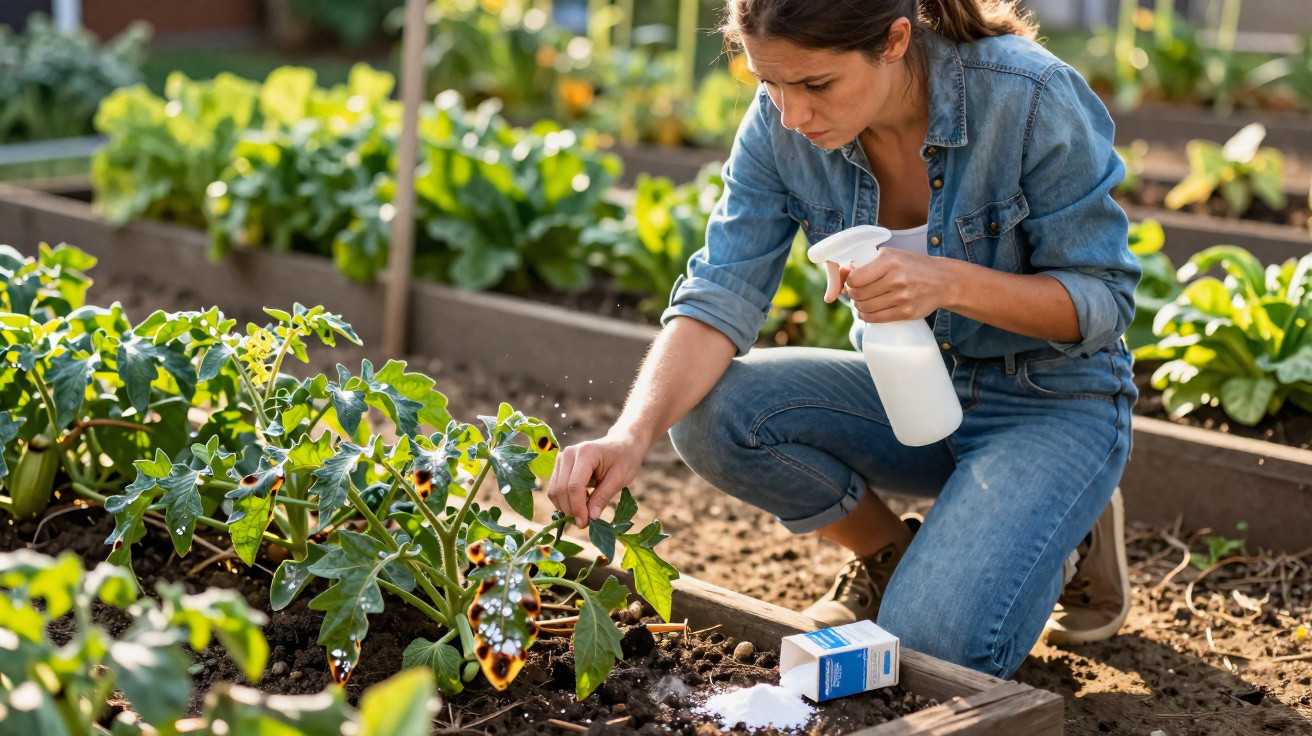
More and more amateur gardeners are reaching for household remedies instead of conventional chemicals. Across social media, countless clips promote a simple white powder blend as the answer to fungal diseases, weeds and pests. What begins as an “eco-friendly” hack can quickly end with scorched foliage, weakened plants and soil that hardly releases water to roots.
How the “harmless” powder became a garden craze
The product at the centre of this trend is something many people already keep in a kitchen cupboard: bicarbonate of soda (often sold as baking soda). At home it has a reputation as a jack-of-all-trades - for cleaning, neutralising odours and baking - and that reassuring image has carried it into the garden.
In guides and forum threads, the powder is repeatedly described as:
- “natural” and therefore safe
- biodegradable
- cheap and easy to find
- effective against fungi, “weeds” and pests
Anyone already wary of synthetic fungicides can be won over quickly. On top of that, “bicarbonate of soda” simply sounds less threatening than “pesticide” or “fungicide”. Many people reason that if it is safe to eat, it cannot possibly do serious harm to plants.
“That exact assumption is why a cleaning product ends up being used like an all-purpose poison cocktail in the vegetable patch.”
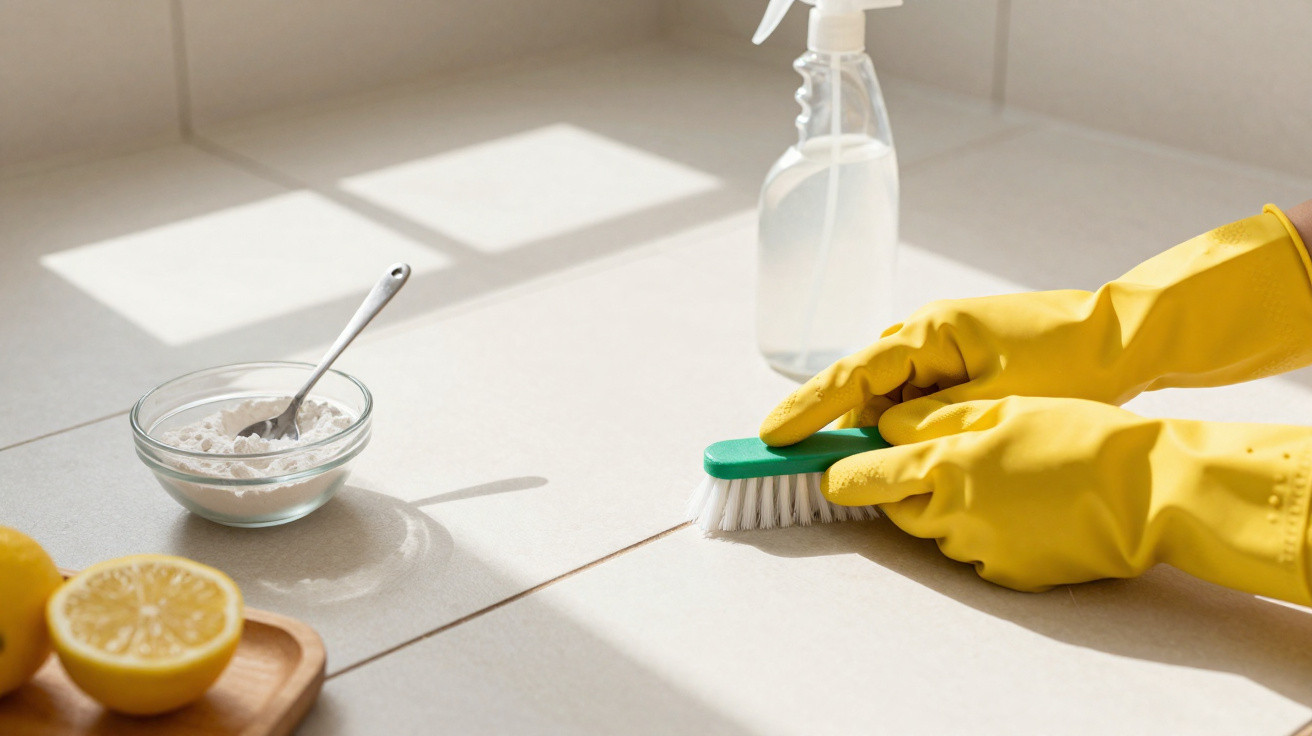
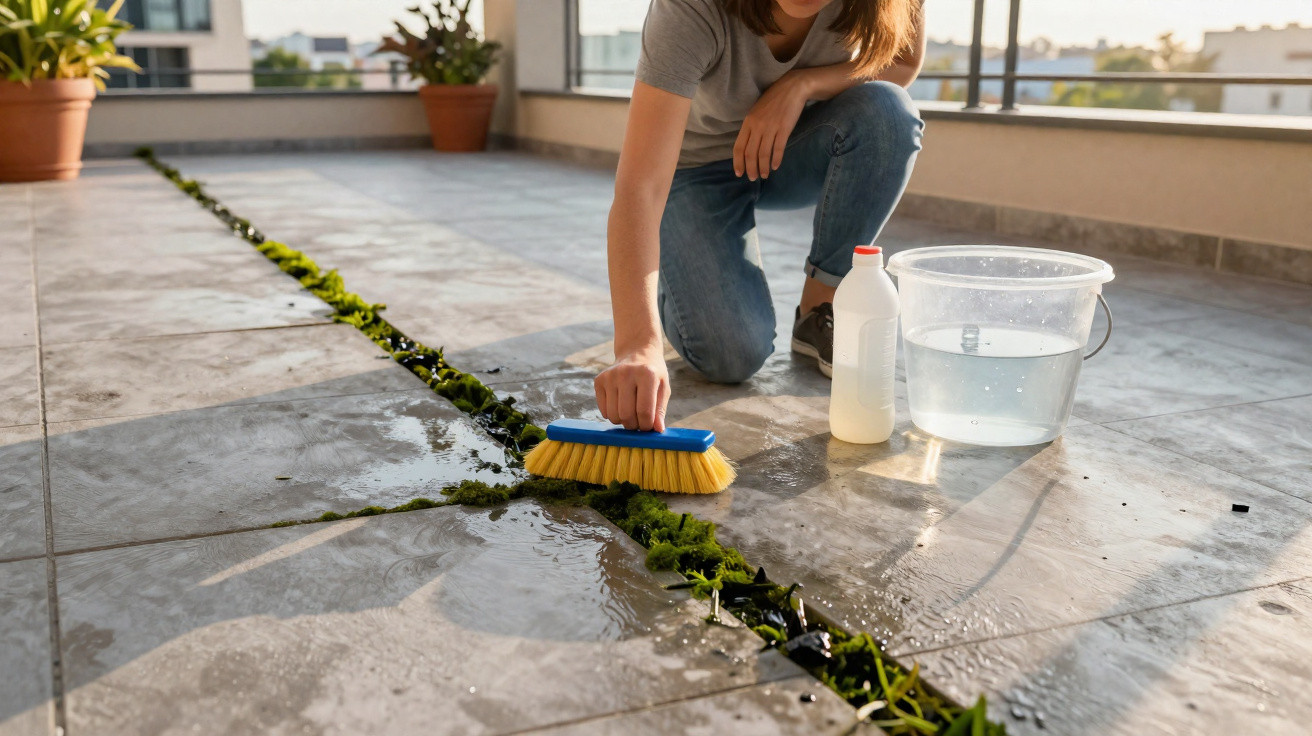
Another misconception follows on from this: something that shifts lichen from paving or scrubs grout is suddenly expected to “care for” courgettes, tomatoes and salad crops. The fact that a delicate leaf surface behaves nothing like stone or tile is often overlooked.
One spray against powdery mildew - and the bed went downhill
For many, the trigger for experimenting with bicarbonate of soda is powdery mildew: the white, flour-like coating that appears on roses, cucurbits and other plants. A “natural recipe” in particular has gone viral in gardening groups, shared in countless near-identical versions:
- 1 litre of water
- about 1 teaspoon of bicarbonate of soda
- 1 teaspoon of liquid soap or soft soap
- a little vegetable oil
Typically, the mix is sprayed generously over both the top and underside of leaves, often in bright, warm weather. At first, it can look like it is working: the white fungal film does seem to retreat.
A few days later, the downside often becomes obvious. Leaf edges turn dark brown, then stiffen and become brittle. Leaves curl and take on a dried-out look. Tomato and courgette leaves droop even though the soil is still moist. Rose buds blacken and drop off. The supposed “care treatment” has effectively behaved like a herbicide.
What is really happening in that white powder mist
From a chemistry point of view, this powder is sodium hydrogen carbonate. The troublesome part is in the name: sodium. It can build up in plants and in the soil, upsetting several systems at once.
Salt stress on the leaf
Once dissolved, bicarbonate of soda raises the salt concentration on the leaf surface. If the solution is too strong, several things occur:
- The salty film draws water out of plant cells.
- The leaf’s protective waxy layer is damaged.
- Brown necrosis develops - dead patches of tissue.
This kind of phytotoxicity shows up as scorched spots, dry-looking areas and dead leaf margins. As the plant loses leaf area, it also loses photosynthetic capacity.
An invisible stress test in the soil
Some of the spray inevitably ends up on the ground. The water evaporates, but the sodium remains and alters the soil environment:
- Salt levels rise around the root zone.
- Water becomes harder for the plant to take up (physiological drought).
- The pH climbs, making many nutrients less available.
From the outside, the soil can still look damp, yet the plant is effectively starving and dehydrating internally. A common sign is yellowing leaves with green veins - typical of nutrient deficiencies such as iron or magnesium. At the same time, the soil bacteria and fungi that support healthy soil life can be thrown out of balance.
“Bicarbonate of soda does not evaporate. Each new round of spraying adds another salt layer to plants and soil.”
When bicarbonate of soda can help - and where the red line is
It is not accurate to portray the powder as useless in every context. Against powdery mildew, an extremely weak, short-term application can help, because the fungus does not thrive in an alkaline film on the leaf surface. The key variables are concentration, frequency and precise targeting.
Guide values for a more cautious approach
Trials and practical recommendations often come back to a similar framework:
- 1 litre of the softest water available, ideally rainwater
- no more than 1–2 g of bicarbonate of soda (roughly half a level teaspoon-tip)
- only a few drops of soap as a wetting agent, not a full teaspoon
It should be applied only to affected leaves, as a light, fine mist, ideally early in the morning or in the evening - never in strong sunshine. If a repeat is needed at all, the next treatment should be no sooner than 7 to 10 days later.
| Aspect | Lower risk | Risky |
|---|---|---|
| Concentration | under 0.5% bicarbonate of soda | 1% and above |
| Frequency | no more than 1–2 times per season | every few days, in repeated rounds |
| Coverage | targeted, infected leaves only | entire garden, soil, paths |
It becomes especially problematic when gardeners spray the mix “as a preventative” on everything, or go further and drench the soil. That is where the balance quickly tips into harm.
Gentler alternatives for powdery mildew and similar problems
After the first signs of damage, many amateur gardeners switch to milder options. Frequently suggested approaches include:
- Milk or whey, roughly 1 part milk to 9 parts water, used as a foliar treatment
- Plant feeds such as nettle or horsetail extracts to support plant resilience
- Better airflow: avoid overcrowding so air can circulate
- Correct watering: keep foliage as dry as possible; water at soil level, preferably in the morning
- Mulching, to keep moisture more even and reduce stress
Powdery mildew often gains a foothold on already stressed plants. Choosing robust varieties, avoiding overfeeding, and buffering stress from heat or drought usually reduces problems significantly - without kitchen experiments in the sprayer.
Why “natural” is not a free pass
The bicarbonate of soda story highlights a wider issue in modern gardening myths: the word “natural” is treated like a quality mark. People often equate it with “harmless” or “gentle”. In reality, natural substances can be highly damaging - from strong vinegar to essential oils.
Online, recipes also circulate that combine several harsh components at once: bicarbonate of soda, soap, oil, alcohol and sometimes vinegar. Each of these can stress leaves and soil; together they create a cocktail whose effects are difficult to predict.
“Just because something sits in the kitchen cupboard does not automatically make it a suitable plant protection product.”
Practical tips to avoid similar garden disasters
If you want a healthy bed over the long term, a few basic principles will take you further than the next “miracle remedy”:
- Treat video recipes with scepticism and do not trial them across the whole garden immediately.
- Test any new treatment on a single plant first and wait a few days.
- Keep the dose low and never add “another spoonful” by instinct.
- For persistent issues, use approved, tested products from reputable garden retailers.
- Prioritise soil care, crop rotation and variety selection - it greatly reduces disease pressure.
When you treat plants like living organisms rather than patio tiles, the lesson becomes clear: the garden needs less magic powder and more observation, patience and an understanding of how things connect. Bicarbonate of soda can remain useful in the home - in the vegetable patch it is better kept as an exception, not a routine part of care.




Comments
No comments yet. Be the first to comment!
Leave a Comment