
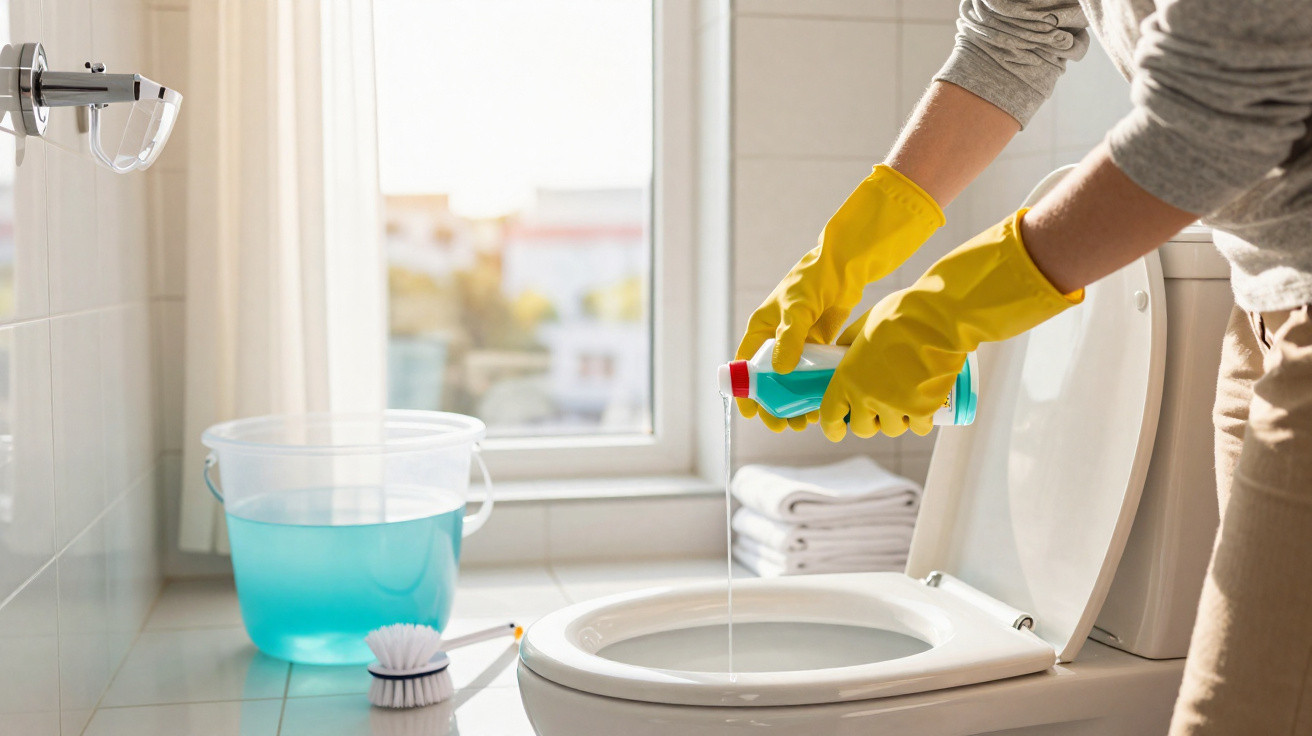
Anyone who has tried to tackle limescale-coated taps, yellowed toilet rims or stubborn cement residue with vinegar and bicarbonate of soda will know the routine: it takes ages, you scrub until your hands are sore, and it still often fails to come up properly shiny. In Spain, a very cheap but unusually effective cleaner from Mercadona’s own Bosque Verde range has started drawing attention. The reason for the buzz is a bathroom cleaner called “Salfumant”, which works with heavily diluted hydrochloric acid.
Why this bathroom cleaner is being praised so much
The situation is the same in most homes: the bathroom is where limescale, urine scale, traces of mould and general grime build up fastest. Toilets, grout lines and shower screens in particular can look dull and tired in no time. Many people then reach for vinegar, citric acid or baking powder - with mixed results, especially once limescale has formed in thick layers.
“The cleaner popular in Spain doesn’t rely on home remedies, but on around 20 percent hydrochloric acid - and it dissolves even hard limescale and cement residues.”
Mercadona’s “Salfumant” from the Bosque Verde line is primarily intended for toilets. According to the product description, it is designed in particular for:
- cleaning toilet bowls and the area under the rim
- removing urine scale and limescale rings
- loosening cement and mortar residue, for example after renovations
What stands out is the price: despite the aggressive formula, it reportedly costs around €1.10 per 1-litre bottle in Spain. That combination - strong performance at a very low price - is exactly what has made it a best-seller on the cleaning aisle there.
What’s going on chemically?
The key active ingredient is hydrochloric acid (chemically: hydrogen chloride acid) at a concentration of about 20 percent. Hydrochloric acid reacts with limescale, urine scale and many mineral deposits. It attacks these deposits chemically and partially dissolves them, so they can then be rinsed away with water.
That also clarifies where it makes sense to use it: anywhere mineral build-up is the problem - above all in toilets, on tiled floors after building work, or on heavily scaled surfaces made from acid-resistant materials.
“The harder the water and the older the deposits, the more clearly the advantage of strong acids over mild home remedies becomes.”
How to use the cleaner correctly in the toilet
In day-to-day use there’s little guesswork involved; the approach is kept deliberately simple. In Spain, it is recommended to use the product as follows:
- Give the toilet a quick pre-clean and flush once beforehand.
- Pour a generous amount of the cleaner straight into the bowl and under the rim.
- Close the lid and leave the liquid to work for about one minute.
- Flush and rinse away any residue thoroughly.
If the build-up is particularly stubborn, the contact time can be extended slightly and you can follow up with a toilet brush. It’s important not to stand in the fumes and to ventilate the bathroom well.
Removing cement and limescale: diluted in a bucket
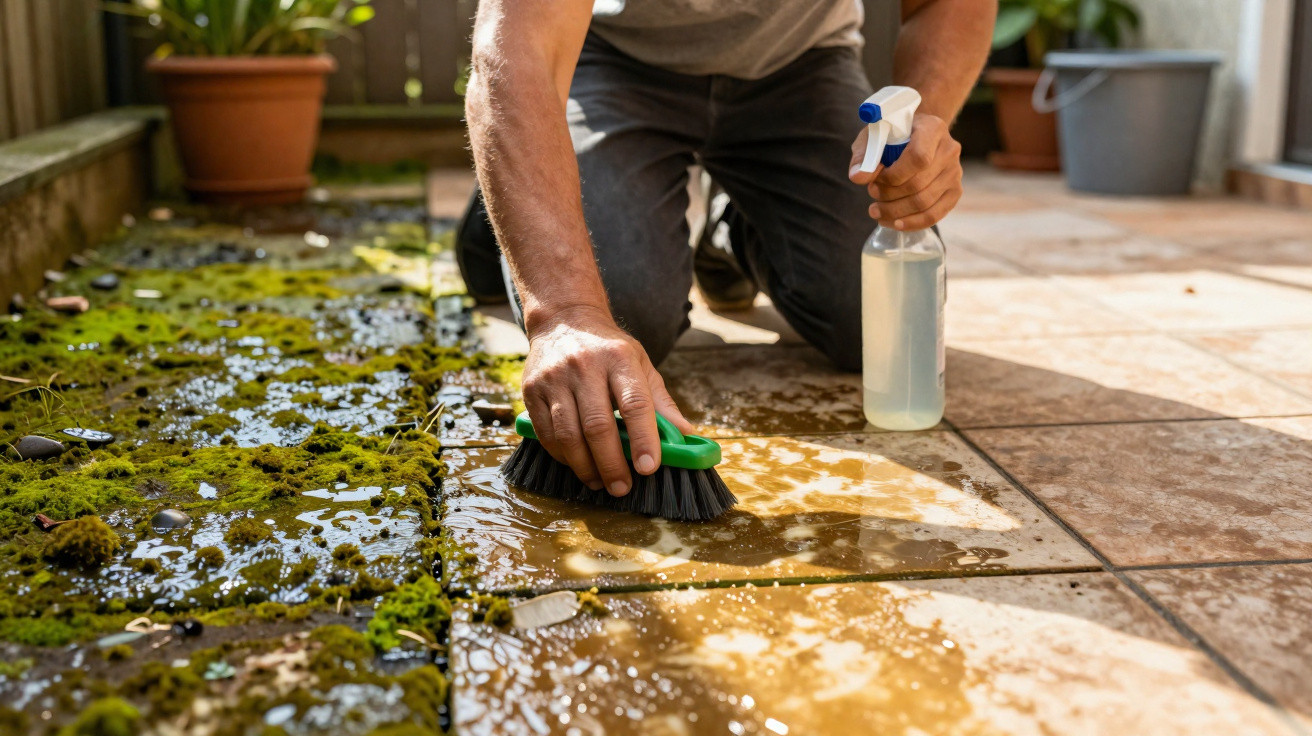
In Spain, the cleaner is not only used for toilets, but also to remove cement and limescale marks - for example after grouting tiles or on older floors with hardened crusts. For this kind of job it is used in a strongly diluted form.
Suggested method:
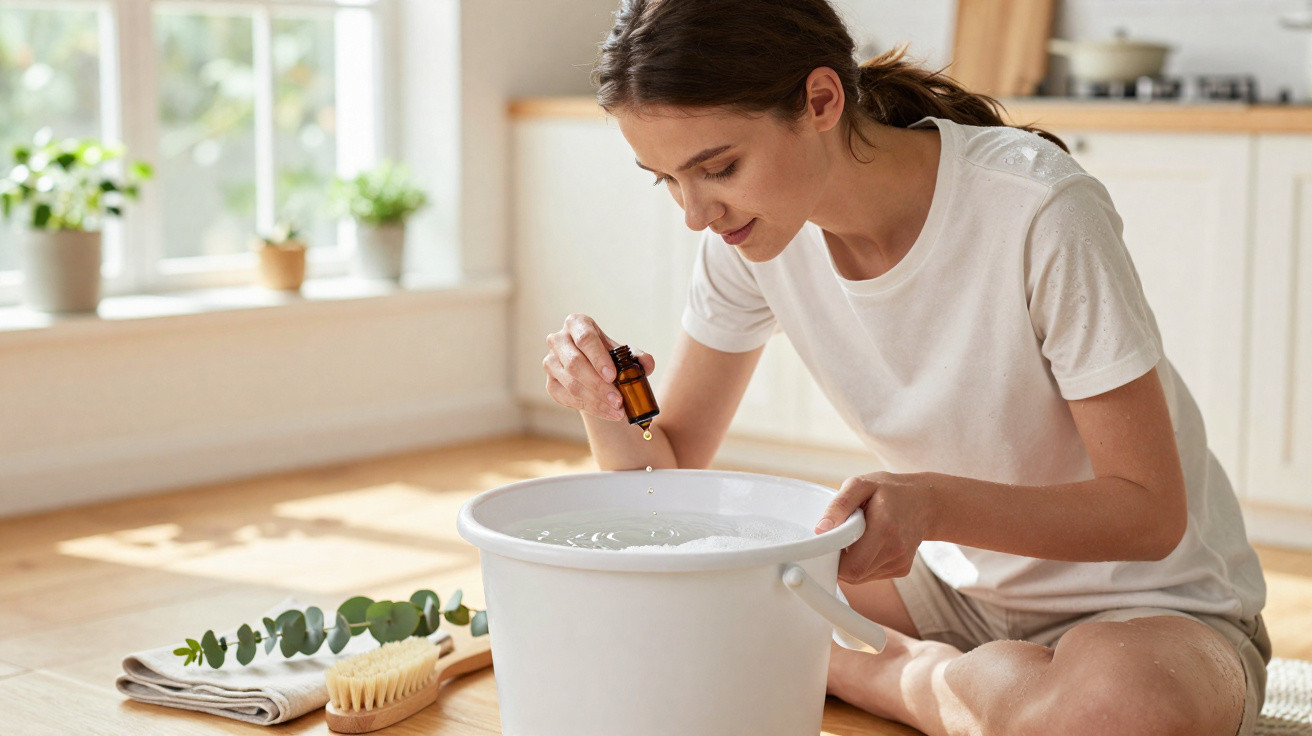
- Add 1 litre of the cleaner to a bucket containing about 10 litres of water.
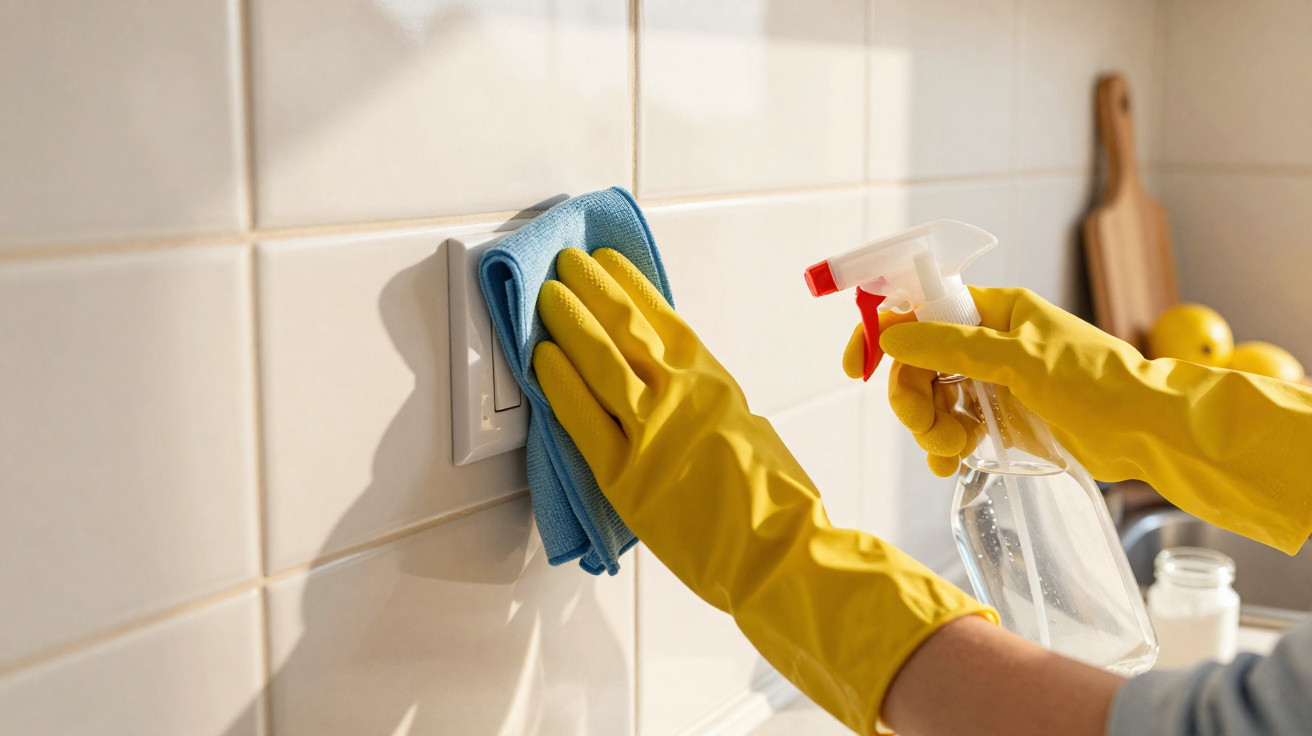
- Apply the diluted solution to the affected areas using a cloth or sponge.
- Leave it briefly, then wipe over with clean water.
“Using it is worthwhile mainly on robust, acid-resistant surfaces - such as ceramic, certain tiled floors or stone floors where it is approved.”
Sensitive materials such as marble, natural stone that contains lime, or certain metals, on the other hand, react very badly to acids and should not be treated with it.
Safety rules: how to protect yourself from harm
The strong results come with a downside: the cleaner is regarded as highly corrosive and produces an intense, sharp smell. If you use it, it should be treated more like a professional-grade product - not like an everyday all-purpose cleaner.
Protective equipment at home
For safe handling, Spanish consumer websites recommend:
- wearing long trousers and long-sleeved tops
- using sturdy rubber gloves
- wearing a simple mask or, at minimum, keeping well away from the fumes
- using safety goggles or close-fitting glasses if there is any risk of splashing
If splashes get onto the skin, rinse immediately with plenty of clean water. Don’t dismiss stinging or redness; cool the area for longer and seek medical advice if needed - particularly if eyes or mucous membranes are involved.
Ventilate well and avoid unnecessary exposure
Ideally, use it only in a well-ventilated bathroom. For many users in Spain, that means: open the window, keep the door ajar, let the cleaner work briefly, flush - and then air the room again before the rest of the household goes back in.
“Strong acids have no place in a closed, poorly ventilated tiny bathroom - fresh air is essential when cleaning.”
What is absolutely not allowed: mixing with other cleaning products
One point is especially critical: the cleaner must never come into contact with bleach products such as chlorine cleaners, or with ammonia-based products. In many homes, these sit right next to each other - an unsafe combination.
The risk is especially relevant with:
- chlorine bleach or typical toilet cleaners that contain bleaching additives
- glass and bathroom cleaners containing ammonia
- other acid-based specialist cleaners if the exact ingredients are unclear
If hydrochloric acid is mixed with chlorine or ammonia compounds, toxic gases can form. These can severely irritate the eyes and airways and, in extreme cases, can be life-threatening. The clear recommendation is therefore: don’t experiment - only ever combine this product with water.
What does that mean for households in German-speaking countries?
In Germany, Austria and Switzerland there are comparable products, sold for example as “cement haze removers”, “limescale removers” or “toilet specialist cleaners with hydrochloric acid”. The underlying principles are the same: highly concentrated acids, extremely effective, but intended only for short, targeted use.
If you buy similar products from a DIY store or chemist, it’s worth following the practical lessons from Spain:
- only use them where home remedies genuinely no longer work
- test first in an inconspicuous area
- read the full instructions rather than just skimming them
- always store the product out of children’s reach
When home remedies are better - and when they aren’t
Vinegar, citric acid and bicarbonate of soda still have a role in the bathroom. For regular, light cleaning they are often sufficient and generally kinder to materials. Light limescale on a tap, everyday soap residue or dirt on tiles can usually be kept under control with them.
But once a thick layer of limescale has built up over years, or cement residue is stuck to the floor after building work, gentle solutions quickly reach their limits. That’s exactly the point where strong acids come into play - like the cleaner being celebrated in Spain. It doesn’t replace an everyday cleaning routine; it’s more of a heavyweight product to use rarely, but deliberately.
“The trend from Spain shows: if you want a shiny bathroom, you don’t necessarily need to scrub harder - you need the right product and a healthy respect for the chemistry.”
Comments
No comments yet. Be the first to comment!
Leave a Comment