
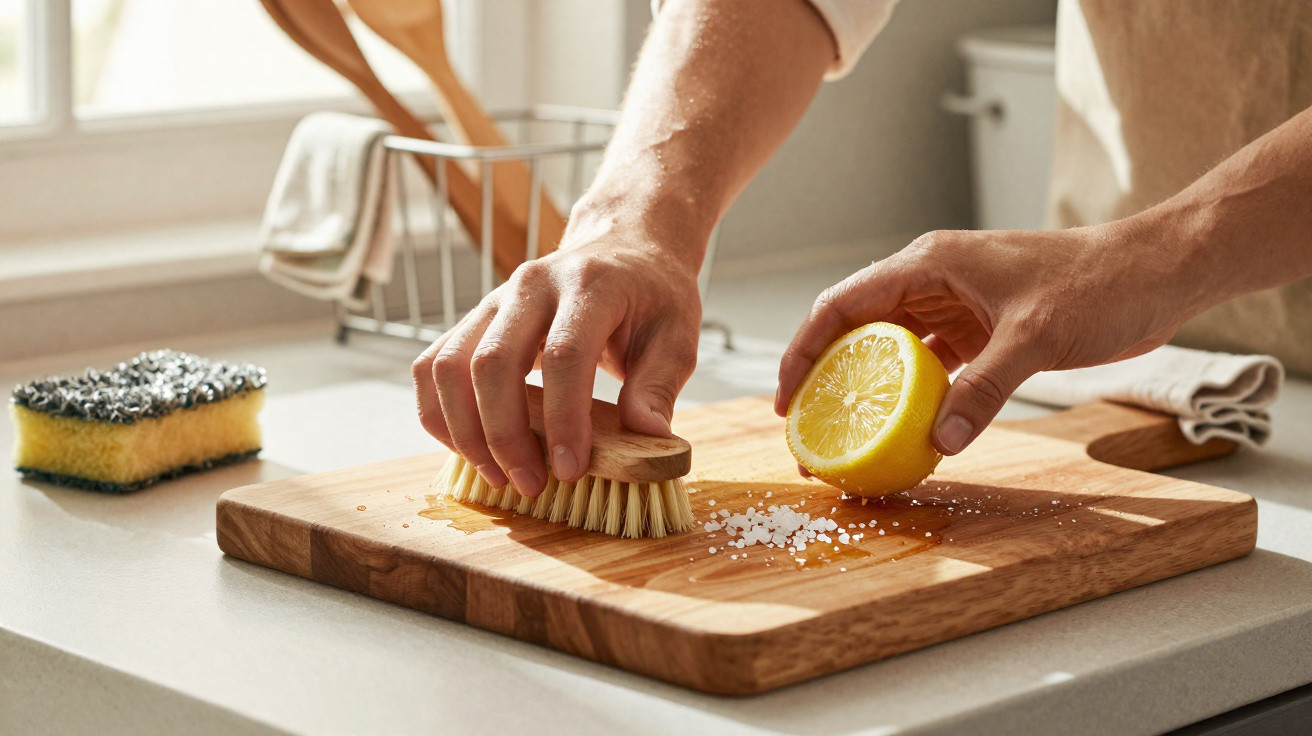
Correctly cleaning kitchen utensils supports food safety and helps materials last longer. However, the common habit of scrubbing rough surfaces can seriously undermine the structural integrity of your wooden board.
Why does a steel wool sponge damage wood?
When this metallic material is used regularly, it causes intense physical abrasion on the food-contact surface. That repeated friction forms tiny grooves that strip away the wood’s natural protective components, disrupting its uniform finish and speeding up early wear in the fibres.
If you scrub with too much force, you end up carving deeper channels that harm the utensil. These new scratches change the original smooth structure, creating conditions for structural issues that make safe food handling impractical and can require replacement of the item.
How does the French technique that leaves the kitchen shining work?
A simple at-home method promises restaurant-worthy results, transforming the cleaning of worktops through a special secret… Read more
What are the hidden risks of this improper cleaning?
Forcibly removing stains with heavy metal cleaning pads significantly alters the material’s protective natural grain. This unwanted mechanical change increases the piece’s porosity, making it easier for harmful organic residues to build up unnoticed inside the hidden cracks that the scrubbing creates.
Residual moisture can then seep into these artificial microscopic openings produced by the wrong kind of friction. As a result, the interior becomes ideal for rapid bacterial growth, leading to dangerous cross-contamination that directly affects the health of anyone eating the meals prepared.
Below is a video from the TV Aparecida channel on YouTube that explores the points discussed in this topic in more depth:
How can you clean the surface safely?
Proper day-to-day care calls for gentle methods that protect the utensil’s original qualities. Using a soft sponge together with running water lifts surface grime without harsh rubbing or damaging the outer layer of natural protection.
In addition, regular use of a good-quality mild washing-up liquid removes built-up grease efficiently without drying out the organic material. This straightforward choice helps maintain the wood’s physical integrity, ensuring an appropriate disinfection routine for everyday cooking.
Perfect Wood Cleaning
Essential components - Use these basic items to care for the utensil properly:
- Soft polyurethane sponge;
- Quality mild washing-up liquid;
- Warm running water.
Why is proper drying so important?
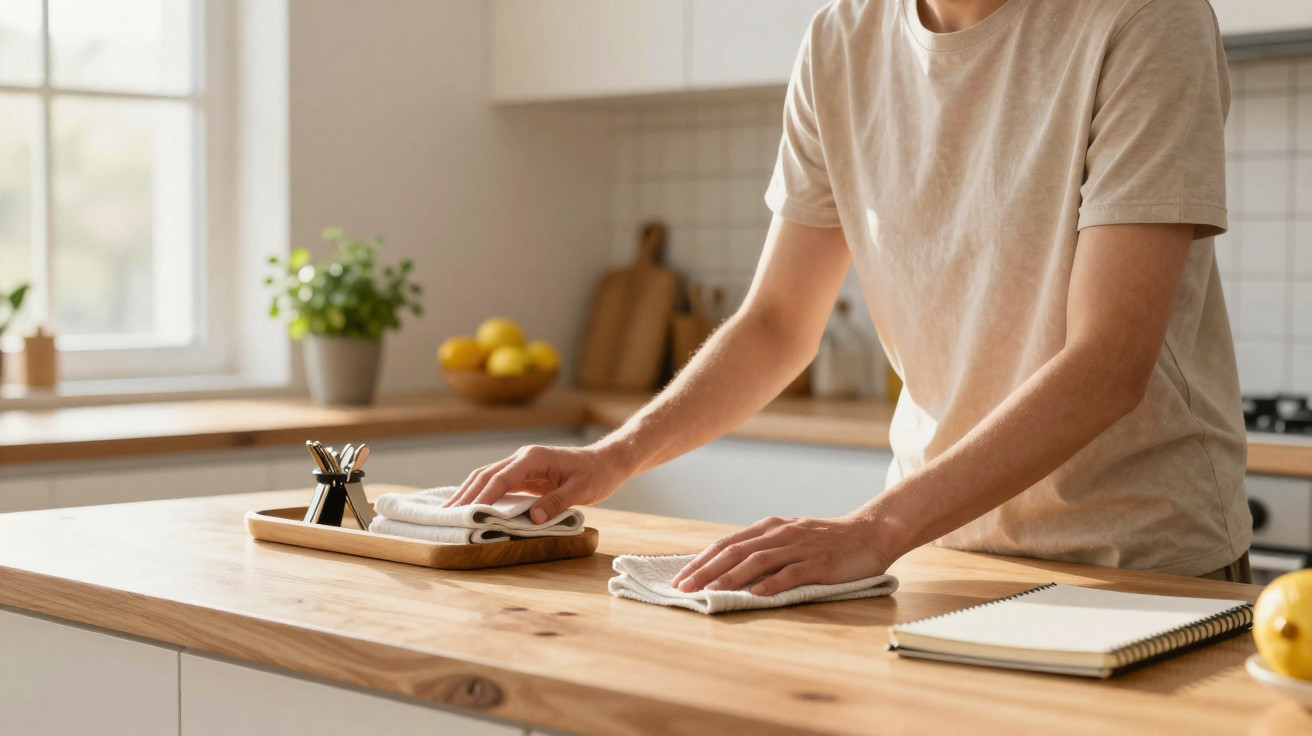
The final step after careful washing is critical for long-term preservation. Immediate drying with a completely clean cloth stops water from sitting on the surface, preventing unwanted swelling within the internal structure of this essential tool.
Putting it away while still damp encourages serious warping on the cutting surface. Storing it upright in a well-ventilated place ensures effective air circulation, keeping the piece free from mould and lingering unpleasant odours.
Adopt these key habits to keep your utensil in good condition for much longer:
- Dry it as soon as you finish washing.
- Store it upright in a very well-ventilated spot.
- Avoid prolonged direct exposure to strong sunlight.
How can you extend the utensil’s lifespan?
Beyond basic cleaning, periodically applying mineral oil helps protect the material from natural drying. This simple treatment seals microscopic pores, reducing excessive liquid absorption and maintaining a healthy appearance of the wooden surface.
Steering clear of highly corrosive chemicals and abrasive techniques also supports maximum longevity. With these regular preventative habits, cooks can keep their work tools safe, attractive, and fully ready for the preparation of excellent recipes.
Comments
No comments yet. Be the first to comment!
Leave a Comment