
You’ve scrubbed the shower, scoured the basin and mopped the floor - yet the bathroom still smells musty, the silicone seals turn yellow and tiny dark specks keep appearing? Specialists agree on one point: if you skip a particular, very simple step after showering, you’re not only inviting an unsightly bathroom, but potentially an unhealthy one over time.
Why silicone seals react so sensitively
Silicone seals around the shower, bath or washbasin are under constant attack: hot water, steam, shampoo residue, soap and limescale. And it’s precisely along these lines that moisture collects most - often for hours if nothing is done.
When that dampness lingers, it creates the perfect breeding ground for micro-organisms. Mould spores thrive in warm, wet corners. They cling to silicone, which is slightly tacky and minutely porous, and start multiplying. At first you notice faint grey shadows; then it becomes patchy; eventually it turns properly black.
“Damp seals aren’t just a cosmetic issue - they can become a health risk, especially for sensitive people.”
Mould on silicone seals can:
- irritate the airways
- worsen asthma and allergies
- make symptoms worse for children and older people
- cause a persistent, unpleasant smell in the bathroom
On top of that, limescale deposits on silicone that stays wet make the seals yellow faster and look dull. The whole bathroom can seem grimy, even when everything else is spotless.
The small step after showering that almost nobody does
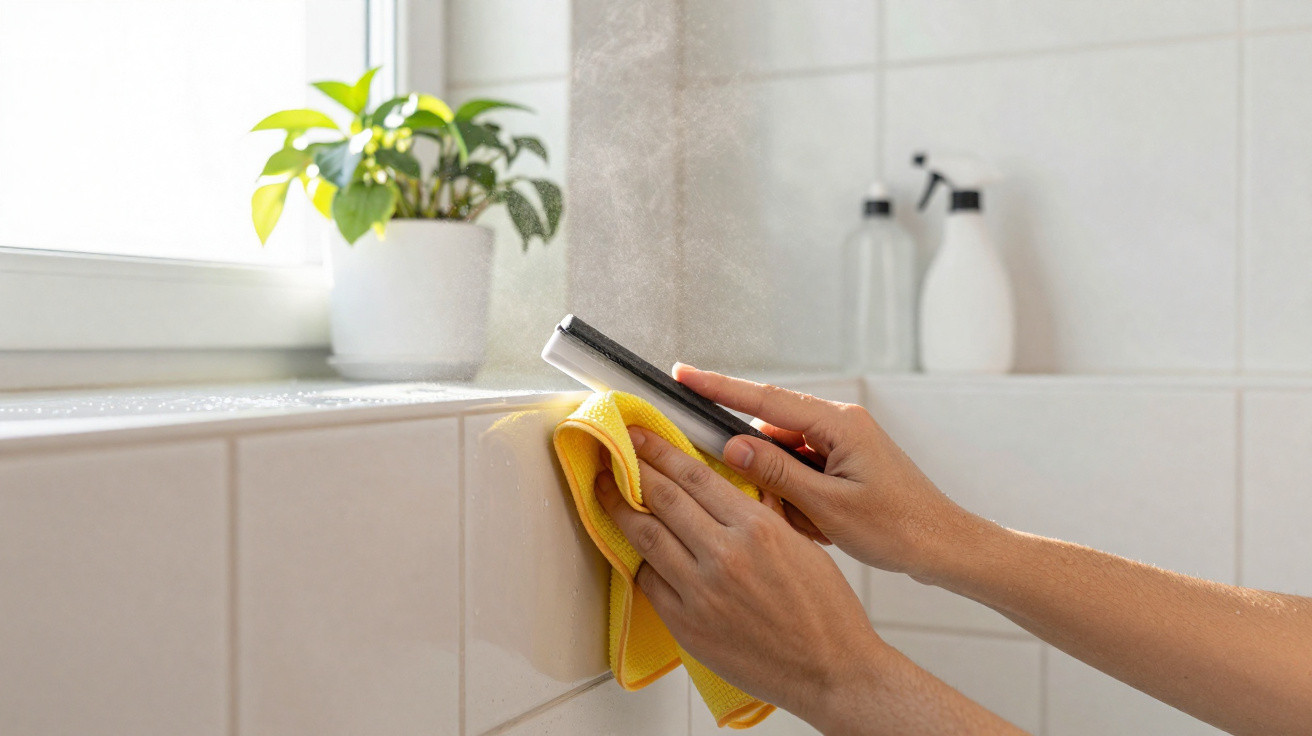
The expert advice is surprisingly unglamorous: straight after showering or bathing, remove water from the tiles and seals mechanically, then briefly dry the seals.
The simplest method:
- Using a basic rubber squeegee, pull the water droplets down off the tiles and along the seals.
- Take extra care around the transitions between the wall and the bath or shower tray.
- Then give the silicone seals a quick wipe with a dry cloth.
That’s it. No specialist cleaner, no expensive kit. Time required: depending on the size of the bathroom, 20 to 60 seconds.
“Every minute the seals are drier after a shower is a lost victory for mould and bad smells.”
The immediate benefits this mini-trick brings
If you squeegee and dry the seals every day, you’ll notice the difference within a few weeks - and even more over the long term.
Visual benefits across the whole bathroom
- Seals stay white for longer instead of turning yellowish or grey.
- Limescale edges and drip marks develop far more slowly.
- The shower area looks better cared for, even with older tiles.
- Unexpected guests cause less stress - it looks “fresh”.
Health and odour under control
A drier environment around the seals removes mould’s basic conditions for growth. That reduces:
- black mould lines in the corners
- that musty, damp smell after a few hours without ventilation
- the amount of mould spores in the air
People with allergies, asthma or frequent sinus problems often feel noticeably better when the bathroom stays less humid and visible mould never gets the chance to form.
Why prevention for seals is cheaper than any renovation
If you simply let seals “carry on”, you often end up paying twice - in appearance and in money. Once silicone is mouldy right through, replacement is usually the only realistic option.
That typically involves:
- a tradesperson, or at least decent tools and time
- specialist cleaners to remove mould and silicone residue
- new silicone in the right quality and colour
- downtime for the shower until everything is dry and ready to use
If you pay for the whole job, the cost can quickly run into the hundreds. If you do it yourself, you pay with your free time and patience. And if your habits don’t change, the next mould outbreak is already waiting.
“Regular squeegeeing avoids harsh chemicals, renovation costs and hassle - for less than a minute of effort per day.”
Practical: how to build seal protection into everyday life
The biggest enemy of good habits isn’t laziness - it’s forgetting. If you want moisture protection for your seals to stick, a few simple tactics help.
Helpful everyday tips
- Keep the squeegee in sight: Hang it in the shower, not hidden away in a cleaning cupboard.
- A short rule: “Shower, squeegee, leave” - three steps that become automatic.
- Get the household involved: Make it clear that the last person in the bathroom does the squeegeeing.
- Pair it with ventilation: After squeegeeing, open the window or switch on the extractor until the mirror is no longer steamed up.
If mornings are genuinely too rushed, you can shift the squeegeeing to the evening when the shower is used then. The precise timing matters less than doing it consistently.
If mould is already there: how you should proceed
Light, surface-level mould can usually be dealt with fairly well. But once the silicone is discoloured deep down, wiping alone won’t do much.
| Mould stage | Action |
|---|---|
| Fine grey dots | Wipe with a mild bathroom cleaner or alcohol, then dry daily. |
| Clearly visible black patches | Use a dedicated mould remover, ventilate well, avoid contact with skin and eyes. |
| Deep black, porous silicone | Remove the silicone and reseal, either by hiring someone or doing it yourself. |
If you reach for overly aggressive products, you may harm not just the silicone but your own airways as well. Protective gloves, open windows and keeping contact times as short as possible all reduce the risk.
Why the bathroom’s indoor climate also plays a role
Even the best squeegee can’t fully offset moisture in a bathroom with poor ventilation. A relative humidity that stays above 60 percent is effectively helping mould.
Sensible measures include:
- After showering, air the room properly with a short, wide-open window rather than leaving it on the latch.
- Keep the door to the hallway closed so moisture doesn’t spread through the home.
- Don’t turn the heating off completely; mildly warm air absorbs moisture better.
- In internal bathrooms, have the extractor system serviced regularly.
Extra aids such as a small dehumidifier can help in particularly damp homes, but they don’t replace the daily habit of using the squeegee.
A quick hand movement with a surprisingly big impact
When you treat silicone seals as the “first line of defence” against moisture, you start seeing the bathroom differently. That narrow line between tile and bath plays a major part in whether the room stays fresh, clean and safe - or becomes a problem.
The daily mini routine after showering - squeegee the water away, dry the seals, ventilate briefly - may look unimpressive, but it protects both bathroom and health far more than most people realise. Over time, this commonly forgotten step is what separates a well-kept, comfortable bathroom from a shower room with a stubborn smell of mould.

Comments
No comments yet. Be the first to comment!
Leave a Comment