
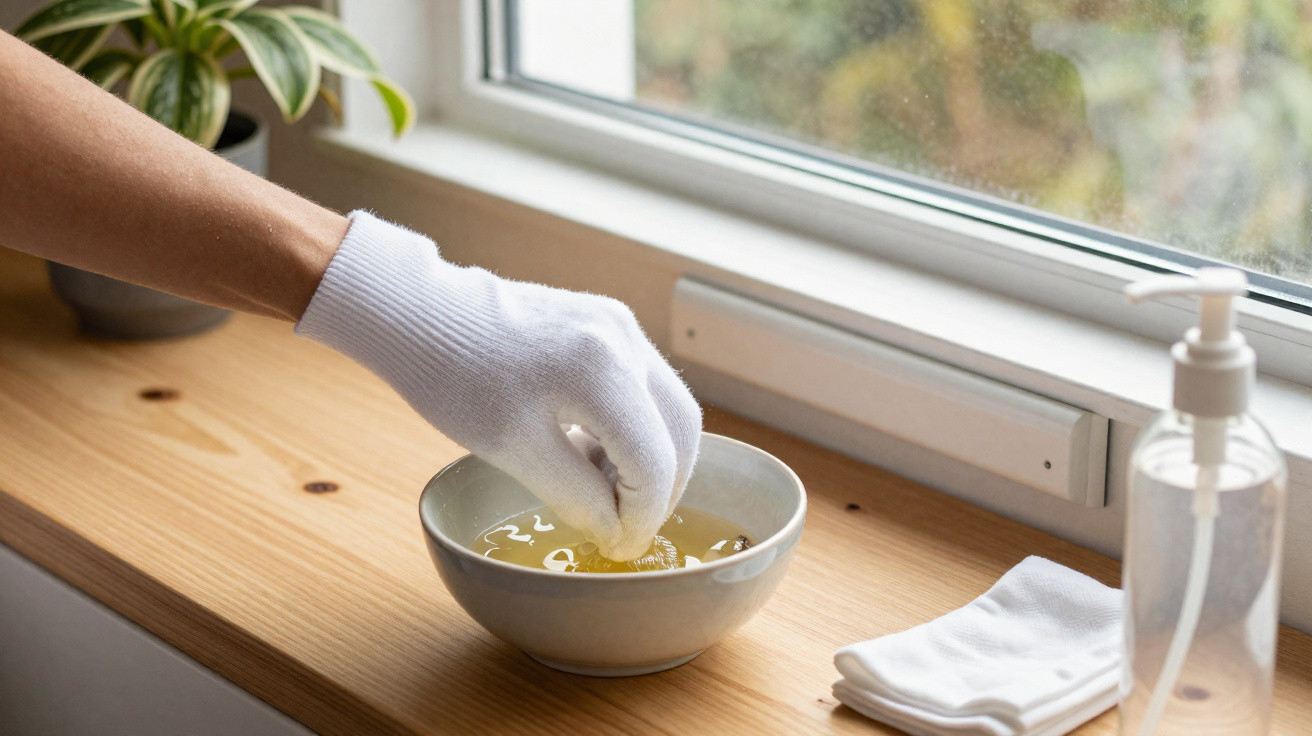
Putting off blind cleaning is almost a national pastime: it feels fiddly, so it gets delayed until the dust has turned dull, grey and tacky. A straightforward old-school tip that’s been doing the rounds among online cleaning fans makes the whole job quicker - and strangely satisfying.
Why blinds get so filthy so fast
Blinds sit on the boundary between the outside world and your living space. They catch road dust, cooking fumes, pet hair and pollen before it ever reaches the sofa, which means they can look grubby long before you clock it.
Every slat, cord and tiny hinge creates a little resting place for debris. Horizontal styles are especially bad for this, acting like shallow trays that collect whatever drifts by. In kitchens, that airborne dust often combines with a fine layer of grease, creating a sticky film that clings stubbornly.
A common routine is to spritz a cleaner, give the front a quick wipe, then shut the blinds and move on. The underside and edges are left behind, and fresh dust settles straight onto the older layer. Over time, the colour looks flatter and the material can seem more tired than it truly is.
"Blinds rarely wear out from use; they age because grime quietly builds up where a standard cloth never quite reaches."
That’s why some homes either accept permanently dingy blinds or pay for a professional service. In most cases, though, blinds don’t require special chemicals or equipment - they need something that fits the slats properly.
The unexpected tool: a single cotton sock
Rather than investing in complicated gadgets, more cleaning pros and “grandma hack” devotees are pointing to something you probably already own: a spare, clean sock.
Cotton is much better at gripping dust than kitchen roll. Its knitted texture can slip into narrow gaps and curl around rounded edges. Pulled over your hand, it effectively becomes a flexible glove that mirrors your finger movements.
- Cheap: it repurposes a sock you were ready to bin.
- Gentle: the soft fibres help avoid scuffs on PVC, aluminium or wood.
- Precise: your fingers can work between slats where bulky cloths won’t go.
- Washable: chuck it in with the laundry and use it again for other jobs.
Microfibre socks can be particularly effective because they attract dust through static. Chunkier sports socks are handy for larger areas and more stubborn build-up. What matters most isn’t the label - it’s how you use your hand.
"The sock is not just fabric; it turns your hand into a small, adaptable cleaning tool that reaches every side of each slat."
Step‑by‑step: the sock method for cleaner blinds
1. Prepare a simple cleaning mix
Most blinds clean up best with a mild solution rather than harsh sprays. In a bowl or small bucket, mix:
| Ingredient | Approximate amount | What it does |
|---|---|---|
| Warm water | 500 ml | Loosens dust and light grease |
| Liquid dish soap | 1–2 teaspoons | Breaks down greasy film |
| White vinegar (optional) | 1 tablespoon | Helps with odours and light disinfection |
Give it a gentle stir so you don’t whip up loads of foam. You’re aiming for lightly soapy water, not a frothy mess that dries into streaks.
2. Set up the blinds
Pull the blinds all the way down so you can access the full drop. Then tilt them until the slats sit horizontally, creating a flat “shelf”. This angle makes it easier for your hand to glide along both the upper and lower faces.
Lay an old towel on the windowsill or floor to catch any drips. If you’ve added vinegar and find the smell bothers you, crack the window open briefly.
3. Turn the sock into a cleaning glove
Slide the sock onto your dominant hand like a mitten. Position the heel and thicker sections over your palm, as that’s where most of the cleaning pressure will come from. Dip your socked hand into the solution, then squeeze firmly to remove excess.
"The sock should feel damp, not soaked; too much water risks streaks, warping or damage to wooden blinds."
If you’re dealing with delicate finishes such as real wood, try the mixture on a hidden spot first. Should the surface dry looking dull or slightly raised, switch to plain water or a product designed specifically for wood.
4. Clean each slat in a single motion
Take the first slat and gently pinch it between your thumb and fingers so it sits within the curve of the sock. Then sweep your hand from one end to the other. Done properly, you clean the top, underside and both edges in one pass.
If the blinds haven’t been touched in ages, expect the sock to go grey fast. Rinse it in the bowl, wring it out well, and carry on. Replace the water once it looks very cloudy - a cleaner mix improves results and helps prevent smearing.
Work through the slats from top to bottom. Starting high means any loosened dust falls onto areas you haven’t cleaned yet, rather than landing on freshly wiped sections.
5. Rinse and dry
When the slats look fresh, rinse the sock thoroughly under running water, then use a clean towel or a dry sock to lift off remaining moisture. A quick drying pass reduces the chance of water marks, especially on darker colours or glossy finishes.
Angle the slats slightly open and let air circulate. Most blinds will dry fully in 15 to 30 minutes, depending on the temperature and humidity.
Adjusting the trick to different types of blinds
Because materials vary, a few small tweaks will keep your blinds safe while you clean.
For PVC or aluminium blinds
These everyday options cope well with the soapy mix. Vinegar is usually fine too, and can help where dust has combined with nicotine residue or kitchen grease. Slightly firmer finger pressure will often shift stubborn marks without causing scratches.
For wooden blinds
Wood and water don’t mix well. With painted or varnished slats, wring the sock out extremely well and keep it only lightly damp. Skip vinegar, as acidic solutions can gradually dull or weaken the finish.
Follow immediately with a dry cloth or dry sock. If you spot raised grain or a change in colour, use even less moisture next time. After that, a light monthly dusting can stop grime bonding to the surface.
For fabric or vertical blinds
Fabric slats behave more like curtains than hard blinds. The sock approach still helps, but it’s best suited to dry dusting. Use a clean, dry sock, or one barely dampened with plain water. Soaking can distort the fabric or leave water rings.
If fabric blinds have heavy staining, a handheld vacuum with a soft brush - or a professional cleaner - may be the safer choice.
Why this “grandma trick” keeps trending
With households balancing work, family and rising bills, cleaning needs to be fast, low-cost and adaptable. The sock method fits neatly: there’s almost nothing to learn, and most people already have a lone sock or two. No special kit, no long tutorials.
Social media then does the rest. Short clips showing a socked hand gliding along a grimy slat - and revealing a noticeably cleaner, brighter strip - create a strong visual payoff. It looks simple enough to copy immediately using what’s already at home.
"Low‑cost cleaning tricks spread fast because they remove excuses: the job looks smaller, the equipment sits in your drawer, and the result appears instantly."
Turning the sock into a wider cleaning ally
After trying a sock on blinds, many people start using the same idea elsewhere. It works on radiator fins, ceiling fan blades, window tracks and tight spaces behind headboards. Compared with a rigid duster, your hand gives better control, and the fabric tends to trap dust instead of flicking it around.
A practical tip is to keep a small basket of “retired” socks in the cleaning cupboard. Use darker ones for outdoor jobs such as garden furniture and lighter ones indoors. It’s a simple habit that gets a final bit of value from clothing before it becomes textile waste.
There are limits. Thick mould, blinds neglected for years in damp rooms, or sharp metal edges still call for care - and sometimes masks or specialist products. A sock improves reach and precision, but it doesn’t replace basic safety or proper handling of serious contamination.
Used little and often, however, the method shifts the whole experience. Blinds stop feeling like an annual headache and become a quick, manageable job you can slot into a normal clean - with nothing fancier than a single sock doing the heavy lifting.



Comments
No comments yet. Be the first to comment!
Leave a Comment