
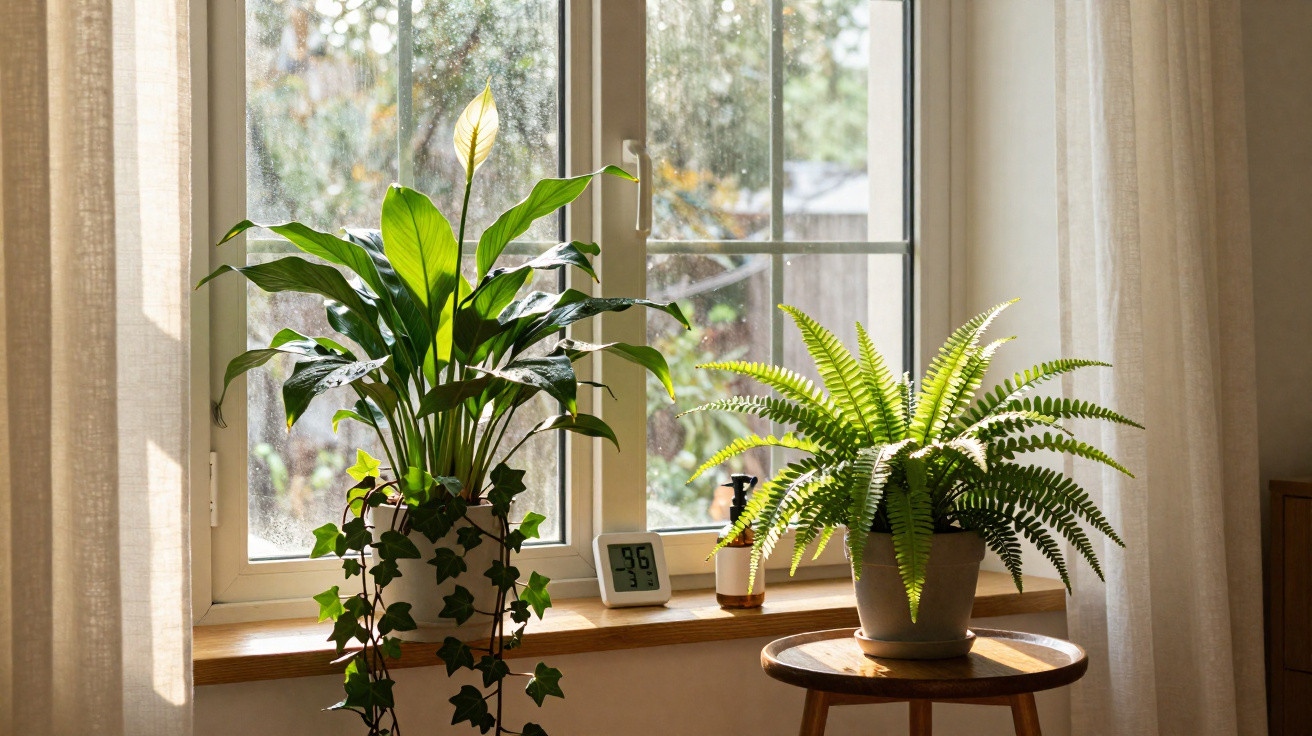
Waking up to wet window panes and grey marks creeping along the silicone is usually a sign the air indoors is too humid. That doesn’t just spoil paintwork; it can also irritate your airways. Alongside sensible heating and regular ventilation, there’s a surprisingly simple extra ally against persistent damp around windows: carefully chosen houseplants.
Why moisture builds up on windows
Moisture vapour is created in every home-through showering, cooking, drying laundry, and even breathing. Warm air can hold a lot of water vapour. When that warm, humid air hits a cold surface such as glass, it cools down, and the excess moisture settles as droplets: condensation.
If those droplets sit there day after day, damp starts to work its way into paint, silicone seals and window frames. Before long, grey or black specks appear. That is mould-a fungus that thrives in wet conditions.
“Experts recommend a relative humidity of between 40 and 60 per cent in living spaces-above that, the risk of mould rises significantly.”
A small hygrometer on the windowsill will quickly show how serious things are. If it regularly reads above 60 per cent, you’ll often see steamed-up panes, notice a musty smell, and spot the first black dots climbing into the corners. At that point, it’s time to act before the damage spreads.
How houseplants can help with mould-prone spots
Some houseplants actually benefit from higher humidity. They absorb a portion of the water vapour through their leaves and roots, then release it again later. In practice, they can smooth out short-lived humidity spikes in a room-particularly right by windows.
At the same time, many leafy plants also filter pollutants from the air. A well-known NASA study on indoor air highlighted years ago that certain species can reduce gases such as formaldehyde, benzene or trichloroethylene. In an ordinary home these effects are not as dramatic as in a laboratory, but the combination of gentle humidifying, a touch of moisture buffering at peak times, and air filtering can still be noticeable.
One point remains essential: plants are an add-on, not a replacement. Without consistent airing, a working ventilation system or regularly opened windows, the indoor climate will deteriorate even with a “jungle” of greenery. And if you constantly soak plant pots, you may end up creating fresh mould patches in the compost.
- Air rooms daily with a burst of fresh air for around ten minutes
- Don’t turn the heating off completely; keep the temperature steady
- Seal leaks and prevent water ingress around windows
- Use pots with drainage holes and empty saucers after watering
Six plants that love humid windowsills
1. Boston fern: a green humidity specialist
The Boston fern (Nephrolepis exaltata) is a classic choice for damp spaces. Its fine fronds enjoy higher humidity and prefer softer light rather than full, blazing sunshine.
It’s particularly well suited to a bathroom or kitchen windowsill, where showering and cooking happen frequently. The plant takes up some of the moisture in the air and releases it more slowly. That can make the immediate area feel less “wet” and helps it cope more calmly with daily bursts of steam.
“The Boston fern works like a small, natural humidity buffer right by the window.”
Key care point: keep the compost lightly moist, not saturated. If the roots sit in water for long, they can rot and the fern will start dropping fronds.
2. Peace lily: stylish and effective for musty corners
The peace lily (Spathiphyllum), also commonly called the “peace lily”, is a tough houseplant with glossy green leaves and white blooms. It prefers a partially shaded position and higher humidity-making it a strong candidate for a windowsill in the bathroom or bedroom.
Because it can absorb water vapour from the air and tolerates slightly damp conditions, it suits windows where condensation forms easily. As a bonus, it can improve perceived air quality by binding certain pollutants.
A note for pet owners: the leaves and flowers are poisonous to cats and dogs. If you have curious pets, place it out of reach or choose a different plant.
3. Ivy: a climber for mouldy corners
English ivy (Hedera helix in houseplant form) often feels more at home in humid spots than people do. Indoors, it works well in a hanging pot close to a window-above the kitchen sink, for example, or on a cooler north-facing side.
Its leaves tolerate higher humidity and, according to various studies, it may help reduce certain mould spores and pollutants in the air. In everyday terms, ivy can take a little pressure off problem areas, especially in darker corners that are slow to dry out.
To stop it taking over, regular trimming is worthwhile. If there are children in the home, make it clear that the leaves and berries are not edible.
4. Spider plant: low effort, strong impact
The spider plant (Chlorophytum comosum) is famously hard to kill-ideal if you don’t have a natural green thumb. It likes bright, indirect light and is happy on a living-room windowsill that isn’t exposed to harsh, all-day sun.
It copes well with fluctuating humidity levels and produces plenty of leaf mass. Many households use it as a natural “filter plant”, because it performed well in older studies. Around windows, it can help even out swings in humidity without being fussy.
A practical extra: spider plants produce long shoots with small plantlets that can be potted up easily. That makes it inexpensive to green up a whole run of windows.
5. Aloe vera: a desert plant with a useful twist
Aloe vera is best known for its gel, which is popular in cosmetics and for mild skin irritation. As a succulent, it stores water in thick leaves and needs far less watering than many typical houseplants.
On a bright-often sunny-windowsill in a living room or office, it handles temperature changes and dry spells well. In humid rooms, aloe helps avoid making the air even damper, because it transpires sparingly and therefore doesn’t add much extra moisture to the indoor climate.
What matters most is excellent drainage, ideally with a sandy component in the compost. Waterlogging quickly leads to rot.
6. Snake plant: the undemanding windowsill companion
The snake plant, often called mother-in-law’s tongue (Sansevieria, also known as bowstring hemp), is among the toughest houseplants you can keep. It tolerates dry air from heating, manages with limited light, and also copes with sunny window positions.
On a windowsill with condensation issues, its main advantage is stability: it needs little water, produces hardly any spikes of evaporation, and stays unfazed by temperature swings. In bedrooms in particular, many people appreciate snake plants because they release oxygen at night, which can help the room feel more comfortable.
“Bowstring hemp works like a low-maintenance ‘flatmate’ that can sit by the same window for years and asks for almost nothing.”
Tips for correct placement and care
Plants only help if they’re positioned and cared for properly. If you set pots directly onto a soaking-wet window frame, you risk rotting containers and encouraging fresh mould marks. Sturdy saucers or small stands are better, as they allow a little airflow beneath the pot.
Practical ground rules:
- Check the light: each species has its own needs. Ferns and peace lilies prefer softer light; aloe and snake plants like more sun.
- Adjust your watering: use a finger test rather than watering to a calendar. Only water again once the top layer of compost is dry.
- Empty saucers: standing water encourages fungi and attracts fungus gnats.
- Wipe the leaves: dust reduces absorption and hampers transpiration.
When plants are no longer enough on their own
If, despite having plenty of greenery, you still have permanently wet windows, peeling paint and widespread mould, the cause is likely structural. Leaky windows, missing insulation or unsuitable heating habits can all play a part. In those cases, only a combination of targeted repairs, better ventilation routines and, if necessary, an electric dehumidifier will make a lasting difference.
Mould should never simply be painted over. It’s better to treat affected areas with suitable products, bring in a specialist if needed, and properly identify the source of the damp. Houseplants can support the indoor climate, but they cannot replace repairs.
Why a hygrometer belongs on the windowsill
Many people misjudge humidity. The air can feel fine while actually sitting at 70 per cent relative humidity. A basic hygrometer costs only a few pounds and gives you a clear reading. If you check it regularly, you’ll quickly learn when you need to ventilate, adjust the heating or add another plant.
With a combination of measuring, a well-chosen mix of plants and consistent ventilation habits, the area around your windows can gradually become noticeably drier and healthier. Panes stay clear for longer, seals don’t keep turning black-and, as a welcome side benefit, a home filled with lush green plants feels far more alive.



Comments
No comments yet. Be the first to comment!
Leave a Comment