
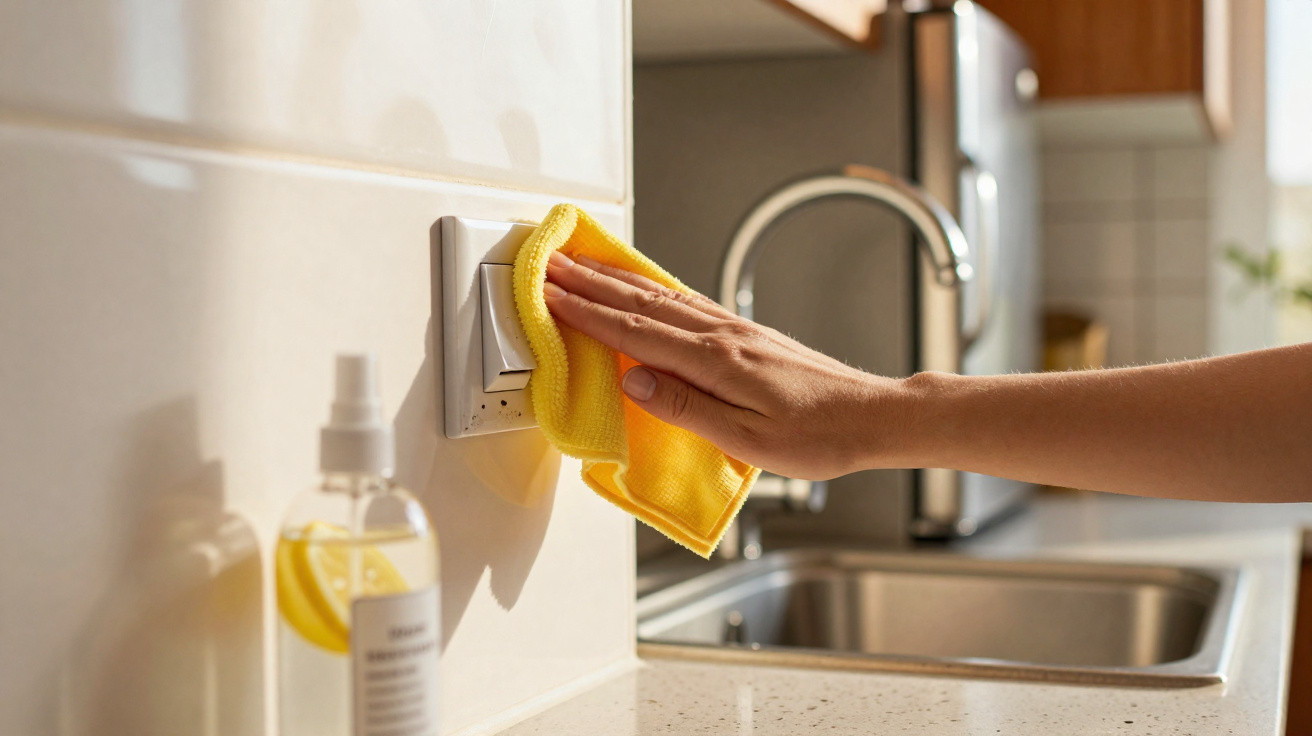
We wipe down worktops, scrub the sink and mop the floor – yet one tiny spot at the heart of the kitchen is almost always forgotten.
It gets touched dozens of times a day, sits right in the mist of grease and steam, and is positioned exactly where raw food is handled: the kitchen light switch. Hardly anyone thinks to clean it routinely. Yet it’s one of the grimiest points in the whole home – and with a few simple steps you can keep it far more hygienic.
Why the kitchen light switch gets so dirty
Picture a completely ordinary moment while cooking: you’re chopping raw meat, notice the lighting is poor, and quickly tap the switch. Or you rinse vegetables that still have soil on them and adjust the lights mid-way to check how things are cooking.
Every one of those quick touches leaves something behind. Tiny traces of food, grease, moisture and bacteria end up on a surface that rarely makes it onto anyone’s cleaning list. Over days and weeks, a real biofilm can build up there.
"The kitchen light switch is a crossroads between a door handle, a chopping board and a phone screen - except we almost never clean it."
What makes this particularly concerning is that pathogens such as E. coli or Salmonella don’t simply disappear on their own. On hard surfaces they can survive for surprisingly long periods. And the kitchen can offer them fairly friendly conditions:
- Warmth from the hob, oven and hot pans
- Moisture from steam and splashes
- Organic residue from hands, grease and food
Kitchen hygiene research shows that frequently touched surfaces can carry bacterial loads similar to a chopping board used for raw meat. If a switch is pressed dozens of times a day by different people, it becomes a transfer point for germs - from raw chicken to the children’s lunchbox and straight back again.
Riskier for children, older people and anyone vulnerable
In households with several people, the issue becomes more pronounced. Children grabbing a quick snack, older relatives who steady themselves more often, stressed parents cooking while also taking calls - everyone uses the same switch.
For healthy adults, that often causes no obvious problems. But more sensitive groups such as toddlers, older people or anyone with a weakened immune system can react much more quickly to kitchen germs. Stomach bugs, nausea or diarrhoea are frequently triggered by exactly these easy-to-miss contact points.
How often you should clean the kitchen switch
Experts recommend: cleaning once a week is enough in most homes to noticeably reduce germ levels. If you often handle raw meat, have a larger household, or have small children, it makes sense to shorten the interval - for example, to every two or three days.
"Less important than the perfect cleaning product is the fact that cleaning happens at all - and that it happens regularly."
If you already do a more thorough weekly clean of the kitchen and bathroom, simply add the switch to that routine. Setting a fixed day in your diary - Saturday morning, for instance - can make the habit stick.
How to clean kitchen light switches properly and safely
Electricity and moisture do not mix well. That’s why technique matters more here than attacking it with lots of spray.
Step-by-step instructions
- Switch off the power if in doubt - especially if you want to be extra cautious or you have older switches.
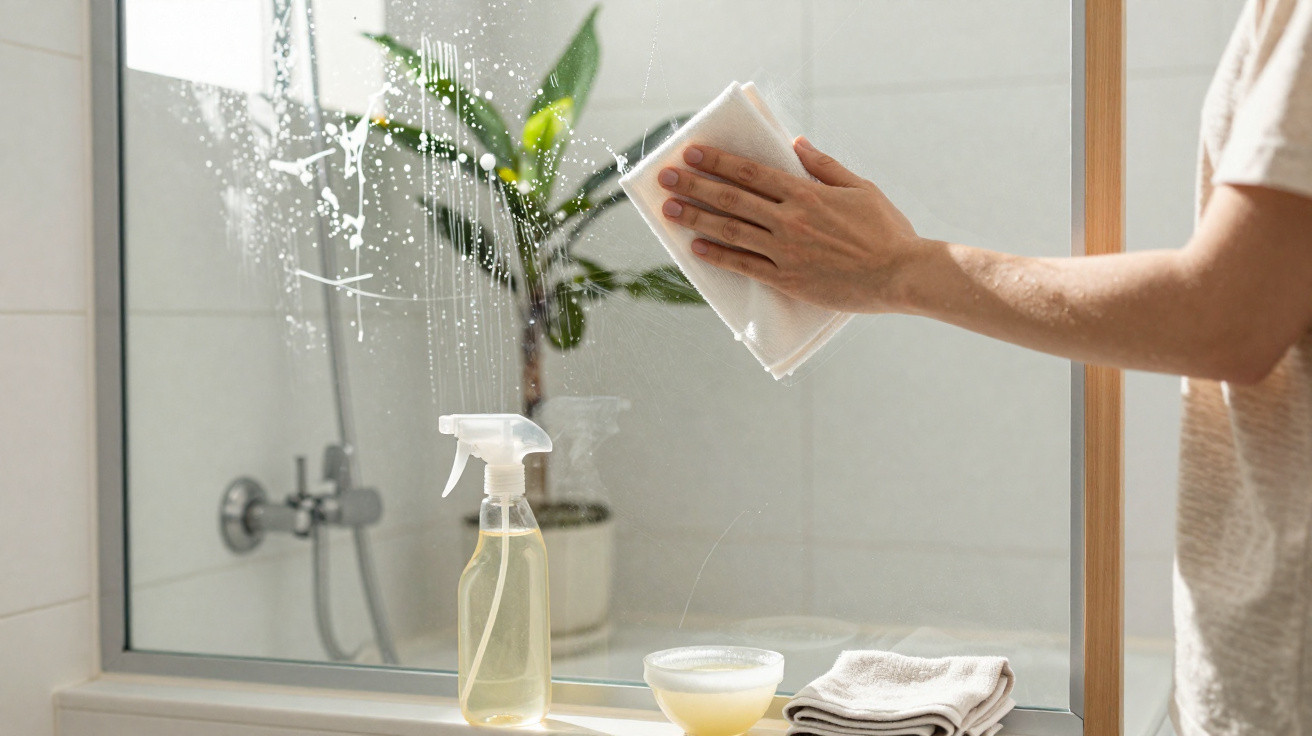
- Prepare a cloth - lightly (!) dampen a microfibre cloth with a mild cleaning or disinfecting solution.
- Never spray directly - don’t spray cleaner onto the switch; always apply it to the cloth instead.
- Wipe thoroughly - pay close attention to edges and grooves, as that’s where most grime collects.
- Go over tight spots - a slightly damp cotton bud helps you reach narrow gaps.
- Dry it - finish by wiping with a dry cloth so no moisture remains near the electrics.
Gentle option: household mix instead of harsh chemicals
If you’d rather avoid aggressive cleaners around food, a simple mix works well: one part white vinegar, one part water.
This solution is sufficient to reduce most germs significantly, and it also loosens greasy marks. Any mild smell disappears quickly, leaving cleaner, less contaminated surfaces behind.
"Two minutes on the switch once a week saves you many unnecessary germ contacts over the year - minimal effort, big hygienic impact."
Other places in the kitchen that are just as critical
The light switch is rarely the only issue. Anywhere you grab with “cooking hands” tends to collect similar levels of bacteria. It’s sensible to treat a small group of surfaces as a set and clean them on the same schedule.
- Fridge handles - constantly opened and closed while cooking.
- Cupboard knobs and drawer handles - grease and flour layers build up here particularly easily.
- Taps and lever handles at the sink - often touched with dirty hands before the water even runs.
- Microwave buttons and control panels - quick taps when rushed, rarely cleaned.
- Hob knobs and other controls - a magnet for grease and sticky residue.
Cleaning these along with the kitchen switch noticeably cuts down the cycle of germs throughout the kitchen. Often, ten extra minutes once a week is enough.
Why long-term hygiene habits make such a difference
A switch that’s spotless once doesn’t help much if it’s then ignored for months. The real benefit comes from routine. When a surface is wiped regularly, the layer of grease, dust and food residue - the stuff germs thrive in - doesn’t get the chance to form in the first place.
For children and older people, that can be a tangible improvement. They come into contact with fewer germs overall. And it can significantly reduce the risk of stomach upset caused by contaminated hands after cooking.
"A professional chef’s glance at a home kitchen shows it clearly: it’s the small details that matter, not just shiny worktops."
In professional kitchens, light switches, door handles and control panels have been part of standard hygiene schedules for years. Anything touched regularly gets disinfected. Taking that approach at home can raise your kitchen’s safety level too - without industrial-strength cleaners or hours of effort.
How to keep the new cleaning habit going without stress
To stop the plan disappearing in day-to-day life, a few simple tactics help:
- A checklist on the fridge - a small list of weekly surfaces to tick off.
- A fixed order - always clean in the same loop: fridge handle, switch, cupboard handles, tap.
- A small bottle of the mix - keep the vinegar-water solution in a spray bottle (spray only onto the cloth!) within reach.
- A reminder on your phone - set a weekly alert until it becomes automatic.
That way, what feels like an extra chore turns into a quick step - like emptying the dishwasher. After a few weeks, it tends to happen almost without thinking.
Better awareness of hidden germ hotspots in the kitchen
Many people pay close attention to how long food can be stored in the fridge or to cooking temperatures. What’s less obvious is how germs travel around the room via hands and switches.
When you keep these contact points in mind, you reduce several risks at once: fewer bacteria on lunchboxes, fridge handles and children’s plates - and therefore fewer chances of digestive issues. Combined with simple steps such as airing the room regularly and using a clean dishcloth, you can make the kitchen noticeably more hygienic with very little effort.
In the end, the reality is simple: that tiny plastic switch on the wall looks harmless, but it plays a big part in the hygiene puzzle. If you give it a quick wipe each week, you make a surprisingly large step towards a cleaner, safer kitchen - without any pressure to be perfect.

Comments
No comments yet. Be the first to comment!
Leave a Comment