
The coffee cup slipped, bounced off the table’s edge, then burst into a brown splash across the brand-new sofa.
The immediate instinct is to grab a sponge and scrub as though everything depends on it. Your movements become frantic, paper towels pile up, and panic rises as the stain spreads. A few minutes later, the liquid has gone from the centre… but the ring around it has grown, lingering like a stubborn shadow around your efforts.
We have all had that moment of looking at the final mess and thinking: I have made it worse. The fabric looks worn, the fibres are damaged, and the stain, lighter but twice as large, seems to mock you. You think about what the sofa cost, the time you have lost, and the look from the person you share your living room with.
What if the real issue is not the stain itself, but how we tackle it in those first few seconds?
Why scrubbing makes stains worse
It always unfolds in the same way: something spills, you hold your breath, and your hand starts scrubbing automatically. We have grown up with the belief that the harder we scrub, the more effectively we clean. That may sometimes work in the kitchen. On fabric or carpet, it is an entirely different matter.
Vigorous rubbing creates a feeling of action, almost of heroism. It feels as if you are rescuing the situation. In reality, you are mostly moving the stain around. It travels outwards, sinks deeper into the fibres, and breaks into tiny pigments that settle where even the best stain removers will struggle to lift them.
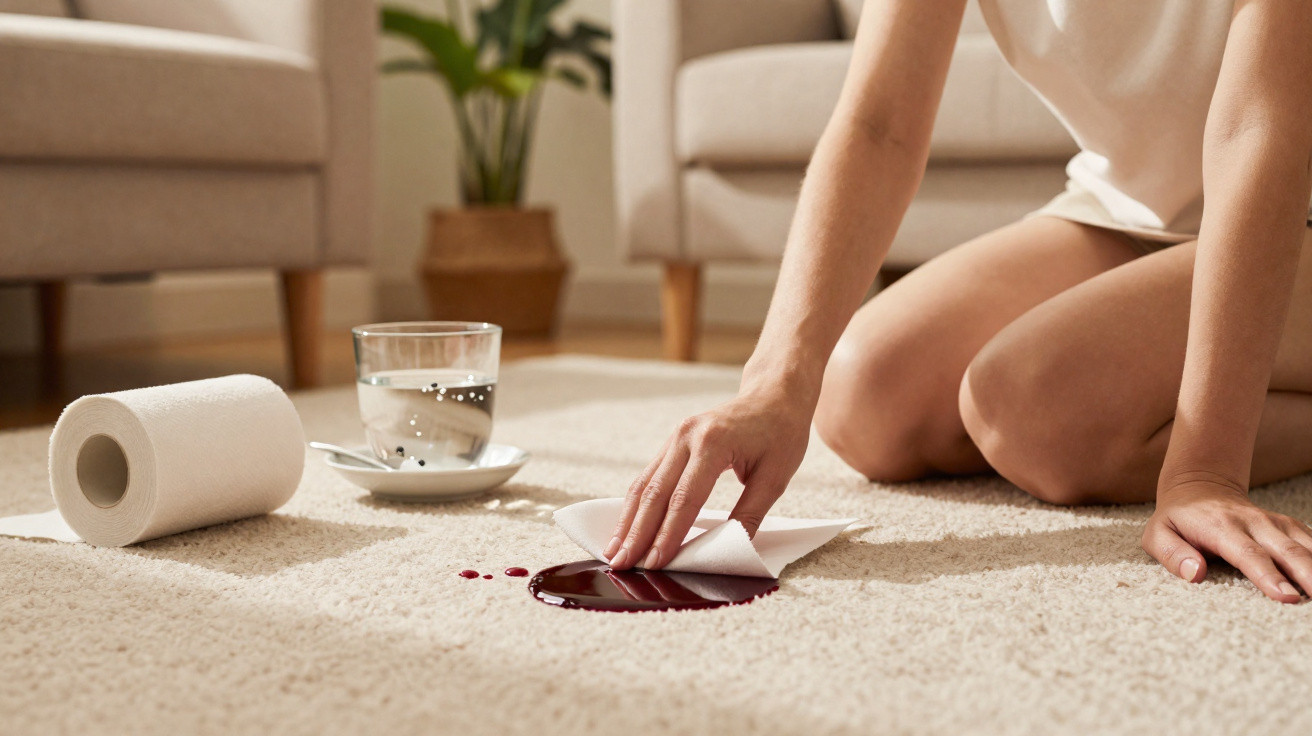
Picture a glass of red wine spilled on a pale carpet during a dinner party. The person who starts rubbing fastest and hardest often feels like the saviour. They are also frequently the one who produces the huge pinkish halo surrounding the original mark. The centre looks cleaner, almost bleached by the effort, while the edges become tinted and wider.
On fabric sofas, you may notice the “ghosts” of old stains: oval patches that are paler in the middle and darker around the outside. These are scars left by scrubbing. On jeans, it is the faded, rough patch where an oil stain appears to have vanished but has left behind a slightly shiny ring. Professional cleaners’ figures are clear: correcting a fresh stain that has been treated badly often costs more than dealing with an older stain that was left untouched.
The reason behind this household disaster lies in how textiles are constructed. Fibres resemble microscopic tunnels. When you scrub, you force liquid through those tunnels, sometimes break the fibres, and spread the pigments further than the original spill. The mechanical movement also warms the surface slightly, helping certain dyes to become more firmly set.
On deep-pile carpets, rubbing tangles the fibres and creates a kind of matting that traps dirt. Delicate materials such as wool or silk can even change in texture. In trying too hard to remove the stain, you eventually damage the material beneath it. The mark is no longer simply a colour; it becomes an area that behaves differently from the rest of the fabric.
The right first moves after a spill
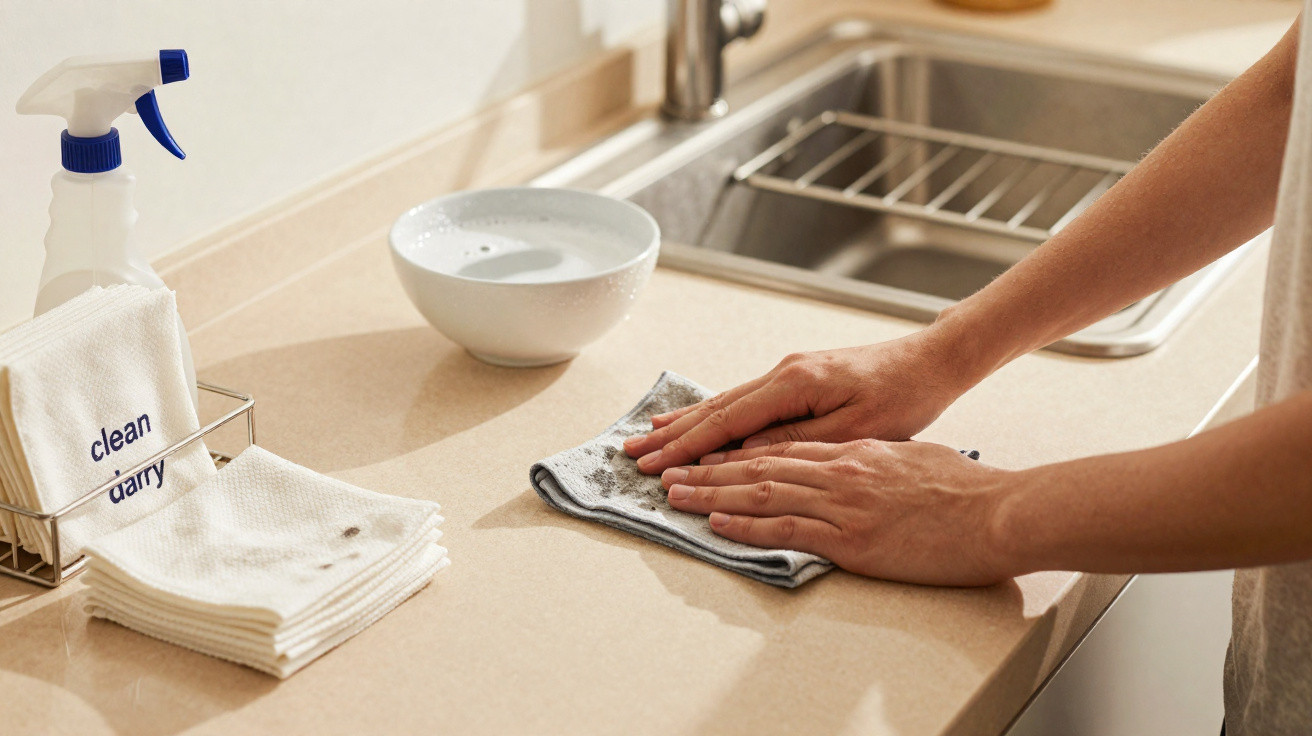
The most effective action is not dramatic at all: gentle pressure. Rather than rubbing, place a sheet of white kitchen roll or a clean cloth over the spill, press down, and let it absorb the liquid. Lift it away. Move to a clean section. Repeat. It is a simple action that keeps your mind calm.
The aim is to draw the liquid up into the kitchen roll, rather than forcing it down into the sofa. With thick spills, such as tomato sauce, first lift away the excess carefully using a spoon or the edge of a card, scraping towards the stain’s centre. Only then should you start blotting.
For coffee or fizzy drink on pale fabric, lukewarm water mixed with a few drops of washing-up liquid, used sparingly, can often work wonders. Do not soak the area. Moisten it lightly, blot it, and watch what happens. It is slow, almost meditative. That is precisely why it works.
Cleaning professionals often recommend working from the outside of a stain towards the centre. It may feel counter-intuitive, but it makes sense. You prevent the stain from spreading and keep it contained. By working in small, closing circles, you remain in control of its boundaries.
Let us be honest: nobody really does this every day, in the middle of the morning rush with a crying child and a cat wandering past. Yet this small change in instinct can make the difference between a “saved” sofa and one you later disguise with a strategically placed throw.
Another useful habit is to test any product on a hidden area first: a corner of a cover, an inner fold, or the back of a cushion. Some stain removers cause more harm than the stain itself, particularly on fragile fabrics or unstable colours. Avoid hot water on blood as well, as it effectively cooks it into the fibres, and avoid it on many protein-based stains.
A professional cleaner often sums up the golden rule like this:
“The priority is not to remove the stain at any cost; it is to avoid causing irreversible damage while you panic.”
It helps to keep a small emergency kit nearby, ready before the next drink is knocked over:
- A roll of white kitchen roll (coloured patterns can run).
- Two clean microfibre cloths reserved for stains.
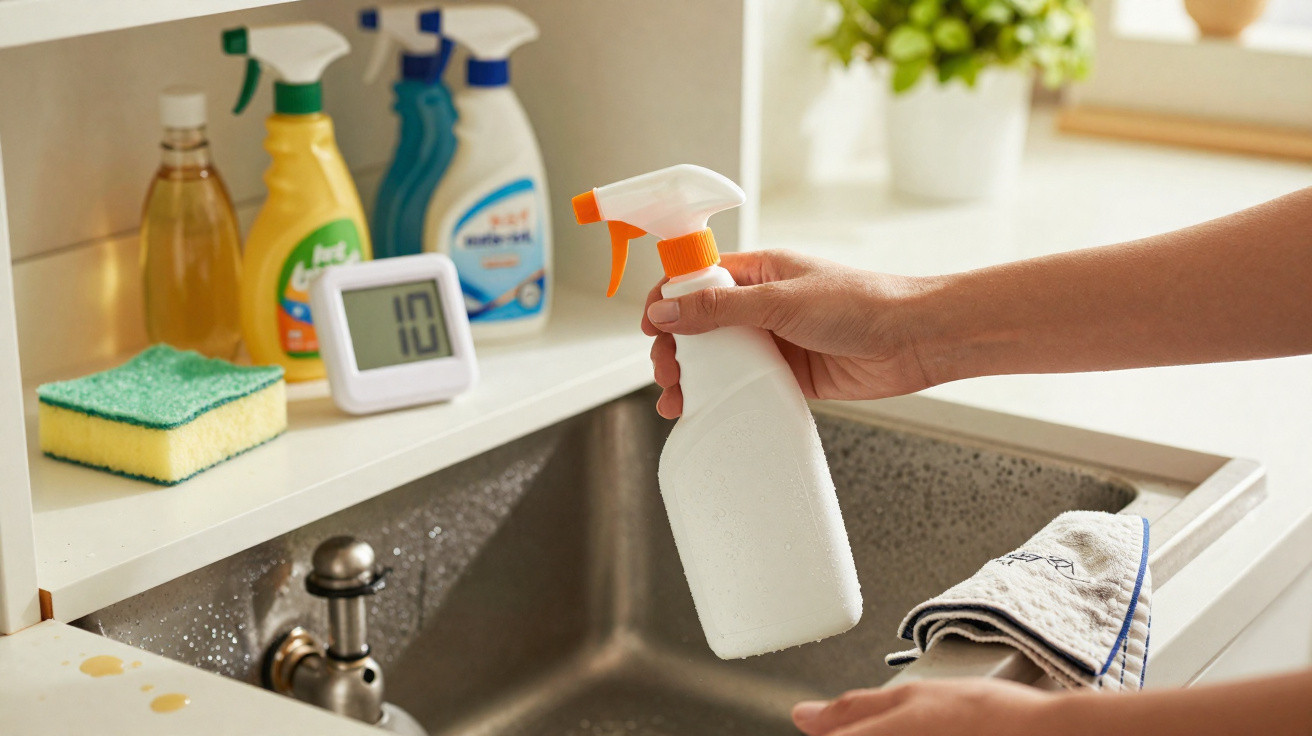
- A small pre-filled spray bottle containing water and a few drops of mild washing-up liquid.
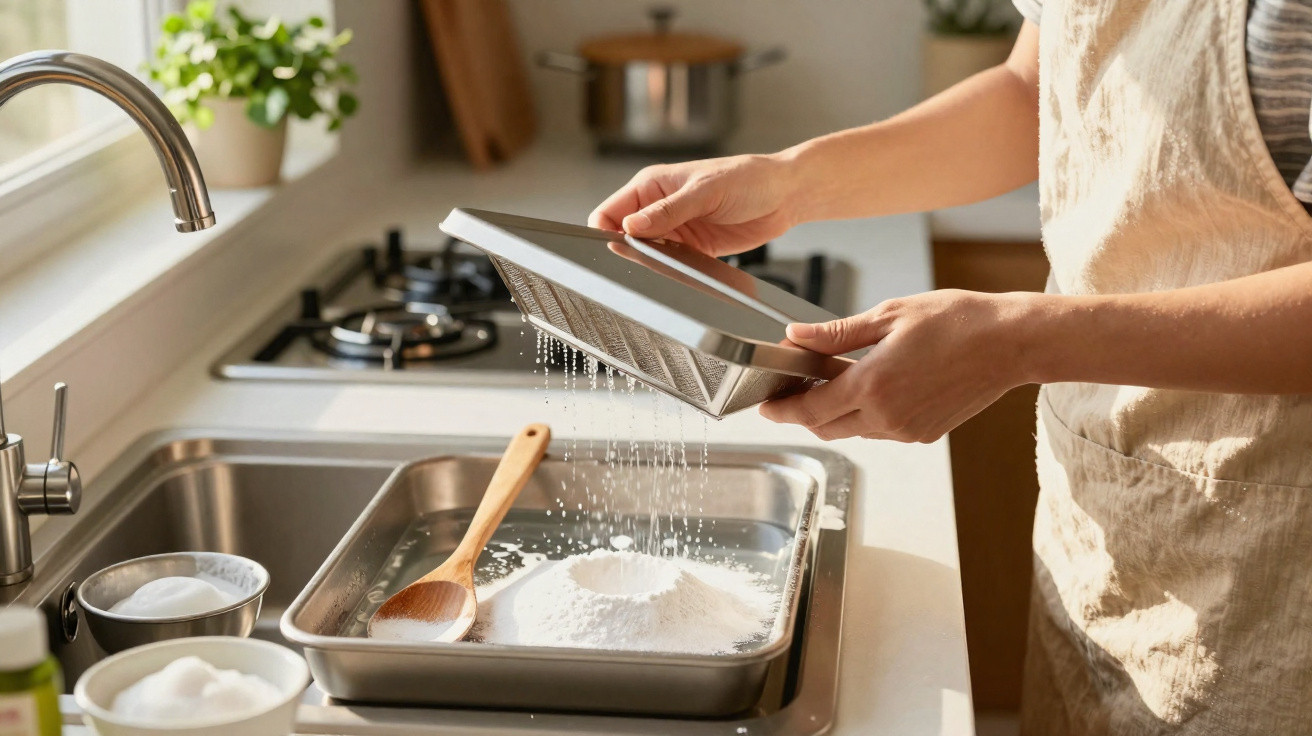
- A bowl of bicarbonate of soda for odours and organic liquids.
- An old rigid card for scraping without damaging the fabric.
This is not a stylish home-magazine collection; it is a genuine first-aid kit for your living room.
From panic to quiet control around stains
What changes everything is not only the technique, but also the mindset. You move away from the urge to fight - rub, attack, erase - and towards a calm kind of curiosity: what type of stain is it, what fabric is it on, and how long has it been there? Observe before acting. Ten seconds of thought can save twenty minutes of work.
That brief pause makes it possible to choose the right approach: absorb, dilute, neutralise, or simply do nothing for the moment and call a professional. Sometimes touching a stain only pushes it in further. With a wool suit or an expensive carpet, choosing not to intervene wildly is an action in itself.
There is also a more personal side to it. A stain is life spilling over: a shared coffee, a glass of wine, a lively meal. Marks on our fabrics say something about us. The urge to erase everything immediately also reflects our fear of flaws, of things not being “perfect”. You can learn to deal with a stain carefully without blaming yourself for every mishap.
Once you start seeing spills as small, manageable experiments, the home becomes less stressful. You know what to do and what not to do. You no longer reach for the sponge as if it were a weapon. You take out a sheet of kitchen roll, breathe, and act step by step.
It is a subtle but valuable everyday skill. It prevents rings on sofas, roughened carpets, and shirts bleached by over-enthusiastic cleaning. Above all, it prevents that moment when you regret having “tried to do the right thing”.
| Key point | Details | Why it matters to readers |
|---|---|---|
| Blot, don’t scrub | Use white kitchen roll or a clean cloth to press gently on the spill, drawing liquid upwards rather than pushing it sideways or deeper into the fibres. | This simple change in instinct often makes the difference between a small, manageable mark and a broad, permanent halo on your sofa or carpet. |
| Work from the outside in | Begin at the stain’s outer edge and work gradually towards the centre in small sections, instead of tackling the middle first. | Containing the stain stops it spreading, so you do not end up with a ring twice the size of the original spill. |
| Choose the right liquid | For most fresh food and drink stains, use cool or lukewarm water with a drop of mild washing-up liquid; avoid hot water on blood, dairy, or egg-based stains. | The right temperature and product prevent pigments or proteins from setting, meaning less damage and fewer costly professional cleaning visits. |
FAQ
Should I add salt or sparkling water on a red wine stain? Salt may absorb some of the wine, but it can also dry out and mark certain fabrics. Sparkling water is not a miracle solution; it mainly helps through the mechanical action of its bubbles. The most effective approach remains immediate blotting, followed by cold water and a little washing-up liquid, without rubbing.
Is it okay to use a scrubbing brush on carpets? A stiff brush damages fibres and can permanently flatten some carpets, especially deep-pile styles. If you really want to brush, choose a soft brush and use an extremely light touch, after first removing excess liquid by blotting. The aim is never to scour a carpet as though it were a frying pan.
How fast do I need to act on a fresh spill? The first few minutes matter greatly because the liquid has not yet had time to penetrate deeply. Responding within 2 to 5 minutes often allows you to remove most of the stain using only absorbent paper and a little water. Even later on, however, calm blotting is better than hurried rubbing.
Can I use the same method on clothes, sofas and carpets? The principle of blotting rather than rubbing applies everywhere, but the products used will vary. Jeans tolerate a little soap and hot water better than a linen sofa or wool carpet. For valuable or non-removable textiles, proceed more gently, use less water, and always test in a hidden spot.
When should I call a professional cleaner instead of trying myself? If the stain is highly pigmented, such as ink, dye, or concentrated wine, very large, or on fragile and costly fabric, it is best to stop after the initial blotting. When you feel you will need to scrub hard or use harsh products, that is often the sign that a professional will cause less damage - and genuinely save the item.

Comments
No comments yet. Be the first to comment!
Leave a Comment