
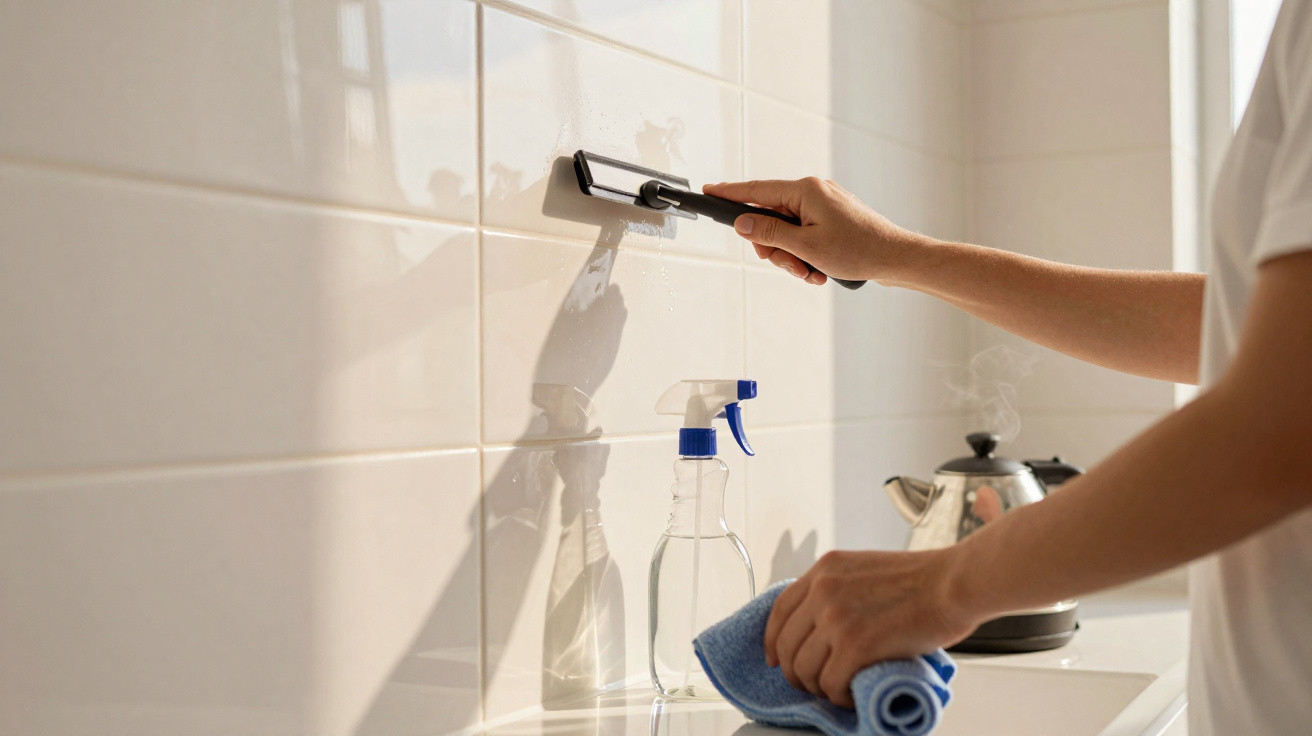
You scrub, you mop, you polish. The room fills with that “ocean breeze” fragrance - yet the tiles still show streaks. The fix usually isn’t elbow grease. It’s removing whatever’s being left behind as a film (and the smell that comes with it).
I ran into the person who had the solution on a Tuesday evening - that in-between time when offices empty out and hallways suddenly sound louder. She pushed a small trolley: no line-up of plastic bottles, just a kettle, a squeegee, and two cloths folded as neatly as a uniform. Steam curled up from a scuffed flask like a toy engine. She moved in quiet zigzags, and the floor didn’t merely dry - it shone, with no lingering scent at all. No lemon. No pine. Just clean. When she noticed me staring, she smiled and said, “It’s the water.” Then she showed me the method. A very simple one.
Why streaks happen (and how pros dodge them)
Tiles streak because residue stays on the surface, even when it seems minimal. Minerals in tap water dry down into near-invisible marks. Perfumed cleaners leave surfactants behind - and those catch the light. That dull haze you notice at midday isn’t “dirt returning”. It’s what your last clean deposited. The real secret isn’t a product; it’s the water.
I watched her do a single section in a city lobby that normally reeks of air freshener and coffee. She used a light mist, skimmed a microfibre cloth over the tiles, then went straight in with a dry, tight-weave cloth and a small window squeegee. No fuss. No fragrance. The security guard looked down and actually stepped back off the floor. It appeared wet, but it wasn’t. It simply looked the way tile should look.
Mineral build-up bends and scatters light; it makes glossy tiles look worn out and matt tiles look dusty. Scents and soapy residue add a thin layer that grabs footprints. Hot distilled water contains no minerals and loosens grease quickly, so it lifts grime, keeps it suspended, and then evaporates without leaving anything behind. The squeegee pulls off what’s been lifted before it can dry. The dry buff removes what’s microscopic before you ever see it. That’s the whole approach: lift it, then remove what remains.
The trick: hot distilled water, two-cloth dance, and a squeegee
Pour hot distilled water into a spray bottle - around 600 ml is more than enough for an average kitchen. Mist the tiles lightly, then slide a damp microfibre cloth across in overlapping “S” shapes. Straight after, follow with a dry glass cloth using the same pattern, or (for a wall) draw a small squeegee in clean, top-to-bottom strokes. For kitchen grease or shoe polish marks, add a tiny pinch of soda crystals to your bucket, then rinse using fresh hot distilled water. No scent. No coating.
Most people know the moment: the bathroom seems spotless, then sunlight hits and tells the truth. That’s why the second cloth is non-negotiable. Don’t soak the floor; a fine mist does the job. If you’re mopping, keep two buckets: one with hot distilled water for cleaning, and one with hot distilled water for rinsing the mop head. Realistically, nobody does that daily - once a week suits most homes, with a quick two-minute buff on busy areas in between.
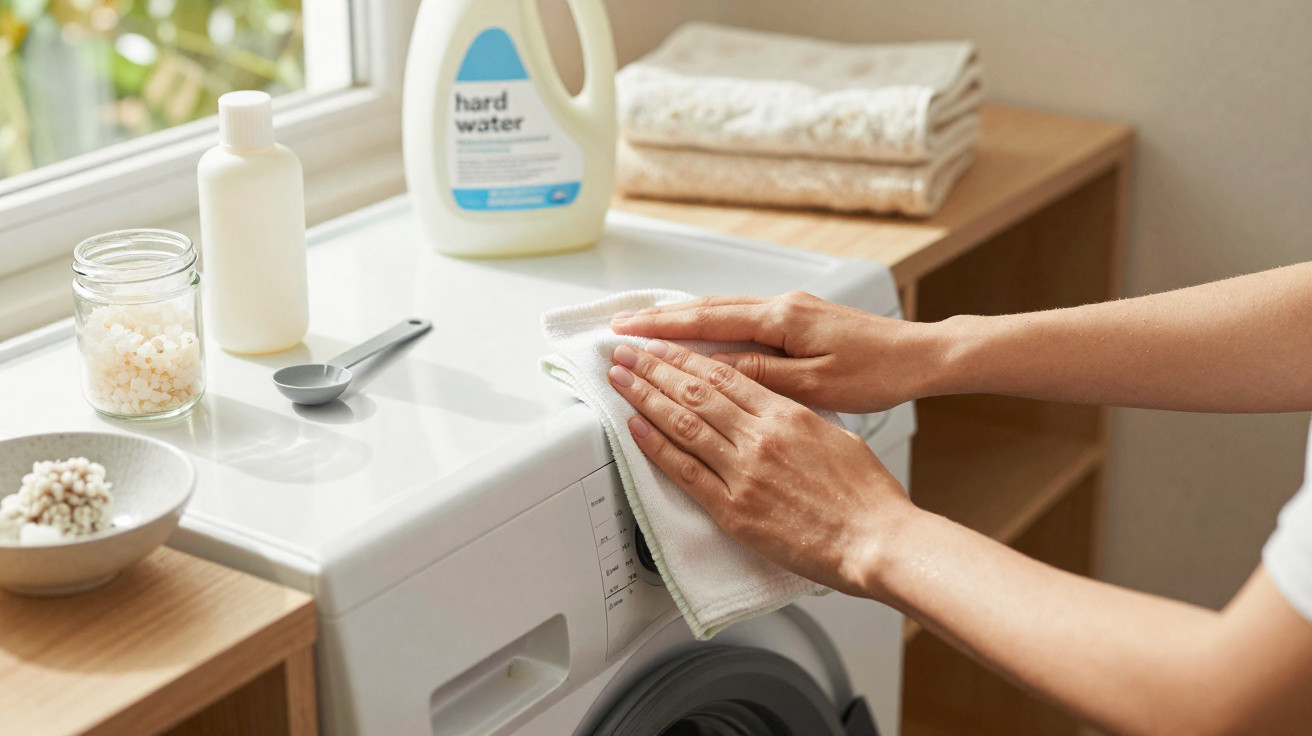
If streaks won’t shift, it’s almost always your cloths rather than the tile. Old towels drop lint. Microfibre that’s been washed with heavy detergent can hold onto softener residue. Wash cloths hot with only a spoon of soda crystals, and leave fabric conditioner out completely. If you want truly streak-free tiles, drying isn’t optional. Use the squeegee on walls and big glossy floors to cut drying time, then finish edges and corners with the glass cloth. Here’s what she told me, plus the short checklist I scribbled on a sticky note that now lives in the broom cupboard.
“Hot, clean water in. Dirty water out. Wipe, then dry. If you can smell it, you’ve left something behind.”
- Use distilled water for spraying and for rinsing. It’s the streak-killer.
- Stick to microfibre plus a glass cloth. No cotton. No kitchen roll.
- Add a tiny pinch of soda crystals for greasy kitchens; rinse afterwards.
- Clean in sections you can dry before they air-dry.
- Squeegee walls; buff floors. Leave corners until last.
What’s really going on under the shine
Streaking is an optics problem, not a moral failing. Tap-water minerals dry into microscopic ridges; surfactants in scented products form a film that bends light unevenly. Heat helps with lifting grime, but purity is what finishes the job. Distilled water flashes off cleanly, so you’re left with the surface you meant to reveal. It felt like watching a magic trick - just without the theatrics.
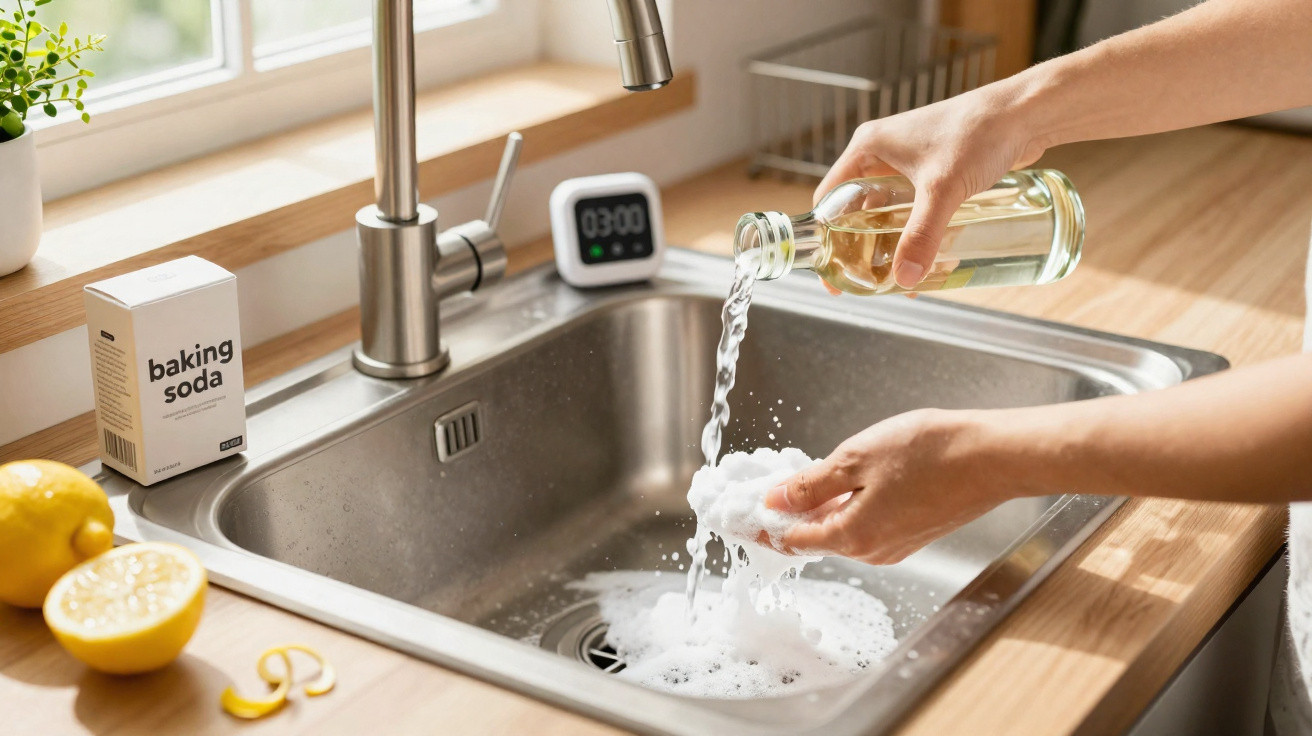
Glazed ceramic, porcelain, polished stone - the method isn’t particularly fussy; grout is the part that needs attention. Grout happily holds on to soap scum, so give it a quick scrub using a paste made from baking soda and a splash of hot distilled water, then rinse so the soda doesn’t dry in the joints. Buff the tile faces immediately. For matt tiles, use a lighter mist and rely more on the dry cloth. For glossy tiles, squeegee them like glass and enjoy the finish.
There’s also the quiet factor people rarely talk about: smell. “Fresh” isn’t a perfume - it’s the lack of one. Fragrances cling to porous grout and linger in poorly ventilated rooms, training your brain to equate clean with scented. Distilled water is the unsung hero of flawless tiles. No fragrance, no lingering bouquet, no next-morning headache. Just your own footsteps - and a surface that doesn’t betray you.
Make it a routine you’ll actually keep
Forget marathon cleaning sessions. Think in small loops. In the kitchen after dinner: a two-minute mist, wipe, and buff around the hob and sink area. In the bathroom after showers: run a squeegee down the tiles while the steam still helps, then do a 30-second buff where splashes land. When something spills, go straight in with hot distilled water and a cloth; oil and jam don’t need perfume, just lifting and drying. Small, repeated habits beat any bottle that makes promises. The brilliance of the cleaner’s trick isn’t mystical - it’s the relief of not smelling like anything at all.
| Key point | Detail | Benefit for the reader |
|---|---|---|
| Hot distilled water | No minerals, softens grease quickly, evaporates cleanly | Zero streaks without chemical odour |
| Two-cloth + squeegee | Damp microfibre lifts; dry glass cloth buffs; squeegee for walls | A professional finish in minutes |
| Residue control | No fabric conditioner on cloths, light mist, rinse greasy areas | Stops haze returning the next day |
FAQ:
- Can I use tap water if I heat it? Heat makes grease easier to break down, but the minerals in tap water still dry into streaks. Use distilled or deionised water for the spray and the final pass.
- Will this work on matt porcelain tiles? Yes. Use a lighter mist and avoid heavy pressure. Matt finishes respond best to a dry buff with a tight glass cloth straight after the damp wipe.
- What about natural stone like marble? Keep it to hot distilled water and microfibre only. No vinegar, no acids. For greasy marks, use a little soda crystals in the bucket, then rinse with fresh distilled water and dry.
- How do I handle dirty grout without smells? Mix a quick paste of baking soda and hot distilled water, scrub the lines, rinse the area, then buff the tiles. Do this monthly, not daily.
- Do I need special cloths? Use a good microfibre cloth for the damp pass and a smooth glass cloth for drying. Wash them hot with soda crystals and no fabric conditioner, so they lift dirt instead of smearing it.
Comments
No comments yet. Be the first to comment!
Leave a Comment