
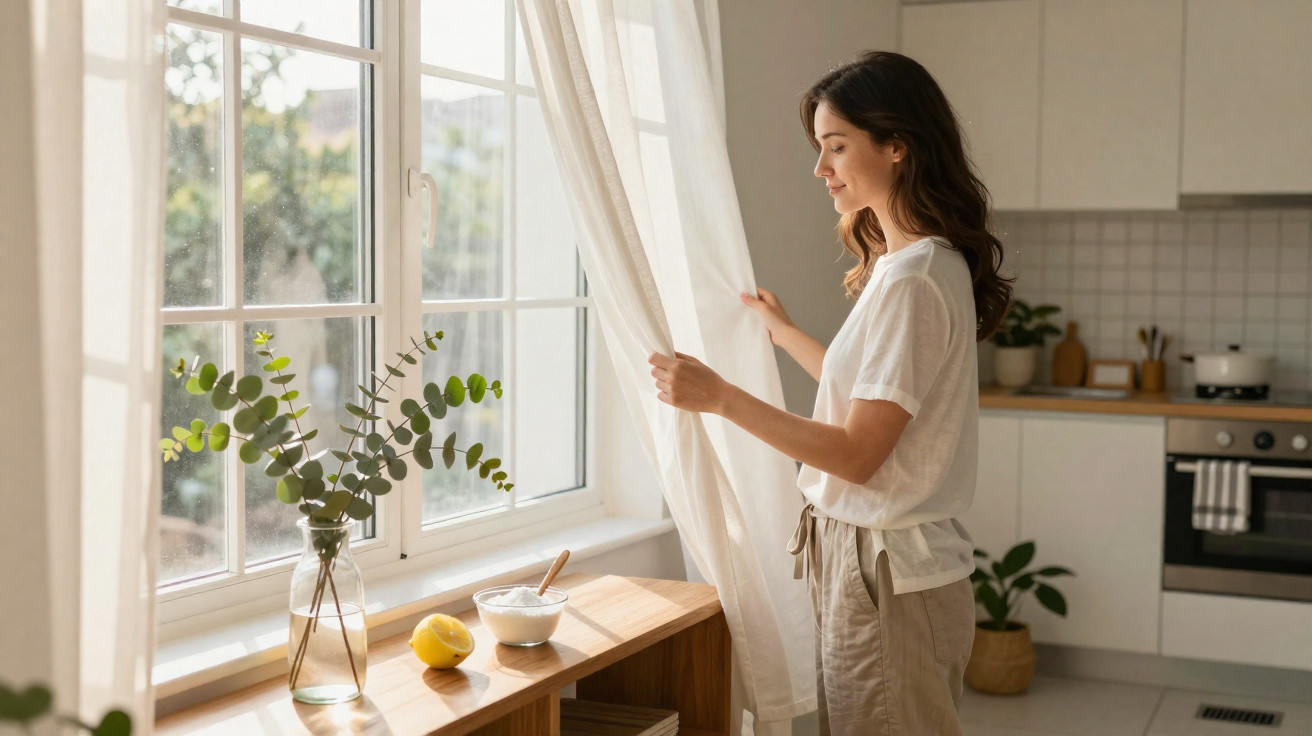
The first thing that caught your attention wasn’t the clutter on the table or the shoes left in the hallway.
It was the odour: a blend of yesterday’s supper, a damp umbrella, and washing that really should have been hung up an hour ago. Not awful-just… stale. The sort of smell that gives you away the moment someone knocks unexpectedly.
So you do the rapid-response routine: crack open a window, flap a cushion about, perhaps light a candle. For a short while, it improves. Then the air slips back into that vague “lived-in” feeling, and you find yourself wondering how other people’s homes always seem to smell like a boutique hotel or a Pinterest mood board.
Maybe the real trick isn’t in aerosol at all.
The truth hiding in the air at home
If you walk into a home first thing in the morning, the air often tells you what happened the night before. Curry and laughter. A slightly charred-toast episode. The dog returning from the park and joyfully grinding itself into the rug. Air holds on to evidence long after the surfaces look tidy.
Most of us tackle that with fast cover-ups: plug-in fresheners, perfumed sprays, strongly scented candles. It’s a pleasant illusion for an hour-like spraying fragrance over a sweaty T-shirt. Things smell “nicer”, but there’s a heavy, trying-too-hard layer underneath. The real question is whether you want to disguise the air or actually change it.
In one UK survey, nearly 70% of people said they reach for air fresheners mainly when guests are about to arrive. “Freshness” has turned into a performance: switched on for visitors, then forgotten the moment the door shuts. Yet a home that smells naturally good feels different. You don’t think “lovely perfume”; you simply breathe a little deeper without realising. That’s a feeling you can create with hardly any chemicals.
It helps to remember the simple mechanics. Smells don’t vanish; they settle into fabrics, cling to grease, linger in standing water, and get stuck in rooms that never get a breeze. Synthetic fresheners usually just add a new scent on top. Real freshness begins long before you strike a match or press a nozzle-it starts with what you allow to hang around, and what you help out of the house every day.
Small rituals that quietly change everything
The strongest “air freshener” you already own is the one you forget about: your windows. Ten minutes of cross-ventilation twice a day can shift more stale air than any premium diffuser. Open windows on opposite sides, or a window and a door, and let a gentle draught move through. Even when it’s cold, a short, brisk airing can reset the atmosphere indoors.
Your kitchen routine matters just as much. After greasy cooking, wipe the hob while it’s still slightly warm. Rinse plates rather than leaving them stacked with sauce. Take the bin out before it’s technically “full”. These small actions stop smells settling in at all. A clear sink, an emptied bin, and a quick gulp of outdoor air can feel like pressing “refresh” on the whole house.
Where it gets difficult is the space between good intentions and real life. Washing sits in the machine because you’re already running late. The bin stays put for another day because the rain is coming in sideways. The cat litter tray “can probably do one more day”. Let’s be honest: nobody truly does this perfectly every single day. And that’s exactly how smells accumulate-quietly, slowly, in the background-until your nose adapts while visitors absolutely do not.
That’s why simple, workable systems beat heroic cleaning weekends. One small wash load each evening instead of an enormous pile on Sunday. A reminder to empty the kitchen bin at the same time as your bedtime brew. Leaving the bathroom door open after a shower until the mirror is completely clear. The aim isn’t perfection; it’s stopping smells becoming “a thing” you have to battle.
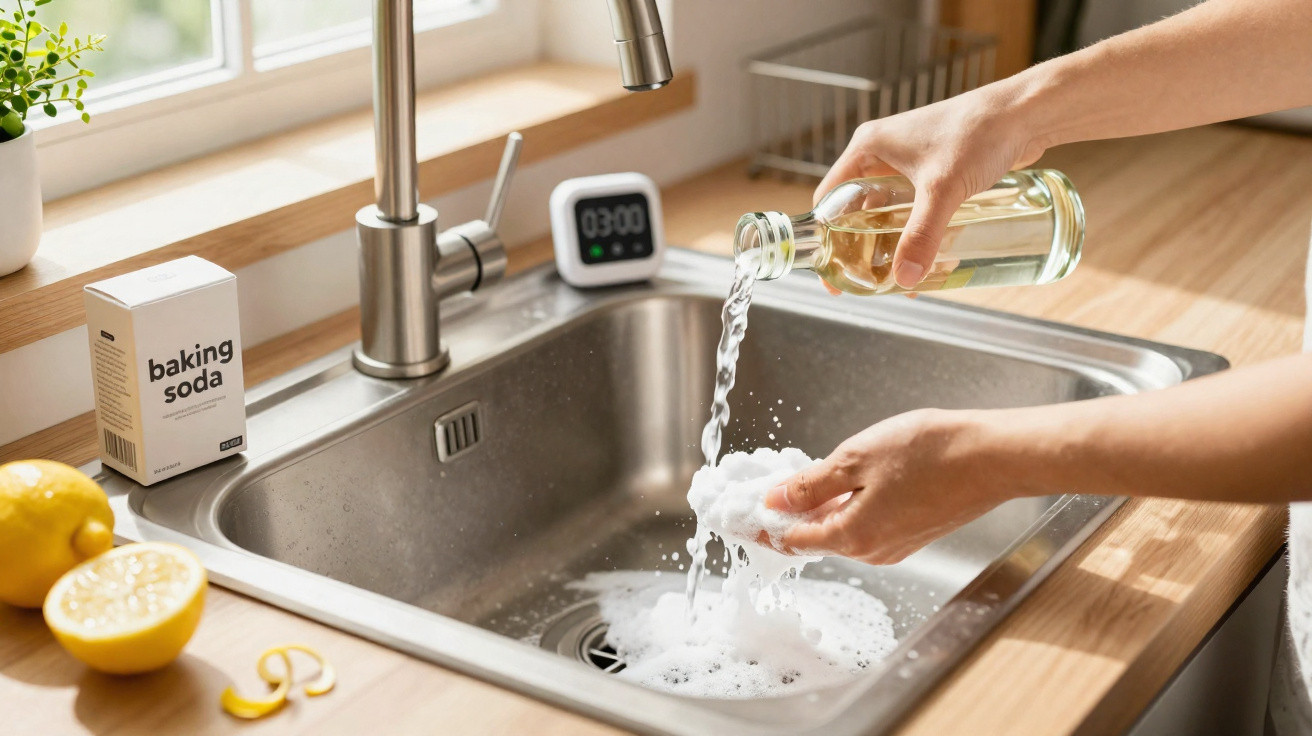
Once the basics are in hand, a few natural helpers can carry the rest. A small bowl of bicarbonate of soda tucked at the back of a cupboard quietly drinks up musty notes. A cup of white vinegar left out overnight in the kitchen traps food odours and is gone by morning. Fresh herbs on a sunny windowsill release a light, living scent whenever you brush past. Real freshness is often almost invisible-you notice it more by what isn’t there than by what is.
A fresh-smelling home that doesn’t try too hard
One of the quickest ways to shift the feel of a home is a simmer pot. Add a few lemon slices, an old apple core, cinnamon sticks, or leftover herb stems to a small saucepan, cover with water, and let it gently simmer for 20–30 minutes. The steam carries a soft fragrance through the rooms that no spray really imitates.
Another understated win is rotating fabrics. Wash cushion covers, throws, and pillowcases more frequently than you think you “need” to. If you can, dry them near an open window. Textiles act like scent sponges; refreshing them changes the whole character of a room. For a subtle result (not a shouty one), you can put a few drops of essential oil on a damp cloth and tumble it with clean washing.
Then there’s the low-tech value of houseplants. Spider plants, peace lilies, pothos, and Boston ferns won’t magically “purify” everything, but they do bring a gentle, green note to the air. Watered routinely, wiped now and then, and placed where they catch a sliver of daylight, they signal that the home is lived in and looked after. Coffee grounds in a small bowl near the bin. A jar of dried lavender in the bedroom. Over weeks, these small gestures add up to a home that feels softer around the edges.
Problems usually appear where good intentions meet hard reality. Overdoing essential oils is a common one: a diffuser running all day in a closed room can feel stifling, particularly for children and pets. Strongly scented candles in every room can make the house feel like a perfume counter rather than somewhere to breathe. Scent is personal-what reads as “fresh laundry” to you might smell like chemicals to someone else.
Another easy mistake is leaving fabrics slightly damp: towels bunched on the bed, bath mats that never fully dry, gym kit slumped at the bottom of a bag. That faint “wet dog meets old sponge” smell? Often, it’s this. Spread items out so they dry completely, or hang them near a window or radiator. On a busy day, an extra five minutes of drying can spare you a lingering pong. Be kind to yourself as you do it. Life is untidy, people are busy, and smells happen. The aim isn’t a show home-it’s a home that smells like you, on a good day.
“A fresh-smelling home isn’t about perfection. It’s about lots of small, consistent choices that let the air catch up with the life you’re living inside it.”
To keep it simple, it can help to think in three zones:
- Kitchen zone: handle the bin, sink, and hob so smells don’t sit overnight.
- Textile zone: rotate and fully dry anything that touches skin or water.
- Air zone: windows, doors, and plants create movement and lightness.
Once you start viewing your space through those three lenses, decisions get faster. You stop asking “what should I do?” and instead ask: is this the air, the fabrics, or the source? Small answers, repeated often, remove the need for dramatic “freshening” sessions later.
The kind of freshness people don’t forget
We’ve all experienced that moment of stepping into someone’s home and finding the air itself welcoming. Not in a “what fragrance is that?” way-more in a calm, quiet way. Cooking smells, clean laundry, and maybe a soft green note sit together like old friends, and your shoulders drop before you know why.
Creating that atmosphere isn’t only about removing unpleasant smells. It tells a story about what happens within your walls: you cook, but you don’t let last night’s onions dominate the week. You have pets, but they aren’t the first thing a visitor notices. You enjoy strong coffee, spicy food, or long baths without leaving them hanging in the air like an unfinished conversation.
Freshness becomes a side effect of how you move through the day: opening a window while the coffee brews; changing dishcloths regularly; letting air flow after showers; lighting one candle while you read in the evening, rather than five at once right before guests arrive. These habits quietly say, “Someone lives here, and they’re paying gentle attention.” People notice-even if they can’t explain what, exactly, they’ve noticed. They simply go home thinking their own space could breathe a little more.
| Key point | Detail | Why it helps the reader |
|---|---|---|
| Regular ventilation | 10 minutes of a through-draught morning and evening | Properly refreshes the air without chemicals |
| Clean, fully dry textiles | Cushions, towels, mats washed and dried thoroughly | Prevents dull, ingrained odours |
| Natural absorbers | Bicarbonate of soda, vinegar, coffee grounds, plants | Neutralises smells instead of masking them |
FAQs:
- How often should I air my home? Ideally twice a day for 5–10 minutes with a small draught, even in winter. Short and regular works better than leaving a window slightly open all day.
- What can I use instead of chemical air fresheners? Try bowls of bicarbonate of soda, a cup of vinegar left in the kitchen overnight, coffee grounds near bins, simmering citrus and spices, or a single unscented candle to help remove cooking smells.
- My home smells of pets. What genuinely works? Wash pet bedding weekly, brush your pet outdoors when possible, vacuum soft furnishings often, and use washable throws on sofas. A small HEPA air purifier can also help in the main living area.
- Can indoor plants really help with bad smells? They won’t erase strong odours, but they add a natural, green note and encourage you to open curtains and let light and air in, which indirectly improves freshness.
- How do I deal with a musty smell in one room? Dry it out first: open windows, run a fan, and check for hidden damp or leaks. Then wash or air textiles, set out a bowl of bicarbonate of soda or charcoal, and repeat daily airing until the smell fades.

Comments
No comments yet. Be the first to comment!
Leave a Comment