
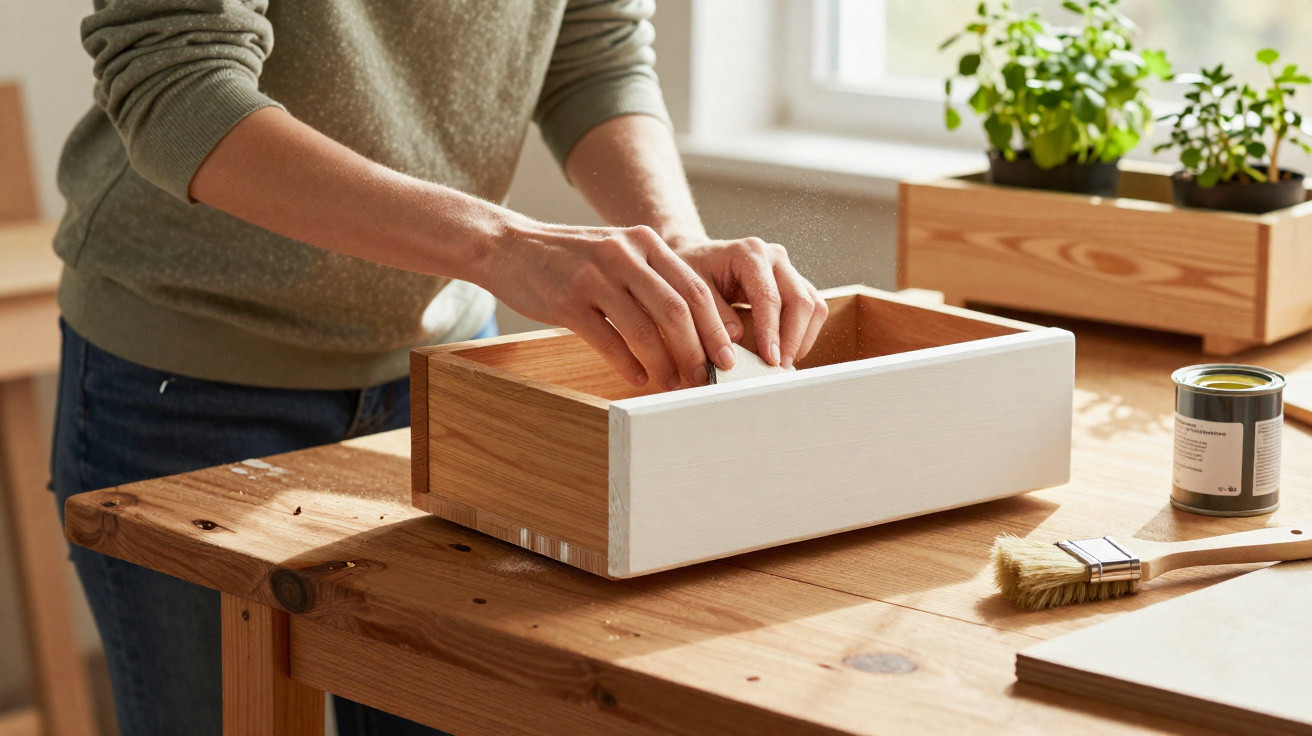
An old drawer left forgotten in a corner is often treated as nothing more than part of a broken piece of furniture. With a few straightforward tweaks, however, this kind of item can be given entirely new uses. Rather than throwing it away, many people choose to reuse drawers in decorative projects and storage organisers-cutting waste, improving household organisation, and creating made-to-measure solutions for different rooms.
How to assess and prepare an old drawer for reuse?
Before making any changes, start by checking the condition of the structure: solid sides, a base that is firmly fixed, and no signs of excessive damp are all key. Once you have assessed it, the drawer can be turned into a wall cubby, serving tray, planter, shelf, or even a side table-depending on its size, the material it is made from, and the weight it will need to hold.
To reuse the wood safely, surface preparation is a crucial step, as dust, flaking varnish, or loose nails can affect both durability and the final finish. With very old pieces, it is common to find peeling paint or small cracks, which calls for extra care and, in some cases, minor structural repairs.
- Initial cleaning: wipe away dust, cobwebs, and residue with a damp cloth and mild washing-up liquid.
- Hardware inspection: remove damaged runners, any protruding nails, and rusted screws.
- Sanding: use sandpaper in different grits to level the surface and get rid of splinters.
- Fixing defects: apply wood filler to holes and splits when needed.
What are the most common transformations for reused drawers?
With only a few tools, you can turn a drawer into practical solutions for different parts of the home without major renovation. The rectangular shape makes it easy to fit onto walls, into corners, onto worktops, or even beneath existing furniture-helping you create one-off pieces tailored to the space available.
Popular ideas include using it as a wall cubby, a document organiser, a decorative tray, or even a mini bar. There are also more inventive options, such as small houses for small pets or a bedside book support. In many projects, the inside is lined with wallpaper or self-adhesive fabric to create an appealing visual contrast.
How to protect the drawer wood indoors and outdoors?
If you plan to use a reused drawer in damp areas or outdoors, waterproofing becomes essential. Without protection, the wood may swell, warp, develop mould, and quickly lose strength-especially when used as a planter or in a hanging garden.
Common products include marine varnish, stain, a sealer combined with enamel paint, and acrylic or epoxy resins, chosen according to where the piece will be used and the look you want. In every case, follow the drying time stated by the manufacturer, apply more than one coat, and refresh the protection regularly-particularly on balconies and in outdoor areas.
What care should you take when using reused drawers day to day?
Regular use of reused drawers calls for a few simple habits to keep the structure and finish in good condition. Outdoors, it is best to install them under partial cover, keep them from direct contact with the ground, and use plant pots with saucers or internal liners in planters to reduce how much water reaches the wood.
Indoors, it is worth checking from time to time for cracks, signs of damp, or loose hardware, tightening screws and touching up the finish as required. With this small maintenance routine, the old drawer can last for a long time as a decorative, functional piece-showing how a seemingly useless item can become a creative and sustainable resource at home.


Comments
No comments yet. Be the first to comment!
Leave a Comment