
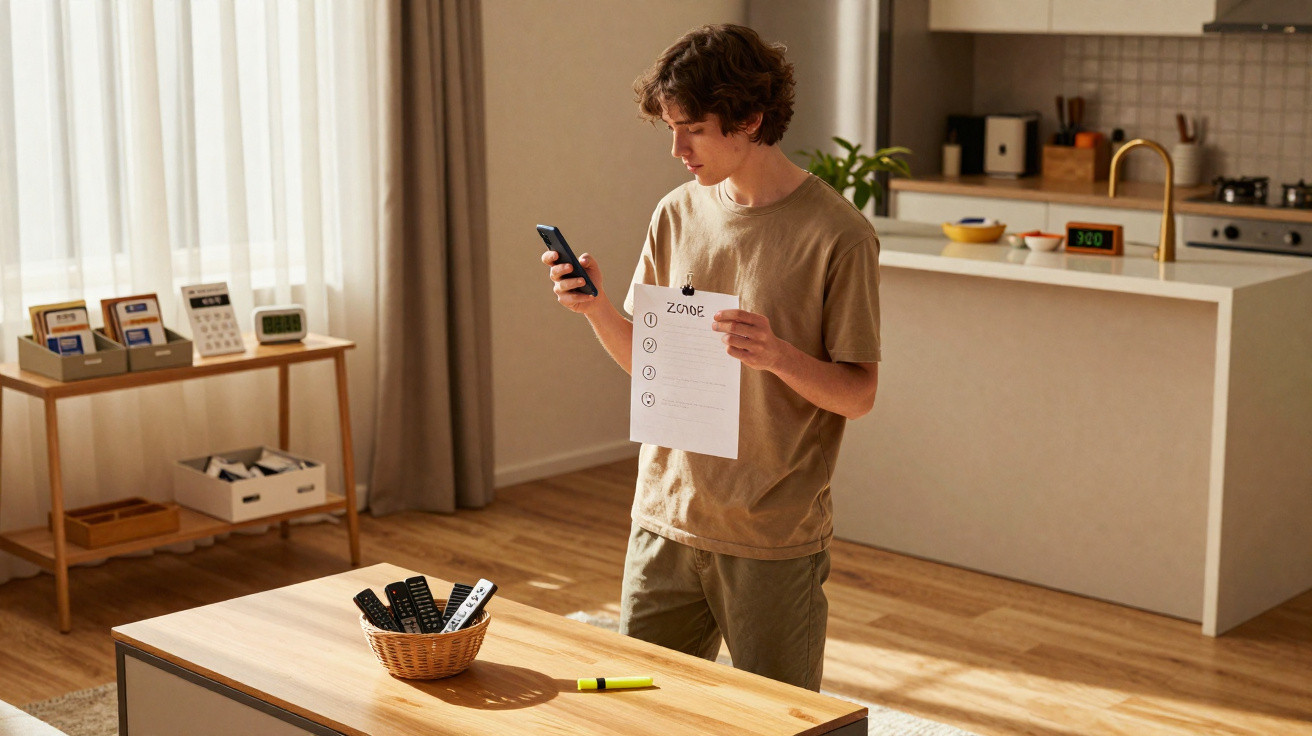
A fast-paced routine can turn looking after your home into a heavy burden when chores pile up day after day. By adopting the rule of splitting responsibilities into short blocks, you regain the balance you need to keep the house tidy without physical exhaustion.
How does the 30-3 rule work in daily planning?
Breaking up the time you spend on chores stops fatigue from eating into your rest at the end of the day. When your routine is arranged into three clear moments, you can keep things moving at home without disrupting your usual productivity.
With quick sessions done in the morning, afternoon and evening, small issues get sorted before they grow into bigger problems. This strategy lowers built-up stress and supports ongoing organisation around the house in a way that feels genuinely smooth.
How does the micro-cleaning technique help keep the house tidy?
This trend centres on a few minutes of action throughout the day to prevent clutter from building up… Read more
Why is using a timer essential in the process?
Setting a firm limit stops minor tidy-ups from turning into long, draining deep cleans. When the timer starts, it sharpens your attention on what matters most, preventing you from getting sidetracked by irrelevant details during the set work window.
Knowing the activity will finish in thirty minutes encourages both physical and mental pace to get everyday tasks done. This time boundary helps avoid burnout and keeps your focus high until you successfully reach the goal.
Below is a video from the Organize-se YouTube channel that explores the points discussed in this topic in more depth:
How do you prioritise tasks in different areas of the house?
Starting with the most demanding spaces means tiredness is less likely to undermine overall organisation. Tackling high-effort areas early in the day reduces procrastination and brings an immediate sense of relief and achievement.
Spreading small upkeep tasks across rooms you use daily prevents needless build-up of heavy dirt. Staying consistent about dealing with issues straight away protects hygiene and makes planning the family’s day-to-day routine much simpler.
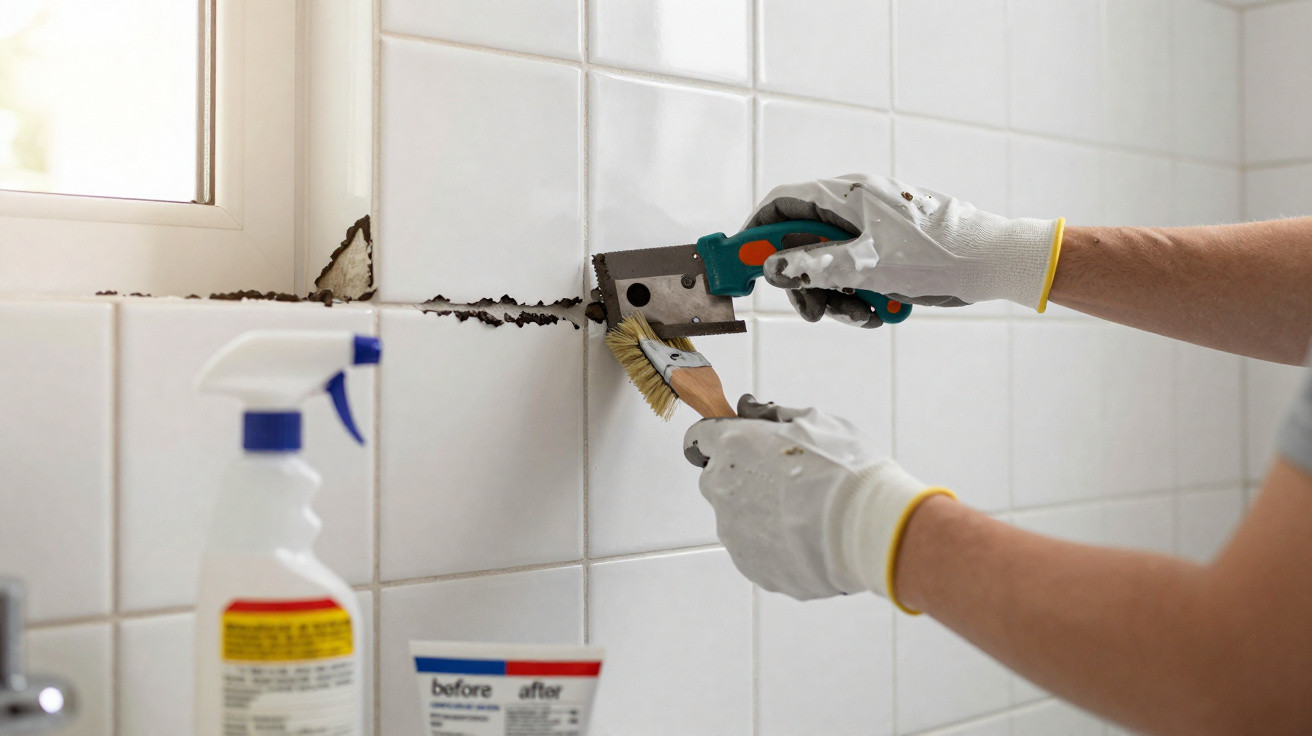
Essential kit to speed up cleaning
Key steps for the daily routine
Check out the three essential pillars for keeping your space organised without wasting time:
- Make the bed as soon as you get up;
- Pick up and fold clean clothes immediately;
- Clean sinks and surfaces straight after use.
Which micro-tasks deliver immediate results for organisation?
Making the bed right after you wake up changes how the bedroom looks and creates an instant sense of order. This simple morning action sets a productive mindset, encouraging ongoing care for the other areas of your home.
Dealing with clothes as soon as they come off the airer or out of the tumble dryer stops piles forming on chairs. Folding items quickly prevents “mountains” of laundry, keeping bedrooms organised with ease and everyday practicality.
Simple actions, repeated routinely, can transform how the house looks without demanding huge effort:
- Wash and put away dishes straight after meals;
- Wipe the bathroom counter after your morning routine;
- Put shoes and coats away as soon as you get home.
How do you stay consistent without overloading your routine?
The key to making this method work is committing to daily regularity at each stage. By spreading chores throughout the day, bigger obligations become straightforward tasks, and maintaining order turns into a light, natural habit.
When you remove the need to reserve weekends for heavy cleaning, you free up more time. That shift benefits the whole family, keeping the home welcoming and clean with real peace of mind and comfort for everyone.


Comments
No comments yet. Be the first to comment!
Leave a Comment