
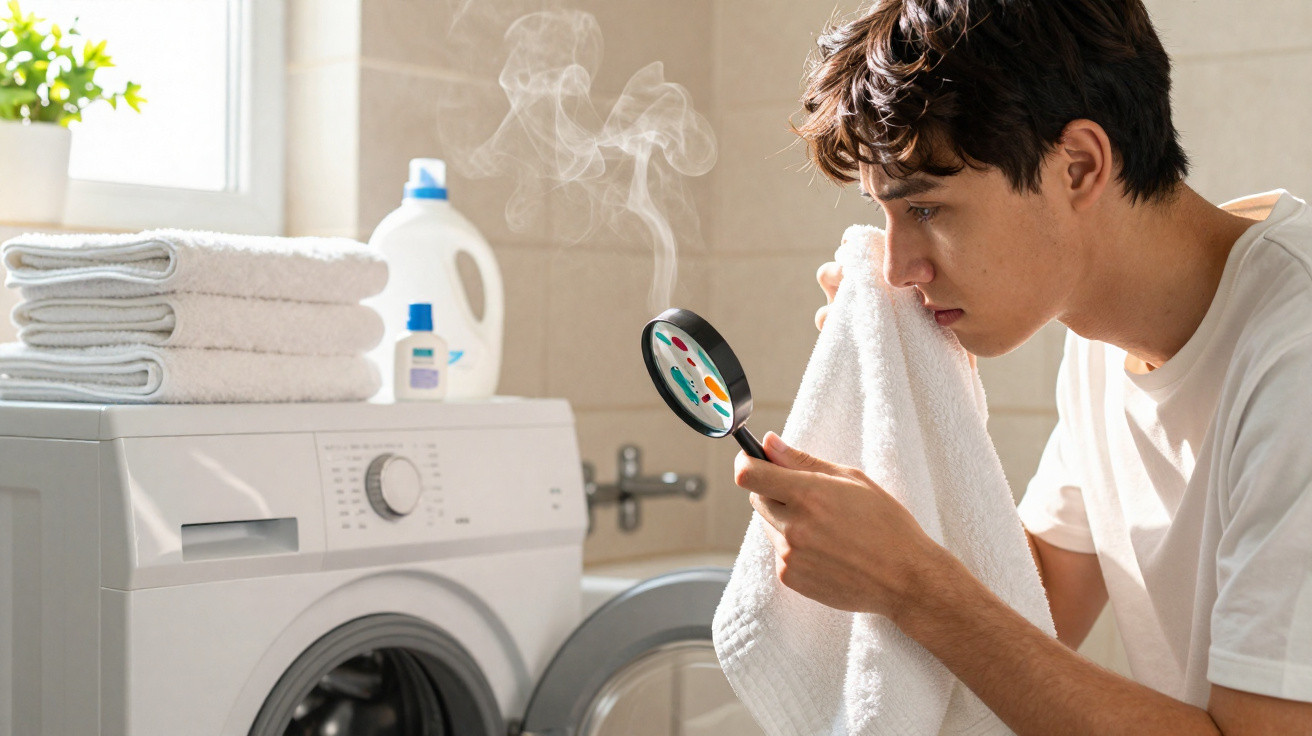
New data suggests the real issue starts much earlier than most people think.
In many bathrooms, things feel hygienic as long as there is no bad smell and nothing looks visibly dirty. Hand towels and bath towels often fall into that “seems fine” category: soft, recently washed, and apparently harmless. However, a Japanese study paints a very different picture-and pinpoints when an invisible reservoir of bacteria can become established in the fabric.
When a cosy towel turns into a bacterial nest
A research group led by microbiologist Kato monitored bath textiles in 26 Japanese households over a six-month period. Between October 2021 and March 2022, they examined hand towels and shower towels that were being used normally day to day. At set intervals, the team measured the microbial load within the fibres.
Their findings were straightforward: each use pushes the germ count higher. Skin bacteria, sweat, shed skin cells, and tiny traces of soap, cosmetics, and everyday grime accumulate layer by layer within the weave. The typical bathroom environment makes this easier: it is warm, damp, and often not ventilated particularly well.
The researchers also identified a clear tipping point. About eight weeks after first use, conditions change significantly. From then on, microorganisms begin forming so-called biofilms-complex communities that attach themselves firmly to the fibres.
"After about two months, a seemingly clean terry hand towel becomes a stable bacterial refuge that is difficult to remove."
164,000 bacteria per square centimetre-on an everyday towel
The measured figures were striking. After around two months of regular use, towels in the study reached contamination levels of up to 164,000 bacteria per square centimetre. While human skin naturally hosts many microorganisms, a towel offers particularly favourable growth conditions because it stays moist and collects nutrients.
What is more concerning than the raw quantity is the type of microbes detected. The study repeatedly references faecal coliforms-intestinal bacteria such as Escherichia coli. These can be transferred onto towels via inadequately washed hands and then spread further from there.
Related research has reported that, in some sample sets, up to 90% of analysed hand towels showed traces of faecal contamination. The areas most affected are typically the parts used to dry faces and hands.
Earlier measurements by environmental microbiologist Charles Gerba also illustrate how quickly counts can climb: after just three uses without washing, the number of germs rises sharply. In other words, using the same towel several days in a row can create ideal starting conditions for a small “bacteria farm”.
Biofilm: when bacteria build a shield inside the towel
The term biofilm may sound technical, but it describes something very tangible. Bacteria cluster on a surface, produce a slimy matrix, and use it as protection against external stress. Many people recognise this from dental plaque or build-up in a shower drain-and it can happen in older towels too.
"Once formed, the biofilm acts like armour: detergent and moderate wash temperatures can barely reach the bacteria."
According to the Japanese study, several factors contribute to this process:
- Persistent dampness: towels often do not fully dry between showers.
- Bathroom warmth: heating, hot showers, and limited air circulation speed up growth.
- Organic material: skin flakes, sweat, and soap residues provide nutrients.
- Shared use: when several people use the same towel, the variety of germs increases.
From around 60 days of use, the biofilm can become so robust that typical household washes at 40 °C often no longer reduce bacterial colonies to any meaningful extent. The researchers describe towels at this point as effectively “rebuilt”-the microbial ecosystem in the fabric has changed for the long term.
How often should you really wash towels?
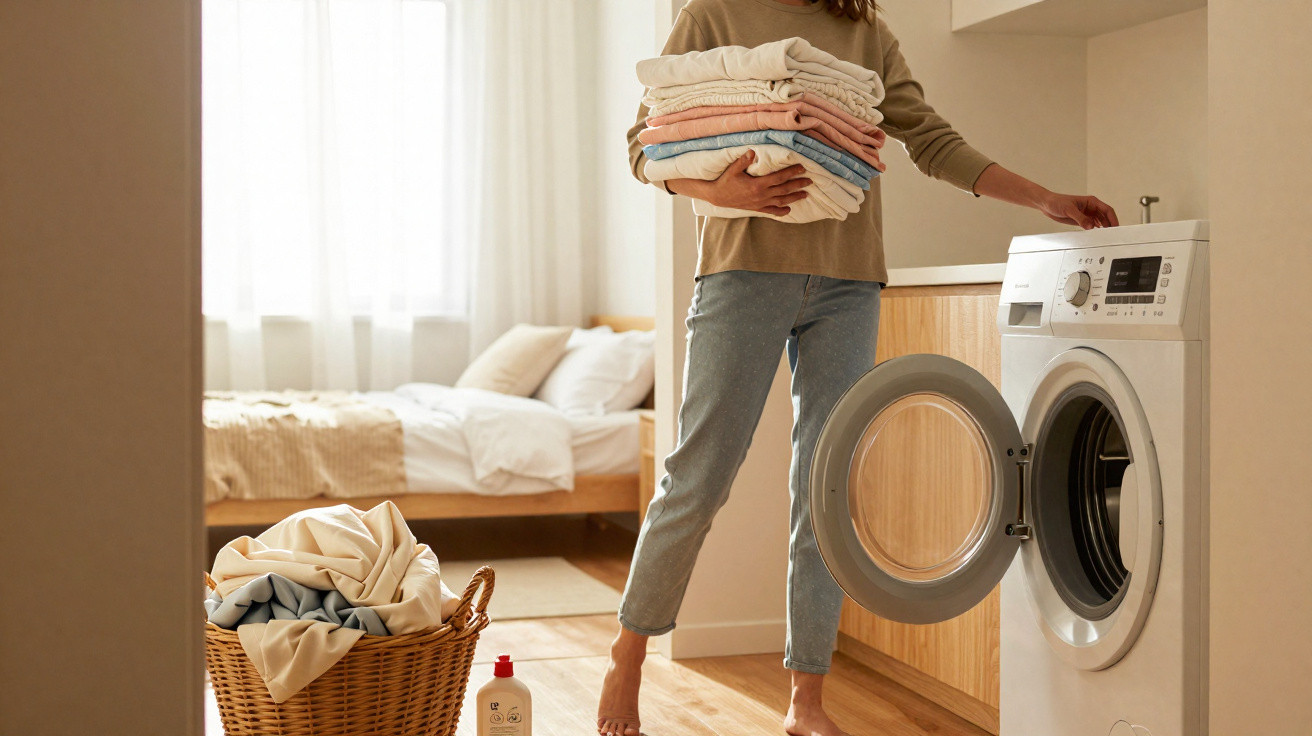
The observations lead to a fairly clear rule of thumb: ideally, hand towels and shower towels should be washed every two to three days. This keeps bacterial levels comparatively low and usually prevents a stable biofilm from establishing in the first place.
A wash at at least 60 °C is recommended, combined with a sufficiently long cycle and a biological detergent that includes bleach. Washing at 40 °C can still reduce germs, but it does not have the same impact on more resistant bacterial communities.
Drying is just as important. A towel that stays damp for hours-whether scrunched up on the floor or left in a way that doesn’t allow proper airflow-remains an ideal habitat for microbes.
How to care for your towels more hygienically
A few simple habits can substantially reduce the risk:
- After use, spread towels out fully rather than hanging them folded.
- Provide separate towels for each person in the household, especially for face and hands.
- Let textiles dry quickly in well-ventilated rooms or outdoors.
- Replace towels that look worn or have become rough after extended use, and at the latest when they still smell musty despite washing.
- If someone in the household is ill (stomach bug, cold), increase washing frequency noticeably.
When a new towel is the better option
The Japanese data suggests that once biofilms are established-typically by around 60 days of heavy use-they can be difficult to remove completely. So if a favourite towel has been in constant rotation for months and is only washed occasionally, it is likely carrying a well-developed reservoir of germs.
In practical terms, this does not mean throwing away every towel after two months. What matters is how intensively and how often it is used, how hot it is washed, and how quickly it dries. If a shower towel is used daily, only washed every ten days, and dried in a poorly ventilated bathroom, it is worth taking a critical look-and, when in doubt, replacing it.
"If a towel smells slightly musty even after a fresh wash, it usually signals that the biofilms sit deeper in the fabric than the washing machine can reach."
What is the difference between “good” and “bad” bacteria?
For many people, bacteria automatically sounds like danger, but most bacteria are harmless-or even helpful. Our skin hosts a complex microbiome that protects us and helps keep pathogens in check. In a towel, however, many different species mix together, including organisms that really have no business being there.
The study identified aquatic bacteria such as Aureimonas and *Brevundimonas*, which are more commonly found in water. In a damp bath towel, they appear to find ideal conditions and can gradually shift the microbial make-up of the fabric.
On top of that are germs from the wider environment: the bathroom itself, pets, and the human body. The more sources involved-and the longer the textile stays in use-the more varied and unpredictable the mixture becomes.
Concrete risks-and who should be especially careful
For healthy people with a robust immune system, contact with lightly contaminated towels usually has no noticeable consequences. Even so, the risk increases for:
- skin irritation and minor inflammation
- spots or worsening facial acne due to contaminated face towels
- transmission of diarrhoeal pathogens via contaminated hand towels or guest towels
Certain groups tend to be more sensitive:
- babies and young children with delicate skin
- people with eczema, atopic dermatitis, or open skin areas
- older adults and people with weakened immune systems
In these situations, it makes sense to apply much stricter towel hygiene: use dedicated towels and wash them more frequently.
Better hygiene with simple everyday tweaks
Small changes to your bathroom routine can reduce germ levels without much effort. An extra hook for a face towel, a second set of towels kept in the cupboard, and regular airing after showering can all help stop biofilms from gaining a stable foothold.
The most important shift is letting go of the habit of changing a towel only when it looks dirty. You cannot see bacteria, and you often only notice an odour once the problem is well advanced. The Japanese study offers a clear prompt-and a straightforward consequence: swap towels more often, wash hotter, and retire long-serving “everyday” towels in good time.

Comments
No comments yet. Be the first to comment!
Leave a Comment