
An expensive pair of glasses sits on your nose all day - yet it often gets treated like an everyday cleaning rag. A tissue, a sleeve, hot water: all of these feel convenient, but they can permanently damage the lenses. If you want to keep your prescription glasses or sunglasses clear and free from scratches for years, you need a few simple routines - and you need to stick to them.
Why cleaning the wrong way can permanently damage your glasses
Modern spectacle lenses are high-tech products, with anti-reflective coatings, blue-light filters, UV protection and hardened surfaces. These layers can be sensitive to heat, harsh chemicals and rough fibres. Once a coating is damaged, it usually cannot be restored.
"Most scratches don’t come from drops - they come from everyday cleaning done the wrong way."
What many people don’t realise is that the following “quick fixes” are among the most common causes of damage:
- Wiping with a paper tissue or kitchen roll
- Rubbing with a jumper, T-shirt or scarf
- Rinsing under very hot water
- Using glass cleaner, multi-surface cleaner or acetone
Many paper products contain tiny particles and fibres that behave like very fine sandpaper. Clothing can also carry dust, grit, cosmetics residue or detergent traces, all of which can create micro-scratches when you rub. Hot water can harm coatings, while household glass cleaners can chemically attack them.
These no-go methods apply not only to prescription spectacles, but equally to sunglasses and screen glasses with no prescription.
The safest foundation: water and a mild soap lather
Instead of pricey specialist products, a classic solution found in most homes is often enough: mild soap and cool water. Many opticians recommend this approach.
Step-by-step method
- Wash your hands thoroughly with soap and rinse well. Greasy fingers transfer grime straight on to the lenses.
- Hold the glasses under cold to lukewarm running water - never hot. This washes away dust and larger particles.
- Put a drop of mild, non-moisturising liquid soap on your fingertips and work it into a light lather.
- Gently rub the lenses and frame with your fingers - don’t forget the nose pads and the tips of the arms.
- Rinse everything carefully until no suds remain.
- Pat dry with a clean, soft cloth.
A small amount of mild washing-up liquid can also work, as long as it isn’t strongly perfumed or aggressive. A handy side effect: many users say this approach helps reduce fogging for a few days.
Microfibre: the most important tool for clear lenses
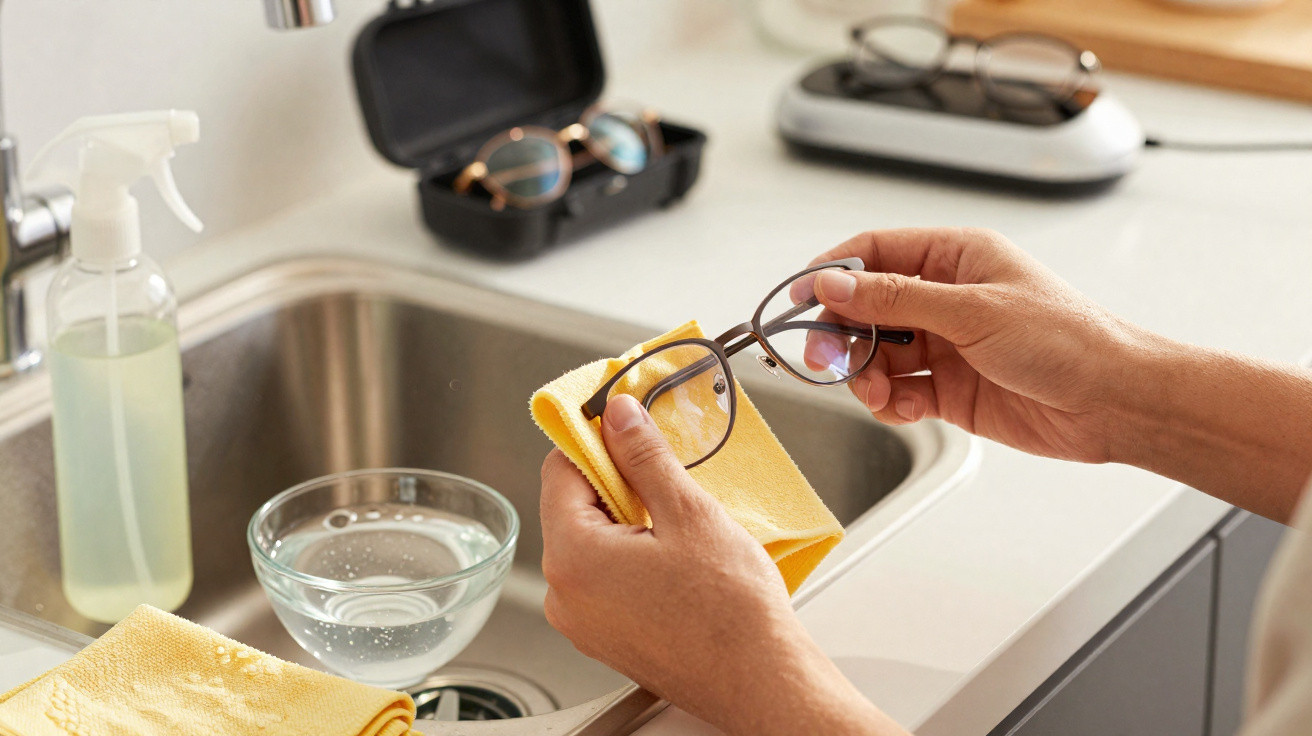
A decent microfibre cloth is effectively standard kit for any pair of glasses. Its very fine weave lifts grease and dust without scratching the surface. Many opticians include one when you buy a frame.
"Microfibre cloths clean gently, trap particles, and don’t just smear dirt around."
How to use a microfibre cloth correctly
For day-to-day use, a quick clean is often enough:
- If you can see dust, briefly rinse the glasses under running water.
- Use the microfibre cloth to dry the lenses with small, circular movements.
- Wipe the frame, nose pads and arms too - that’s where skin oils and sweat build up.
If there’s no water available, you can carefully wipe away fingerprints dry. However, if there’s visible dust on the surface, avoid rubbing: at the very least blow it off first, or ideally rinse quickly before you wipe.
The overlooked risk: dirty cleaning cloths
A common mistake is never washing the microfibre cloth - or washing it far too rarely. Over time, it traps exactly what you’re trying to remove from the lenses: grease, dust and grit.
As that builds up, the cloth can become mildly abrasive. Instead of cleaning, it can grind micro-scratches into the coating. The cleaning performance also drops noticeably, and smears are left behind.
How to look after your microfibre cloth
- Wash the cloth separately from heavily soiled laundry
- Do not use fabric softener - it clogs the fibres
- Choose a gentle cycle at a low temperature
- Replace it at least once a year; if you use it daily, sooner is sensible
It’s also worth checking any cloth kept in a glasses case: if it starts shedding lint, turns grey or feels stiff, it should be replaced.
For extra shine: cleaning with diluted white vinegar
Household vinegar diluted with water is a long-standing way to make glass surfaces shine without streaks. When properly diluted, it can also be suitable for spectacle lenses.
"Diluted vinegar cuts through grease, kills germs and makes lenses shine - without harsh chemicals."
How to mix and use the solution
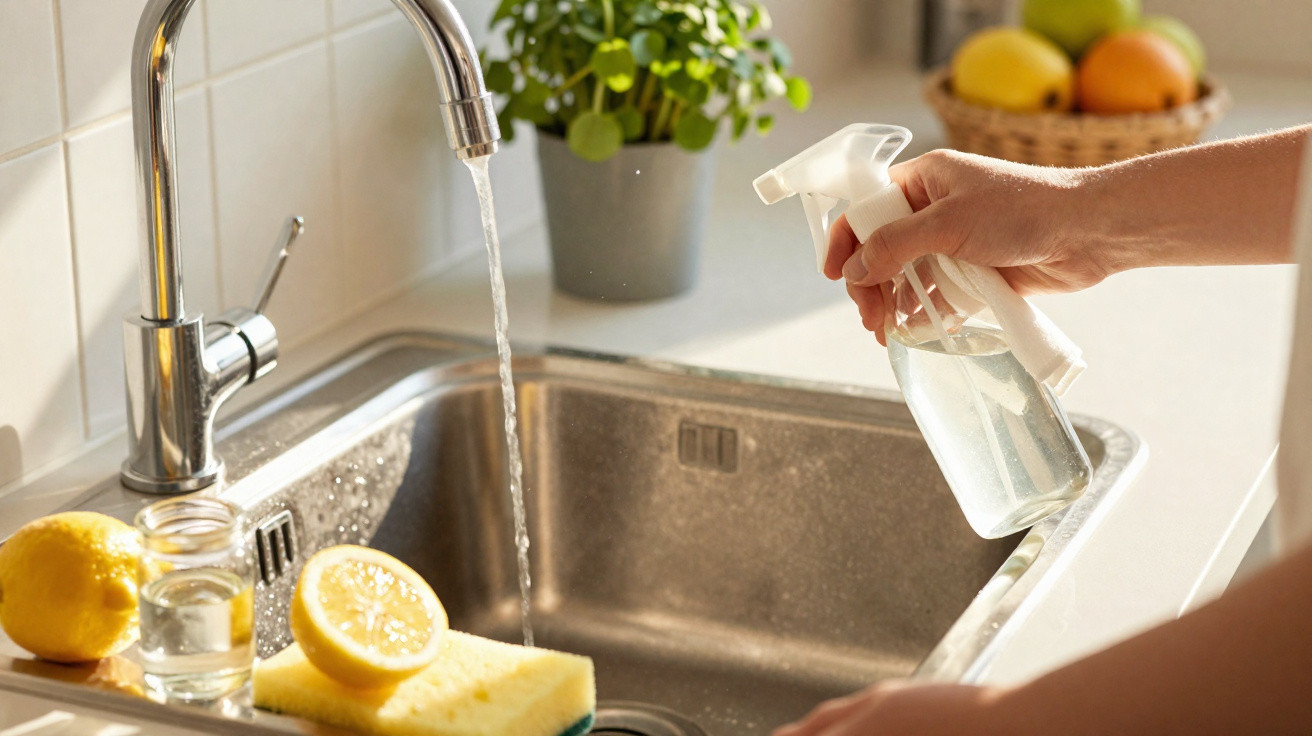
- Mix household vinegar and water in a 1:1 ratio.
- Pour the mixture into a small spray bottle.
- Apply one or two sprays to the lenses.
- Wipe with a clean microfibre cloth until the lenses are dry.
Alternatively, you can dampen the cloth directly with a little of the mixture. Rinsing with water afterwards usually isn’t necessary, as long as you use the vinegar-water mix sparingly and dry thoroughly.
Keep well away from window glass cleaner, all-purpose cleaners or acetone-based products: they can attack coatings, create dull patches and permanently reduce visual quality.
Ultrasonic cleaners: deep cleaning like at the optician
If you want to clean your glasses thoroughly on a regular basis, you may have noticed more people buying the same type of device opticians use: ultrasonic cleaners. These small tanks clean the glasses in a water bath using fine vibrations.
How ultrasonic cleaning works
Most units are a small metal bath with an insert basket. You add water, often with a small amount of mild cleaning solution. When switched on, ultrasonic vibrations create tiny bubbles in the water. These burst against the surface of the glasses and loosen even the finest dirt - including from hard-to-reach areas such as hinges or the inner side of nose pads.
- Cleaning time is usually well under a minute
- Suitable for glasses, jewellery and small metal parts
- No mechanical rubbing on the surface
After the ultrasonic bath, rinse the glasses briefly with clean water and dry with a clean cloth. Important: only use devices and cleaning agents that are explicitly approved for coated spectacle lenses.
Common everyday mistakes - and what to do instead
| Habit | Problem | Better option |
|---|---|---|
| Wiping lenses with a T-shirt | Dust and fibres scratch the surface | Use a microfibre cloth and rinse briefly |
| Holding glasses under very hot water | Coatings can lift, crack or peel | Use cool to lukewarm water |
| Using household glass cleaner | Harsh ingredients attack the layers | Use diluted household vinegar or a soap solution |
| Using the same cleaning cloth for years | Dirt in the cloth becomes abrasive | Wash the cloth regularly and replace it occasionally |
How often should you actually clean your glasses?
If you wear glasses for several hours a day, you should clean them daily - at least a basic clean. Fingerprints, skin oils and dust don’t just reduce clarity; over time they can also affect the frame, especially with metal models.
A realistic routine for many wearers looks like this:
- Quick clean with a microfibre cloth: as needed, often several times a day
- Thorough wash with water and soap: every one to two days
- Deep clean with an ultrasonic cleaner (if you have one): every few weeks
If you work in an office, spend time out and about with children, or do a lot of cooking, you’ll typically get more fingerprints and splashes on the lenses - and a slightly tighter routine can be worthwhile.
The risks of putting off glasses care
Dirty lenses don’t just look bad. If you’re constantly peering through smears and marks, your eyes work harder. Headaches, dry eyes and quicker fatigue can follow.
There’s also the cost: a high-quality pair of glasses with specialist lenses can easily cost several hundred pounds. If coatings are ruined by scratches, the usual fix is a full lens replacement - and that adds up quickly. Consistent, gentle cleaning can significantly extend their lifespan.
Practical add-on: how to carry your glasses properly
Good care also means handling your glasses correctly when you’re out. Tossing them loose into a handbag, rucksack or on a car seat dramatically increases the risk of scratches and bent arms.
- Use a sturdy case, ideally a hard shell
- In the case, place the glasses with the lenses facing up
- Never store them alongside keys, coins or tools
- In the car, don’t leave them unprotected on the dashboard - heat and UV light put stress on both frame and lenses
If you combine these habits with the five gentle cleaning methods, you’ll enjoy clear vision for much longer and avoid unnecessary replacements - without relying on expensive specialist products.



Comments
No comments yet. Be the first to comment!
Leave a Comment