
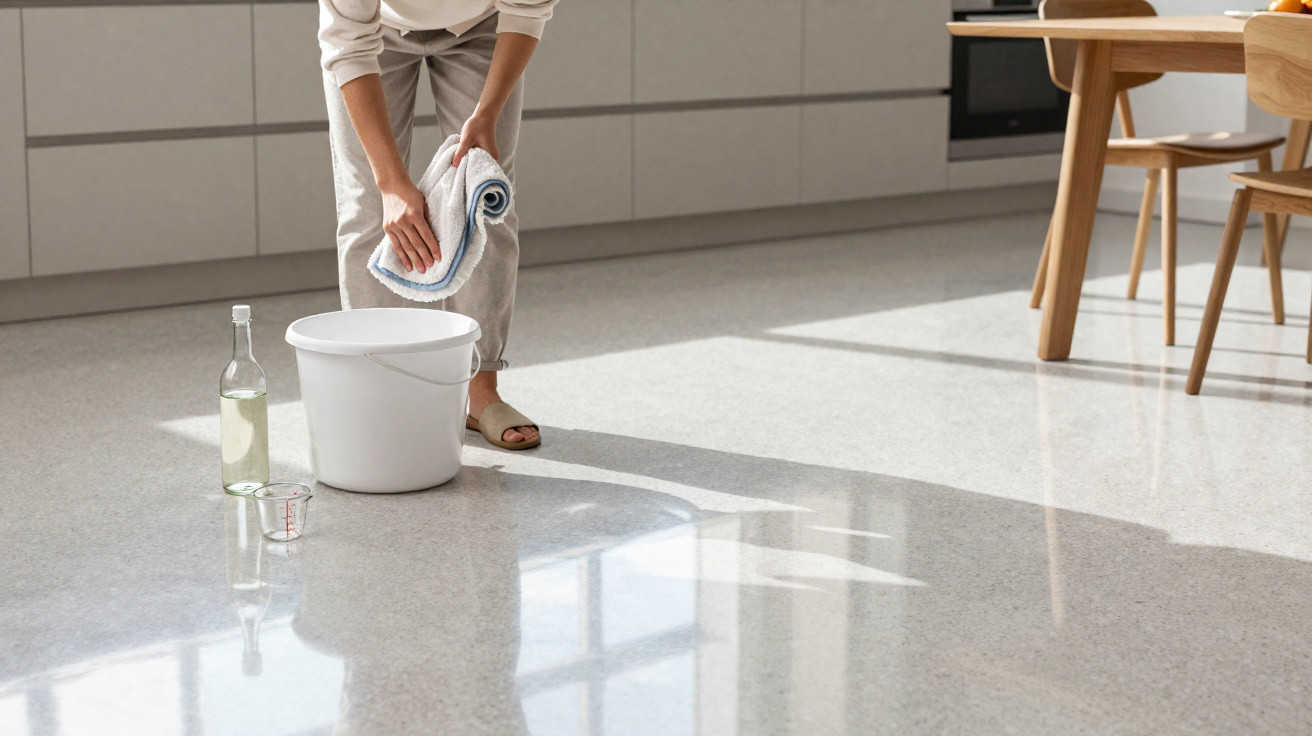
Porcelain stoneware tiles in living rooms and kitchens are seen as tough and easy to look after. Yet in day-to-day use, a dull haze often lingers, and streaks show up in the light - even straight after mopping. That’s why many people reach for lemon juice, home-made cleaning mixes or harsh chemicals, and end up making the issue worse without realising it. Professionals, by contrast, rely on a simple cupboard staple that cleans thoroughly, lightly disinfects and brings the floor back to a shine.
Why porcelain stoneware starts to look dull so quickly
Porcelain stoneware and traditional stone floors are hard, dense materials and, on paper, ideal for high-traffic areas. Even so, tiles can lose their sheen over time. The most common reasons are:
- Detergent residue that sits on the surface like a film
- Using too much cleaner or too much of a “home remedy”
- Combining different acids and powders
- Using the wrong cloths, which leave smears behind
In many homes, the first instinct is lemon juice or abrasive powders. It can feel “natural” and harmless at first glance. Used repeatedly, however, these mixtures can wear at the glaze on porcelain stoneware. The shine effectively gets polished away, while a dull veil remains.
"The more you experiment and mix, the greater the risk of a permanently dull floor."
There’s another catch: DIY recipes often leave a milky or sticky layer. That layer attracts dust and makes the floor look dirty again - even though it has just been mopped.
The underestimated pro product: using white vinegar correctly
Cleaning specialists often recommend an unglamorous option from the kitchen cupboard for porcelain stoneware: clear vinegar, ideally colourless. When properly diluted, it cuts through grease, lifts soap build-up and has a mild disinfecting effect, without roughening the glaze.
The best dilution for damp mopping
For a thorough yet gentle clean, you only need a straightforward mix:
- 1 part clear vinegar
- 3 parts hand-warm water
Put this into a bucket used only for floors. If you have very sensitive grout lines or natural stone right next to the tiled area, simply reduce the vinegar slightly.
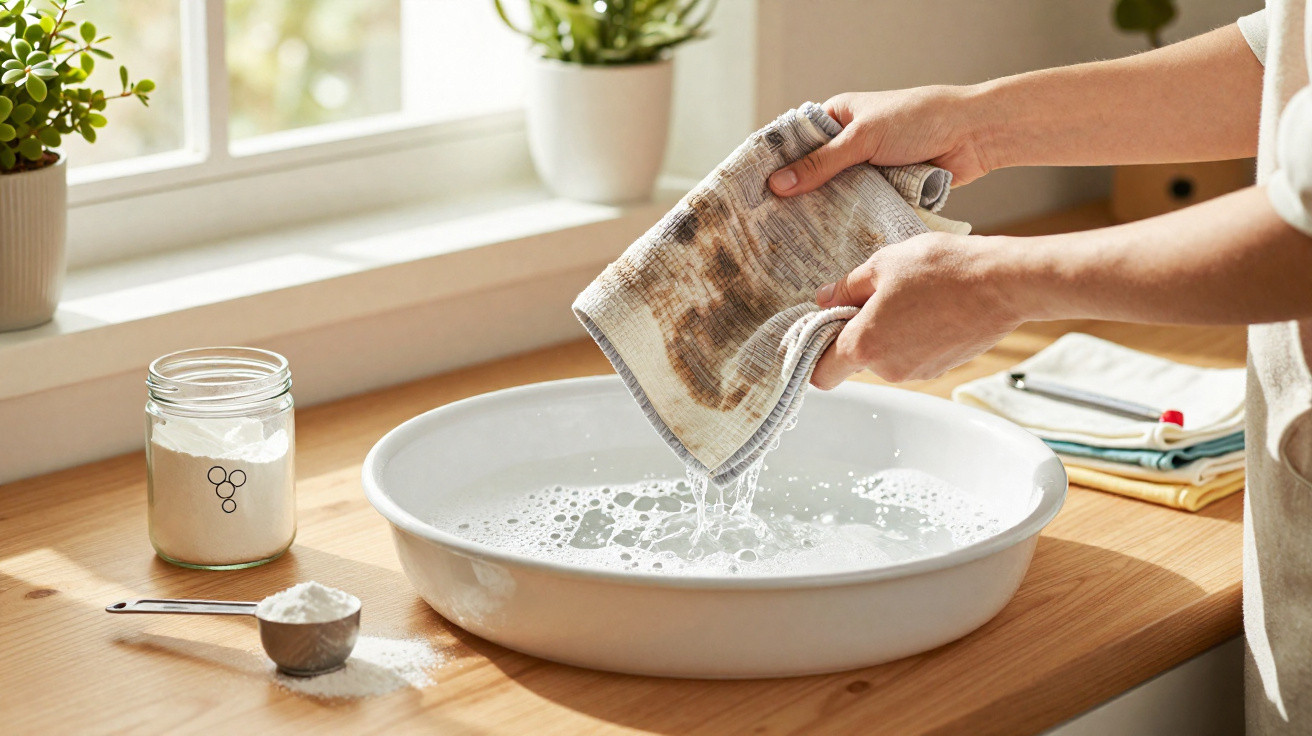
What matters just as much is the mop head: choose microfibre. It picks up dirt and excess moisture far more effectively than a traditional cotton mop. Wring it out well so the floor is left with a damp layer - not pools of water.
"Vinegar, in the right dilution, dissolves grease and detergent residue without etching the tiles."
The extra step that delivers real shine
Many people stop after the first pass and then wonder why streaks remain. Professionals add two quick steps:
- Mop once more using clean, plain water to remove any remaining acidity.
- Dry the floor by hand with a dry cloth or dry microfibre.
That final step is what makes the visible difference. Water marks disappear, the tiles look evenly glossy, and the floor can be walked on again within minutes - without smears.
Everyday care: keeping porcelain stoneware looking good long-term
For routine maintenance, a low dose of a neutral floor cleaner is usually enough. In other words: avoid heavily perfumed all-purpose sprays, strongly alkaline products, and any “experiments” such as toilet or oven cleaners on the floor.
A practical everyday approach:
- Hand-warm water
- A small splash of neutral floor cleaner, following the manufacturer’s instructions
- A well-wrung microfibre mop
Here too, it pays to do a quick manual dry on the most noticeable areas - for example by the patio doors or along a bank of windows. Where light hits at an angle, even tiny traces of residue can look like big marks.
Treat stains precisely rather than across the whole floor
When a mark won’t shift, professionals recommend tackling it locally rather than dosing the entire bucket with stronger products.
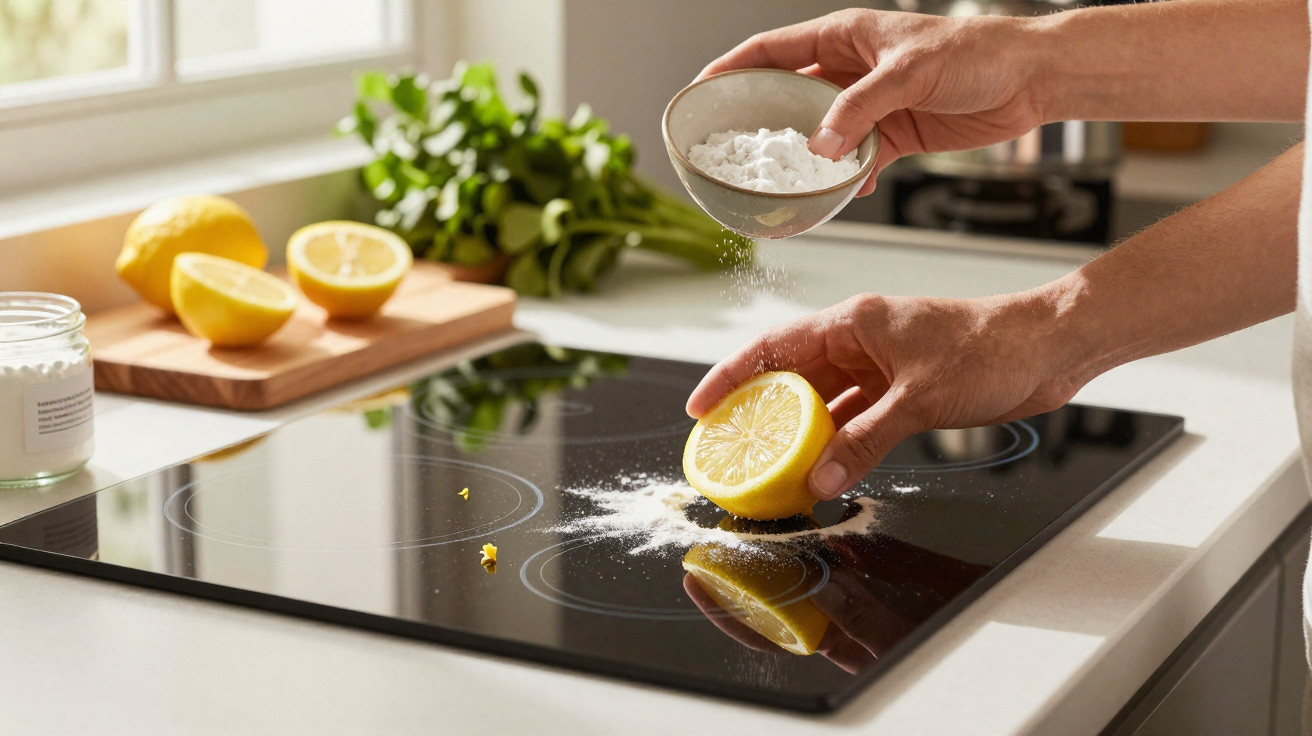
- Grease stains: Sprinkle a small amount of a mildly abrasive powder directly onto the spot, work it gently in circular motions with a soft brush, then rinse thoroughly with water.
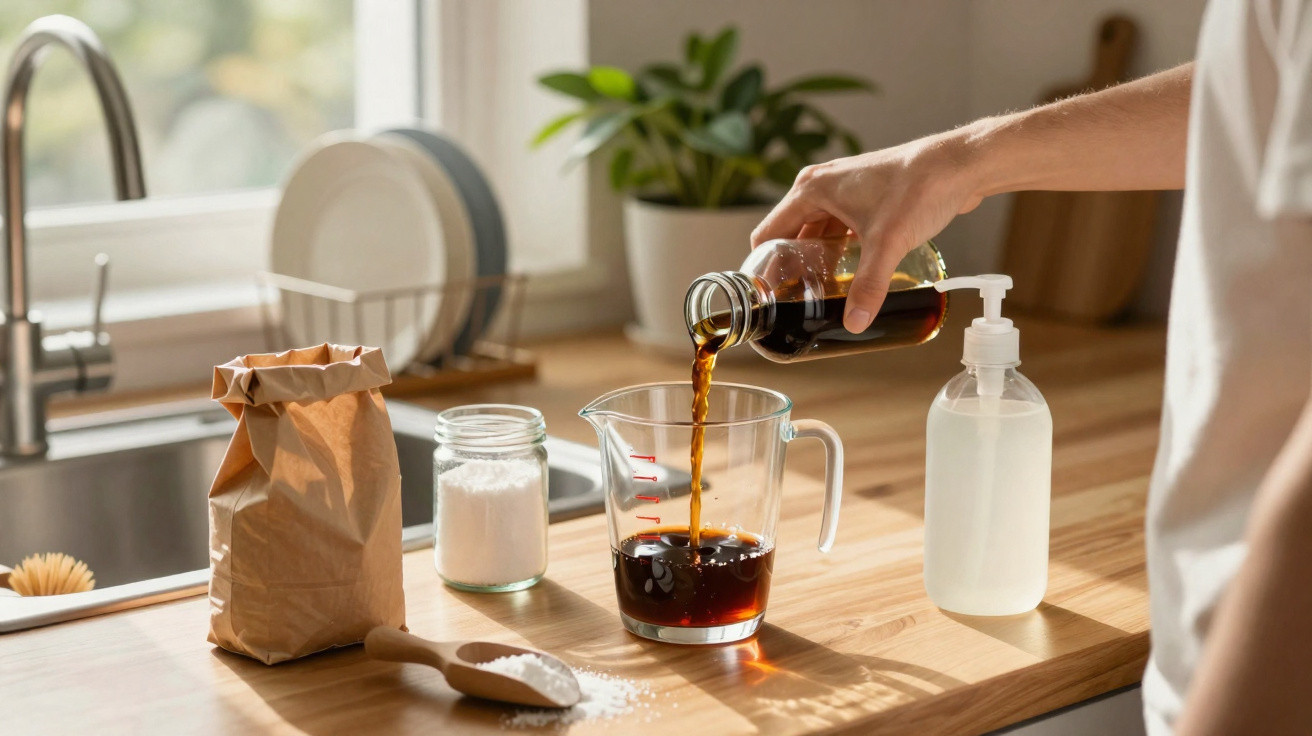
- Rust marks: Mix a paste using clear vinegar and a little powder, apply only to the stain, leave for around 15 minutes, then remove with water - without scrubbing hard.
The key is to keep these “special measures” confined to the affected area, avoid spreading them across the room, and always follow up by wiping with clean water.
What damages the floor over time
Porcelain stoneware can seem almost indestructible. Even so, the finish can be ruined for good if the wrong products are used. In particular, watch out for:
- Strongly acidic cleaners in high concentrations
- Abrasive powders used continuously
- Chlorine cleaners and aggressive bathroom products used on the floor
- Regularly overdosing standard cleaners
Over time, the surface becomes increasingly rough. Dirt clings more easily, the floor looks grubby sooner and becomes harder to clean - a vicious circle of “more cleaning, less shine”.
"If you want your floor to last, stick to gentle products, clear dosing and consistent drying."
Prevention: less dirt on the floor, less cleaning effort
A lot of work disappears if grit and moisture don’t reach the tiles in the first place. The most effective measures include:
- A coarse doormat outside the front door for stones and sand
- A soft mat in the hallway to absorb moisture
- Felt pads under chair and table legs to prevent scratch marks
If you have children, pets or frequent garden visitors, it also helps to set a firm “shoe zone” where outdoor shoes are left. Less sand means far fewer micro-scratches and fewer rounds of mopping.
If you want the floor to look a bit more special
If you’d like to give porcelain stoneware a visual boost from time to time, you can work with extremely thin layers of natural care products. Professionals often use:
- A tiny hint of high-quality oil
- Or a very lightly applied beeswax product
Apply sparingly to a soft cloth and buff thoroughly in small sections. Any excess must be removed completely, otherwise you’ll end up with slippery patches and uneven marks. This approach is better reserved for special occasions or small zones, rather than an entire kitchen floor in everyday use.
Why microfibre and water often do half the job
It’s easy to underestimate how much the right mop head - and plain water - can achieve. Microfibre works mechanically: it traps dirt particles in its structure instead of simply pushing them around. With clear, warm water, you can already remove much of the dust, light marks and everyday grime.
Cleaners, vinegar and specialist products then become support tools rather than the main act. Once you take that on board, you not only protect your stoneware floor, but also save money and reduce household chemicals. The shine a well-maintained porcelain stoneware floor develops looks more natural and lasts longer - without expensive polishing products.


Comments
No comments yet. Be the first to comment!
Leave a Comment