
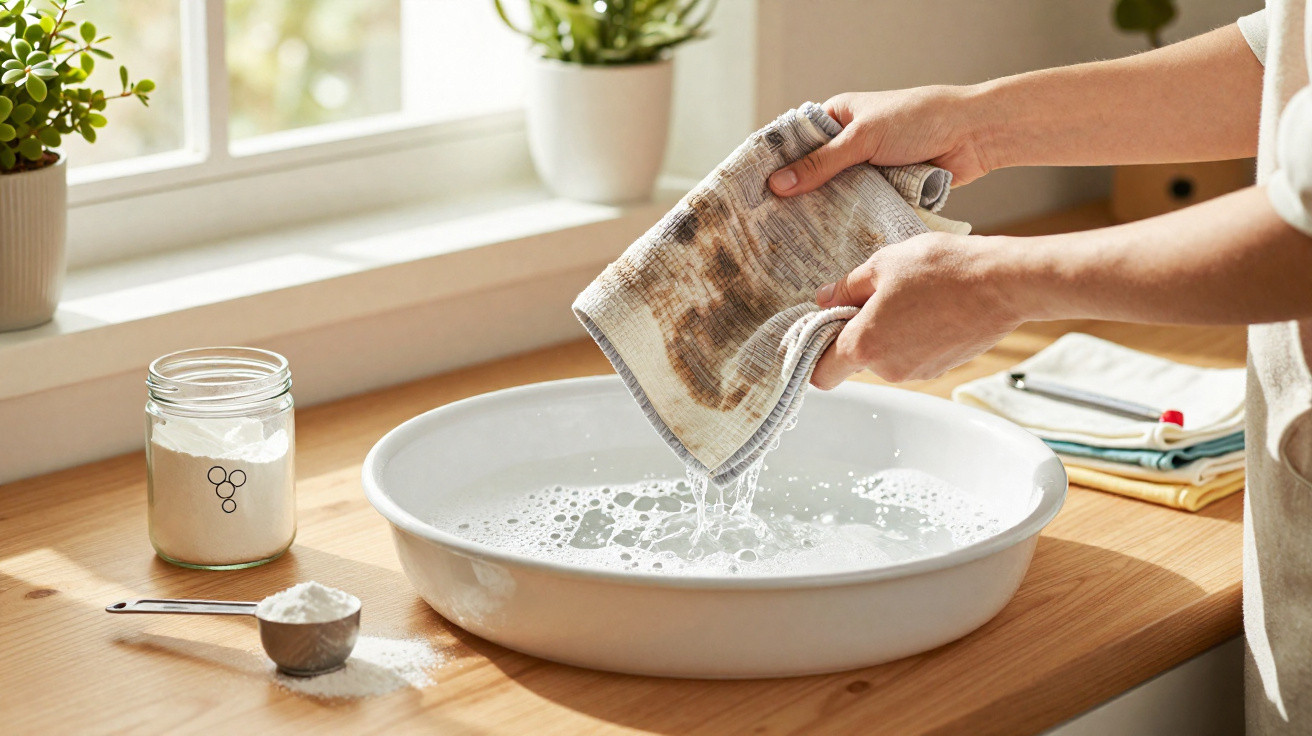
A modest-looking powder from your grandmother’s era can bring them back to like-new condition.
Grease, tomato sauce, coffee, red wine: every cooking session leaves its mark on our kitchen towels. Even after a hot wash, they eventually look dull, grey and slightly greasy to the touch. Pricey specialist detergents or chlorine-based cleaners often only partly fix the issue - or they roughen and weaken the fibres. Yet a long-established product from the laundry cupboard is quietly returning and delivering surprisingly good everyday results.
The return of an old laundry classic
The helper in question is sodium percarbonate, usually shortened to percarbonate. Many people mix it up with bicarbonate of soda or washing soda, but chemically it is something else. It comes as a white, granular powder and works like a solid form of hydrogen peroxide.
"When percarbonate comes into contact with hot water, it releases active oxygen - and that is exactly what pulls stubborn discolouration and odours out of the fibres."
Unlike chlorine bleach, percarbonate is far gentler on textile fibres. It does not cause the familiar long-term “chlorine yellowing”, and after the wash it leaves only three harmless components behind: water, oxygen and sodium carbonate - essentially washing soda.
For kitchen laundry in particular, that brings several benefits at once:
- powerful stain removal for coffee, tea, wine, grease and tomato sauce
- brightening for greyed cotton and linen towels
- odour-neutralising action for musty cloths and tea towels
- no chlorine fumes and less aggressive household chemistry
Many users say that older kitchen linen they had already written off looks visibly lighter and fresher again after treatment - without turning thin or brittle.
How the oxygen power works in a washing-up bucket
For percarbonate to work at full strength, temperature is crucial. In cool water the powder remains largely inactive, which is why some people are disappointed.
Why 40 to 60 degrees makes all the difference
Only from around 40 degrees does it start breaking down into hydrogen peroxide and oxygen. It becomes properly effective at roughly 60 degrees - a range that cotton tea towels usually tolerate well.
The active oxygen splits the coloured molecules that create stains - such as tannins from coffee or red wine, tomato pigments, or residues of cooking fat. These organic substances oxidise and can then be rinsed and washed out of the fabric much more easily.
"Hot water plus active oxygen work like a mini chemistry lab in the laundry basket - just with much milder residues than chlorine bleach."
At the same time, the process has a hygiene benefit: bacteria that particularly like to build up in constantly damp kitchen cloths are greatly reduced. That lowers the risk of wiping germs straight from the worktop onto your dishes.
The “miracle bath” trick for hopelessly grey kitchen towels
The most noticeable results appear when dirty or greyed towels are soaked in a hot percarbonate bath before the usual machine wash. It takes a bit of time, but can save you replacing textiles as often.
Step-by-step instructions for the whitening soak
You only need a few basic items to revive tired towels:
- a heat-resistant bowl, bucket or a sink
- very hot water (at least 40 degrees, ideally around 60 degrees)
- 1–2 tablespoons of percarbonate per litre of water
- a wooden or plastic spoon for stirring
This is the approach many households use:
- Fill the container with very hot water.
- Sprinkle in the powder and stir well until all the granules have dissolved.
- Put tea towels and dishcloths fully into the bath, ensuring no dry corners stick out.
- Leave to soak for 2 to 6 hours depending on how dirty they are; in extreme cases, leave overnight.
- Then wring out briefly and wash in the machine as usual.
With every extra degree of temperature and every additional hour of soaking, the brightening effect becomes stronger - as long as the textiles can handle the heat. After washing, many people report that marks such as coffee rings or old tomato-splatter shadows have completely disappeared.
"Many users describe the moment when grey, slightly unpleasant towels come out of the machine looking newly bought again as "washing magic"."
Where the limits are - and when percarbonate is off-limits
As useful as it is, this product is not suitable for every household fabric. Throwing everything into a hot oxygen bath without thinking can cause damage.
A warning for wool, silk and delicate colours
Percarbonate has a strongly alkaline, oxidising effect. Protein fibres such as wool, silk or cashmere react sensitively. They can felt, become stiff or, in the worst case, tear. For these materials, specialist detergents and gentle hand-washing remain the better choice.
Coloured textiles also require caution. Well-dyed, colourfast cotton often copes without problems. With unstable or very dark dyes, however, colours can fade.
- Never use on wool or silk
- For coloured cotton, test first on an inconspicuous area
- Only use on textiles that can tolerate temperatures around 60 degrees
If you are unsure, keep percarbonate strictly for classic white tea towels, cotton napkins, tablecloths or bed linen.
Safe everyday use
In its dry form, it is a concentrated cleaning agent. A few simple habits make it straightforward to use.
Skin contact can be mildly irritating, especially for sensitive people. That is why many users wear basic household gloves when measuring out the powder and stirring it into the bath. Avoid breathing in the dust - so do not tip it in from a great height.
Another point: it should not be used together with strong acids such as concentrated vinegar or citric acid in a sealed container. The chemical reaction can form gases, which may lead to pressure build-up or splashing.
"If you treat percarbonate like a normal cleaning product, store it dry and don’t mix it with other chemicals, you are generally on the safe side."
Why reaching for the powder can also help the environment
Alongside cleaning performance, the environmental angle matters to many households. Compared with heavily formulated bleaches and stain salts, percarbonate’s make-up is strikingly simple.
After reacting in water, only substances remain that also occur in the environment anyway. That can reduce the burden on wastewater and groundwater compared with some chlorine-based products. If you also avoid fragrances and dyes in the main detergent dose, you lower your overall chemical load further.
It is also practical that a single kilogram of percarbonate covers plenty of uses: greyed kitchen towels, bed linen, baby bibs, fabric napkins or heavily used cleaning rags. That cuts down on specialist cleaners and reduces packaging waste.
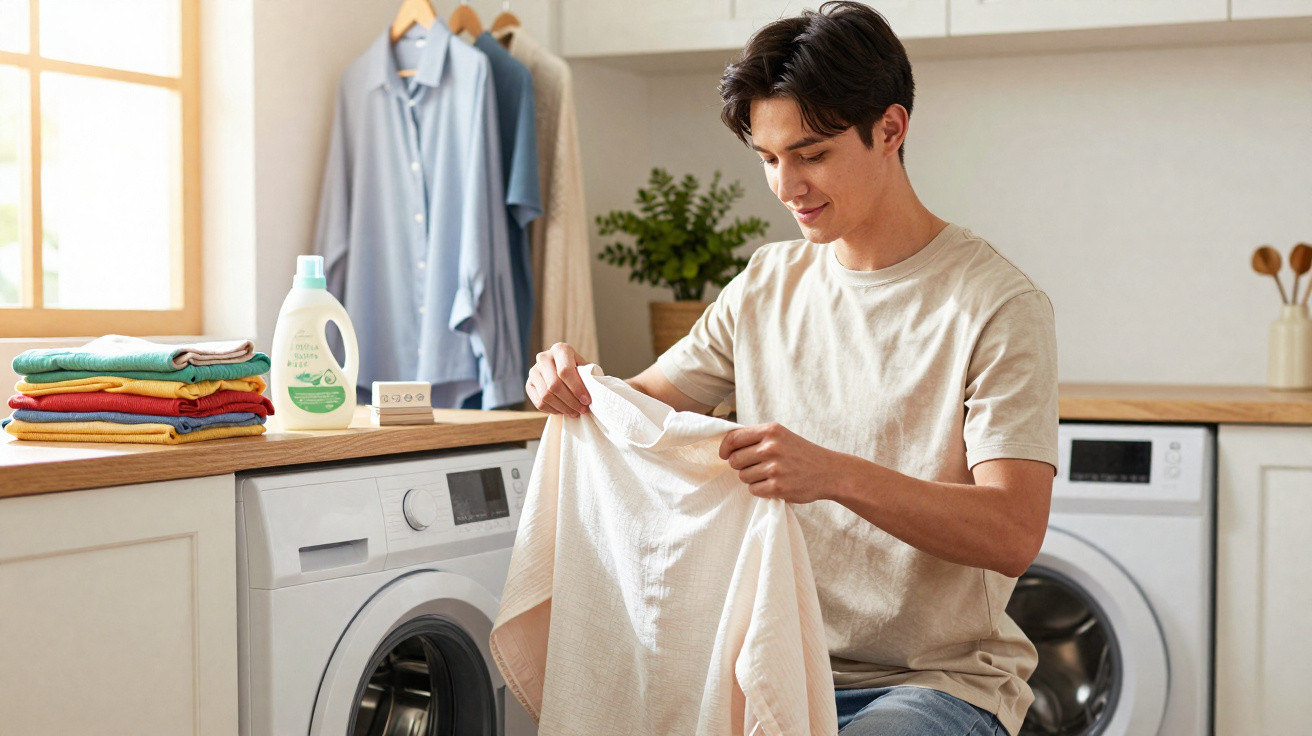
People who use the powder regularly often develop a small routine: heavily soiled towels go into the hot oxygen bath first and then into the normal wash. Other laundry, such as towels, occasionally gets a spoonful of percarbonate directly in the detergent drawer to prevent greying.
In the end, the idea is straightforward: an old, simply formulated product takes on jobs that are now often sold as expensive specialist items with long ingredient lists. In the kitchen especially - where hygiene and the lifespan of textiles matter - this return to a “quiet classic” feels surprisingly current.

Comments
No comments yet. Be the first to comment!
Leave a Comment