
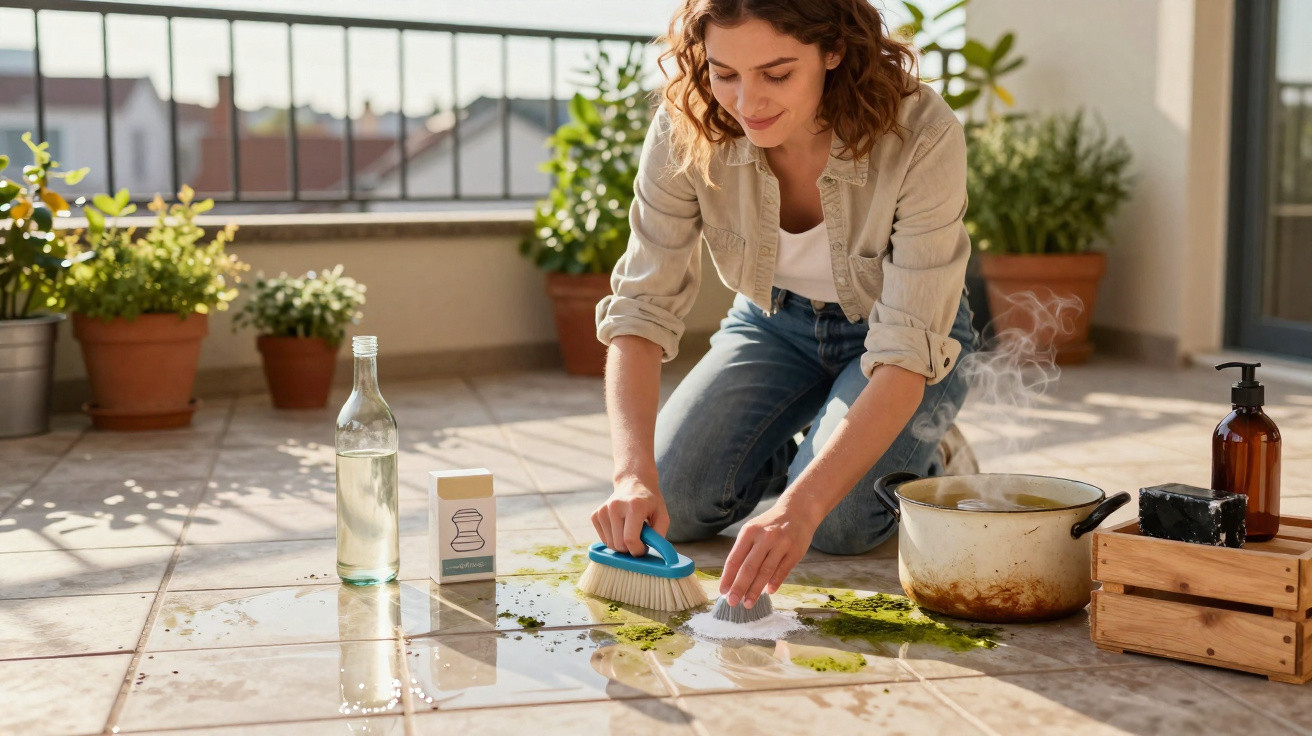
A few simple household staples can change that.
After the first warm days, stepping out onto the patio often means dull, slippery slabs underfoot. Many people instinctively reach for harsh cleaners from the DIY shop. In most cases, though, low-cost cupboard basics are enough to clean stone, concrete or tiles thoroughly - without a chemical blitz and without putting stress on the joints or the environment.
Why aggressive patio cleaners can do damage
A lot of off-the-shelf patio cleaners rely on strong chemicals. They may shift moss, algae and grime quickly, but they can also be tough on both the surface and the wider garden ecosystem.
"Chlorine-based cleaners can leach joints, discolour stone and contaminate wastewater - and they’re anything but ideal for pets and children on the patio."
If you have older slabs, delicate natural stone, or a patio with lots of joints, it’s worth considering gentler options. The good news is that the most effective helpers are often already in your cleaning cupboard or kitchen.
Five natural methods to make your patio look like new
1. White household vinegar for green film and limescale
Household vinegar with a higher acidity is a classic for green film and limescale marks. The acid breaks down deposits without attacking most types of stone - as long as you dilute it.
- Mix vinegar and warm water at a 1:1 ratio
- Pour or spray the solution generously over the affected areas
- Leave for 15–20 minutes; do not let it dry out
- Scrub firmly with a stiff brush
- Rinse thoroughly with plenty of clean water
Vinegar is particularly suitable for concrete slabs, ceramic tiles and porcelain stoneware. With sensitive natural stones such as marble or limestone, avoid acids and test first in an inconspicuous spot.
2. Bicarbonate of soda for extremely stubborn marks
Bicarbonate of soda (baking soda) is mildly abrasive, helping lift dirt without aggressively scratching the surface. It really comes into its own with ground-in grime or a thick layer of moss.
How to use it:
- Lightly dampen the surface first
- Sprinkle bicarbonate of soda generously onto the problem areas
- Spray or pour on a little water until a paste forms
- Work it in with a scrubbing brush or stiff brush
- Leave briefly, then brush again and rinse very thoroughly
This approach works well on rough concrete slabs, stone flags and heavily used zones, such as under a barbecue or table. It’s less suitable for painted surfaces or softer plastics.
3. Black soap as a gentle all-purpose cleaner
Liquid black soap made from plant oils is often treated as a household all-rounder. Diluted in a bucket of water, it cuts through grease, dust and road grit, and it leaves a lightly protective film.
Cleaning steps with black soap:
- Add 2–3 tablespoons of black soap to a bucket of hot water
- Stir well until fully dissolved
- Work over the patio with a scrubbing brush or mop
- For light dirt, letting it dry can be enough - for heavier grime, scrub first and then rinse with clean water
"For regular upkeep, black soap is ideal: gentle on surfaces, tough on everyday dirt - and already in many homes."
Especially on coated tiles or smoother stone, using it after a deep clean with vinegar or bicarbonate of soda helps keep the patio looking tidy and reduces new build-up.
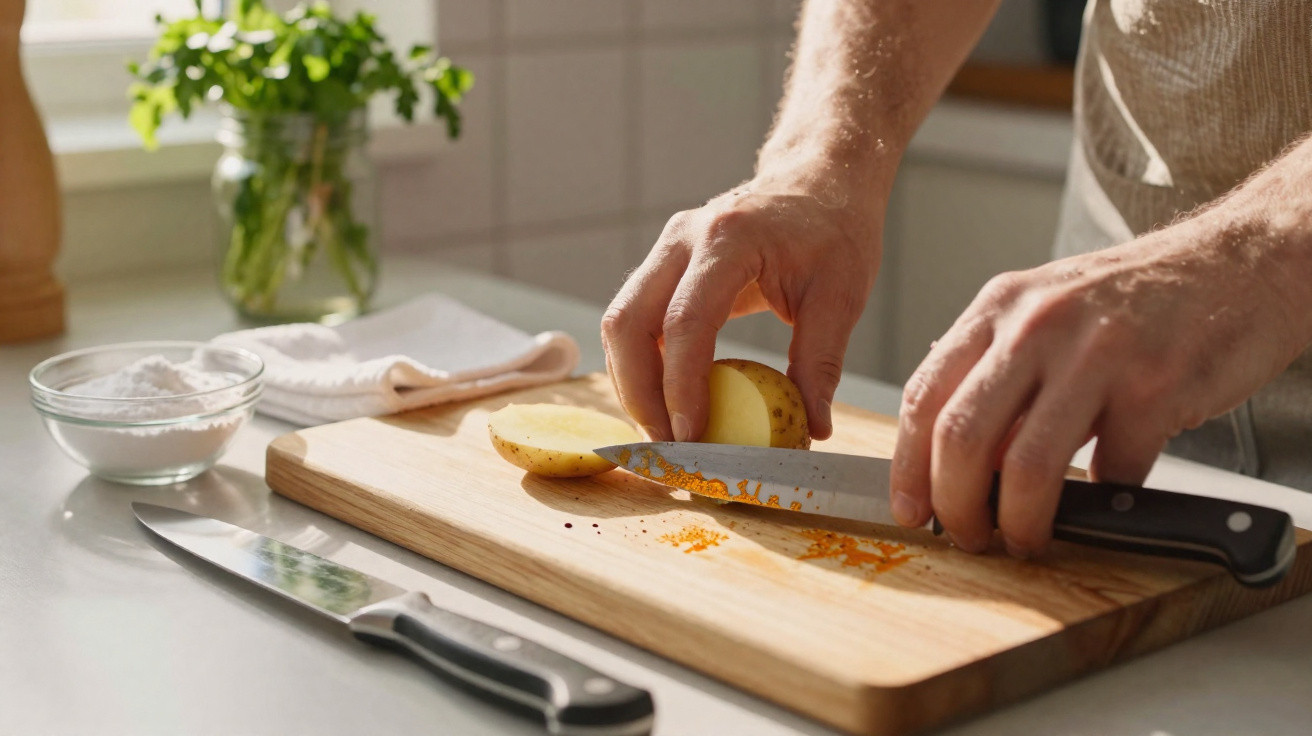
4. Potato cooking water as an anti-moss trick
It sounds odd, but it can work surprisingly well: potato cooking water contains starch, which settles on deposits and helps moss lift away.
How to use the leftover water effectively:
- Boil potatoes without salt and keep the water afterwards
- Pour the still-hot water directly over the dirty slabs
- Leave it for a few minutes
- Scrub the area with a brush
- Rinse with water so no sticky residue remains
This method is best for smaller areas - a balcony, for example - or for a few particularly dirty patches. To do an entire large patio, you’d need a lot of cooking water.
5. Washing soda as a booster for heavily soiled areas
Washing soda (sodium carbonate - not to be confused with bicarbonate of soda) has a stronger cleaning action than standard washing-up liquid. Used at the right strength, it tackles grease, algae and stubborn road grime.
Recommended use:
- Put on gloves, as washing soda can irritate skin
- Depending on how dirty it is, add 1–2 tablespoons of washing soda per 1 litre of hot water
- Stir well until dissolved
- Apply using a watering can or scrubbing brush
- Leave for a few minutes; do not let it dry out
- Scrub, then rinse thoroughly with water
"Washing soda is a powerful degreaser - ideal for areas where barbecuing is common or where food scraps often land."
On sensitive materials, reduce the concentration and test in an unobtrusive corner first.
Keeping moss away for good: prevention is half the battle
Where does the green film come from?
Moss and algae thrive in damp, shaded spots. Overhanging trees, constantly wet patches and leaves left lying around create ideal conditions.
Typical trouble areas include:
- Spots right by house walls that get little direct sun
- Corners under balcony railings or large planters
- Areas where rainwater drains poorly
- Joints where soil and leaves collect
Once you know where the problem zones are, you can act more precisely - for instance by improving the fall, sweeping more often, or cutting back plants that cast heavy shade.
Simple routines that save a lot of work
Rather than battling it once a year, a small weekly effort pays off:
- sweep at least once a week
- remove wet leaves straight away
- position planters so water can drain
- after heavy rain, quickly check areas where puddles form
Once a month, a light mop with soapy water can be enough to keep the patio clean and grippy long-term. That way, a thick layer of dirt never gets the chance to build up.
Mistakes that can ruin patio surfaces
Two common issues cause damage time and again: using pressure washers incorrectly, and relying on overly strong chemical products.
| Mistake | Result | Better approach |
|---|---|---|
| Holding the pressure-washer nozzle too close to the slab | The surface chips, and fine grooves form | Increase the distance, use a wider nozzle, choose a lower setting |
| Persistently aiming a pinpoint jet at the joints | Jointing material is washed out and slabs can loosen | Avoid the joints where possible and clean in broad sweeps |
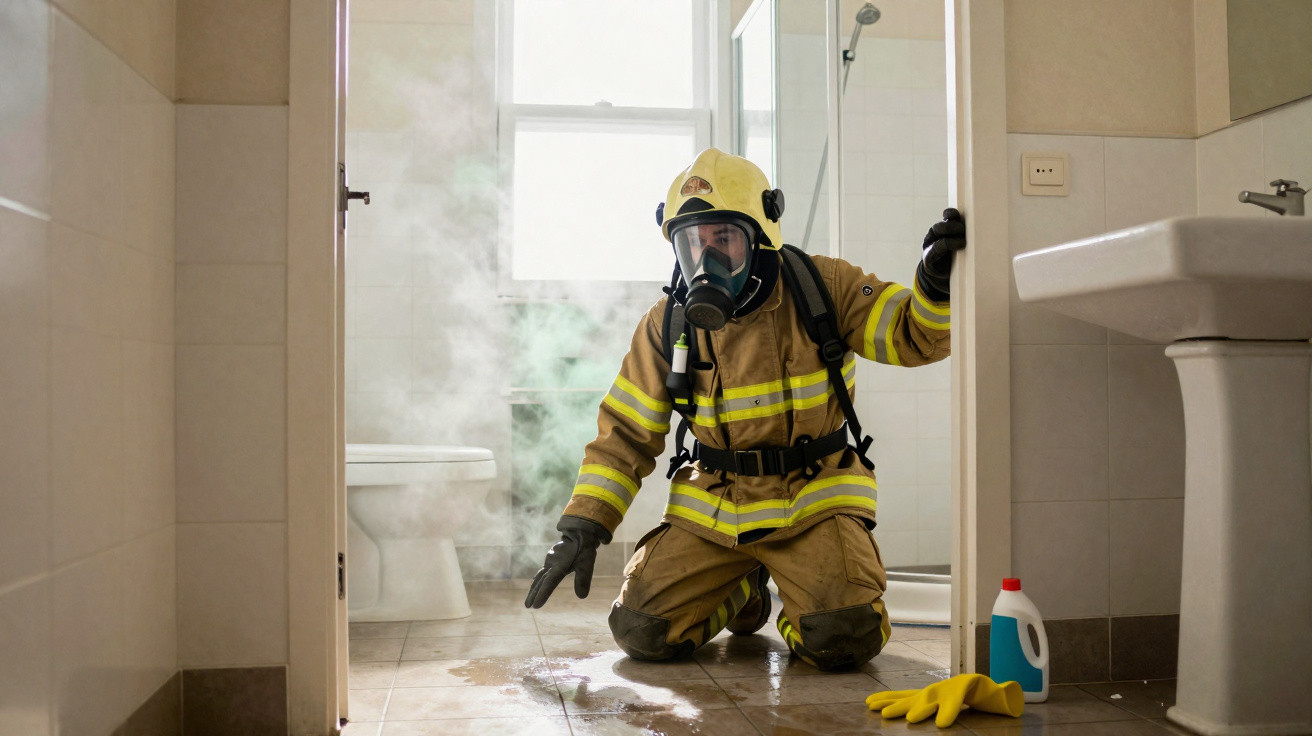
| Frequent use of high-chlorine cleaners | Discolouration, crumbly joints, stress on plants | Switch to natural options; use chemicals only in emergencies |
If you have children, pets or lots of plants in the garden, natural methods are markedly safer in the long run.
Which method makes sense when?
Not every patio needs a full-on, chemical-free deep clean. This quick guide helps you choose:
- Light dirt, barely any moss: black soap in your cleaning water is usually enough
- Light green film and early slip risk: use a vinegar solution or potato water
- Heavy crusting and old moss patches: bicarbonate of soda or washing soda, plus thorough scrubbing
- Delicate natural stone: stick to the mildest options and check compatibility first
If you’re unsure, always try a small test patch before treating the entire patio. It’s the simplest way to avoid unpleasant surprises.
What many people underestimate: safety and the environment
A slippery patio doesn’t just look uncared-for - it’s a genuine safety hazard. Older people, children, or guests walking in with wet shoes can easily lose their footing.
"Regular maintenance doesn’t just improve the look; it reduces the risk of falls and also helps protect the garden’s ecological balance."
Working with vinegar, bicarbonate of soda, black soap or potato water may mean a bit more brushing, but it keeps aggressive chemicals out of the drain. Border plants benefit from healthier growth, and pets can roam without concern.
With a smart mix of household remedies, small care routines and a watchful eye on problem spots, your patio becomes a favourite place again in spring - without toxic fumes, without damaged joints and without slippery surprises on the season’s first barbecue night.


Comments
No comments yet. Be the first to comment!
Leave a Comment