

Right now, a smartly planned big clean can feel like a genuine fresh start.
When spring officially arrives, it’s not only the weather that shifts. The daylight gets sharper, rooms can suddenly feel restless, and a lot of things start to look like “too much”. Rather than random tidying, it helps to follow a clear route: a spring-clean ritual of around 15 hours that doesn’t just make things clean, but reshapes the whole home - step by step, without burning out.
Why a spring clean delivers the biggest payoff right now
A traditional big clean isn’t the same as a quick once-over with the hoover. It’s a deep reset for the entire home: surfaces, textiles, awkward corners, and those forgotten cupboards and storage areas. Many professional decluttering and organising coaches allow roughly 15 to 20 hours for an average home, spread across several days.
Early spring is an ideal window for this. The benefits are clear:
- More daylight reveals dust, marks and old cobwebs you’ve stopped noticing.
- Milder temperatures make extended airing-out possible without everyone freezing.
- Damp left over from the heating season clears more quickly, giving mould fewer chances.
- Mentally, the calendar signals a new beginning - perfect for “resetting” your four walls.
“Anyone who deliberately dedicates a 15-hour cleaning ritual to the first weeks of spring will experience their home afterwards almost like a brand-new place to live.”
The impact is similar to pruning a garden: you remove the old so the new can thrive. In the same way that dead branches block light from reaching young shoots, sorting, cleaning and airing-out creates space for fresh energy - in the lounge, the kitchen and your head.
How to plan your 15-hour ritual without stress
The most common spring-clean mistake is taking on far too much in one go - and then giving up halfway through, fed up. A better approach is a simple plan that fits your actual life.
Three possible time models
- Intensive weekend: Two days of around 7–8 hours each for anyone who wants to get it all done in one push.
- Comfort option: Three to four afternoons of 4–5 hours, a good fit for people who work.
- Everyday-friendly: 60 to 90 minutes per day, spread across two to three weeks.
The order matters more than the model. Here’s a realistic checklist you can follow:
| Day / block | Area | Focus |
|---|---|---|
| 1 | Hallway & lounge | Surfaces, dust, windows, textiles |
| 2 | Kitchen | Cupboard fronts, appliances, fridge, food cupboards |
| 3 | Bedroom & children’s room | Beds, mattresses, wardrobes |
| 4 | Bathroom & guest WC | Grout, taps, textiles, cabinets |
| 5 | Utility cupboard, cellar, balcony | Sorting, heavy dirt, outdoor furniture |
Keeping roughly to this structure prevents the familiar feeling of “started here, stopped there, finished nowhere”.
These few supplies are enough for a big clean
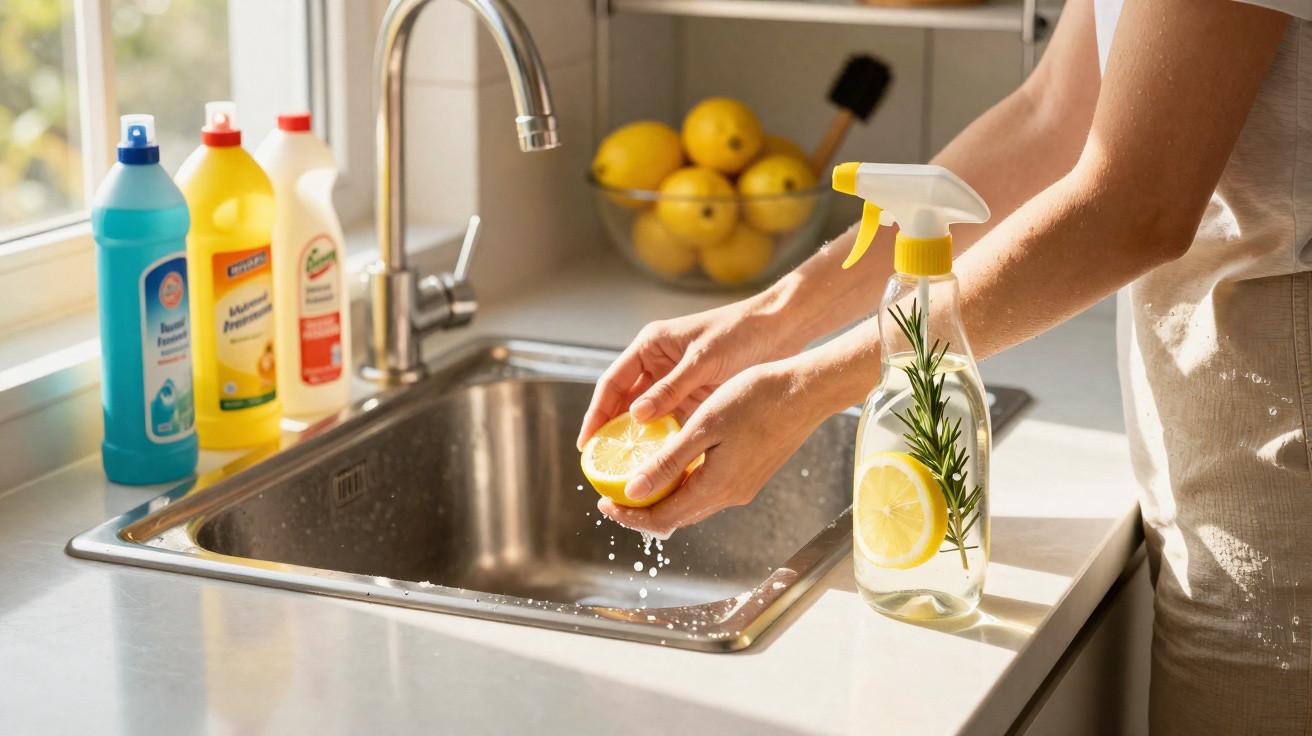
For an effective spring-clean ritual, you don’t need a cupboard full of specialist products. Experienced household pros tend to recommend a small, reliable kit:
- A bucket and several microfibre cloths
- A soft brush and a few old toothbrushes for grout lines
- A powerful vacuum cleaner or cordless vacuum
- White vinegar or a vinegar-based cleaner for limescale and germs
- Black soap or traditional hard soap for grease and burnt-on residue
- Sodium bicarbonate (bicarbonate of soda/baking soda) as a gentle scouring powder
Bicarbonate of soda mixed with a little soap creates a lightly gritty paste that works brilliantly on grout, heavily used tiles or dirty patio steps. The same mixture can even brighten up yellowed trainers - plenty of people already swear by it.
Room by room: turning cleaning into a ritual
Step 1: Get rid of the dead weight
Before a cloth even comes out, remove what you don’t need. In every room, a straightforward three-box method helps:
- Keep: Items you actually use and will assign a permanent home.
- Pass on: Donate, sell or give away.
- Bin: Broken items, out-of-date products, duplicates with no real benefit.
This preparation makes the cleaning stage much faster - less clutter means fewer surfaces for dust to settle on.
Step 2: Work from top to bottom
One rule applies everywhere: start high, finish low. Wipe ceilings, light fittings and the tops of shelves first; then cupboard fronts, window sills and handles; and leave floors and carpets until last. That way, dust won’t fall onto areas you’ve already cleaned.
Step 3: Textiles are the heart of the spring feeling
Soft furnishings shape the atmosphere of a room more than most people realise. For that reason, the ritual should include at least:
- Airing or washing duvets and pillows
- Vacuuming and turning mattresses
- Washing curtains and drapes (or having them professionally cleaned)
- Vacuuming rugs thoroughly and, if needed, cleaning them with water
- Freshening sofa covers and cushion covers
“After this step, when you collapse into bed in the evening, you usually feel most clearly just how much the effort pays off.”
Inside wardrobes, switching from winter to spring clothing brings instant clarity: chunky jumpers move to the back or into boxes, lighter pieces come forward. Anything unworn for two years deserves a hard look.
Kitchen and bathroom: the sensitive zones of the big clean
Kitchen: cleanliness you can taste
The kitchen gains a lot from a proper spring clean. Key tasks include:
- Empty the fridge completely, throw away out-of-date items, and wipe shelves with a vinegar solution.
- Degrease the oven, hob and extractor hood - for example with soap and warm water.
- Clear out drawers and food cupboards, remove crumbs and flour dust, then reorganise.
- Clean worktops, handles, light switches and extension leads with a disinfecting cleaner.
Bathroom: grout, taps and hidden corners
In the bathroom, the main enemies are limescale and soap residue:
- Soak taps and fittings with a vinegar solution, then polish.
- Treat grout with a bicarbonate-of-soda paste and a brush.
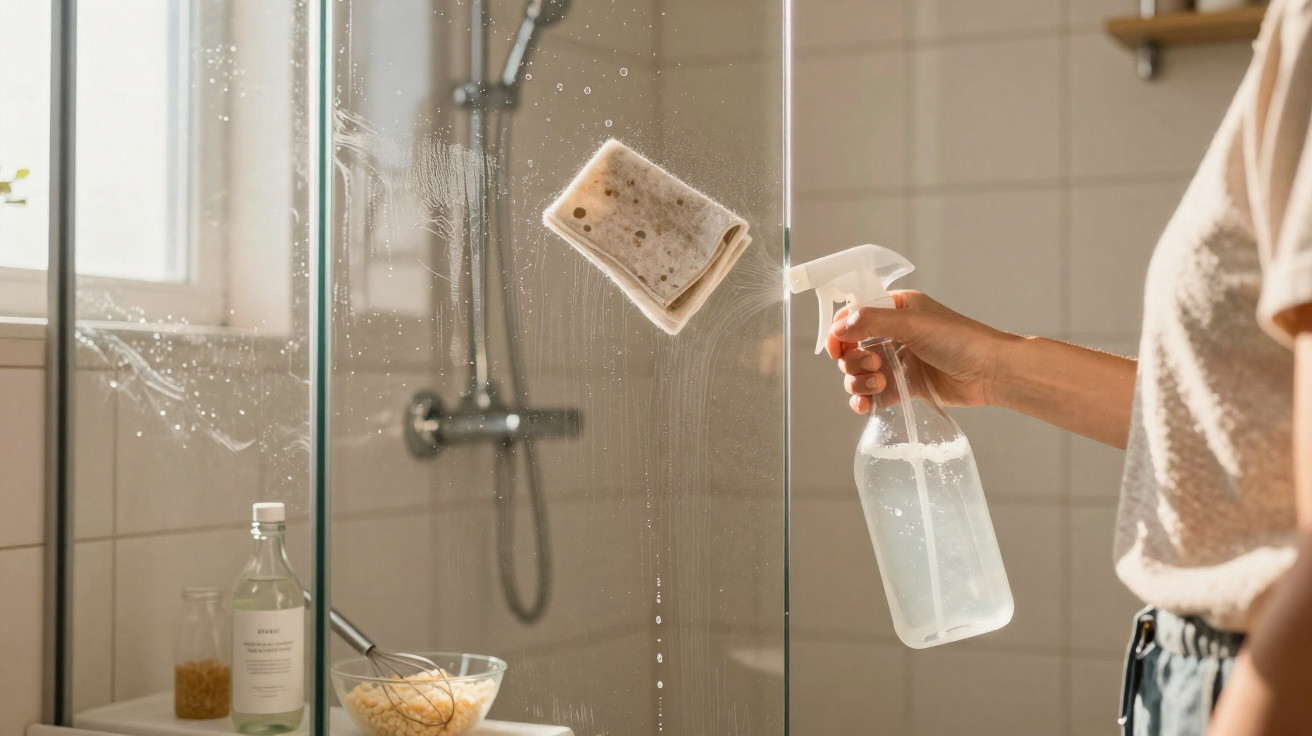
- Clean the shower curtain or shower enclosure, and clear hair and dirt from drains.
- Empty the laundry basket, replace towels, and wash bath mats.
Balcony, terrace, cellar: the often-forgotten remainder
A full reset also includes the edge spaces and outdoor areas. Many people only notice how much grime has built up when they sit down for their first spring coffee on the balcony.
- Sweep flooring and, depending on the material, wipe or wash it down.
- Wipe outdoor furniture, air out cushions, and reproof if necessary.
- Shake out or clean door mats.
- Remove dead growth from plants, tidy pots, and top up compost.
In the cellar or utility cupboard, a strict approach pays off: anything that’s sat untouched on a shelf for years is taking up space and energy. Often, two focused hours are enough to create a noticeable sense of breathing room.
How to turn the cleaning marathon into a family ritual
A 15-hour spring clean doesn’t have to be a solitary slog. Many families put it in the diary as a fixed date: music on, tasks shared out, and the result enjoyed together.
- Younger children can sort toys or dust books.
- Teenagers earn social-media breaks only after their to-do list is done.
- Adults handle chemicals, ladders and anything technical.
“If you make the cleaning project a recurring ritual, you reduce chaos in the long term - because everyone knows that once a year, the home gets a thorough reset.”
Why the ritual pays off mentally, too
After a committed spring clean, many people report not only cleaner rooms, but also a lighter feeling: fewer visual distractions, fewer “unfinished jobs”, and less guilt when looking at overflowing corners.
Psychologists see a clear link between external order and internal calm. When you reduce household clutter, you regain decision-making capacity. The seasonal start of spring amplifies this effect because so much is already shifting: daylight, leisure habits, diet.
Over time, it’s worth carrying small parts of the 15-hour ritual into everyday life: weekly mini-tidy sessions, a set “paper hour”, and seasonal wardrobe checks. Then the big spring clean gets easier each year - and gradually feels less like a chore and more like a genuinely restorative reset.



Comments
No comments yet. Be the first to comment!
Leave a Comment