
In moments like these, you need a straightforward, fast trick that makes the toilet feel fresh again-without hours of scrubbing or harsh chemical cleaners. A kitchen staple that most people already have at home can quickly create a hotel-like fragrance in the loo, and there are a few other household basics that help with odours and limescale too.
Why the toilet becomes a stress point before visitors arrive
Hardly anything feels more awkward than a musty-smelling bathroom when friends or family are about to walk in. Even if you clean regularly, the same issue can crop up: odours from the drain, damp air, old build-up under the rim-everything can make the toilet smell "used" far sooner than you’d like.
- Moisture encourages bacteria and mould to develop.
- Urine scale and limescale cling stubbornly to the bowl.
- Residue in the pipework and U-bend can start to smell stronger over time.
- Air freshener sprays often only mask odours briefly and can smell artificial.
Many people then instinctively reach for powerful toilet cleaners. They work, but the smell can be sharp, they may irritate eyes and airways, and they’re tougher on the environment. Household remedies, on the other hand, can neutralise odours while cleaning at the same time-and they’re usually far cheaper.
The coffee trick: how to make your toilet smell like a hotel
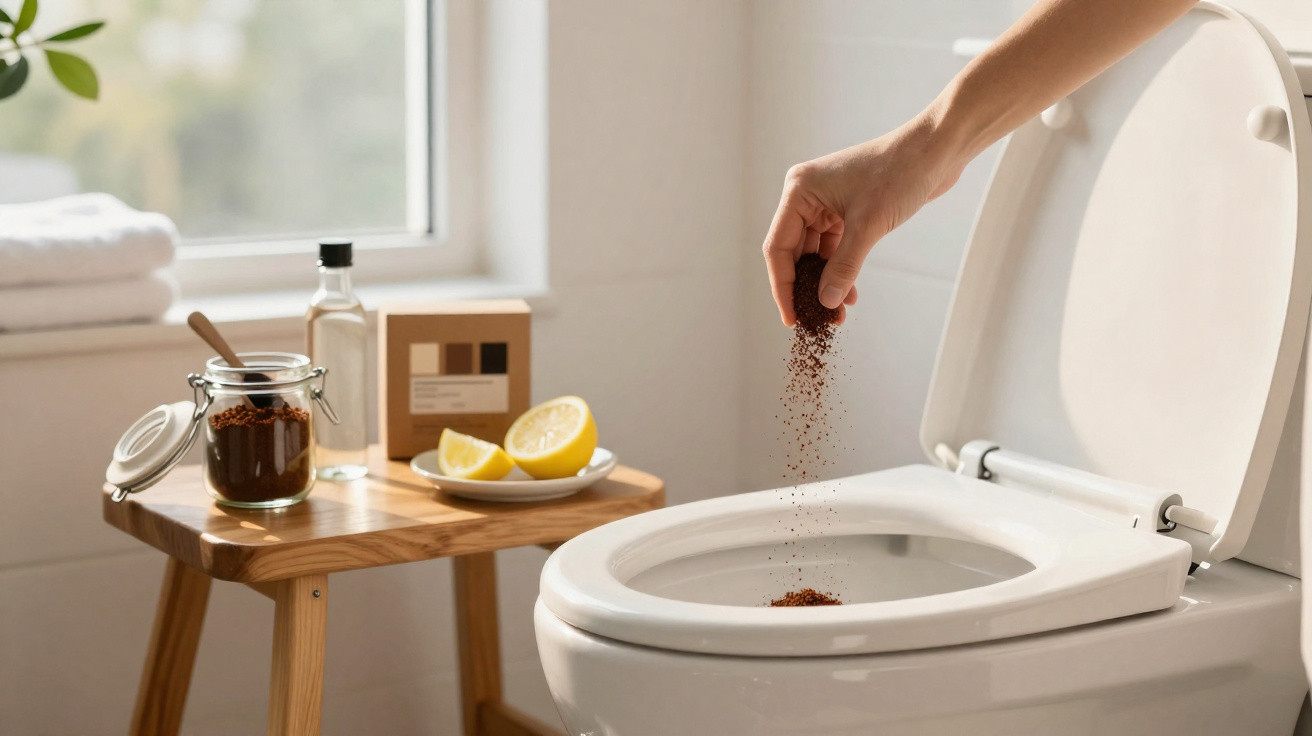
The standout quick hack is, surprisingly, something most people would normally put in a cafetière or coffee machine rather than in the loo: ground coffee. Its strong aroma doesn’t just cover smells; it can also bind them to some extent.
Coffee works like a natural odour hoover-perfect if guests are due at the door in 15 minutes.
How the coffee method works, step by step
- Sprinkle 2–3 teaspoons of dry ground coffee directly into the toilet bowl.
- Leave it without adding water for around 10–15 minutes.
- Flush thoroughly.
- Briefly open a window or switch on the extractor so the scent can circulate.
In many cases, that’s enough to make the bathroom smell noticeably fresher. Coffee replaces the unpleasant note with a warm, familiar aroma that many people associate with hotel breakfasts. If you like, you can also leave a small dish of fresh coffee grounds next to the toilet-this keeps a pleasant scent going for longer.
Which type of coffee works best?
Standard ground filter coffee is ideal. It’s fine enough to take in odours effectively and it has a strong scent. Good options include:
- ready-ground filter coffee from a packet
- freshly ground beans
- older coffee that no longer tastes good
Instant coffee granules or heavily sweetened coffee mixes are less effective. They dissolve differently and don’t produce comparable results.
Soda and vinegar: the classics for build-up and bad smells
If the odour is coming from within the toilet itself-such as urine scale, limescale and other deposits-fragrance alone won’t cut it. That’s where a tried-and-tested pairing helps: bicarbonate of soda (baking soda) or soda crystals, plus vinegar.
The combination of soda and vinegar foams vigorously, loosens deposits and gets rid of that "stale" toilet smell.
Using soda and vinegar
- Sprinkle about 120 ml (½ cup) of soda into the toilet bowl, including around the rim area.
- Wait briefly so the powder can spread.
- Slowly pour in 240–480 ml (1–2 cups) of household vinegar.
- The mixture will fizz immediately-this is exactly what you want.
- Ideally, leave it to work for several hours or overnight.
- The next morning, scrub with a toilet brush and flush.
The reaction helps lift many deposits; once you flush, the vinegar smell fades and the earlier mustiness usually improves significantly. If you’re sensitive to smells, ventilate the room afterwards or light a scented candle.
Citric acid: the secret weapon against limescale and yellow marks
Another useful cupboard staple is citric acid powder. It’s excellent for descaling, it shifts stubborn rings, and it leaves a fresh, lightly fruity scent.
How to use citric acid properly
For a thorough clean, the following approach is usually enough:
- Add 3 tablespoons of citric acid powder to the empty toilet bowl.
- Pour in a little warm (not boiling) water so the powder disperses.
- Leave for 15–30 minutes; for heavy limescale, leave it longer.
- Scrub with a brush, especially under the rim.
- Flush-what’s left is a noticeably cleaner finish.
If you use small amounts of citric acid regularly, you can stop thick limescale from building up in the first place. That also reduces odours caused by older deposits.
When household remedies reach their limits
Sometimes a bad bathroom smell points to a bigger issue than a bowl that needs cleaning. Common warning signs include:
- gurgling noises from the drain
- water draining away more slowly than it used to
- a strong sewer smell that keeps returning even after cleaning
In these situations, the cause is often in the pipework itself-for example blockages, poor venting, or a problem with the U-bend. The coffee trick may help the room smell better in the short term, but it won’t fix the root cause. If the problem persists, it’s sensible to have a professional check the drains.
These things should never go down the toilet
A lot of odour and plumbing issues start because items end up in the bowl that should go in the general waste instead. Typical culprits that are bad for your pipes-and your nose-include:
- wet wipes and cosmetic wipes
- sanitary products such as pads and tampons
- fats and leftover food from the kitchen
- cigarette ends and ash
- cat litter or other absorbent litter materials
All of these can narrow pipes, encourage build-up and, as a result, make unpleasant smells more likely. Households that are strict about this usually have far fewer toilet dramas.
How often should you use these tricks?
The coffee trick is mainly for quick, short-term use-for example:
- right before visitors arrive
- after particularly heavy toilet use
- when you don’t have time for a full clean
Soda, vinegar and citric acid show their strengths more in routine maintenance. Many households do well using these home remedies weekly or every fortnight. That way, the toilet stays not only fresh-smelling, but also visibly well looked after.
Risks, benefits and sensible combinations
Each of the methods above has clear advantages, along with a few points to keep in mind:
| Method | Benefits | What to watch for |
|---|---|---|
| Coffee | fast fragrance, inexpensive, usually already in the house | in very hard-water areas, tiny residues can remain, so flush well |
| Soda + vinegar | loosens deposits, cleans and reduces odours | don’t mix with chlorine cleaners; gloves can help if you have sensitive skin |
| Citric acid | strong against limescale, fresh scent | don’t use water that’s too hot, otherwise hardened deposits can form |
If you combine them sensibly, you can keep things pleasant for the long term: for instance, do a deeper soda-and-vinegar treatment once a month, use citric acid in between for limescale, and rely on the coffee trick when unexpected guests mean you need a quick, hotel-style refresh in your own bathroom.
One last practical idea: lots of people keep a small "guest emergency box" in the bathroom-spare toilet roll, matches or a subtle room spray, plus a small jar of coffee grounds. It makes the guest loo feel clean and thoughtfully stocked, and it smells good without giving the impression you’ve just opened a chemistry lab.

Comments
No comments yet. Be the first to comment!
Leave a Comment