
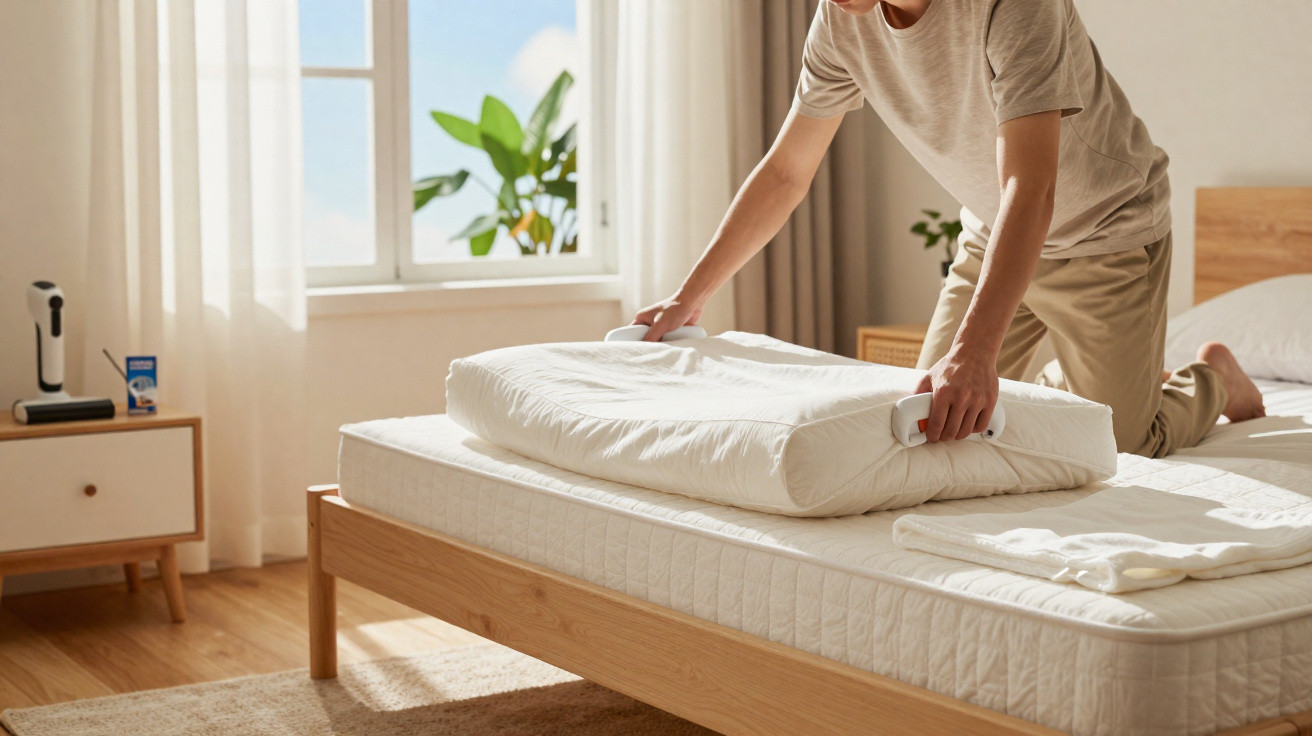
More people are thinking about giving their beds a deeper clean, and searches for professional mattress cleaning are rising sharply. The good news is that a few smart steps at home can make your sleeping surface noticeably fresher, supportive again and more hygienic. Here’s what genuinely works, and how to do it step by step.
Why it’s worth doing the care now
A mattress gradually collects dust, dead skin, sweat and odours. Moisture can work its way into the core, which encourages mould and can aggravate allergies. If you air it properly, vacuum it and rotate it the right way, you can prevent exactly that-without paying for an expensive service.
"A few simple habits are enough to significantly improve comfort, hygiene and lifespan."
Rotating the mattress: the easiest way to extend its life
Over time, dips appear where your body lies most often. That’s normal, but you can reduce it:
- In the first year, rotate it by 180 degrees once a month (head end becomes foot end).
- From the second year, rotate it every three months.
- Only if the model is explicitly usable on both sides, turn it over occasionally.
Warranty note: some manufacturers forbid flipping certain foam mattresses. Checking the paperwork first avoids problems.
Let it breathe: moisture out, fresh air in
Remove the duvet and sheets, open the windows wide and leave the mattress to rest for two to four hours in a well-ventilated room. Avoid continuous, direct sunlight on the surface; brief exposure is fine. A slatted base with gaps improves airflow from underneath and lowers the risk of damp spots.
Fix sagging instead of replacing too soon
Early dents are not the end of the road. Three practical adjustments can help:
- Add a topper to spread pressure more evenly and provide extra support.
- Check the base: is the slatted frame sturdy, and are all slats carrying weight? Replace any broken parts.
- Shorten the rotation schedule for a few weeks until the surface recovers.
Vacuuming and targeted cleaning
Dust, mite debris and allergens can be lifted out with a vacuum cleaner. Use the upholstery attachment on a gentle setting, moving slowly in overlapping passes. This helps draw particles out of the pores.
Tackling stains properly
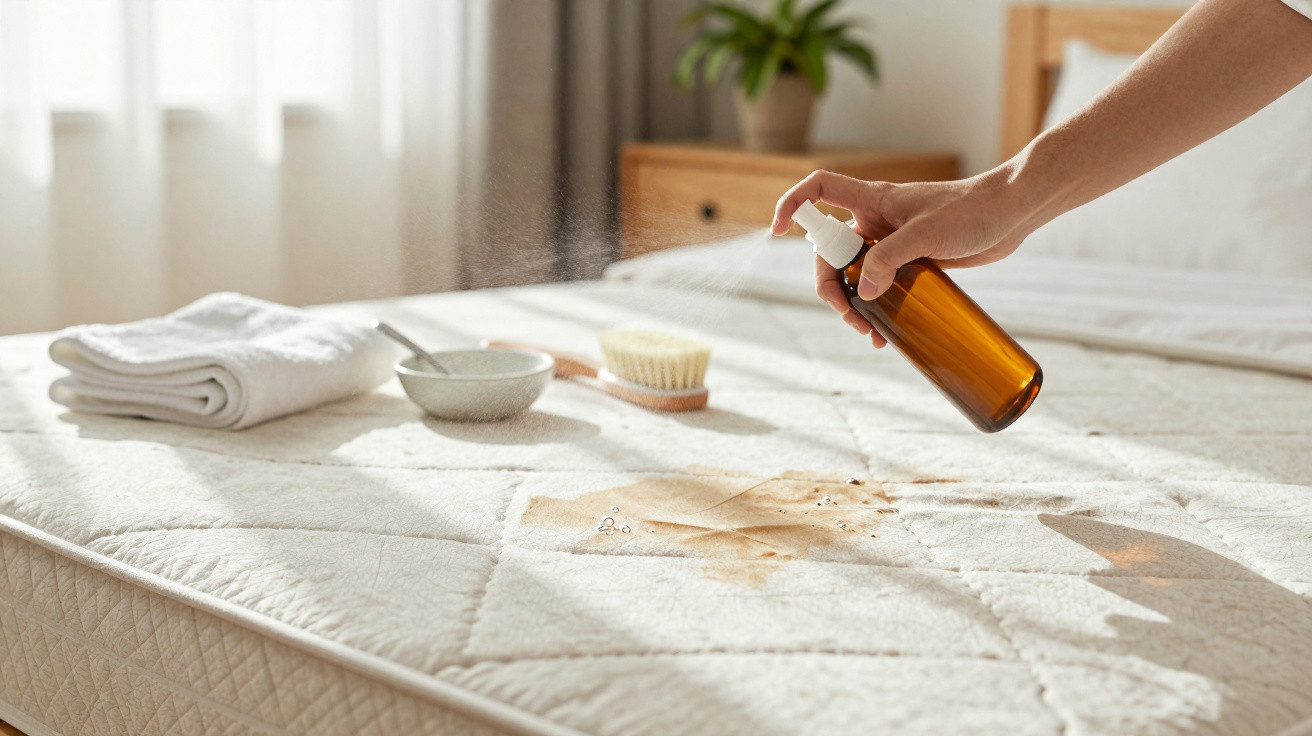
- Blot fresh stains with kitchen paper-don’t rub.
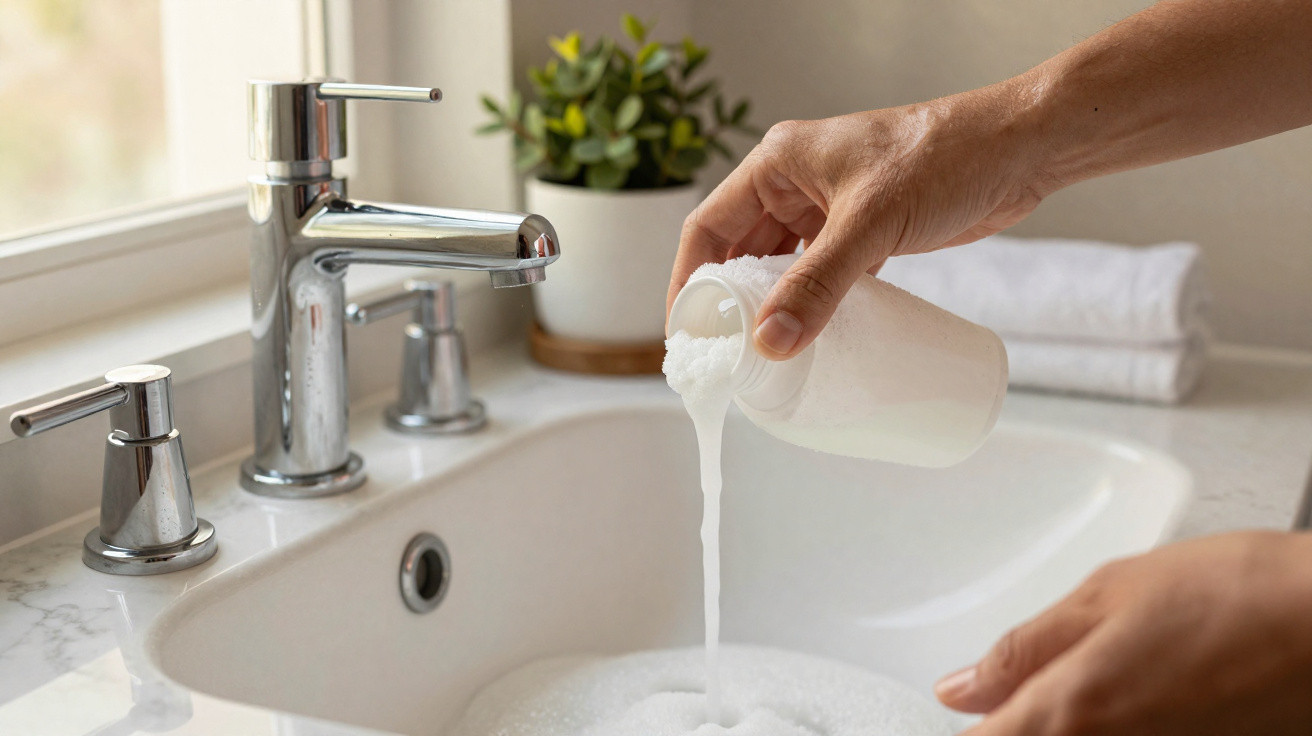
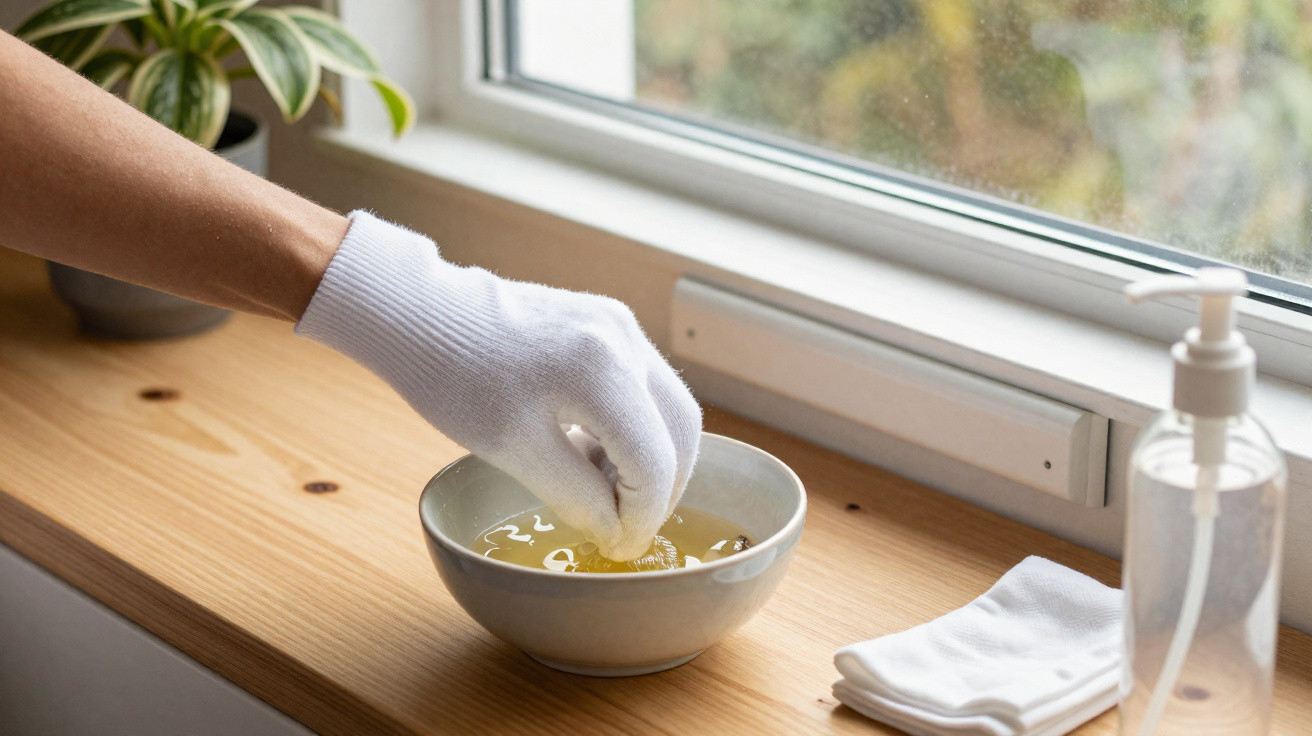
- Use a mild mix of cold water and gentle detergent. Apply with a clean cloth, then lift the moisture with a second cloth.
- Dampen as little as possible. Too much moisture can sink into deeper layers and encourage mould.
- Wash a removable cover in the machine monthly, if permitted.
For organic stains (e.g. sweat), enzymatic cleaners tend to work well. Test first on an inconspicuous area. Products containing bleach can lighten fabrics-only use them if the manufacturer allows it.
Protective layer: a good mattress protector saves work
A washable protector is your first line of defence against spills, dust and allergens. Look for three features: breathable, waterproof and machine-washable. If you swap or wash the protector depending on the season, the bed stays consistently fresh. Handy tip: keeping a second protector in the cupboard makes changing the bed far less stressful.
The 10-minute routine: what you can do regularly
- Airing: after getting up, pull back the bedding and let air circulate for 20–30 minutes.
- Vacuuming: once a month, vacuum the top and sides.
- Rotating: put it in your calendar and stick to it.
- Washing covers: wash sheets weekly; wash the protector every four to eight weeks depending on use.
Neutralising odours-gentle but effective
A slight musty smell? Sprinkle a thin layer of fine bicarbonate of soda, leave it for two hours, then vacuum thoroughly. It absorbs odours without soaking the mattress. For stubborn smells, clean the cover separately and air for longer, rather than using lots of liquid cleaner.
Indoor climate, allergies, lifespan: what else helps
- Keep an eye on humidity: about 40–60 per cent is ideal. A hygrometer shows where you stand.
- Ventilate at night: a brief burst of fresh air before bedtime reduces moisture and temperature-helpful against mites.
- Bedding around you: protective covers for pillow and cushion cases further reduce allergen load.
- Bed height: a little distance from the floor improves airflow and helps keep dust away.
When replacement really is worth it
Even with good care, there comes a point when it’s time. Deep hollows, morning aches, or a core that clearly gives way are warning signs. Many models last six to ten years depending on the material. If you sweat heavily, allow pets on the bed, or want to keep allergies under control, you may opt for a new core sooner-or be especially strict with protectors and consistent cleaning routines.
Cleaning safely: small details, big impact
| Interval | Action |
|---|---|
| Weekly | Pull back bedding, air the bed, change sheets |
| Monthly | Vacuum the surface, check the cover, set a rotation date |
| Quarterly | Rotate the mattress, wash the protector thoroughly |
| As needed | Treat stains locally, bind odours with bicarbonate of soda |
A few more practical tips
For large, heavy mattresses, it’s best to rotate them with two people. Grip from the side under the core rather than pulling on the seams. Before you start cleaning, lay out everything you’ll need: upholstery attachment, two cotton cloths, mild detergent, a spray bottle with cold water, and a spare protector. Small routine, big difference.
Finally, follow the manufacturer’s instructions. Some specialist foams are sensitive to heat and chemicals. In most cases, cool water, minimal detergent and plenty of fresh air are the safest approach.



Comments
No comments yet. Be the first to comment!
Leave a Comment