
The real problem is lurking somewhere you hardly ever check.
In home after home, washing machines can quietly become breeding grounds for bacteria, even while they keep producing laundry that looks clean. A single, easily missed rubber component-designed to prevent leaks-often turns into a tacky collection point for dirt, mould and unpleasant smells. If it’s left to fester, it can even reduce the lifespan of the machine.
The hidden trap around your drum
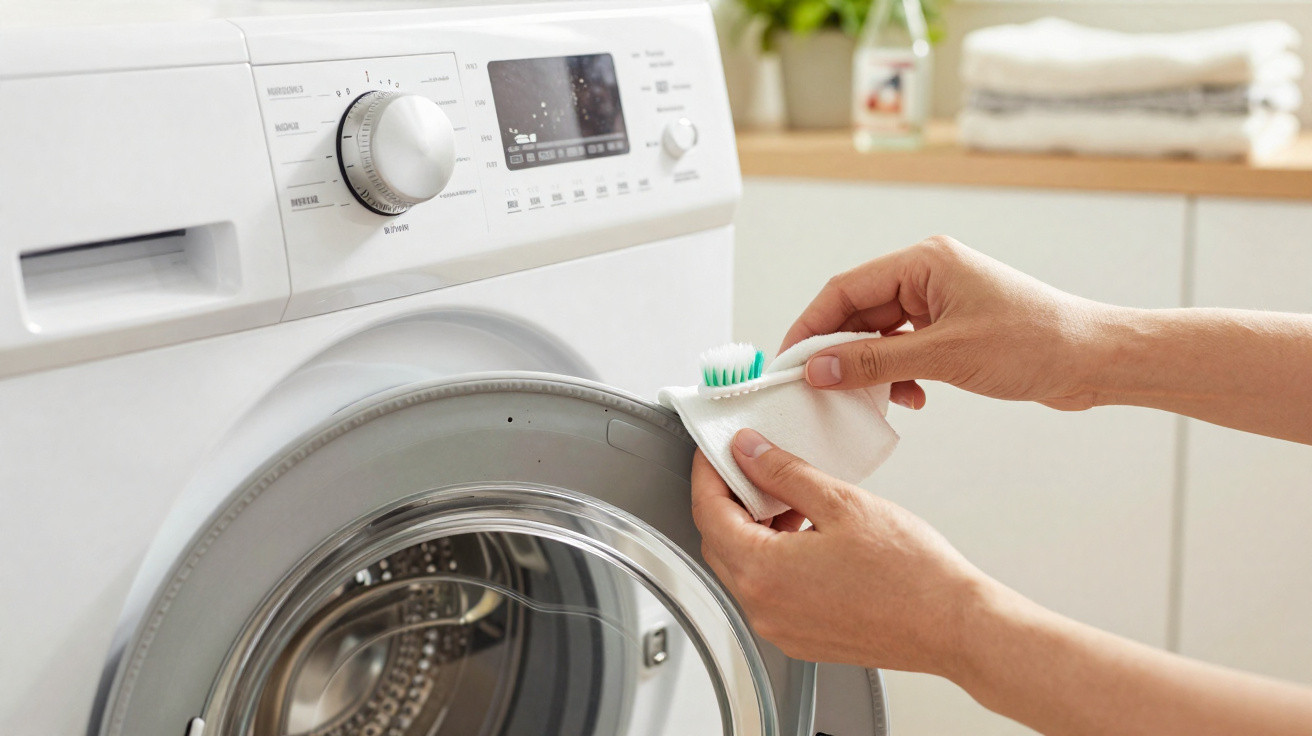
On front-loading models, a chunky rubber ring sits around the door opening. You’ll usually hear it called the door seal or gasket, and its purpose is straightforward: it stops water escaping. In practice, its folds and curved edges create little grooves and pockets where debris readily collects.
With every cycle, a cocktail of detergent, fabric softener, lint and residue from skin and clothing circulates through the machine. Much of it washes away down the drain-but a surprising portion does not.
In those folds of rubber, undissolved detergent, fabric softener, fibres, hair and pet fur blend into a grey, sticky sludge that never really dries out.
Because the seal bends and flexes, that residue gets worked further into the creases you almost never inspect. If you carefully pull the rubber back with your fingers, you might uncover:
- Soap scum and set-on detergent along the inner lip
- Black or dark mould specks on the rubber
- Loose items such as coins, hair grips or a forgotten tissue that’s turned to mush
Once the build-up is established, each wash churns warm, slightly dirty water across it. Some of that water splashes back onto your laundry, which can lead to mysterious marks-or that frustrating “wet dog” or cellar-like odour on clothes that should smell fresh.
Why your machine becomes a mould nursery
A washing machine provides almost everything microbes need: dampness, warmth and organic material. Shut the door afterwards and you effectively create a small greenhouse where bacteria and fungi can thrive.
The issue is often amplified by today’s energy-saving habits. Regular cold and low-temperature washes can be fine for lightly soiled items, but they don’t do much to tackle microbes. Over time, growth takes hold on the rubber seal, feeds on the grime, and gradually spreads.
Those black stains on the seal are not just cosmetic-they’re living mould patches releasing spores and odours into every wash.
As contamination worsens, the gasket may begin to stiffen or split. That increases the chance of leaks and costly repairs. If you let it go for months or years, you may end up paying to replace the seal-or the entire machine-when a handful of simple routines would have kept it running properly for much longer.
The under-£1 weapon that actually works
When people spot mould, many immediately reach for bleach. That can be a mistake: bleach can discolour rubber and, with repeated use, contribute to brittleness. There’s a cheaper and gentler option that often performs better: plain white vinegar.
Why white vinegar is so effective
Standard household white vinegar is mildly acidic, and that acidity can:
- Loosen and dissolve limescale
- Break down compacted detergent and softener residue
- Help inactivate mould spores and some bacteria
When it’s used properly, it cleans the seal without stripping or damaging the rubber.
Step-by-step: cleaning the gasket properly
The first proper clean usually takes 15–20 minutes. After that, ongoing upkeep is much faster.
- Switch off the machine at the socket for safety.
- Open the door and gently pull back the rubber seal all the way around the drum.
- Remove any visible objects: coins, hair ties, tissues, buttons.
- Soak a clean microfibre cloth or old towel with white vinegar.
- Wipe the entire gasket, pushing the cloth deep into each fold.
- For stubborn black spots, scrub gently with an old toothbrush dipped in vinegar.
- On badly stained areas, press a vinegar-soaked cloth against the rubber and leave it for 10–15 minutes before scrubbing again.
- Finish by wiping with a dry cloth to remove loosened residue.
A monthly vinegar clean keeps the seal flexible, cuts smells at the source and halts mould before it becomes embedded.
Two daily habits that prevent the worst
A deep clean is useful in a pinch, but consistent small actions stop the seal turning into a swamp all over again.
Habit 1: a 10-second wipe after every wash
Once the cycle ends and you unload the drum, the gasket remains wet. Water can sit in the lower folds, mixed with lint and hair-and if it’s left there, that moisture encourages fresh mould growth.
Before you walk away, grab a small towel or microfibre cloth and:
- Wipe around the inside of the door seal
- Press lightly into the channels to soak up pooled water
- Remove any obvious fluff or hair
This quick routine tackles both moisture and debris, so grime doesn’t get the chance to settle, thicken and harden.
Habit 2: let your machine breathe
If you keep the door closed between washes, humid air gets trapped and the inside can stay clammy for hours. Instead, after wiping:
Leave the door slightly open so air can circulate through the drum and seal, allowing them to dry fully.
If you live with small children or pets and you’re concerned about safety, leave the door open only as far as is reasonably safe, or use a simple washing machine door clip.
Beyond the seal: other hotspots you should not ignore
The gasket is often the biggest culprit, but it isn’t the only area that affects odour and hygiene. These spots also need attention:
| Area | Typical problem | Simple fix |
|---|---|---|
| Detergent drawer | Dried softener, mould, slime | Remove and soak in hot water and vinegar, scrub and dry |
| Filter / pump trap | Coins, fluff, buttons, stagnant water | Open hatch, clean filter monthly, place a tray underneath |
| Drum interior | Biofilm, detergent film | Run a hot maintenance wash with vinegar or a machine cleaner |
Keeping on top of these areas reinforces what you do at the seal and lowers the overall bacterial load in the machine.
What happens if you ignore the smell?
A musty washing machine rarely “fixes itself”. As time passes, you may start to notice:
- Lingering odours that cling to towels, gym kit and bedding
- Brown or grey streaks appearing on pale fabrics
- Allergy flare-ups or irritation in sensitive skin
- Higher energy use from rewashing loads in an effort to freshen them
Technicians also say machines that are neglected are more prone to drainage issues and leaks. Debris can break away from the seal, move through hoses and obstruct other parts.
Low-temperature washing, hard water and other risk factors
Some everyday routines can make the seal dirty more quickly than you’d expect. For example:
- Frequent 30°C or cold washes: gentler on textiles, but also friendlier to microbes.
- Excess detergent: produces heavy suds that don’t rinse cleanly and cling to rubber.
- Liquid softener: often leaves a waxy coating that mould can feed on.
- Hard water: creates limescale, which then traps dirt and bacteria on the seal.
A few small changes can help. Stick to the dosing line on detergent caps, mix cooler washes with the occasional 60°C cycle, and in very hard-water areas consider using a water softening product.
Real-life scenario: from “ruined towels” to fresh laundry
Picture a household where towels smell stale again just hours after being washed. They change detergent brands, add extra fragrance, pour in fabric softener, and even try scent beads-yet the improvement never lasts.
It’s only when someone pulls back the door seal that the cause becomes obvious: black mould spotting, grey slime, and hair packed into the lower curve. After a thorough vinegar clean, a hot maintenance wash, and two new routines-a quick wipe and leaving the door ajar-the odour eases. Within a week, towels dry without that sour note, and the airing cupboard finally smells neutral.
Key terms that help you understand what is going on
Biofilm: a thin layer of microorganisms that clings to a surface-often invisible-held together by a sticky matrix. On a washing machine seal, it locks in odours and helps microbes survive quick rinses.
Gasket / door seal: the flexible rubber ring around a front-loader’s opening. Without it, water would leak straight out. Without proper care, it often becomes the dirtiest part of the machine.
Understanding these terms makes the issue easier to tackle. Rather than blaming a vague “smell”, you can focus on the exact surface where mould and biofilm sit-and break the cycle using a cloth, some white vinegar and a couple of simple habits.



Comments
No comments yet. Be the first to comment!
Leave a Comment