
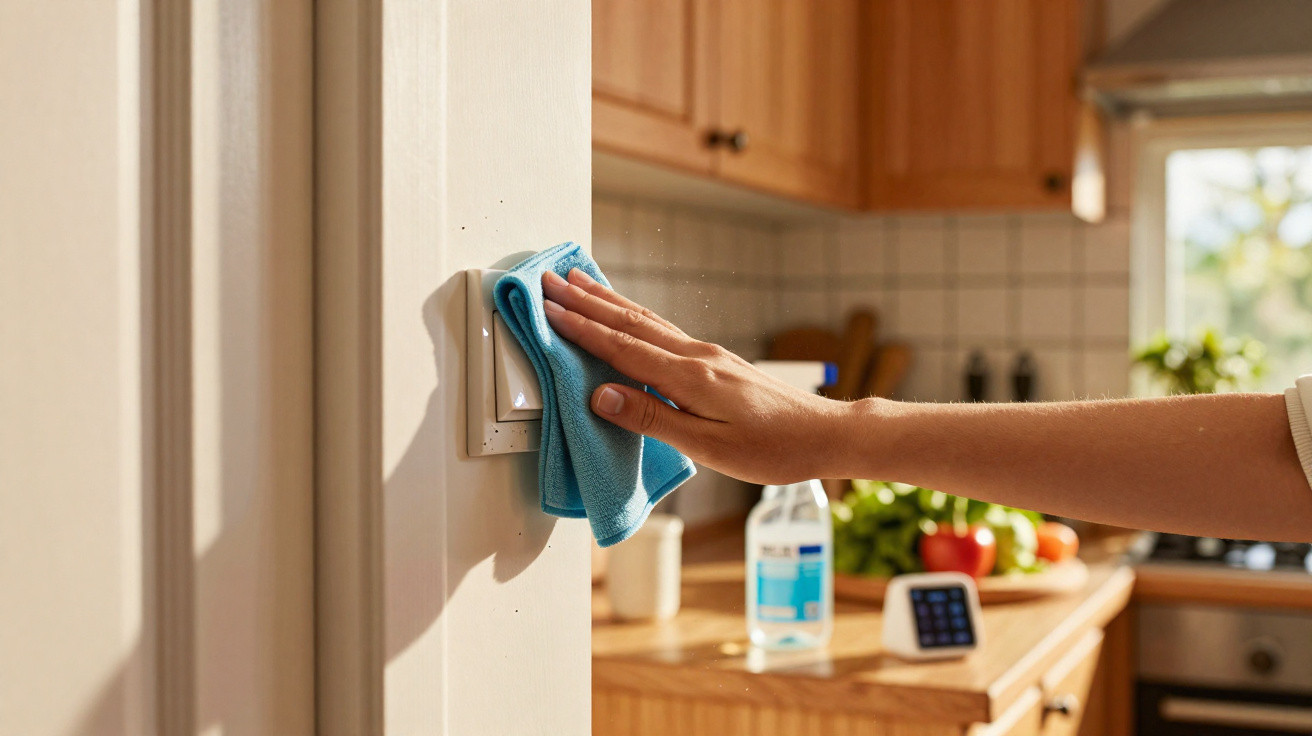
A thick film of bacteria, grease and everyday kitchen grime can quietly build up in one spot. It seems harmless and is easy to overlook, yet it sits right in the middle of everything: between raw meat, vegetables, dirty hands and clean plates. And almost nobody cleans it on a regular basis.
The underestimated germ hotspot in the kitchen
In many homes, this area is practically never wiped down: the kitchen light switch. Small and unremarkable, it can still be one of the dirtiest items in the entire room.
Picture an ordinary cooking moment. You’ve been cutting raw chicken, you turn around and tap the switch. You’re shaping minced meat and reach for the light. You rinse vegetables that still have soil on them, then quickly press the switch again to peer into the pot.
"Every touch leaves microorganisms behind – and because hardly anyone thinks about this spot, a real hygiene issue builds up over weeks."
Pathogens such as E. coli or Salmonella can survive for surprisingly long periods on smooth surfaces. The kitchen can even offer them favourable conditions: warmth from the hob, humid air from simmering pans, airborne grease from frying, and food residue on hands. One press after another, all of that ends up on this small surface.
Research into kitchen hygiene shows that heavily used touchpoints can be contaminated to a similar extent as a chopping board that has had raw meat on it. That comparison alone is enough to change how you look at an otherwise forgettable switch.
If several people in a household use the light switch dozens of times a day, it effectively becomes a circulation route for germs: from raw ingredients to clean hands, then on to cutlery, crockery and children’s mouths. The spread happens without anyone noticing.
Why hardly anyone cleans the switch
The reason is usually habit rather than laziness. When people clean, they focus on big areas: the worktop, sink, cooker and floor. Tiny details are easy to miss in a routine.
On top of that, light switches rarely look “disgusting”. A few fingerprints and a slight greasy sheen are often all you can see with the naked eye. Germs are invisible, and what doesn’t stand out rarely makes it onto the to-do list.
There’s another factor as well: plenty of people are cautious around anything electrical. So they avoid the area while cleaning to “avoid breaking something” - and the switch is left to look after itself.
How often the kitchen light switch should actually be cleaned
Hygiene experts recommend cleaning it at least once a week. In households with children, lots of people, or frequent cooking, cleaning two to three times a week can be sensible - especially if you often handle raw meat and eggs.
"The key isn’t a specialist cleaner, but a dependable routine: short, but regular."
Cleaning safely and properly – step by step
- Know the circuit: Ideally, know which circuit breaker controls the kitchen light. If you want maximum peace of mind during a more thorough clean, switch it off briefly.
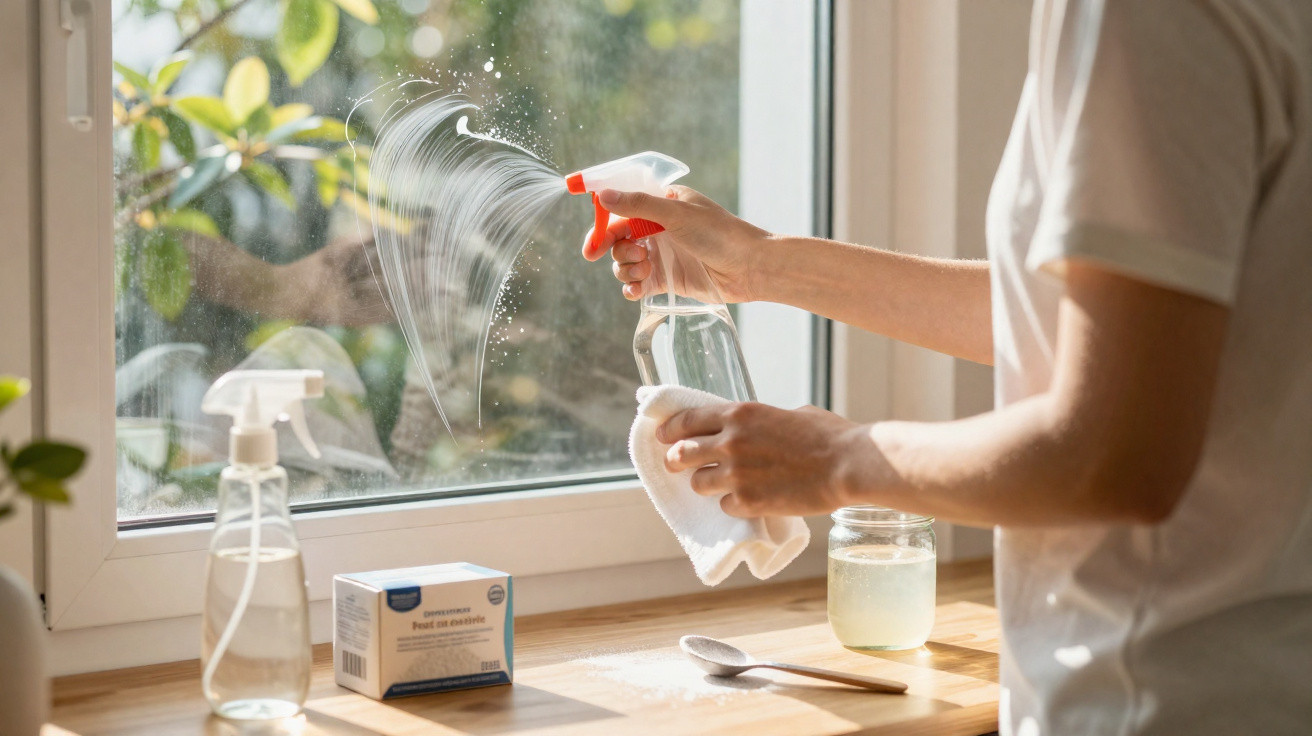
- Never spray directly: Don’t spray liquid onto the switch; apply it to a cloth instead.
- Use a soft cloth: A slightly damp microfibre cloth with a mild cleaner or disinfectant is entirely sufficient.
- Don’t miss the corners: For edges and grooves, use a lightly moistened cotton bud.
- Dry thoroughly: Finish by wiping with a dry cloth so moisture doesn’t seep into the mechanism.
If you’d rather avoid harsh chemicals near food, a simple mix works well: half water and half white household vinegar. It cuts through grease and reduces germs without leaving worrying residues.
More than the light switch: other germ traps within reach
Once you start looking at the kitchen this way, it becomes obvious the switch isn’t the only culprit. Plenty of small, frequently touched surfaces are skipped during cleaning.
These areas should be included at least once a week:
- Fridge handle: Touched whenever you cook - sometimes with fingers that have handled raw food.
- Cupboard knobs and drawer handles: Flour, grease and meat juices can all end up there.
- Tap at the sink: Often grabbed with dirty hands before the water is even running.
- Microwave buttons: Pressed quickly while the other hand is still stirring.
- Hob knobs and appliance control panels: Used throughout the day, including in-between when people are grabbing snacks.
If you group these surfaces together - for example, every Saturday after the food shop or in the evening after cooking - it turns into a fixed routine that’s easy to plan.
Health consequences: who is most at risk
Germs on a light switch aren’t just a theoretical concern. For certain groups, this hidden contamination can have real consequences.
Those most affected include:
- young children, whose immune systems are not yet fully developed
- older people with weaker defences
- people with underlying conditions or compromised immunity
- pregnant women, who need to be particularly careful with foodborne germs
Repeated stomach upsets in families can’t always be pinned on a spoiled food item. Often, shared touchpoints such as light switches, handles or phone screens used in the kitchen play a part - they link everyone’s hands together.
What professional kitchens do differently
In restaurants and commercial kitchens, surfaces like these are routinely included in daily cleaning. It’s not only work surfaces and chopping boards that are cleaned; all regularly touched parts are addressed systematically: switches, handles, buttons and control elements.
"The idea is simple: every touchpoint can be part of the chain of infection - and therefore has to be taken as seriously as a board used for raw meat."
Apply that principle at home and food safety improves noticeably. Storage questions such as “How long will this dish keep in the fridge?” still matter, but they aren’t enough on their own. Clean hands and low-germ touch surfaces reinforce each other.
How to embed the new routine in everyday life
The biggest enemy of small hygiene habits is simply forgetting. A few tactics can help make cleaning switches a habit:
- Set a fixed day: For example, every Sunday evening after dinner.
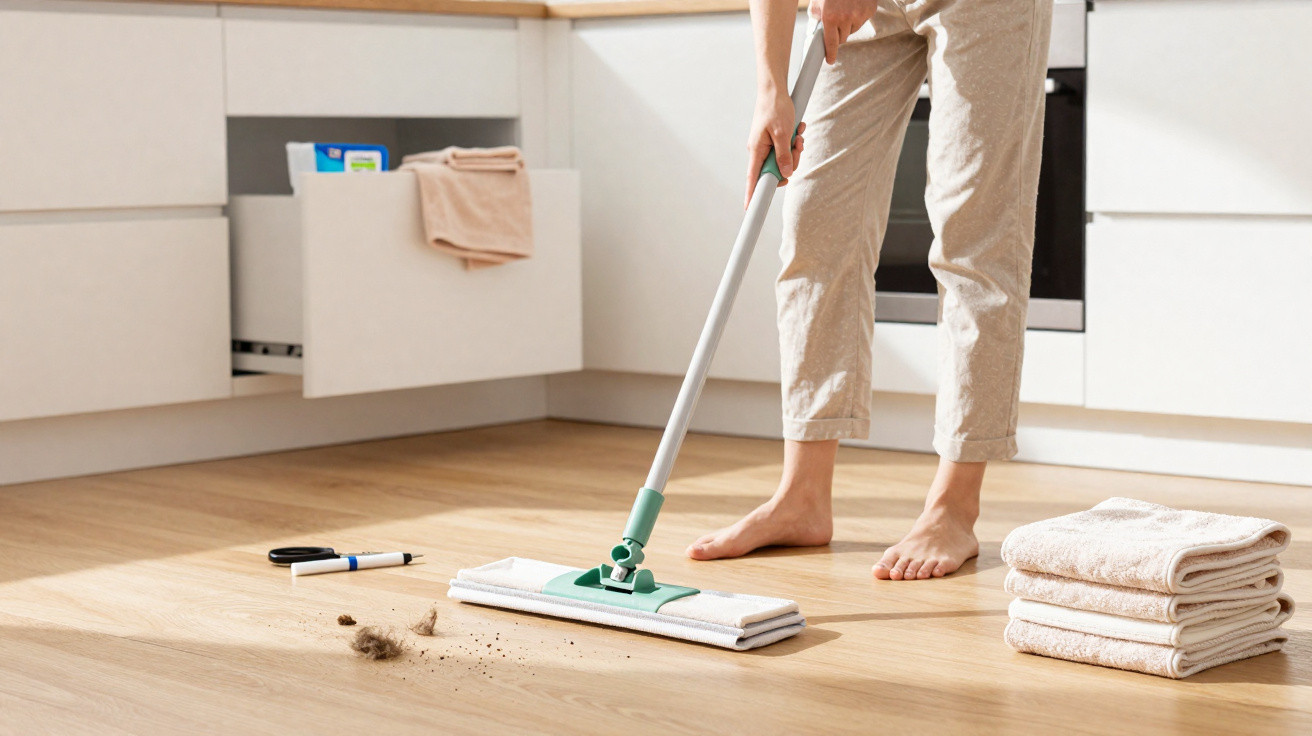
- Tie it to other tasks: Whenever the bin is taken out or the floor is mopped, do the switches and handles too.
- Keep cleaning kit close at hand: A small spray and a microfibre cloth in a kitchen drawer lowers the barrier significantly.
- Introduce household rules: In families, you can involve children playfully: “Whoever cleans the switch today gets to turn on the radio in the kitchen.”
When you look at the time involved, the step almost seems comically small: under two minutes a week for all the switches put together. Over a year, that adds up to well under two hours - for a measurably cleaner kitchen.
Further levers for a more hygienic kitchen
Beyond standard cleaning, air quality plays a part too. Grease and steam from pans settle onto everything - including switches. Using an extractor hood properly and airing the room with short, brisk ventilation helps reduce the film that can act as a breeding ground for germs.
Some people also rely on houseplants that may improve the air, such as large-leafed green plants. They don’t replace a cloth, but they can contribute to an overall fresher indoor climate. At the same time, it’s worth looking at other “entry points” for dirt: insects coming in through open windows, shoes tracking in grime, and pets bringing it in on paws and fur.
Once you really register how many hands touch the kitchen light switch each day, you start to see it differently. Picking up a cloth once a week then feels like a small but highly effective everyday safety belt.

Comments
No comments yet. Be the first to comment!
Leave a Comment