
A hot shower ought to feel restorative, but for many people it is spoiled by the musty odour of a towel.
That sharp, faintly damp smell lingering on supposedly clean towels is a common irritation, particularly in compact bathrooms with limited ventilation. The answer is seldom found in the washing machine. More often, it begins with the way towels are stored in the bathroom.
The simple shelf rule people keep ignoring
Most people place towels on the closest shelf, rail or hook without a second thought. When the smell returns, laundry products tend to get the blame. However, household cleaning experts point to a less obvious cause: the arrangement of bathroom shelves and the way towels are stored together.
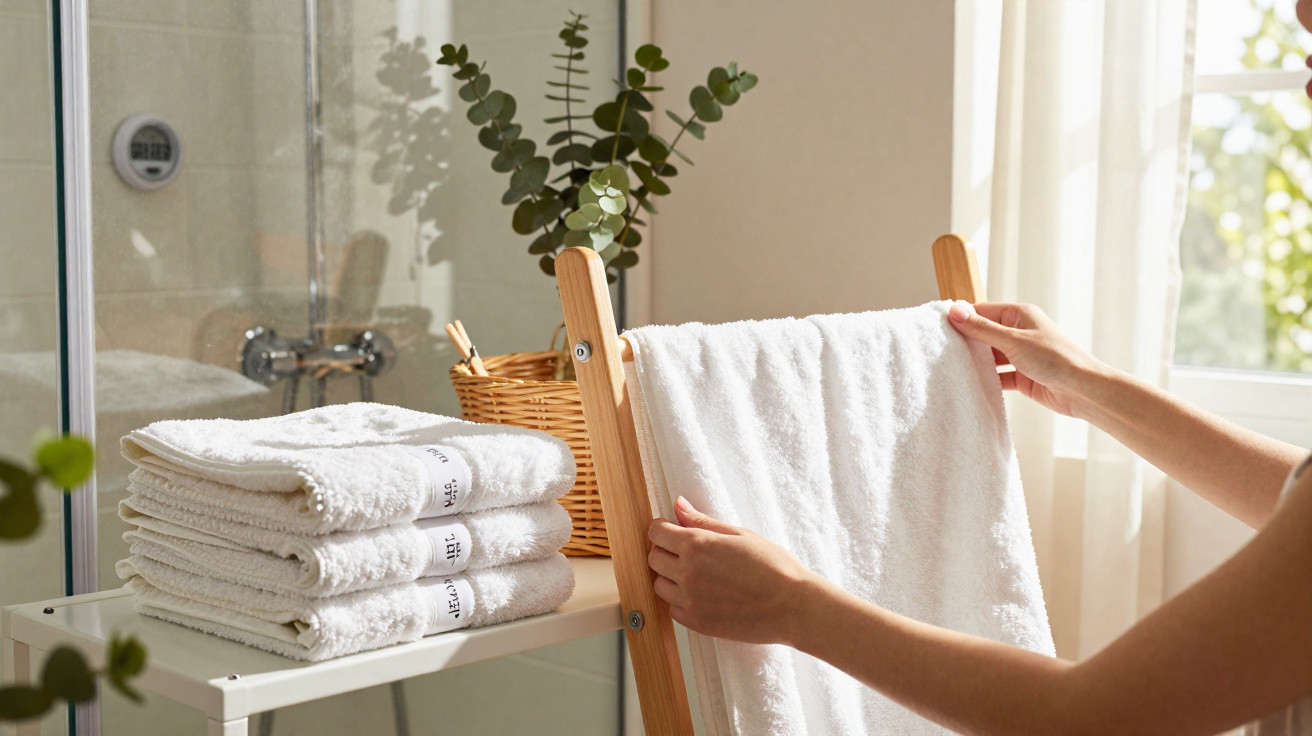
The “forgotten shelf rule” is straightforward: wet or used towels should never share a shelf with fully clean, fresh ones.
Damp towels placed beside, below or over fresh ones transfer more than just their location. Moisture, skin bacteria and retained humidity can pass readily between the fabrics. This combination soon produces a mild sour smell, which may become noticeable after just one shower.
It is essentially cross-contamination for textiles. A clean pile can absorb humid air coming from one wet towel. After a day or two, the entire stack may feel a little clammy, despite appearing clean.
How the sour smell actually forms
The “wet dog” or vinegar-like scent is caused by bacteria and mildew feeding on residual body oils and skin cells. Towels collect these every time they come into contact with skin. When the material fails to dry quickly, microorganisms flourish within warm, damp cotton loops.
Bathrooms commonly retain steam, particularly after hot showers. With the door closed and no window open, humidity can remain high for several hours. Shelves positioned behind doors or close to the ceiling keep warm, moist air for the longest time. This microclimate can turn a neatly arranged towel stack into a perfect small incubator.
Even a freshly washed towel can start to sour within 24 to 48 hours if it never fully dries between uses.
The overlooked rule is important because storing wet and dry towels together leaves the full stack slightly damp. Although the fabric may seem dry on the surface, enough moisture can remain deep in the fibres to sustain bacteria.
Reworking your bathroom layout around the shelf rule
The remedy is frequently a matter of rearrangement rather than purchasing new products. Experts recommend dividing the bathroom into distinct zones, much like a small wardrobe.
Zone 1: Drying area for used towels
This area should be kept separate from shelves used to store clean textiles. It needs the greatest possible airflow, with as little contact as possible with freshly laundered items.
- Use a heated towel rail solely for towels that have been used or are drying.
- Put bath mats and hand towels on separate hooks or bars instead of draping them over the same rail as clean towels.
- Keep gaps between towels to allow air to circulate around each one.
Where there is no heated rail, a basic wall hook close to an opening window is preferable to an overcrowded hook on the back of a door, where it remains hidden in steam.
Zone 2: Storage for clean-only towels
Fresh towels require a cooler, drier part of the room. For convenience, many households store them above the toilet or directly over the bath. In most cases, these are the places exposed to the greatest amount of steam and condensation.
Keep clean towels on a separate, dedicated shelf or basket that never holds wet or partly used ones, even “just for a minute.”
Where possible, select a high shelf that is away from direct shower spray, but avoid one pressed against an exterior wall that often feels cold and damp. For homes with particularly steamy showers, a freestanding rack immediately outside the bathroom can be surprisingly effective.
Zone 3: The “in-between” rotation spot
Many homes have towels that are neither properly dirty nor newly washed. These are often the most difficult to manage. The rule is simple: regard them as used towels rather than clean ones.
Assign them a separate hook or rail, and do not return them to the fresh stack, even when they appear spotless. This small act of discipline stops mustiness from spreading through the entire pile.
Small changes that make a big difference
Alongside the shelf rule, several practical adjustments can greatly reduce sour smells, particularly in small bathrooms or those without windows.
| Problem | Simple adjustment |
|---|---|
| Towels still feel damp hours after a shower | Leave the bathroom fan running for at least 20 minutes, open the door, and spread towels flat across the rail. |
| Sour smell even in “dry” stacks | Rotate stacks every week, placing older towels on top so they are used first and spend less time exposed to humidity. |
| No space for separate clean storage | Keep clean towels in a lidded basket outside the bathroom, bringing in only one or two at once. |
| Persistent mustiness despite washing | Wash towels once in hot water with a cup of white vinegar, then wash them again with detergent to clear built-up residue. |
How often should towels be changed?
Hygiene specialists generally recommend replacing bath towels after three to four uses in homes with good ventilation. In humid areas or windowless bathrooms, many suggest changing them after every two or three uses instead.
Hand towels by sinks accumulate more bacteria, as several people may touch them throughout the day. Changing them daily is beneficial, especially in shared homes or when someone is unwell.
Even the best shelf organisation cannot compensate for towels that stay in circulation for weeks without a proper wash.
Choosing the right towels for faster drying
The type of fabric also has an understated influence. Thick, fluffy towels may feel luxurious, but they tend to retain moisture for longer. This leaves them more vulnerable to sour odours in confined, damp bathrooms.
Lightweight cotton, cotton-linen blends and so-called “quick dry” weaves let air pass through the loops more freely. Microfibre also dries quickly, although some people prefer the feel of cotton against their skin.
Homes with poor ventilation may benefit from using a mixture of textures:
- Save plusher towels for guests or weekend baths.
- Use thinner, quicker-drying towels for everyday showers.
- Set aside one or two older towels as “sacrificial” drying cloths to wipe shower screens and tiles after use.
This final practice lowers humidity and condensation, quietly reinforcing the shelf rule by ensuring that the air around stored towels remains drier.
When the smell will not go away
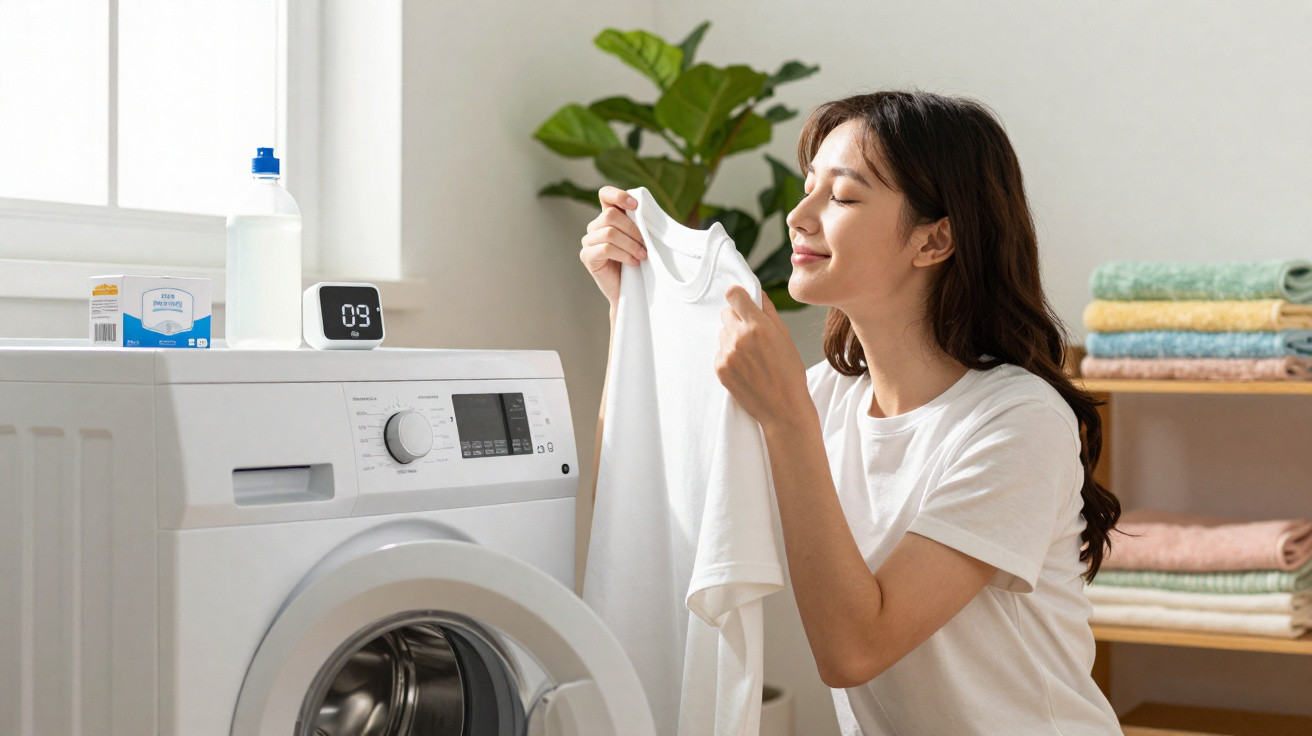
When towels smell sour as soon as they become damp, even following a thorough wash, the issue may lie deeper in the laundry routine. Fabric softener, for example, may coat fibres and retain moisture. Excess detergent can leave behind residue on which bacteria feed.
Many laundry professionals recommend a reset wash: run a hot cycle without detergent, followed by another cycle using only a small amount, while avoiding fabric softener completely for a time. Dry towels thoroughly, ideally in direct sunlight or in a tumble dryer on a higher heat setting. Once this reset has been done, following the bathroom shelf rule can preserve that fresh condition for much longer.
Beyond towels: the wider moisture trap in bathrooms
Towels are rarely the only items affected. Shower curtains, bath mats and even clothes left hanging can retain moisture and spread the same musty odour. Apply the same zoning approach to them. Bath mats should be hung up to dry rather than left crumpled on the floor. Shower curtains need to be fully spread out between uses, instead of remaining against the wall in damp folds.
Some households place a small humidity monitor on a bathroom shelf. This straightforward device indicates when the room has entered the range in which mildew thrives. Controlling humidity protects towels, paintwork and even ceilings from gradual, unseen damage.
For tenants in small flats or people sharing student houses, these changes may seem difficult to achieve. Still, one or two adjustments - such as storing clean towels outside the bathroom and following the “no wet item on the clean shelf” rule - can substantially reduce sour towel smells without requiring new gadgets or expensive renovation work.

Comments
No comments yet. Be the first to comment!
Leave a Comment