
A woman in a worn hoodie stood at the kitchen counter, flicking through TikTok with one hand while gripping a mug of cold coffee in the other. On screen, a creator beamed at the camera: “My 2-hour bleach and vinegar deep-clean cycle – your washer will smell BRAND NEW.”
She paused, watched it again, then scanned the comments packed with heart emojis and messages such as “Omg trying this tonight.” A pristine washing machine drum flashed across the screen, backed by a catchy sound and the promise of removing years of dirt and that odd musty odour. The two products were already beneath the sink. It seemed so effortless that skipping it almost felt careless.
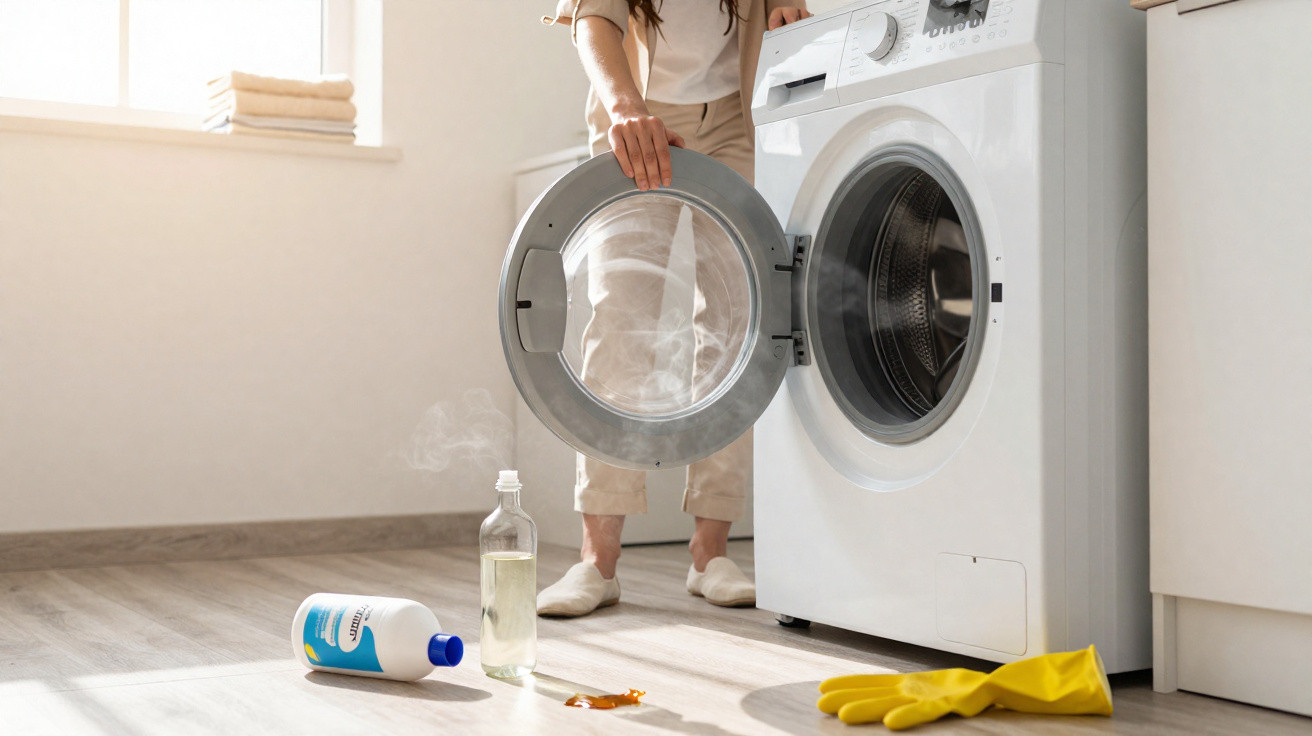
Elsewhere in the same city, a plumber was putting on gloves beside a washing machine that had stopped halfway through its cycle, leaving the utility room filled with an acrid smell that scratched at the throat. It was the same hack, using the same ingredients, but with a completely different outcome.
Not every cleaning trick is designed to work in your favour.
The viral hack that seems clever… until your washer pushes back
In theory, the 2-hour bleach and vinegar washing machine hack appears to be a modern-day miracle. Add bleach to the detergent drawer, pour vinegar into the drum, choose the hottest and longest programme, close the door and leave it alone. With two inexpensive bottles and an unhurried afternoon, your drum is supposedly left sparkling clean.
Clips showing this method attract millions of views. The appeal is obvious: no more sour-smelling towels, no more dull white laundry and no more awkwardness when somebody opens the washer door and notices that smell. Cleaning while you watch a series or endlessly scroll on your phone feels like productivity for nothing.
However, washing machines do not exist on TikTok. They sit in cramped utility rooms, often connected to ageing hoses, partly blocked filters and seals never intended to encounter a chemical mixture. Plumbers are witnessing the less glamorous side of the trend, and it is quietly alarming them.
A London plumber we spoke to says he now receives calls “weekly” from people whose washers have begun leaking or smelling like a swimming pool gone wrong after using this precise hack. One job involved a young couple who had copied an Instagram reel exactly.
They tipped a generous amount of bleach into the drawer, added white vinegar to the drum, selected a two-hour 90°C programme and went to the gym. On their return, the utility room was thick with sharp chlorinated fumes. The machine had stopped partway through, with its error light illuminated. Inside, the rubber door seal was beginning to pit and break down.
On another callout, in a basement flat, an equivalent mixture travelled somewhere it was not meant to go: into an ageing waste pipe already lined with years of detergent residue. The particularly strong chemical blend attacked softened plastic, a joint gave way, and the gradual leak went unnoticed until the downstairs neighbour reported a brown patch spreading across their ceiling.
Each of these incidents stems from the same assumption: more chemicals, more time and greater heat must mean a “proper deep clean”. That calculation simply does not work.
What really happens when bleach and vinegar are mixed inside the workings of a washing machine for two uninterrupted hours? Bleach is alkaline, while vinegar is acidic. Combining them in an enclosed environment does not give your washer a pleasant spa treatment.
When mixed directly, the acid in vinegar can cause ordinary household bleach to release chlorine gas. Outdoors, it may only irritate your nose. But inside a sealed drum, where hot water and steam drive vapours through every small opening, you have effectively built a small, aggressive chemical factory beneath your worktop.
Those vapours are more than merely unpleasant. Gas can move through minute gaps, reaching control panels, passing into plastic casings and surrounding rubber seals. In time, that combination can damage metal components, wire insulation and silicone parts. It is the sort of gradual harm that stays invisible until your previously reliable machine develops a leak, makes a hissing sound or displays an unexplained error code that will not disappear.
How to deep-clean your washing machine without starting a chemical war
An effective clean need not be dramatic. Plumbers and appliance engineers generally advise using one product at a time and following straightforward steps that account for how the machine is constructed. Think of it as a quiet spa day rather than Breaking Bad in the utility room.
One safe method favoured by many engineers begins with an empty drum and either a purpose-made washing machine cleaner or a standard oxygen-based laundry booster, such as sodium percarbonate rather than chlorine bleach. Use your machine's hottest maintenance programme, running it monthly or every couple of months if you do not regularly wash heavy loads.
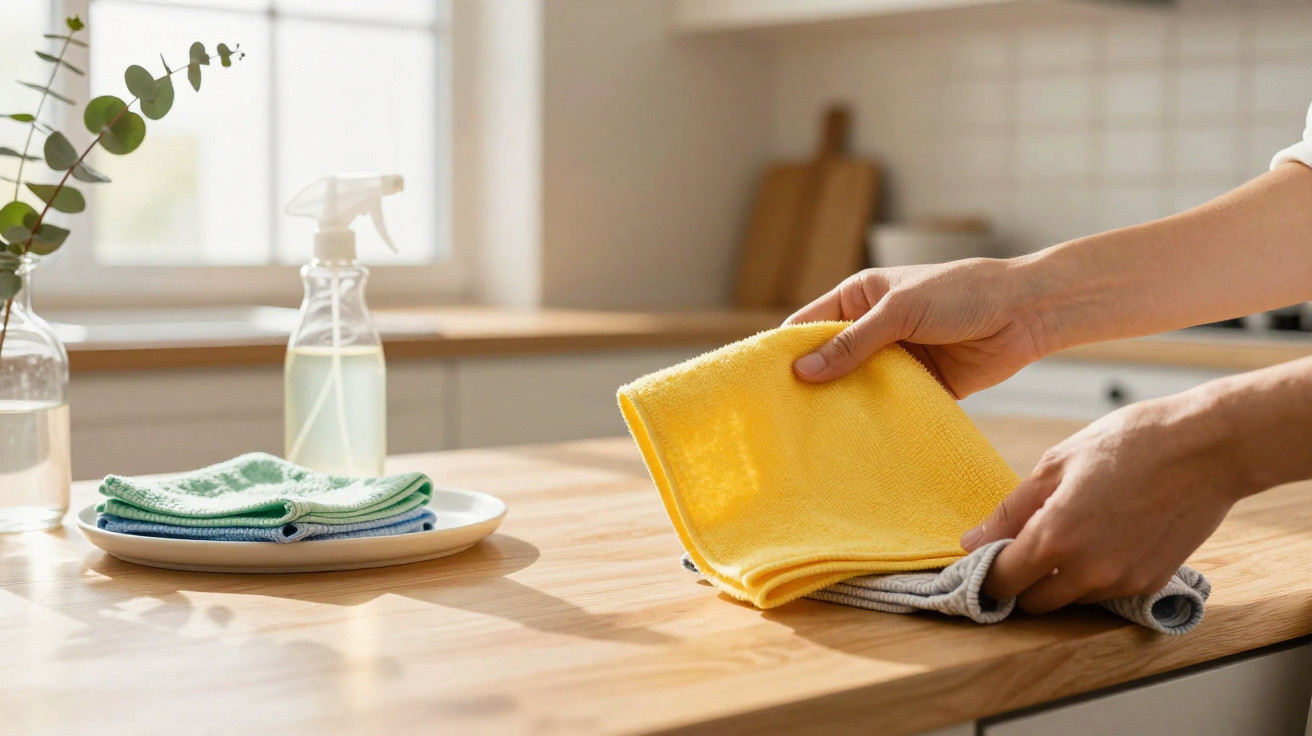
The following stage is hands-on but takes little time. Clean the rubber door seal using a cloth moistened with warm, soapy water, making sure to reach inside the fold where grime tends to collect. Remove the detergent drawer and wash away the black slime that may have been quietly growing behind it. Then clean the filter at the bottom of the machine, where missing coins, hair ties and lint like to gather for their unofficial reunions.
Vinegar can still be useful for odours that remain after a hot cycle. It should simply never be used alongside bleach, nor poured in by the cupful every weekend. Run a short warm programme with a small quantity of white vinegar - half a cup - in the empty drum. Afterwards, leave the machine open so that the inside can dry fully.
Everyday habits achieve more than dramatic rescue washes. Leaving both the door and detergent drawer slightly open between cycles does more to prevent mould than any viral trick. Reducing the amount of detergent also helps. Modern washing machines and detergents are more powerful than those many of us grew up with. The huge pile of suds shown in adverts is not beneficial.
On an exhausting Tuesday evening, nobody wants to take apart a filter or scrub a rubber seal. That is entirely normal. On a real-world scale from 1 to perfect homemaker, most of us sit somewhere in the middle. Let’s be honest: nobody really does that every day.
That is exactly why the 2-hour bleach-and-vinegar “set it and forget it” soak is so attractive. You press a button, walk away and feel as though you have behaved responsibly. The unseen compromise is additional strain on the components that are most difficult and costly to replace. Plumbers say they see the same issue repeatedly: excessive product, too much strength and too much time.
Treat your washer more like a car than a bin. A modest, regular maintenance routine is gentler than one enormous “detox” attack. Using the built-in drum-clean programme monthly, wiping the seal whenever you think of it and avoiding leaving wet clothes overnight in a closed drum will discreetly lengthen its lifespan much more effectively than any dramatic hack currently trending.
As one experienced plumber said while watching a client add two different liquids to a machine as though conducting a science experiment:
“If you wouldn’t mix it in a bucket with your face over it, don’t mix it in a hot, sealed metal box next to your living room.”
For anyone who prefers a quick checklist, this is a calmer and more budget-friendly way to care for a washing machine:
- Use either bleach or vinegar if necessary - never both in the same cycle.
- Once a month, run an empty hot cycle with a proper washer cleaner.
- Wipe the rubber seal and clean the filter every few weeks.
- Keep the door and drawer open between loads so the drum can dry.
- Reduce detergent use by 20–30% and do not rely solely on cold washes for heavily soiled items.
The hidden price of shortcuts - and why slower cleaning makes sense
We live in a culture that loves a hack. Cutting minutes from household chores can feel like reclaiming small parts of our lives. That emotional appeal drives the 2-hour bleach and vinegar wash: it gives the impression that you have done something responsible and grown-up while barely taking part.
But accounts from the other side of the spanner - flooded kitchens, damaged seals and coughing fits in small flats full of harsh fumes - reveal another reality. Those apparent “savings” often return later as callout fees, weekends lost while waiting for a repair appointment and frantic laundry loads at a friend's home.
At a deeper level, this hack asks us to place more faith in a performance than in an instruction manual. A smiling creator in a spotless kitchen says, “This changed my life,” and it is easy to overlook the fact that your washer may be older, your pipes may be narrower or your ventilation may be inadequate. The algorithm cannot see any of those details. It only sees your click.
The slower, less glamorous alternative is rarely recorded: someone quietly checking the instruction booklet, searching for their model number or asking a local repair engineer what genuinely helps these machines last beyond ten years. It may be less cinematic, but it usually results in drier floors and fewer problems.
We have all stood in front of a humming washer, noticed a slightly strange smell and thought, “I really should deal with that.” During a hectic week, the urge to reach for the strongest products under the sink and throw them at the issue can feel almost physical. In that moment, a trending hack can seem like a helpful friend, while a plumber's warning sounds like nagging.
Perhaps the real change has nothing to do with bleach or vinegar. It may be about whose advice we invite into our laundry rooms: the 30-second reel offering magic, or the quiet, unshowy person who has seen the consequences of a hundred “miracle” cleans. Somewhere between them lies a washing machine that does its work reliably for years, without fuss, fumes or becoming the central character in a disaster story told over dinner.
| Key point | Detail | Why it matters to the reader |
|---|---|---|
| Do not mix bleach and vinegar | The combination can release chlorine gas in a hot, enclosed drum | Reduces the risk of toxic fumes and expensive internal damage |
| Choose regular maintenance | Run a hot empty cycle and clean the seal, filter and drawer every month | Extends the machine's lifespan and helps prevent bad odours |
| Avoid aggressive “hacks” | Use one product at a time, in moderate amounts and in line with manufacturer guidance | Prevents leaks, sudden faults and unexpected plumber's bills |
FAQ:
- Is it ever safe to use bleach in a washing machine? Yes, in moderation and on its own. Use the dose recommended by your machine and detergent maker, run a full rinse, and ventilate the room.
- Can I use vinegar to clean my washer if I skip the bleach? Occasionally, in small amounts. A short warm cycle with half a cup of white vinegar can help with odours, but daily use isn’t necessary.
- Why does my washing machine smell even after I clean it? Lingering smells often come from trapped sludge in the filter, detergent drawer and door seal, or from always washing on cold.
- Are washing machine cleaner tablets worth it? For many households, yes. They’re designed for the job and gentler on components than random chemical mixes from the cupboard.
- How often should I run a maintenance wash? Most plumbers suggest every 4–6 weeks for a busy family, and every couple of months for lighter use, using a hot empty cycle.



Comments
No comments yet. Be the first to comment!
Leave a Comment