
The piercing artificial fragrance takes over the bathroom before the vapour from a hot shower has a chance to rise. White foam pools across the tiles like whipped cream before being swept away in hurried, anxious motions. It is late and you are exhausted, yet you carry on spraying. Surely more product means a cleaner room, doesn’t it?
Ten minutes afterwards, your throat feels slightly raw. Your fingertips are dry and taut. The chrome tap is immaculate, almost unnaturally glossy, as though it belongs in a showroom. You walk out feeling responsible and accomplished, without quite considering what has been left floating in the air around you.
Experts are increasingly willing to say what many people do not want to hear: the cleaning routine we see as “extra safe” may be silently damaging our homes, surfaces and health. Most of us repeat it several times each week.
Why your obsession with “disinfecting everything” might be backfiring
The pattern is unmistakable: households are cleaning more intensely and with harsher products than before. Multipurpose sprays, disinfectant wipes and bleach-based cleaners stand in formation beneath the kitchen sink. Since the pandemic, many homes have effectively become miniature laboratories. The reasoning appears straightforward: more disinfection means fewer germs and greater safety.
But the view changes when you speak to those who study the subject closely. Reaching for powerful disinfectants on every surface, every day, is not “extra clean”. It creates cumulative damage to your lungs, skin, furnishings and even the seals in your washing machine. More concerningly, repeatedly blasting your home with strong chemicals can leave indoor air more polluted than the air outside on the street.
A 2024 European survey of household habits found that nearly 62% of respondents used disinfectant products “several times a day” in the kitchen alone. One mother of three whom I interviewed described a routine that sounded almost military: bleach spray after breakfast, disinfectant wipes following snacks, then another cleaning round before bedtime. As she put it: “If I don’t smell the product, it doesn’t feel clean.”
Eventually, she began experiencing evening headaches “for no reason”. Her youngest child developed a persistent cough that doctors found difficult to account for. The possible connection only began to emerge when a paediatrician questioned the family in detail about their cleaning practices. After they halved their disinfectant use and replaced it with simple soap and water for certain jobs, the cough gradually improved. There was nothing miraculous about it, only less chemical haze in a small flat.
The science is less sensational than it may sound, but it is genuine. Numerous household disinfectants give off volatile organic compounds (VOCs) alongside other reactive gases. These substances do not disappear once the foam has gone; they linger, combine and react in the air inside your home. When used occasionally with good ventilation, they are generally manageable. When used continually in enclosed rooms, they form a low-level mixture that may irritate airways, dry the skin and put strain on the materials you are attempting to preserve.
Dermatologists are now treating more cases of hand dermatitis associated not just with soap, but with frequent exposure to concentrated sprays and wipes. Respiratory specialists also note that some asthma flare-ups in the home are connected to the very products purchased to “protect” the family. The gesture that feels caring can, when done too much, become a slow attack on your own comfort.
How to clean smarter: what the experts actually recommend
Many experts make the same point in private: cleaning is not the issue; excessive disinfecting is. For everyday messes such as table crumbs, muddy footprints or minor bathroom grime, ordinary soap and water or a gentle cleaner is sufficient. Germs have no special powers. They do not require a chemical bomb to be removed.
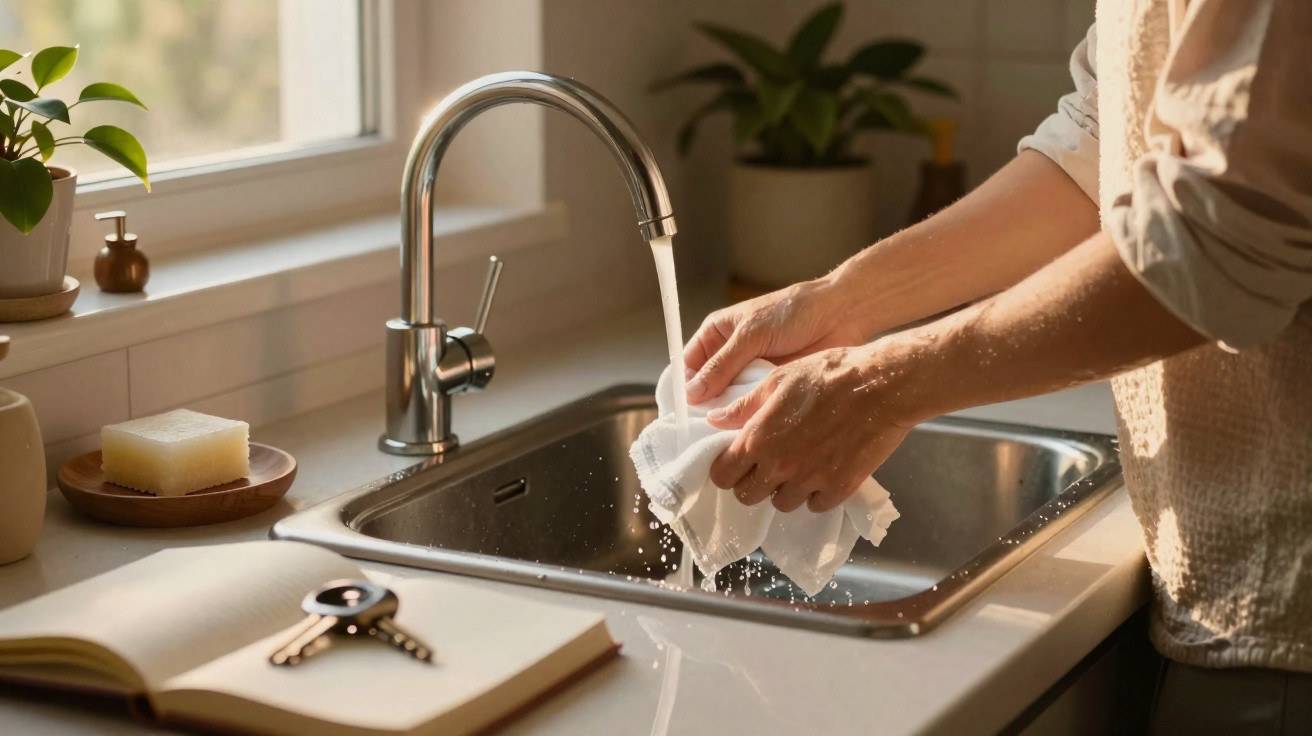
One straightforward method repeatedly raised in interviews is a tiered approach. Keep strong disinfectants for just three situations: the toilet bowl and seat, surfaces exposed to raw meat or bodily fluids, and periods when someone in the household is ill. That is all. For everything else, use a microfibre cloth and warm soapy water, rinsed well and thoroughly wrung out. A brief contact time, a clean cloth and a clean surface are enough. There is no reason for every worktop to smell of a swimming pool.
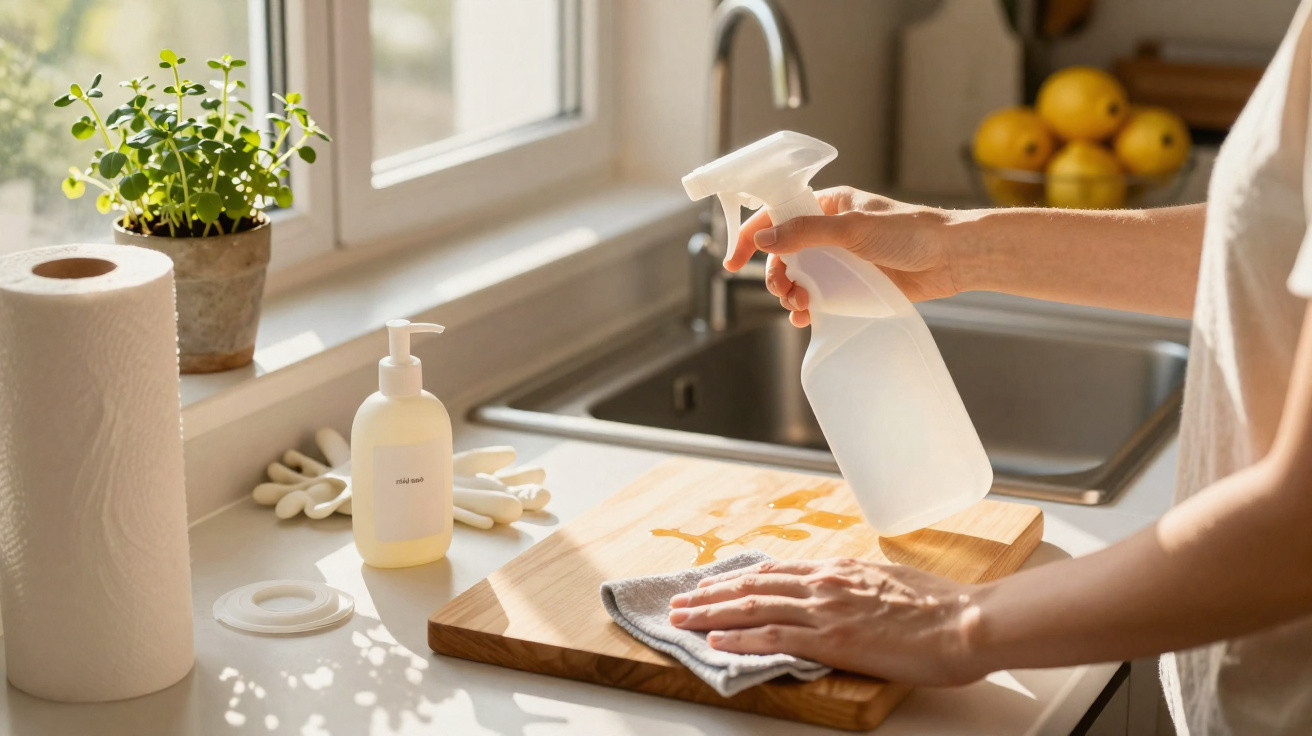
In practice, this involves altering a few automatic habits. Rather than using disinfectant wipes after every sandwich, prepare a small spray bottle containing diluted washing-up liquid and water. Spray it, wipe it away, and you are finished. For floors, choose a mild detergent for mopping instead of a heavy antibacterial formula. In most bathrooms, a thorough weekly clean using suitable products, alongside quick daily rinses, will do the job. Let us be honest: nobody really does this perfectly every day.
Some readers admit they worry that abandoning “maximum” methods will turn their home into a germ festival. The evidence does not support that fear. The real problems are dirty sponges, worn cloths that never dry properly and kitchens with no ventilation. They are not caused by choosing a basic cleaner rather than a hospital-grade disinfectant twice daily.
The emotional burden created by standards of “perfect” cleanliness can be immense. One nurse I spoke with said she feels guilty whenever her bathroom does not constantly smell of harsh disinfectant, despite spending her working days around genuine medical protocols. “My home has to be cleaner than work,” she told me. “If my kids get sick, I feel like it’s my fault.”
Public health specialists want to change this way of thinking. They point out that an ordinary home contains everyday microbes, and that some microbial diversity is part of life, particularly for children. Over-sanitising is not only exhausting; it may disrupt the balance of beneficial and neutral microbes in your surroundings. This is not an argument for allowing mould to spread unchecked, but for stepping away from the pursuit of permanent chemical “zero germ”.
“Using strong disinfectants for every bit of dust doesn’t make a home healthier,” says indoor air specialist Dr. Lisa Morgan. “It just makes the air more polluted and the occupants more exposed. Clean regularly, yes, but disinfect strategically, not obsessively.”
To turn that advice into everyday decisions, keep this simple mental checklist in mind before reaching for the bottle:
- Ask “why this product?”
Is there a real infection risk, or are you simply dealing with crumbs and visible dirt? - Consider frequency
Low-risk areas rarely need daily disinfection; once a week or “as needed” is often sufficient. - Ventilate every single time
After using strong products, open a window or door for at least 10 minutes. - Protect your hands
Gloves or barrier cream may help limit irritation and tiny cracks in the skin. - Alternate methods
Where suitable, incorporate steam cleaning, microfibre cloths with soap, or simply hot water.
Rethinking what “clean” really means at home
When you begin challenging the instinct to “disinfect everything, all the time”, an unexpected sense of relief can follow. The pressure starts to lift. Cleanliness no longer has to mean a harsh chemical smell in every room or wiping down the same surface six times daily. Instead, it can become a calm routine: visible dirt removed, important areas handled carefully and air that feels easy to breathe.
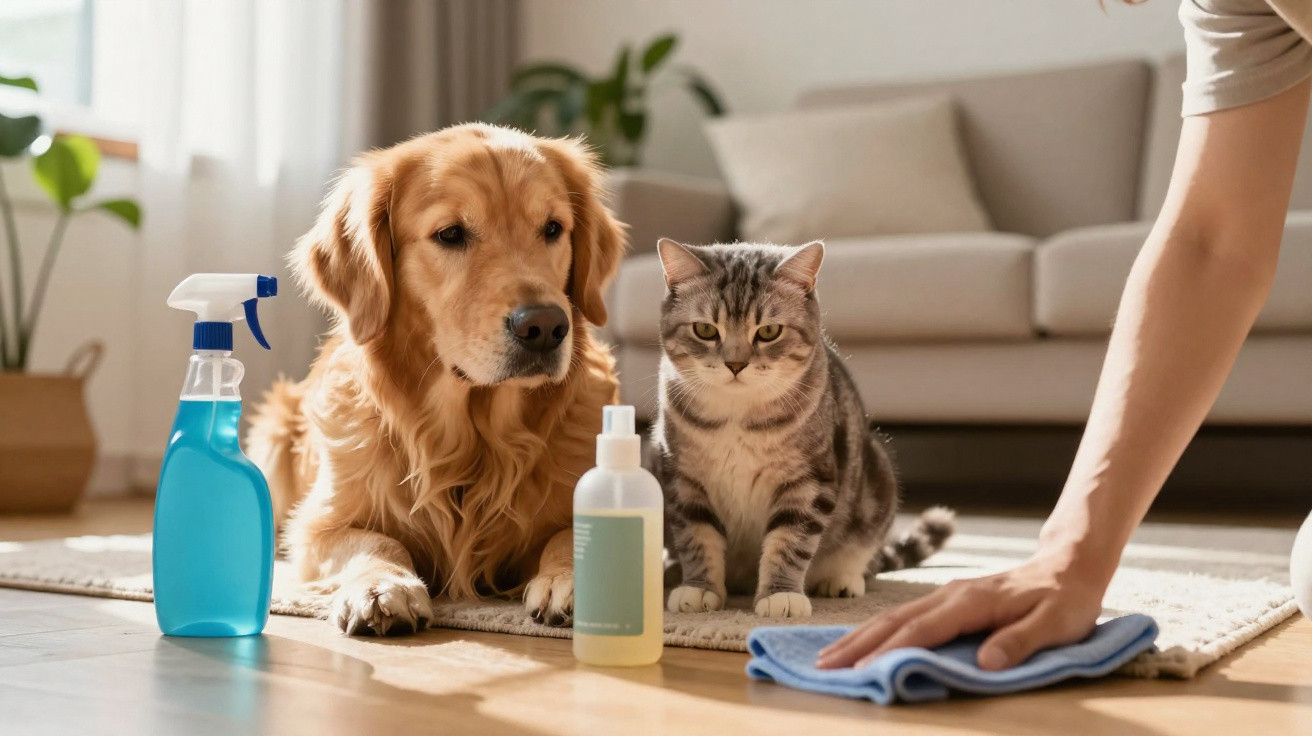
We have all experienced the moment when the doorbell rings and we scramble for a scented spray, as though fragrance alone could change reality. Years of advertising and social expectation have shaped that response. Releasing it is a small act of defiance, but also one of care: for your lungs, skin, children playing on the floor and pets that sniff everything at nose height.
The experts who spend their careers testing air quality, examining microbes and monitoring allergies do not tell us to stop cleaning. Their advice is to clean where it matters, using what is needed and nothing more. Ventilate as your grandmother once did. Alternate products rather than applying them in layers. Treat labels not as marketing claims, but as lists of chemicals entering your private space.
Some readers may feel criticised, while others will recognise familiar signs: headaches after a freshly “sanitised” bathroom, hands that split every winter or a baby who coughs more on cleaning days. This is not intended to create another source of anxiety, but to offer a new possibility. What if being a “good” caretaker of your home meant, paradoxically, relying less on aggressive products and more often on simpler methods?
Perhaps real luxury is not a home that smells of chlorine from the hallway, but one with calm air, undamaged surfaces and a cleaning routine that does not consume your energy or harm your health. The method used each day shapes that invisible atmosphere. Passing on that idea may be a modest way to change how we all breathe at home.
| Key point | Detail | Benefit for the reader |
|---|---|---|
| Chemical over-cleaning | Excessive everyday use of harsh disinfectants | Understand why being “too clean” can damage health |
| Targeted approach | Reserve strong disinfectants for high-risk areas and situations | Reduce exposure without giving up hygiene |
| Gentler alternatives | Microfibre cloths, soapy water and consistent ventilation | Adopt simple, effective and less toxic habits |
FAQ:
Is it really bad to use disinfectant wipes every day?
Occasional use is fine, but relying on them several times a day, especially in small, poorly ventilated rooms, increases exposure to irritants and dries out skin. Most everyday messes don’t need disinfection, just cleaning.What’s the safest routine for a family with young children?
Clean visible dirt regularly with mild soap and water, focus disinfection on toilets, raw meat areas and times of illness, and air out rooms daily. This balances hygiene with a healthier indoor environment.Can over-disinfecting really affect my breathing?
Yes. Repeated use of products that emit strong vapours or VOCs can irritate airways, especially in people with asthma or sensitive lungs. Symptoms can include coughing, tightness, or headaches after cleaning.Are “natural” cleaning products always safer?
Not always. Some contain powerful essential oils or acids that can also irritate skin and lungs. “Natural” on a label doesn’t guarantee low risk; it’s still worth reading ingredients and ventilating.What’s one simple change I can make starting today?
Switch one frequent disinfecting habit - like wiping kitchen counters after every snack - to a microfiber cloth with warm, mildly soapy water, and open a window while you clean. Small shifts, repeated often, make the biggest difference.
Comments
No comments yet. Be the first to comment!
Leave a Comment