
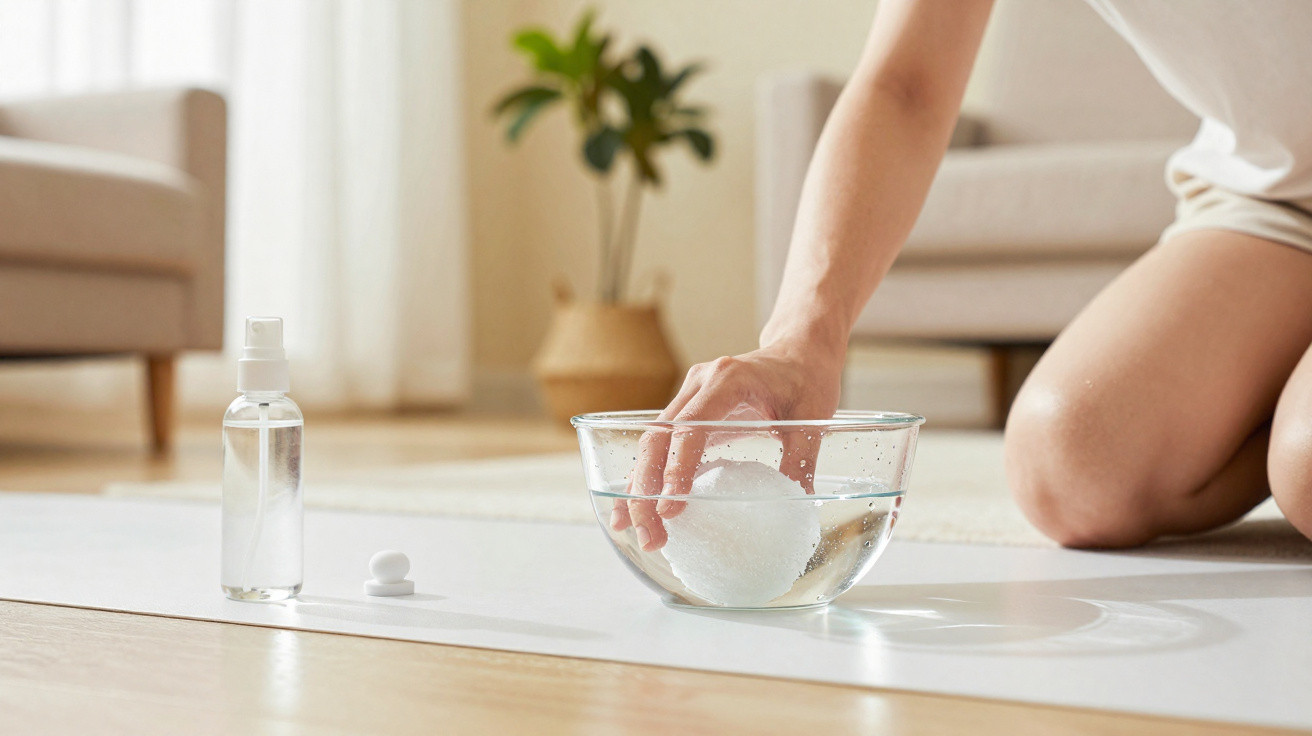
Dust seems to return before you have even stored the vacuum cleaner, particularly on the neglected strips running along the base of the walls.
Baseboards seldom appear on a proper cleaning checklist, but they give the game away whenever visitors call. A single look towards the floor reveals it: a faded grey band circling the room. It can reveal more than expected about the air in your home, daily routines and heating.
Why baseboards collect dust so fast
Baseboards are positioned precisely where airflow, activity and gravity converge. With every footstep, fine debris is pushed across the floor. Heat from radiators rises while cooler air drops, creating a cycle that moves lint, pet fur and dust until they meet the first upright surface in their path: the baseboards.
The effect is greatest in high-traffic spaces. Hallways, lounges and children’s bedrooms experience continual movement. Activity lifts particles from carpets, fabrics, cardboard packaging and even clothing fibres. They remain airborne temporarily before settling into the recognisable grey border at floor height.
The material used also plays a part. Baseboards are often made from:
- lacquered wood
- PVC or plastic
- MDF or composite boards with synthetic coatings
Such materials may accumulate static electricity. This static works like a faint magnet, catching particles that move close to it. The effect becomes more pronounced in dry, centrally heated homes, particularly during winter. If pets are present, static combines with continual shedding to form an ideal catcher for fluff and fur.
Baseboards don’t just “get dirty”; they behave like low, static-charged shelves where dust naturally settles every day.
The straightforward antistatic method cleaning experts recommend
Rather than simply wiping more frequently, many cleaning professionals try to make surfaces less prone to attracting dust in the first place. The technique is remarkably simple: apply an extremely fine antistatic layer that alters how particles react on contact with the surface.
Two everyday products repeatedly feature in professional cleaning advice: vegetable glycerin and fabric softener. Each can be mixed with water and used with a microfibre cloth to leave a discreet, almost undetectable coating.
How glycerin helps dusty baseboards
Vegetable glycerin is a transparent, mildly syrup-like liquid found in cosmetics and certain food items. For cleaning purposes, it works as a gentle conditioning layer. Applied sparingly, it evens out minute imperfections on painted and coated finishes. Dust can still settle, but it is more readily dislodged when you pass by or vacuum close to it.
It is a suitable option for anyone favouring fragrance-free products or sensitive to perfumes. It will not discolour paint and, when used in small amounts, does not create a greasy appearance. Proper dilution and a light touch are essential. Just a few drops added to water, with the cloth thoroughly wrung out, will cover a whole room.
Why fabric softener can reduce dust
Fabric softener, familiar from washing clothes, contains antistatic ingredients intended to prevent garments from clinging together. These components serve a comparable purpose on baseboards: they reduce static charge while lightly conditioning the finish.
When correctly diluted, a very small amount in roughly half a litre of water produces a delicate protective layer, along with a subtle freshly washed fragrance in hallways and beside walls. In homes with cats or dogs, it can help fur gather more easily at floor level instead of adhering halfway up the wall.
A barely visible antistatic film often cuts baseboard dusting frequency by half, without changing the rest of your cleaning routine.
A step-by-step routine that genuinely saves time
To get results from this method, approach it as a short maintenance task rather than an intensive clean. Once you have tried it initially, the full job normally takes 15 to 20 minutes in an average flat.
1. Clear away existing dust without straining your back
Begin by dusting while dry. A broom or floor mop fitted with a microfibre head allows you to remain standing, easing pressure on your back and knees. Move it horizontally along the baseboards, beginning at one corner and continuing around the room.
Where there are old marks or splatters, use a lightly moistened microfibre cloth or pad afterwards. Do not saturate the surface, especially around wood or MDF, as water can enter joints and lead to swelling.
2. Make the antistatic mixture
After the baseboards are clean and fully dry, prepare the mixture. Common proportions are as follows:
| Product | Quantity | Water | Best for |
|---|---|---|---|
| Vegetable glycerin | 5–10 drops | 500 ml | Fragrance-sensitive households |
| Fabric softener | 1 small capful | 500 ml | Homes with pets and heavy dust |
Dip a clean microfibre cloth into the liquid and wring it out very well. It should be barely damp to the touch. Excess moisture can produce streaks or a build-up of residue, particularly on glossy painted surfaces.
3. Put on a light, consistent layer
Fold the cloth into a pad, then pass it gently along the baseboards. Use straight strokes with slight overlaps to ensure you cover slim areas behind furniture and around door frames. Vigorous rubbing is unnecessary; you are applying an even layer, not scrubbing.
Normally, two gentle passes will do. The finish should feel smooth rather than tacky. If there is visible gloss or moisture after several minutes, too much product has probably been applied; polish it off promptly using a dry cloth.
A good guideline: after treatment, baseboards should look like freshly wiped paint, not like they’ve been polished with oil.
How often should this baseboard trick be repeated?
The right interval varies according to conditions in your home. In a small flat with little traffic and no pets, baseboards often remain cleaner for three to four weeks. Bigger households, open-plan rooms and carpeting generate more dust and can reduce that timescale.
As a general guide:
- quiet homes, no pets: repeat every 4–6 weeks
- one or two pets: every 3–4 weeks
- multiple pets or heavy traffic: every 2–3 weeks
With regular treatment, the surface commonly becomes simpler to look after. A brief sweep with a dry duster between applications lifts loose particles before they settle firmly, preventing the heavy grey bands that require a complete clean.
What the trick can reveal about your indoor air
A persistent dust line along the wall edges can indicate what is circulating in your indoor air each day. Fine particles do not arise without a source. They generally come from textiles, mattresses, paper, outdoor pollution and cooking residue. Very rapid accumulation on treated baseboards may point to other factors that are worth investigating.
A few straightforward measures can limit what reaches these lower surfaces:
- place a doormat at the entrance and take off shoes indoors to reduce grit and road dust
- wash blankets, curtains and pet bedding routinely, since they constantly release fibres
- vacuum slowly and, where possible, use a HEPA filter to reduce recirculated particles
- air rooms for short periods frequently, particularly after cooking or using sprays
Clean baseboards offer more than a tidier appearance. Reducing settled dust close to the ground can be relevant for toddlers, pets and allergy sufferers, as their breathing zone is often nearer the floor.
Extra precautions, risks and alternatives
Glycerin and fabric softener are not appropriate in all cases. Test them first on a concealed spot if you have untreated wood, waxed surfaces or highly glossy designer paint. Certain premium finishes respond poorly to conditioning products, becoming uneven or losing their consistent sheen after repeated use.
For homes seeking to minimise chemical products, another method is available: use a slightly damp microfibre cloth, then make a final pass with a dry cloth carrying a static charge. It will not leave a durable coating, but it can still lessen dust accumulation compared with untreated surfaces.
Those with asthma or marked fragrance sensitivity may choose fragrance-free glycerin, or an antistatic spray made specifically for screens and electronic equipment. Used sparingly, these options follow the same principle: reduced static, reduced dust and less scrubbing while kneeling.

Comments
No comments yet. Be the first to comment!
Leave a Comment