
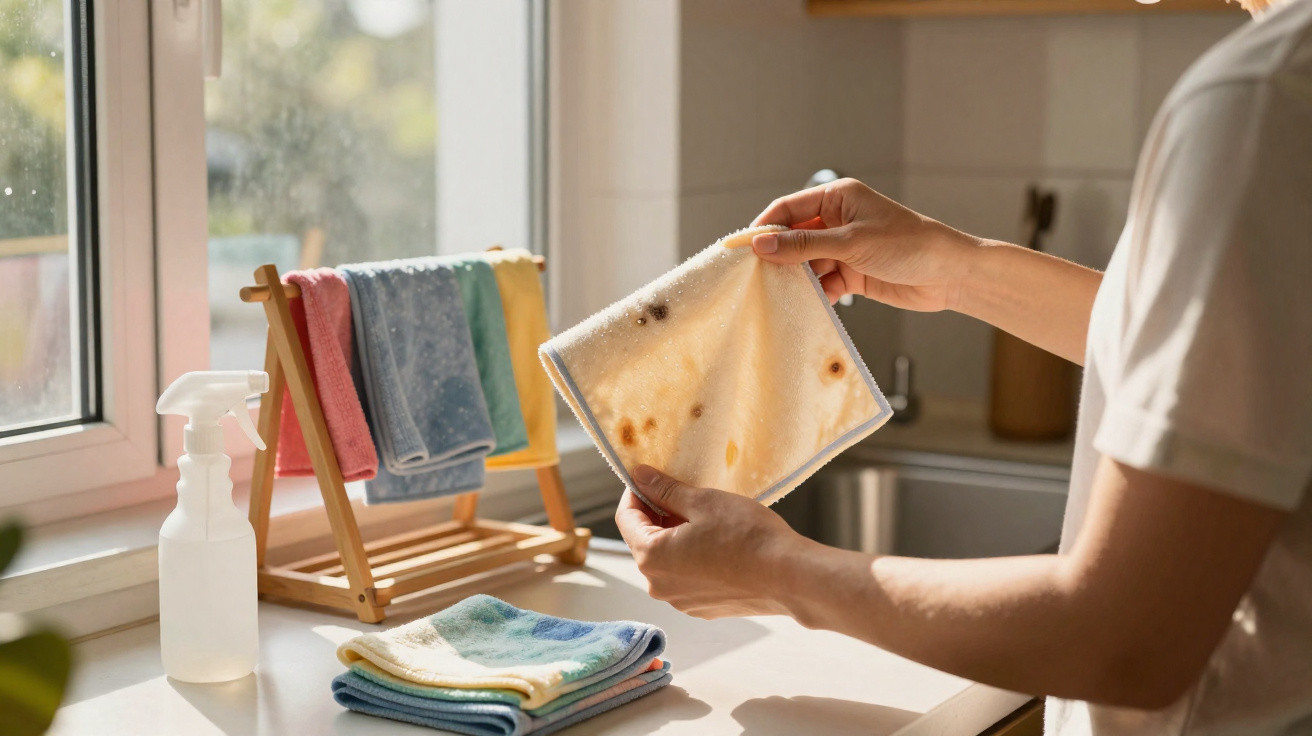
A freshly washed cloth can look as though it is ready to go, but the way it is dried has a direct impact on household hygiene and on how long the fabric lasts. In many homes, a cloth is taken off the washing line once it seems dry, folded up and put away without checking whether any moisture is still trapped in the fibres. That leftover dampness encourages unpleasant odours, staining and even the growth of micro-organisms.
Why is complete drying of the cloth important for hygiene and durability?
Drying a cloth all the way through matters because moisture creates the ideal conditions for fungi and bacteria. That can lead to mould, bad smells and marks that are difficult to shift. It doesn’t just affect how clean the cloth is; it can also compromise the cleanliness of the surfaces it touches afterwards, such as worktops, tables and household utensils.
When water remains between the threads, the fabric wears out faster-particularly if the cloth is stored folded and pressed inside drawers or cupboards. Over time, this can result in tears, loss of softness and misshaping. It can also reduce absorbency in microfibre cloths, leaving a cloth that looks clean but performs poorly when cleaning.
How can you spot residual moisture hidden within the fibres?
Residual moisture is the water that stays inside the fibres even when the outside feels dry-this is what separates a truly dry cloth from one that is only dry on the surface. To detect it, a quick touch isn’t enough; it helps to pay attention to temperature, smell, how long it has been on the line, and any visual changes that appear after a few days of use.
A few practical signs make it easier to tell when a cloth isn’t ready to go back in the cupboard and can be used as a simple everyday checklist:
- A slightly cool feel to the touch, even when the room is warm.
- A faint damp or “stale” smell after only a few hours.
- Creases that take a long time to fall out, as if the fabric feels heavy.
- Dark patches appearing in particular spots over the following days.
What steps ensure correct drying and good cloth care?
To minimise residual moisture and keep cloths in good condition for longer, it’s worth combining sunshine, ventilation and enough time on the washing line with a few small routine changes. How you hang the cloth, the type of fabric and where you store it all affect the result-especially in naturally humid homes.
- Hang the cloth fully open: Folds and layers restrict airflow and slow down drying in the inner sections.
- Choose well-ventilated spots: Even without direct sun, moving air helps remove moisture trapped between fibres.
- Avoid overcrowding the line: Cloths touching each other can keep small areas damp, which can cause odour.
- Let it cool before putting it away: After being in the sun, a cloth can feel drier than it really is; leaving it for a few minutes in an airy place helps.
- Store in dry places: Damp or poorly ventilated cupboards make it easier for moisture to return to the fabric.
How can you keep cloths genuinely clean and useful for longer day to day?
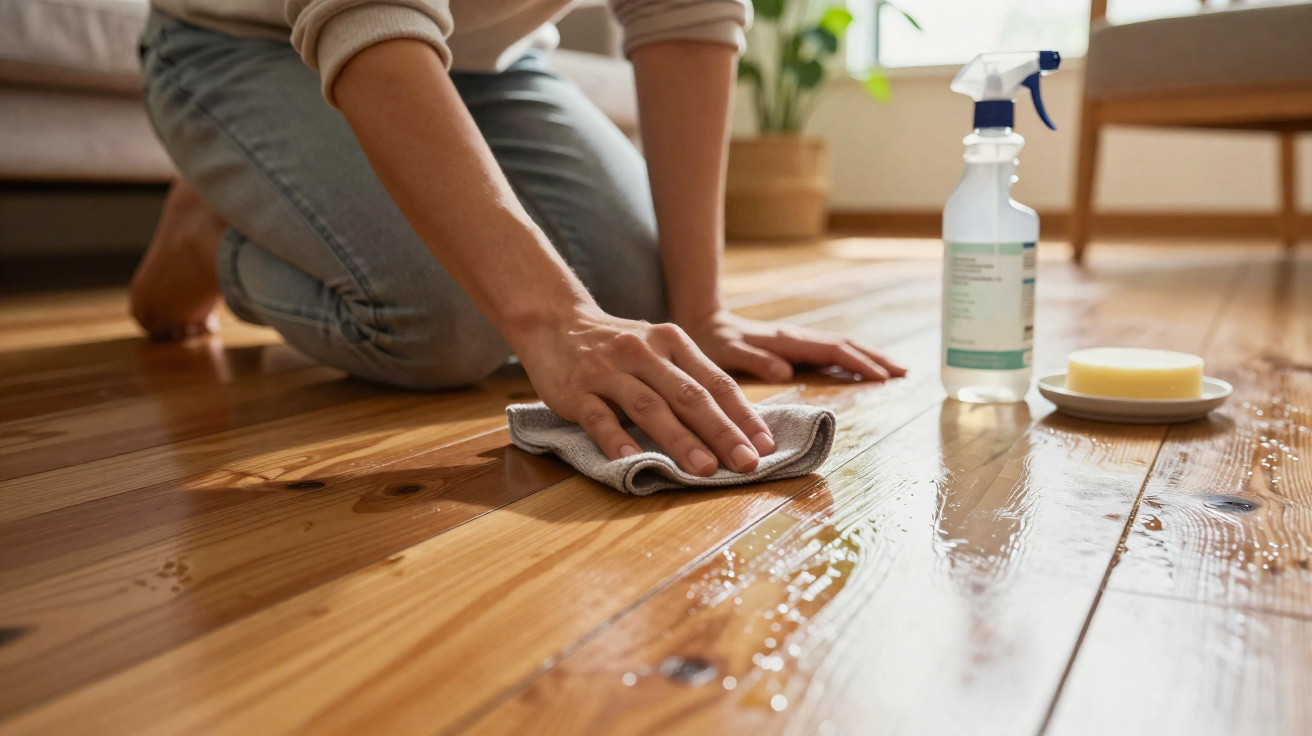
Once you have ensured complete drying, everyday use plays a big part in how long a cloth stays fresh and odour-free. Cloths that repeatedly contact grease, bathroom moisture or organic residue will pick up smells more quickly, so rotating cloths between worktops, floors and washing-up is a simple and effective approach.
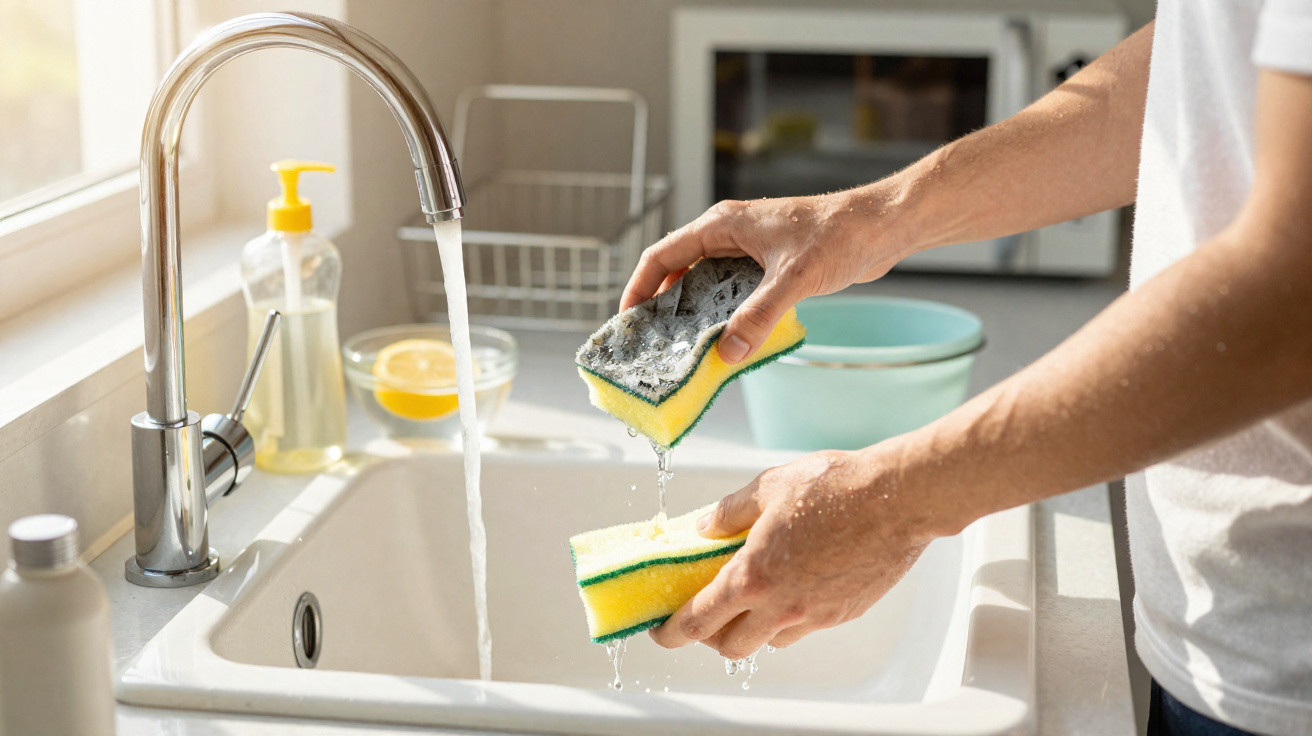
Changing cloths more often in damp areas, rinsing them after heavier use, hanging them up for a quick pre-dry before they go into the laundry basket, and keeping cloths separated by area all help prevent cross-contamination. Following the care instructions on the washing label can also extend the life of each piece, keeping them as quiet but highly effective allies in maintaining household hygiene.




Comments
No comments yet. Be the first to comment!
Leave a Comment