
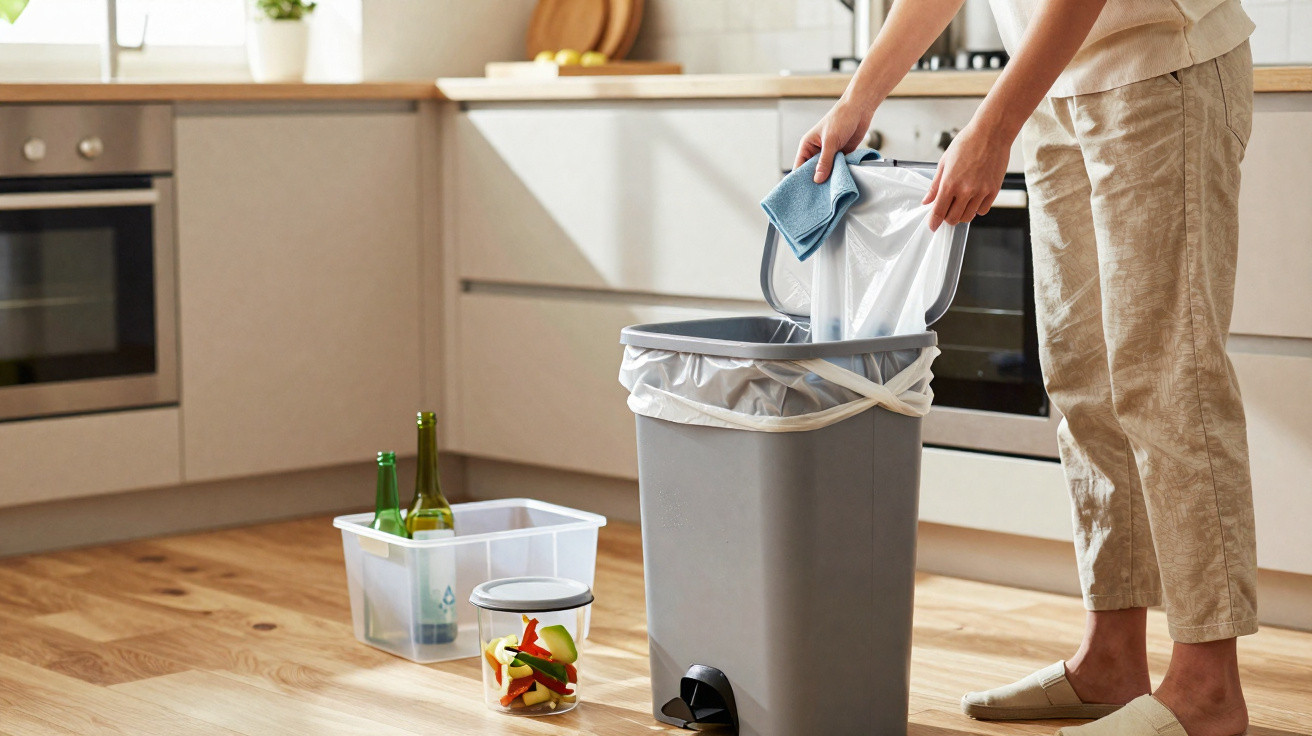
Anything that gets in the way day to day ends up in the bin under the sink: food scraps, tissues, damp wipes, sometimes even sanitary items. As long as the liner is not overflowing, it can seem harmless. A well-known microbiologist is now warning that the key issue is not how much is in the bag, but how long it sits in the kitchen.
Why the kitchen bin bag becomes a bacteria hotspot
A typical kitchen waste bag combines almost everything microbes thrive on. Moisture, warmth and organic matter come together there, creating ideal conditions for germs and insects.
- Food leftovers and peelings add moisture and sugars
- Tissues and kitchen roll carry germs from the nose, mouth and hands
- Damp wipes, hygiene items and nappies keep the contents warm and slightly moist for longer
- The bag usually lives in a partly closed, poorly ventilated cupboard
Within just a few hours, the contents can turn into a genuine breeding ground. Bacteria multiply quickly, fermentation begins, and the first smells appear - well before the bag looks full.
"The critical factor is not how full the bin bag is, but how long it stands in the warm kitchen."
This is exactly where the microbiologist’s advice starts. His approach is guided less by convenience and more by microbiological processes that happen out of sight.
The surprising recommendation: 48 hours is the absolute limit
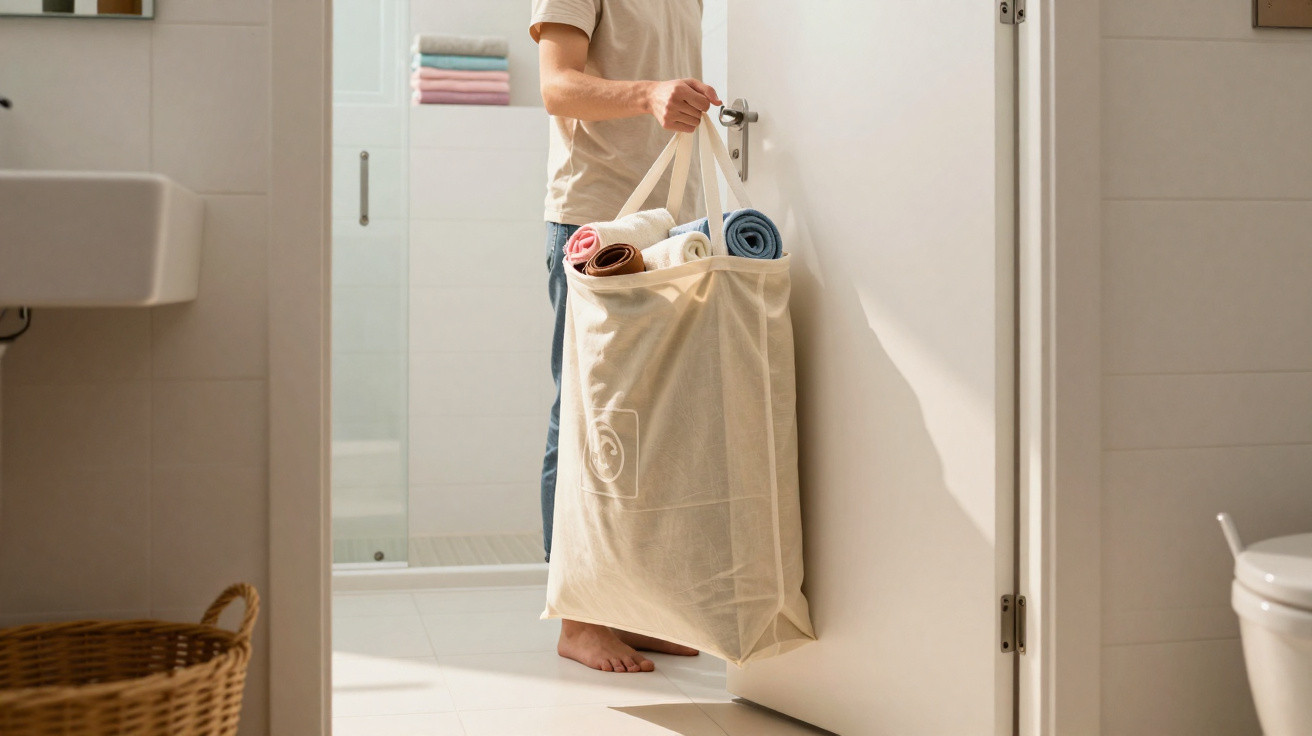
The hygiene and microbiology specialist sets a firm boundary: a kitchen bin bag should not stay in the kitchen for longer than two days - whether it is full or not.
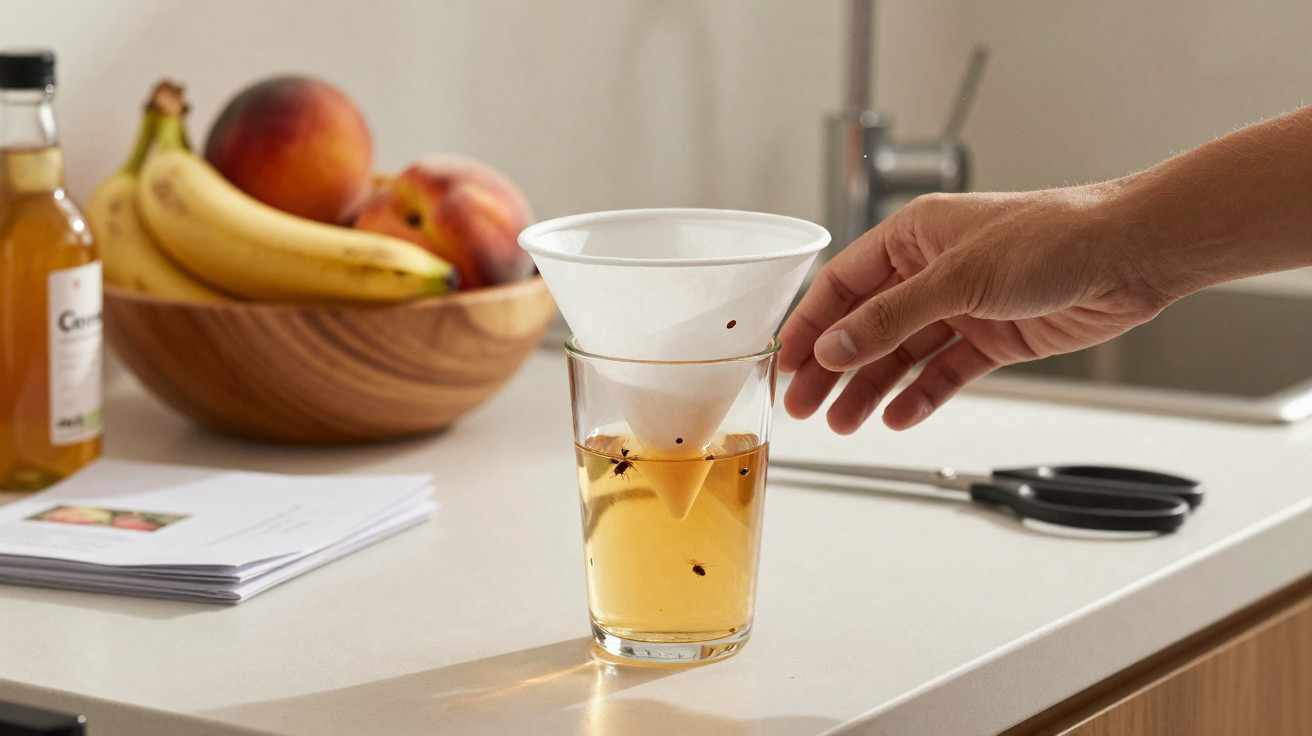
His rule of thumb is: change it at the latest every 48 hours. The reason is that after one to two days the germ count in the bag can rise so sharply that smells, mould spores and potentially illness-causing bacteria may more easily pass into the air in the room. At the same time, those odours attract insects such as fruit flies or moths.
Anyone who bases the change purely on how full the bag is - waiting until it is stuffed to the brim - typically goes well beyond this limit. Many households quickly reach four, five or more days, especially single people or couples who do little cooking.
How temperature, household size and contents change the schedule
The 48-hour rule is best seen as an upper limit. In certain situations, a much shorter routine is advisable.
When changing it daily makes sense
- Families with children who cook every day and use lots of fresh ingredients
- When meat, fish or cold-cut leftovers regularly go into the bin
- If nappies are disposed of in the kitchen waste (odour, germs, high moisture)
- During heatwaves or in very warm homes, particularly with open-plan kitchens
In these cases, the expert’s advice is to take the bag out each evening. This not only prevents odours, but also noticeably reduces the day-to-day germ burden in the home.
When you can wait a little longer
It is different for people who rarely eat at home or mostly rely on ready meals with little fresh waste. A student who mainly eats snacks and hardly ever cooks produces fewer damp kitchen scraps.
Even so, the timeframe should not extend far beyond 48 hours. A small amount of food waste, combined with tissues or damp wipes, is still enough for germs and smells to develop.
Changing the bag is not enough: tackling “bin juice” in the caddy
When you lift out the liner, there is often an unwelcome surprise: dark marks or a sticky film collecting at the bottom of the bin. This “bin juice” forms from leaked liquids, fats and tiny residues that cling to the plastic.
"Over time, a thin bacterial film forms at the bottom of the bin, trapping odours and releasing them again and again."
The microbiologist therefore recommends a simple but effective routine:
- Rinse the bin weekly with hot water and washing-up liquid if food scraps go in regularly
- Deep-clean at least once a month, even with light use
- Let it dry completely before putting in a fresh liner
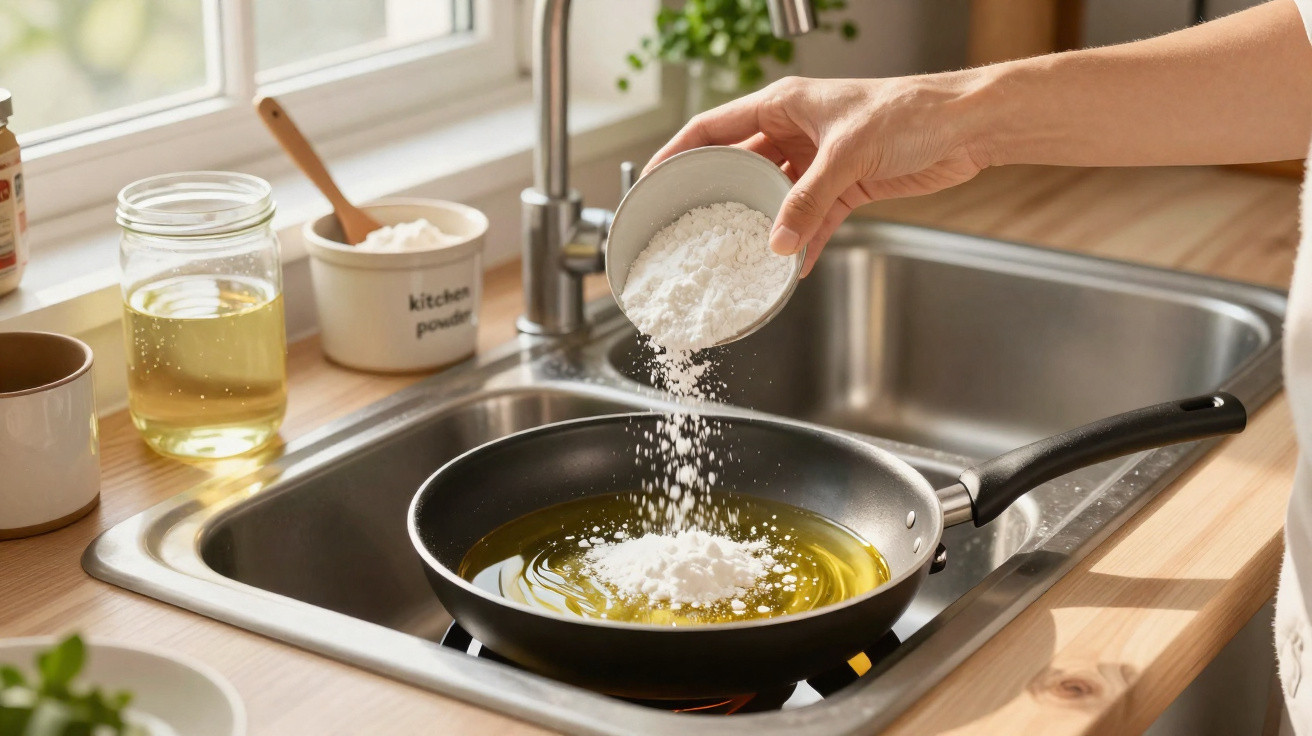
- Optionally sprinkle a thin layer of sodium hydrogencarbonate (baking powder or pure bicarbonate) on the bottom to bind moisture and odours
This step does more than cut smells; it also disrupts the cycle of new bacterial colonies forming inside the bin itself.
The right bin bag: small details with a big impact
The type of liner you use also matters. Two features, in particular, make a noticeable difference in everyday life:
- Bags with carry handles or a drawstring can be sealed more tightly. That means fewer odours and germs escape into the room air, and insects find it harder to get in.
- Sturdy material reduces tearing, which prevents liquids leaking out and dirtying the bin.
If you compress the rubbish hard to “make a bit more room”, you make matters worse. The pressure forces liquids downwards and increases the chance of the bag splitting. Cooked leftovers or hot liquids should never go straight into a plastic liner. Let them cool first and, where possible, dispose of them separately.
Waste separation and compost: how to reduce the germ load in the kitchen bin bag
One straightforward way to keep kitchen waste more hygienic is to separate it intelligently. The less damp organic material that ends up in general waste, the more slowly the typical combination of moisture, sugar and warmth develops.
Useful approaches include:
- Collect food waste in a separate small, lidded container and empty it more often
- Use a compost heap if you have a garden or access to a shared scheme
- Scrape packaging out roughly rather than throwing whole leftovers into the general waste
- Dispose of damp kitchen roll or tissues separately where possible if they are heavily soiled
All of these measures reduce the amount of “living” material in the kitchen bin bag. Even so, the bag remains a hygiene risk - just a less intense one. That is why the 48-hour limit still makes sense.
Smells, insects, health: what the recommendation is based on
The short change interval is not only about unpleasant odours. In the mix of food scraps and everyday grime, you often find germs from the gut, the airways and the skin. Many are harmless, but some can cause issues for more sensitive people - for example allergy sufferers, young children, older adults, or anyone with a weakened immune system.
There are also mould spores, which particularly favour damp environments. They spread easily through the air and can irritate the respiratory tract. Fruit flies and other insects, meanwhile, prefer to lay their eggs in fermenting, slightly rotting leftovers - a process that takes place perfectly in a kitchen bin bag.
Keeping the kitchen more hygienic does not mean becoming obsessed with cleaning. A few simple habits are enough:
- A fixed routine for changing the kitchen waste (at most every two days)
- A quick rinse routine for the bin, rather than remembering every few months
- More care with especially critical waste such as meat, fish and nappies
In homes with open-plan kitchens, the benefits show up quickly: less smell, fewer flies, and an overall fresher feel - plus reassurance that the invisible micro-mix under the sink has been significantly toned down.
Comments
No comments yet. Be the first to comment!
Leave a Comment