
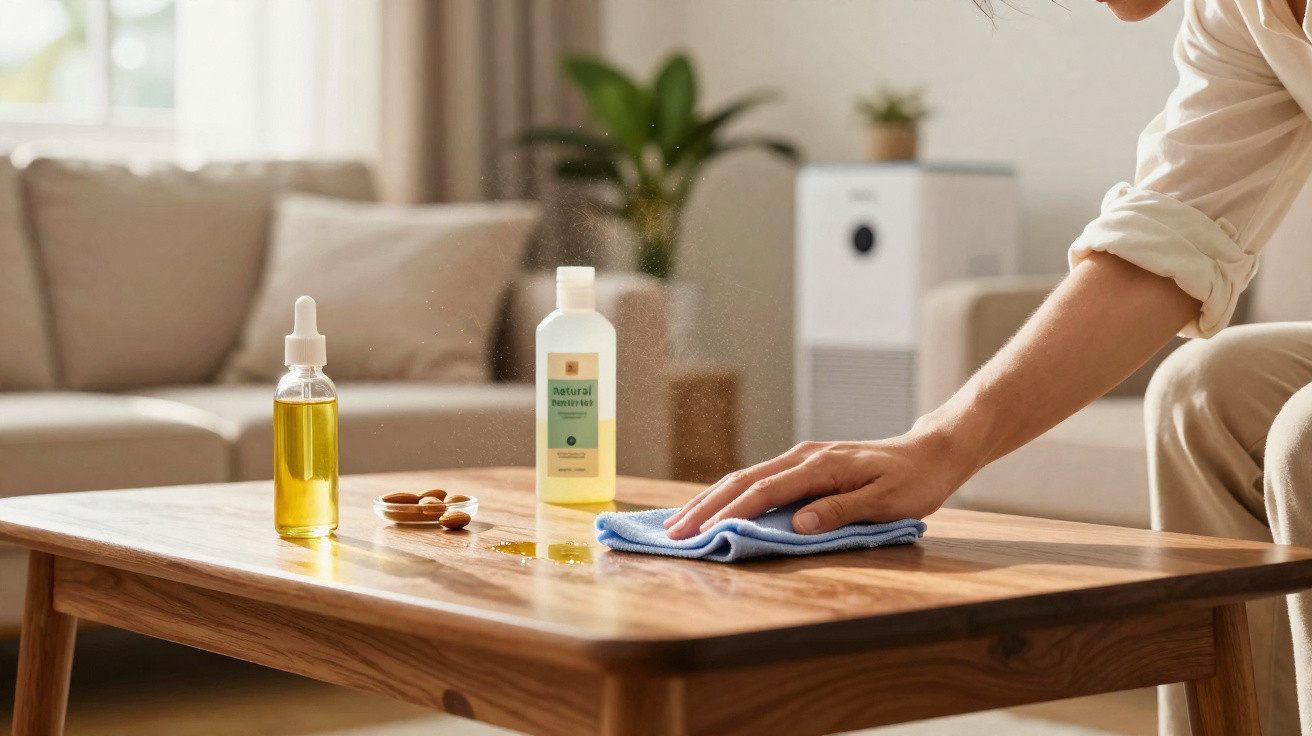
Many households swear by plant oil for giving furniture a glossy finish - but cleaning professionals are warning that this “hack” can turn into a real trap for dust and allergens.
The aim of a tidy, comfortable home is increasingly tied to a second goal: healthier indoor air. Natural household remedies can be tempting, particularly when they promise to replace chemical cleaners. That is exactly where an often-overlooked risk lies when using plant oil on wooden furniture - a risk that cleaning specialists are now spelling out more clearly.
Household dust: far more than a light grey film
The fine layer that settles on shelves, tables and picture frames is not made up of harmless fluff alone. Studies show that typical household dust contains a mixture of:
- pesticide residues, including long-banned substances such as DDT,
- textile fibres from clothing, carpets and upholstered furniture,
- fine particles from outdoors brought in on shoes or through open windows,
- remnants of cleaning agents and wood-protection products,
- skin flakes, hair and mite droppings.
This cocktail can noticeably worsen indoor air quality. Children, and people with allergies or respiratory conditions, are particularly sensitive. According to analyses, these problematic molecules show up in virtually every home - regardless of how often someone vacuums or dusts.
“Household dust is not just a visual issue. It carries pollutants and allergens that we breathe in every day.”
Plant oil for furniture care: a natural helper or a hidden risk?
More and more guides recommend almond oil or other plant oils as a “gentle” alternative to conventional wood-care products. At first glance, the logic seems sound: the oil forms a very thin film over the surface, gives a dull finish a soft sheen, and is supposed to stop dust being kicked back up into the air.
Used correctly, this can indeed work. The lightly oily layer can capture some dust, which is then picked up by a damp cloth. Supporters describe it as a natural trick for reducing airborne particles, especially in rooms with dry air from central heating.
This is precisely where cleaning specialists raise their concern: if too much oil is left on the wood, the surface starts behaving like a magnet for whatever is floating in the air - particularly allergens and pollutant particles.
The problem is that if you do a quick wipe with a dry cloth, you do not remove most of that “loaded” build-up. Over time, a layer of oil, dust and contaminants forms and sticks firmly to the furniture.
“An over-oiled piece of furniture becomes a long-term storage surface for dust, allergens and pollutants - and that is exactly what experts warn about.”
How to use almond oil safely
Despite the criticism, almond oil is not automatically off-limits. Specialists tend to argue for controlled, sparing use instead. The recommended approach is:
- Use the smallest amount possible: Put only a few drops of almond oil onto an already damp microfibre cloth - never directly onto the wood.
- Follow the grain: Wipe gently in the direction of the wood grain so the oil spreads more evenly.
- Buff afterwards: Then polish with a second, dry cloth and remove any greasy film completely, whether you can see it or feel it.
- Regularity over thick layers: It is better to treat furniture less often and very lightly than to “oil it heavily” a few times a year.
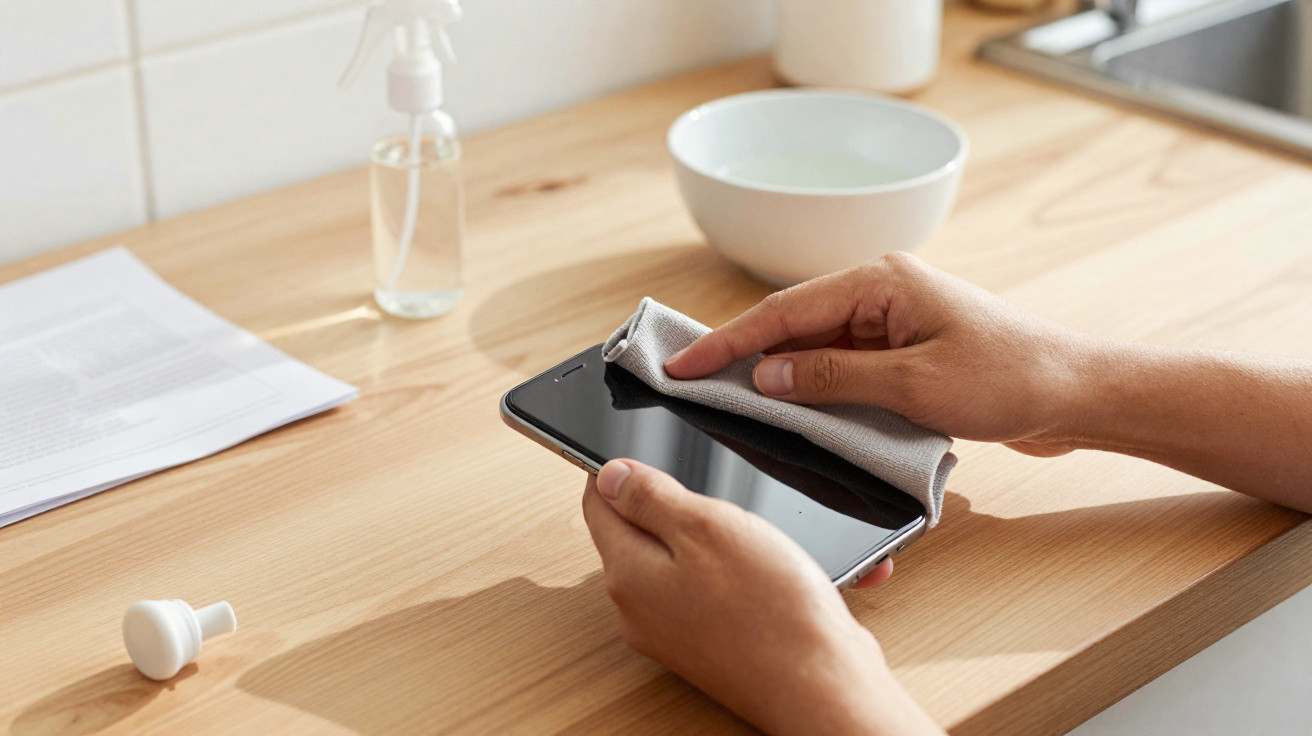
Professionals also stress that plant oils do not belong on glass, screens, electronics, smooth tiles, or very smooth laminate and parquet floors. On these surfaces, oils can leave smears, create a slip hazard, and form stubborn layers that are difficult to remove.
Combining oil with harsh cleaners is equally troublesome.
“Anyone mixing oil with bleach or ammonia-based products risks sticky films and unattractive stains on the wood.”
Where plant oil should not be used
- Screens, smartphones, tablets and televisions
- Glass surfaces and mirrors
- Slippery floors, stair treads and high-gloss tiles
- Very porous wood that absorbs oil deeply
Allergy risk: almond oil and nut allergies
One point is often overlooked online: almond oil comes from nuts. If you have a nut allergy yourself, or you live with children who do, you should be extremely cautious. If oil residue ends up on toys, desks or children’s chairs, even skin contact can be enough to trigger a reaction.
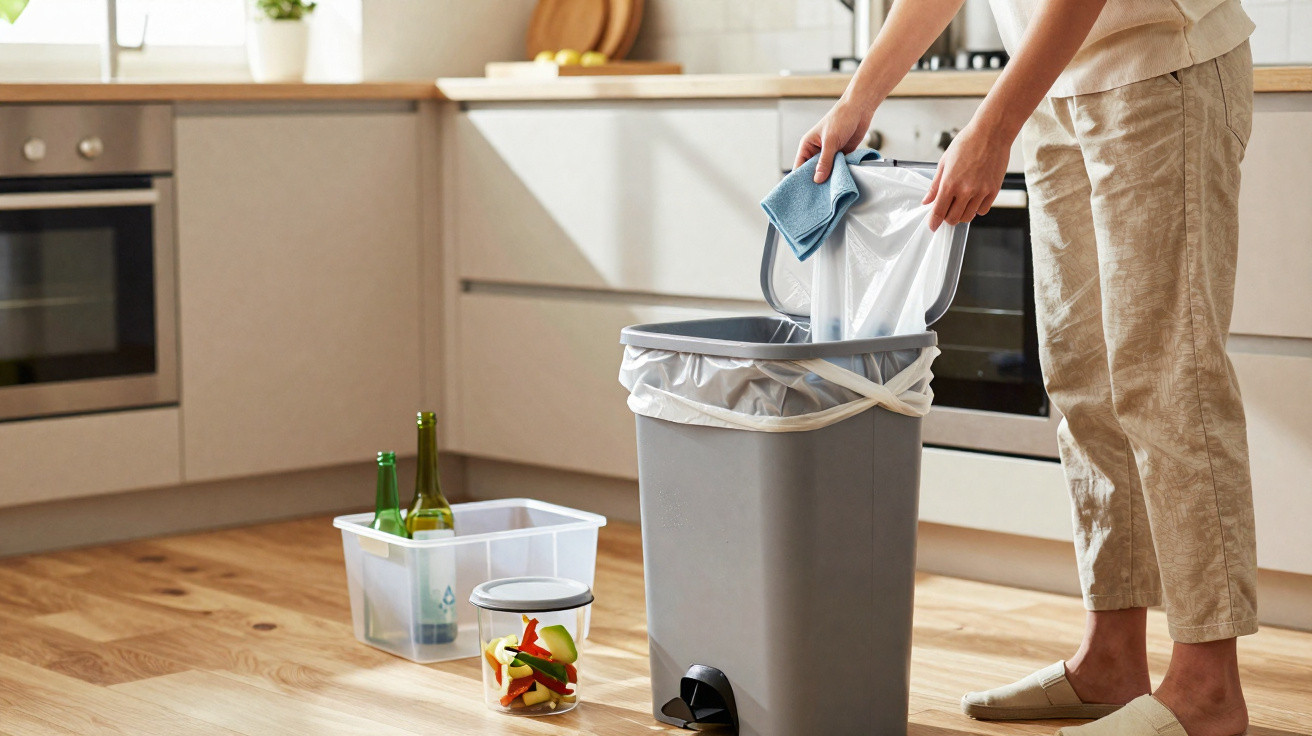
Cleaning experts advise households like these either to use alternative wood-care products that are not nut-based, or to keep oiled surfaces strictly away from children’s hands. After cleaning, they recommend washing hands thoroughly and laundering cloths separately.
“A natural origin does not protect against allergic reactions - especially with nut-based products.”
Everyday tips: how to lower pollutant levels at home
If you want to reduce dust and pollutants, simple habits can make a big difference - without any specialist products. Practical measures often recommended include:
- Ventilate regularly: Brief, wide-open ventilation several times a day reduces concentrations of fine dust and off-gassing.
- Damp-wipe rather than dry-dust: Dry cloths can lift particles into the air; a damp cloth binds them.
- Wash new clothing: Wash items before first wear to remove chemicals and residues from manufacturing.
- Cut down on aerosols: Sprays, air fresheners and propellant deodorants release large numbers of very fine particles.
- Keep cardboard boxes outside: Packaging, especially for electronics, often brings industrial dust and chemicals into the home.
People who shop with indoor air in mind tend to choose products with clear ingredient information and avoid furniture or textiles with a strong chemical smell. In many towns and cities, initiatives and workshops are also emerging where neighbours share lower-pollutant cleaning routines.
What plant oil actually does on furniture
To understand the effect, it helps to look at the principle: oil is lipophilic - it attracts and holds on to fat-loving substances. At the same time, the slightly tacky film traps particles that would otherwise drift freely in the air.
If you then wipe the oiled surface thoroughly with a lightly damp cloth that can be rinsed out well, this can be beneficial: dust and particles do not end up airborne, but in the rinse water. If the layer is left sitting on the furniture instead, it becomes a kind of “long-term depot” for whatever settles in the room.
| Application | Benefit | Risk |
|---|---|---|
| Sparingly oiled, buffed wooden surface | Gentle sheen, less airborne dust | Low, if regularly cleaned with a damp cloth |
| Thick oil layer left on the surface | Initially looks glossy | Strong binding of dust and allergens directly on the furniture |
| Oil on floors or glass | Hardly any useful effect | Slip hazard, smears, stubborn residue |
Practical alternatives for sensitive households
If you want to play it safe, or you have allergy sufferers at home, there are options that avoid plant oil altogether. Microfibre cloths with a little water can remove a large proportion of dust without any extra products. For oiled or waxed furniture, mild wood cleaners with clear labelling are often a better choice than do-it-yourself mixtures from the kitchen.
In rooms with heavy dust exposure - for example, near busy roads - an air purifier with a particle filter can be a helpful addition. It does not replace cleaning, but it can reduce the amount of particulate matter that settles in the first place.
Particularly in children’s bedrooms or sleeping areas, it is worth taking a critical look at what gets touched often: drawer handles, table tops and bed frames regularly come into contact with skin. Here, the priority should be on surfaces that wipe clean easily and do not stay tacky, rather than chasing a high-gloss finish created by oil.
If you still do not want to give up almond oil entirely, you can trial it on selected areas - for example, on the back of a shelving unit. That way you can see how the wood reacts and how easily the oil can be removed later. A household logbook or a quick note in your cleaning schedule can help you keep track of the intervals between applications and avoid using “too much”.


Comments
No comments yet. Be the first to comment!
Leave a Comment