
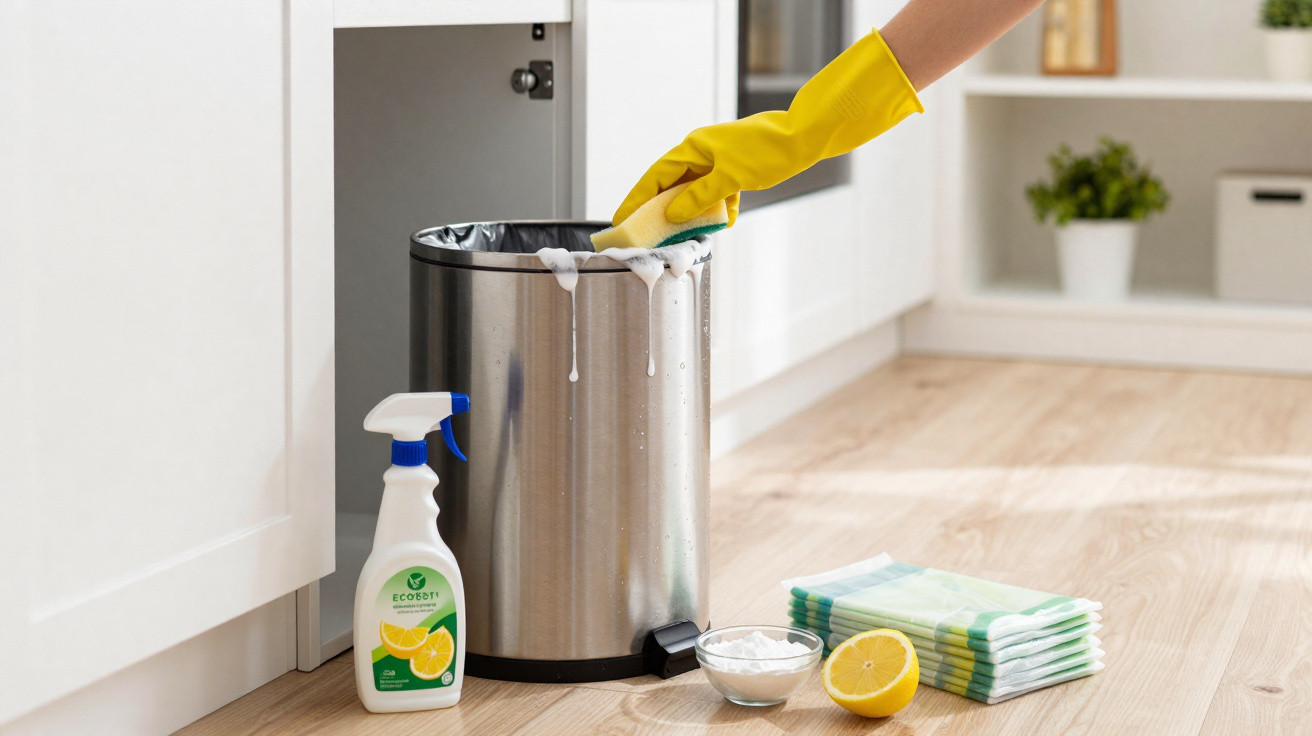
But the real dirt trap is sitting one level lower.
We wipe down worktops, scrub the sink and disinfect chopping boards. Yet one key spot at the heart of the home is almost always overlooked: the rubbish bin itself. Not the liner, not the lid - the bare container. That is exactly where an invisible hygiene risk builds up, one that really needs weekly attention but rarely gets it.
Why the kitchen bin is dirtier than many people think
A common belief is that as long as there’s a bin liner in place, everything stays clean. That assumption is simply wrong. Liners tear, slip to one side or develop tiny holes. Liquids from food scraps, sauces, oil and condensation almost inevitably seep into the bin.
Over time, a greasy film of organic residue forms on the inner walls. That’s precisely where bacteria, mould spores and yeasts thrive. Warm kitchen air acts like a turbocharger for these microorganisms. The familiar “bin smell” that seems to cling to the outside is nothing more than their metabolic by-products.
“According to hygiene specialists, the kitchen bin is one of the dirtiest surfaces in the household - often even worse than the toilet.”
There’s more: the outside of the bin is an issue too. When you’re cooking, your hands may have grease, flour, dough, raw meat or vegetable juices on them - and then you touch the lid handle or the pedal. Dust and airborne grease splatters stick to those areas. Bit by bit, this creates a tacky, invisible layer that most people barely notice simply because it isn’t on their radar.
Clean it once a week - and why hardly anyone does
Hygiene experts recommend a minimum of one thorough clean per week. The best moment is when you change the liner anyway - ideally after every third or fourth liner. Many people see this as excessive because it isn’t part of their normal routine, much like cleaning the cooker-hood filter or the space behind the fridge.
A realistic compromise for busy households is a deep clean every two weeks, provided nothing has leaked. However, there is one clear rule with no wiggle room:
“If liquid has leaked into the bin or the liner had a hole, the container must be cleaned immediately - with no delay.”
If you leave rotten scraps, meat juices or puddles of milk sitting in the bin for several days, the germ count skyrockets and the odour soaks into the plastic. At that point, a quick wipe often isn’t enough and the bin can end up smelling permanently.
Step-by-step guide: how to get the bin genuinely clean
For a proper clean, you usually only need what you already have at home. Nobody needs miracle products - what matters is the method:
- Empty the bin completely, remove the liner, and lift out any larger bits by hand or with a disposable scraper.
- Fill the container with hot water and washing-up liquid, or at least slosh it around generously.
- Spray the inner surfaces with a degreasing cleaner or disinfectant spray and leave it to work for a few minutes.
- Rinse thoroughly with hot water until no cleaner residue remains.
- Dry completely with kitchen roll or a clean cloth - damp bins encourage new mould.
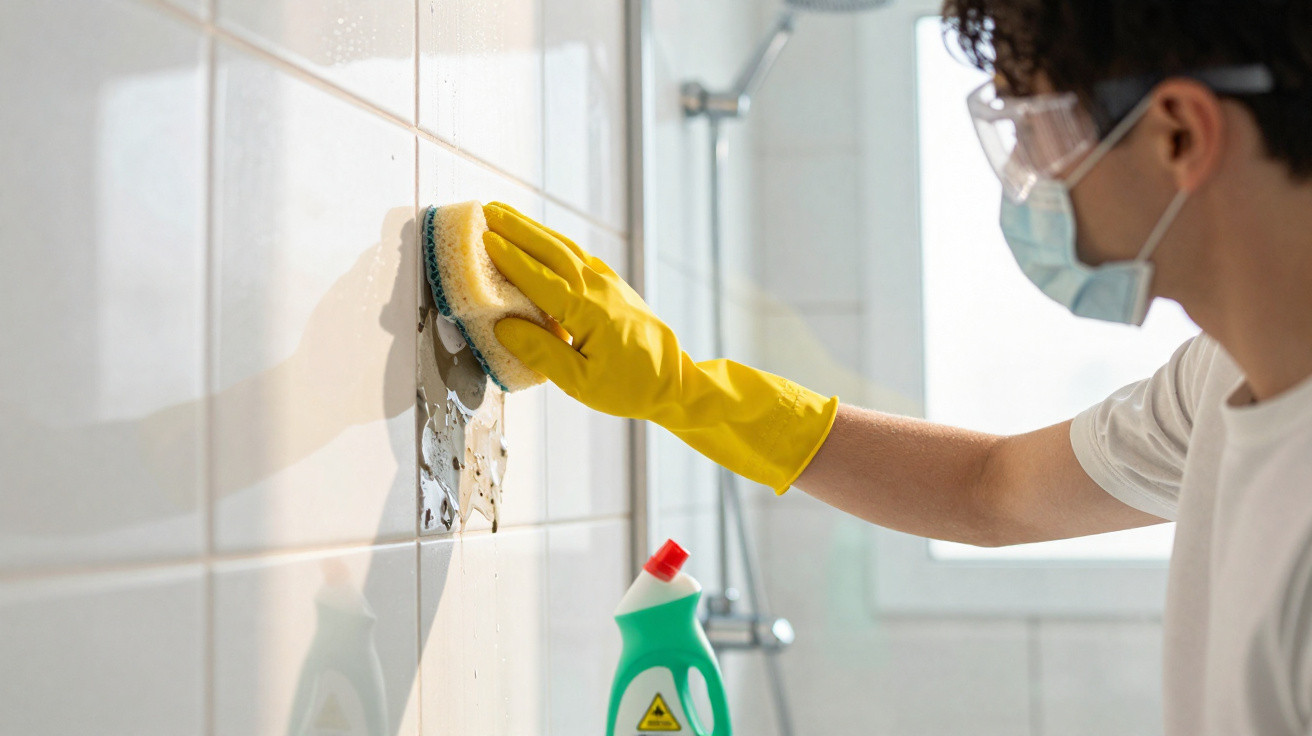
- Wipe the outside, lid, handle and pedal with a damp cloth, removing grease and fingerprints.
A handy trick used in many homes is to put the bin in the shower or bath and rinse it out with the handheld shower head. It saves awkward bending in the kitchen and stops you contaminating the sink with food waste.
Which cleaning products work - and which don’t
For routine cleaning, a decent washing-up liquid with hot water is enough. If there’s a strong smell or visible mould, these can help as well:
- A degreasing cleaner (for example, a kitchen cleaner)
- A household disinfectant based on alcohol or chlorine
- Bicarbonate of soda (for odour) combined with vinegar-water
Abrasive scouring powders or stiff brushes can scratch thin plastic bins. Germs then settle in those grooves more easily later on - so gentle pressure is usually all you need.
A better day-to-day routine: keeping the bin fresher for longer
A few small habit changes can noticeably cut down how often you need to deep-clean. The crucial point is what goes into the bin - and in what condition.
“Neutralise” wet waste first
The biggest troublemakers are damp and fatty food leftovers, including:
- Leftover sauces, soups and stews
- Fat from oven trays, the barbecue or frying pans
- Raw meat, fish scraps, and sausage ends
- Fruit and vegetable waste that has already started to ferment
If you don’t tip this kind of waste straight into the liner, but instead wrap it briefly in kitchen roll, newspaper or a paper bag, you absorb the liquid. The liner stays sturdier, the bin stays drier, and the smell is far less intense.
Change bin liners in good time
Many people wait until the liner is overflowing. It may save liners, but it costs you hygiene. The fuller the liner, the more pressure it puts on the sides - and the higher the chance that liquid leaks out unnoticed.
A useful rule of thumb depending on household size:
| Household | Recommended change frequency |
|---|---|
| Single | every 3–4 days |
| Couple | every 2–3 days |
| Family with children | daily to every 2 days |
In summer, it’s sensible to shorten that cycle. Heat dramatically speeds up decomposition - and with it, odours and germ growth.
Less food waste in general rubbish: compost and smart alternatives
Separating compostable kitchen waste noticeably reduces the load on the kitchen bin. Coffee grounds, tea leaves, fruit and vegetable peelings, or eggshells are better in the food-waste bin or a home composter than in the general rubbish liner.
Coffee grounds have another helpful side effect: when dried and left in an open dish in or next to the bin, they can bind odours - similar to bicarbonate of soda.
Spotting odour traps and preventing them
Some types of waste cause problems particularly fast, especially when exposed to air and warmth. For example:
- Fish scraps and seafood
- Raw poultry
- Dairy products that have turned
- Cooked food that has sat in the fridge for several days
These leftovers should be binned promptly and well wrapped. If you’re particularly sensitive to smells, you can store awkward waste in a small separate bag in the freezer and dispose of it shortly before the bins are collected - especially when outside temperatures are high.
How a cleaner bin protects the rest of the kitchen
A neglected bin acts like a magnet for germs. Flies and other insects are drawn to it, landing on the bin and then on food or crockery. Children touch the lid and then grab snacks. Pets sniff and lick around the rim.
Maintaining the container regularly reduces this risk substantially. Clean bins smell less, attract fewer insects and spread fewer germs to hands, worktops and handles. This matters even more for families with small children or for people with weakened immune systems.
If you put the bin on your fixed weekly cleaning list - alongside the bathroom, floors and kitchen - you’ll soon find the effort is only a few minutes, but the impact is huge. The kitchen smells neutral, you can change the liner without that uneasy feeling, and the thought of the bin no longer triggers a quiet sense of disgust.

Comments
No comments yet. Be the first to comment!
Leave a Comment