
Vinegar, bicarbonate of soda, hours of scrubbing: anyone who wants to clean their bathroom properly knows the struggle. Toilets in particular can end up with limescale, urine scale and even cement residue that sticks incredibly firmly. In Spain, an especially aggressive cleaner from Mercadona’s own-brand range is currently being talked about, because it is said to deliver impressive results for very little money.
A bathroom cleaner is causing a buzz in Spain
In many Spanish households, the “Salfumant” cleaner from the Bosque Verde line is now seen as a secret weapon for the bathroom. The Mercadona discount retailer sells it mainly for toilets and heavily limescaled surfaces. It costs around €1.10 per litre – roughly the price of a standard multi-purpose cleaner, but with a noticeably stronger effect.
The key distinction is that this is not a gentle eco product. It is a traditional, very powerful bathroom/sanitary cleaner designed with an industrial level of performance in mind.
“The active ingredient in Salfumant is highly concentrated hydrochloric acid – ideal against limescale, but only to be used with a strict safety routine.”
Precisely because it works so aggressively, many users report that even old deposits in the WC loosen up – deposits that ordinary bathroom cleaners can barely shift.
What’s inside the cleaner – and why is it so strong?
The crucial ingredient in Salfumant is hydrochloric acid (chemically: hydrogen chloride solution) at around 20% concentration. Acidic products at this strength attack limescale, cement residues, rust marks and urine scale directly through a chemical reaction. The hard build-up breaks down and can then be flushed away easily.
Typical uses for hydrochloric-acid cleaners
- Toilet bowls with a heavy limescale ring or urine-scale tide mark
- Encrusted build-up in the trap or around drains (with caution)
- Cement and mortar residue on tiles after building work
- Stubborn limescale crust on grout lines and skirting tiles
That specific mix – inexpensive, extremely effective, but also hazardous if used incorrectly – is what fuels the hype around the product. If you look for comparable products in UK shops, you’ll typically find them under names such as “specialist limescale remover”, “cement haze remover” or “toilet descaler”, based on hydrochloric acid or other strong acids.
How to clean a toilet with the product
Using it in the toilet is straightforward in principle, but it requires discipline and protective equipment. In Spain, retailers and the manufacturer recommend the following approach:
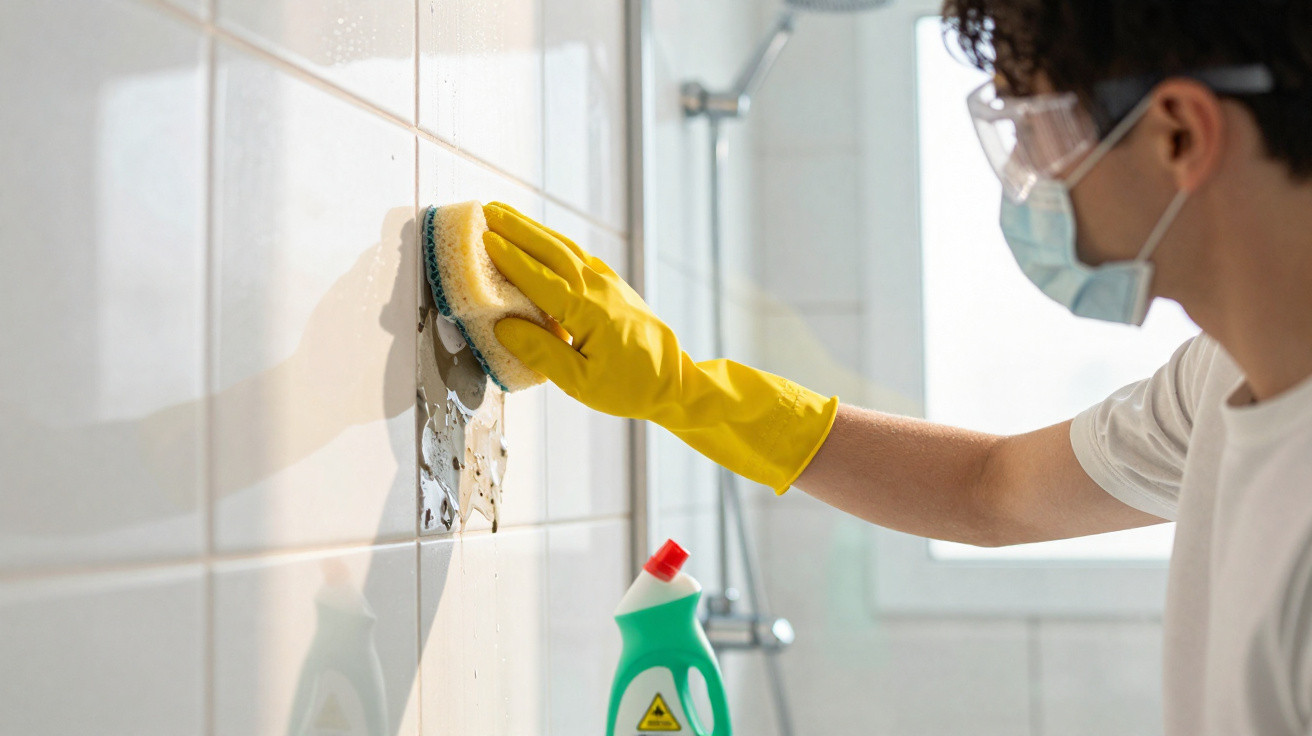
- Prepare: Put on gloves, long clothing and, if appropriate, safety goggles and a mask. Open the bathroom window wide.
- Apply: Pour a generous glug of the cleaner directly into the toilet bowl, especially under the rim.
- Leave to work: Close the toilet lid and let the cleaner act for about one minute.
- Flush: Flush and rinse away all remaining product.
If the build-up is particularly stubborn, a second application may be necessary. In that case, it can help to give the bowl a quick brush with a toilet brush once the cleaner has had a brief moment to work.
“It’s important to keep the contact time short – the product works extremely fast; leaving it longer rarely achieves more, but it does increase the strain on materials and the irritation risk for mucous membranes.”
Removing cement and limescale: how dilution works
Away from the toilet, Salfumant in Spain is also often used during renovation work. Tiles that still have a cement haze after laying can be cleaned so the surface is revealed again.
For this job, it is not used neat, but heavily diluted:
- 1 litre of Salfumant
- to 10 litres of water in a bucket
This mixture can be used to soak a cloth or sponge, which is then wiped over the dirty area. Important: test first in an inconspicuous spot to check the tile can tolerate the treatment. Natural stone, marble and other delicate surfaces often react very sensitively to acids and can suffer permanent damage.
Where products like this should never be used
- On natural stone floors (marble, travertine, limestone)
- On enamel baths where the surface is already worn or damaged
- On aluminium, chrome-plated taps/fixtures and stainless-steel surfaces
- In direct contact with silicone joints and rubber seals
These materials can tarnish, fade or become porous. Milder cleaners specifically intended for those surfaces are the better choice.
Safety comes first: how to protect yourself properly
Because hydrochloric acid is strongly corrosive, correct handling is essential. The Spanish guidance reads, in essence, like a mini lab protocol – and that is exactly how you should treat its use.
“Salfumant belongs in the ‘highly corrosive’ category – safety goggles and gloves are not optional extras, but mandatory.”
Recommended protective measures:
- Wear long trousers and a long-sleeved top
- Use thick rubber gloves
- Wear safety goggles to protect against splashes
- Use a respirator mask in small, poorly ventilated rooms
- Ventilate the bathroom during cleaning and leave the room after use
If the product does get on your skin, there is only one response: rinse immediately and thoroughly with plenty of water. If your eyes or mucous membranes sting or burn, medical help must be arranged straight away.
What you must never do
The most important warning from retailers and consumer safety advice concerns mixing it with other cleaners. In bathrooms, people often reach for several products one after another – with hydrochloric acid, that can become extremely dangerous.
“Never mix with bleach, chlorine-based products or ammonia-based products – highly toxic gases can form.”
If acid is combined with chlorine-based bleach, you risk releasing chlorine gas. If it comes into contact with ammonia-based products, other irritating fumes can be produced. Both scenarios can cause shortness of breath, coughing fits and, in severe cases, serious lung damage.
The only “mixing” that is permitted is with water – both when diluting for larger areas and when rinsing afterwards. After that, ventilate the room thoroughly and avoid staying in the bathroom for a few minutes.
Alternatives and sensible everyday combinations
For a normal weekly bathroom clean, a mild bathroom cleaner or a citric-acid-based product is usually enough. Hydrochloric-acid products are better reserved for occasional heavy “decrusting” jobs when nothing else works. If you are sensitive to strong smells or have children in the home, use these products particularly sparingly and store them high up, securely out of reach.
It can also be practical to combine cleaning routines: day to day, rely on gentler cleaners, a microfibre cloth and periodic descaling with citric acid or vinegar. Only when the toilet develops truly stubborn rings, or after renovations leave hard residue behind, does a strong specialist cleaner come into play.
What UK consumers can take from this
Even though Salfumant as a brand is tied to Mercadona, the Spanish trend is clear: powerful acid-based bathroom cleaners are making a comeback because they solve problems that gentle household remedies cannot. In UK chemists and DIY shops, there are products with a similar mode of action.
If you decide to use one, read the label extremely carefully: the type of acid, the concentration, which materials it is suitable for and the safety instructions. When in doubt, choose the milder option and clean more often, rather than damaging bathroom fittings with something too harsh or putting your health at risk.
Comments
No comments yet. Be the first to comment!
Leave a Comment