
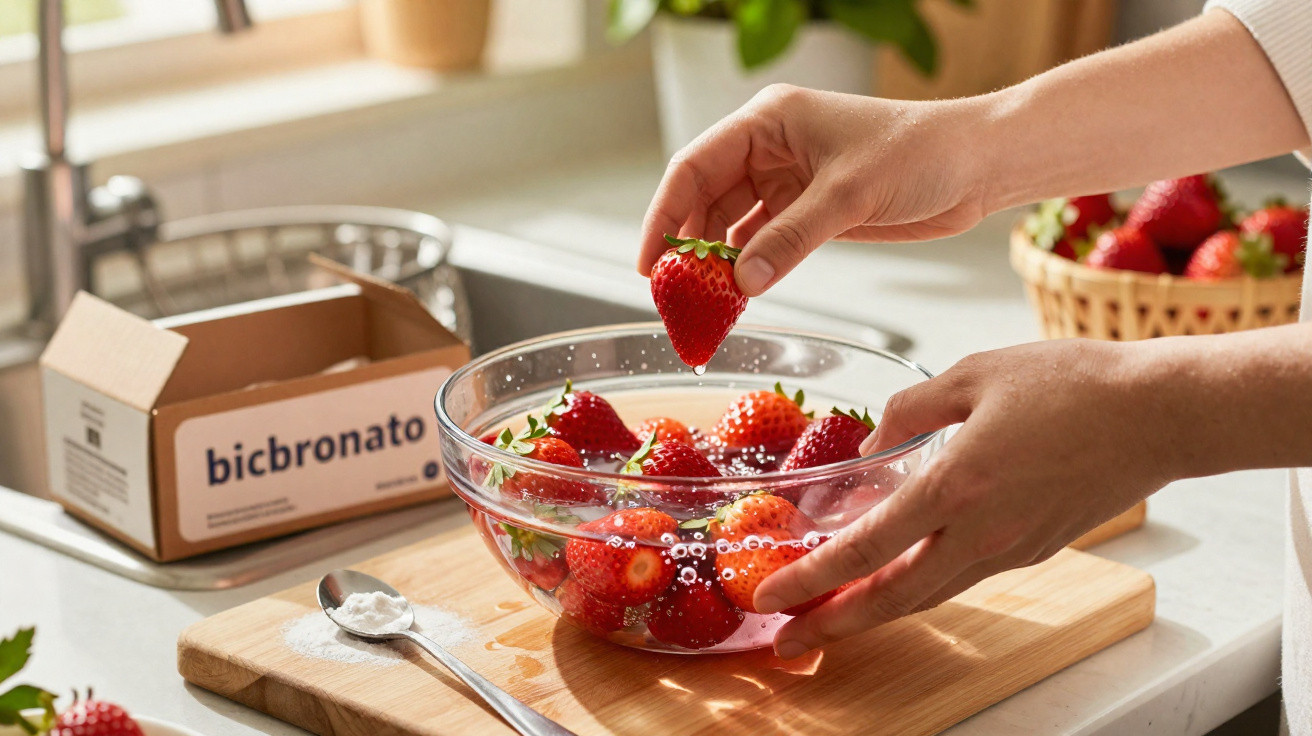
That instinctive quick rinse, however, is worryingly inadequate.
In spring and summer, the bright red berries are a firm favourite-piled into cakes and puddings or eaten straight from the punnet. What many people do not realise is that strawberries are among the most pesticide-contaminated fruits worldwide. A few seconds under the tap may make them look clean, but it barely tackles the real issue.
How contaminated strawberries really are
International monitoring by authorities and independent organisations paints a clear picture: strawberries regularly appear near the top of rankings for fruits with the highest pesticide loads. In analyses from the US Department of Agriculture (USDA), laboratories found at least one residue molecule in 99 percent of conventional samples.
A closer look is even more striking. Around a third of samples contained ten or more different active substances at the same time, and some showed more than 20 distinct molecules. Products such as carbendazim and bifenthrin appeared particularly often-both used to control fungi or pests.
"A punnet of strawberries can look more like a chemical cocktail than the result of a single spray. It is precisely this mixture that worries many experts."
Even though each individual residue is usually below the legal limits, consumers still take in many small amounts from multiple sources: fruit, vegetables, cereals, drinks. The overall exposure across a day is difficult to quantify. That is why it feels sensible to clean strawberries as thoroughly as possible before eating them.
Why a simple rinse barely helps
The most common approach is also the fastest: tip the strawberries into a colander, turn on the tap, swish them around for a few seconds, done. This routine does remove dust, soil and loose dirt. Against modern crop-protection products, though, it has only a limited effect.
Many active ingredients are deliberately formulated to be “rainfast”. They cling to the fruit’s waxy surface, are partly fat-soluble, and make water bead and run off. Measurements across different types of fruit indicate that plain tap water cuts pesticide residues by only about 10 to 20 percent on average-mainly for the substances that dissolve most easily in water.
There is also a common kitchen mistake: many people remove the green leafy cap and stalk before washing. That can create a pathway into the fruit.
"If you hull strawberries before washing them, you allow contaminated water to soak into the flesh rather than simply wetting the surface."
This can push any residues deeper into the strawberry, where they are then practically impossible to remove.
The most effective trick: a bicarbonate-water bath
One of the best-performing options is a basic cupboard staple that many households already have: bicarbonate of soda-often referred to as baking soda or sodium bicarbonate. It is mildly alkaline and can chemically break down certain pesticide molecules on the surface, or at least help release them from the skin.
In studies involving apples, soaking in a bicarbonate solution for 10 to 15 minutes reduced up to 90 percent of surface residues. While the exact figures vary by fruit, strawberries show a similar pattern: clearly fewer measurable residues compared with plain water or a quick rinse.
Step-by-step instructions for strawberries
- Put 1 litre of cold water into a large bowl.
- Dissolve 1 heaped tablespoon of bicarbonate of soda (baking soda-not baking powder with added ingredients).
- Add the unhulled strawberries carefully; do not pile them up-do it in batches if needed.
- Gently stir with your hand so every berry is wetted.
- Leave for 10 to 15 minutes, without agitating too much.
- Tip into a colander and rinse for about 30 seconds under running water.
- Then pat dry carefully on a clean tea towel or kitchen paper.
With this method, residues trapped around the tiny “seeds” on the surface (the so-called achenes) loosen far more effectively than with rinsing alone. At the same time, the fruit’s texture remains intact-as long as the strawberries are not left in the bath for too long and are handled gently.
Vinegar, salt, specialist cleaners: how much do they actually do?
There is no shortage of home tips for cleaning fruit and veg. Some work to a degree; others introduce new drawbacks. In comparative tests, three approaches tend to stand out: a bicarbonate bath, a vinegar-and-water mix, and a salt solution. Their effectiveness differs quite noticeably.
| Method | Typical reduction of residues | Notes |
|---|---|---|
| Plain water, quick rinse | ca. 10–20 % | Removes superficial dirt only, little effect on stubborn pesticides |
| Vinegar-water (1 part vinegar, 5 parts water) | ca. 60–70 % | Fairly effective, but can slightly alter the taste |
| Salt solution, lukewarm | ca. 40–60 % | Cleans better than water, fruit may soften more quickly |
| Bicarbonate bath | bis zu ca. 90 % (surface) | High effectiveness, minimal quality loss when used correctly |
Household cleaners, washing-up liquid or specialist fruit-and-veg washes from the chemist may sound appealing, but they do not belong on delicate fruit like strawberries. Residues from surfactants or fragrances are harder to control than a simple bicarbonate bath and are not intended for consumption.
Organic strawberries should still be cleaned thoroughly
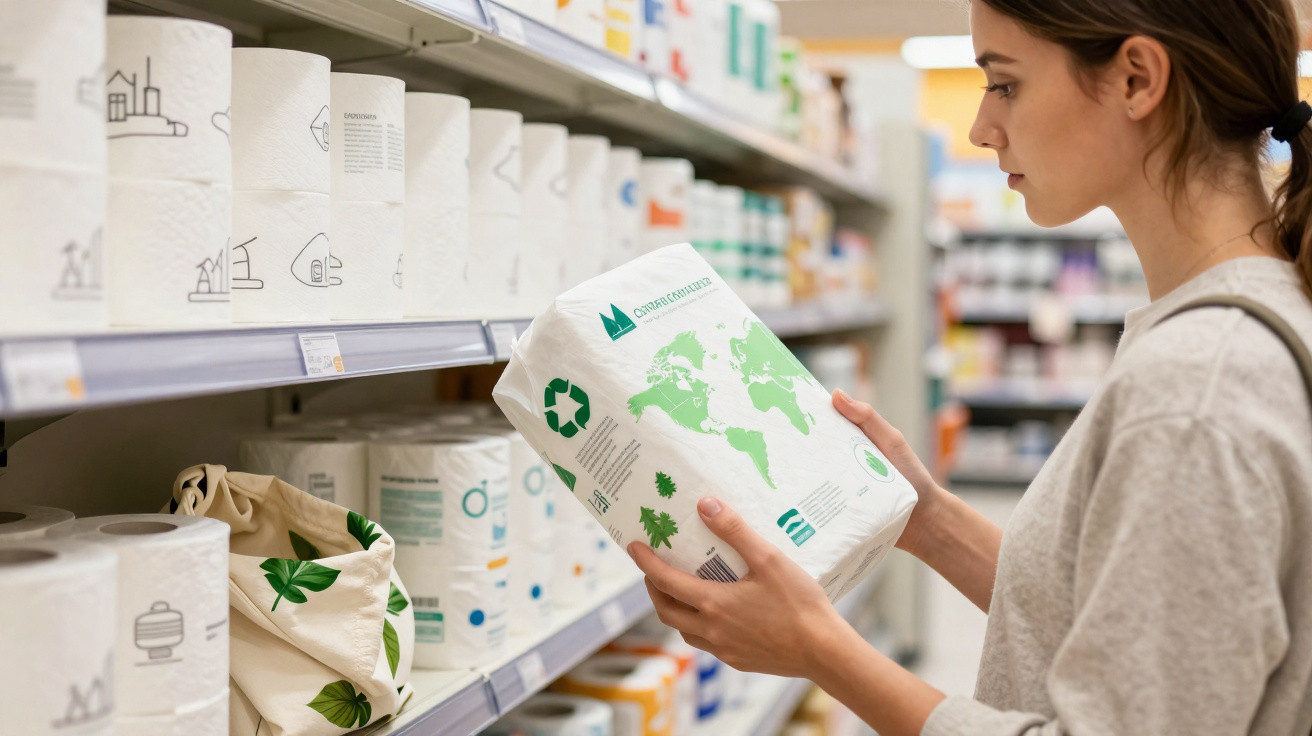
Choosing organic strawberries at the supermarket or market often reduces both the amount and the variety of synthetic pesticides. Even so, the produce is not automatically residue-free. Some substances are permitted in organic farming, and conventional sprays can drift in on the wind from neighbouring fields or be carried via soil and water.
"Organic reduces the pressure from contamination, but it does not replace thorough washing-especially for delicate fruit that is eaten raw."
In practice, that means organic strawberries can still benefit from a bicarbonate bath. The process stays the same; ideally, the starting level of residues is simply lower.
Common mistakes when washing strawberries
A few widespread habits quietly increase risk rather than reducing it. Once you know them, they are easy to avoid.
- Washing too early: Wet strawberries grow mould much faster. Wash only shortly before eating, not straight after buying.
- Hulling before washing: Keep the leafy cap on until cleaning is finished, otherwise contaminated water can enter the inside.
- Water that is too hot: Lukewarm or warm water can harm flavour and texture. Cold or slightly cool is better.
- Soaking for too long: More than 15 to 20 minutes can damage delicate varieties; the fruit turns mushy.
- Stacking in a tight container: Soak in a loose layer; pressure marks encourage spoilage.
How big is the everyday risk?
A single punnet of strawberries is unlikely to cause acute poisoning on its own, even if labs detect multiple active substances. Legal limits are set with generous safety factors. The real debate centres on the long-term effects of low-dose mixtures-especially in combination with other substances from food, air or cosmetics.
Children, pregnant women and people with pre-existing conditions are often more sensitive. They may have a lower body weight, and some detoxification processes develop gradually. If you shop for a family, a few simple steps can reduce exposure considerably without giving up strawberries.
Practical tips for shopping and the kitchen
If you want to combine enjoyment with caution, you can take action at more than one point-at the till as well as at the sink.
- Prefer local and seasonal produce: the shorter the transport and the nearer to harvest, the fresher it is and often the less intensively treated.
- Buy smaller quantities and use them quickly: better flavour and less time for mould to develop.
- Do a visual check: discard berries with soft spots, signs of mould or a strong smell.
- Handle gently: do not squash them or blast them under a harsh jet-soak them in a bowl instead.
- Chill leftovers quickly: store washed, well-dried strawberries in an open container in the fridge and eat soon.
Why the extra effort is worth it
A bicarbonate bath costs only a few pence and takes around a quarter of an hour-only a few minutes of which is hands-on. In return, the measurable amount of many pesticides on the surface drops markedly. That reduces the load on the body and helps avoid the sense that summer strawberry eating comes with an unnecessary risk.
Once the routine becomes familiar, people often apply it to other thin-skinned fruits as well: grapes, cherries, peaches or nectarines. Wherever we bite straight into the fruit, it is worth paying closer attention to what may be clinging to the surface beforehand.


Comments
No comments yet. Be the first to comment!
Leave a Comment