
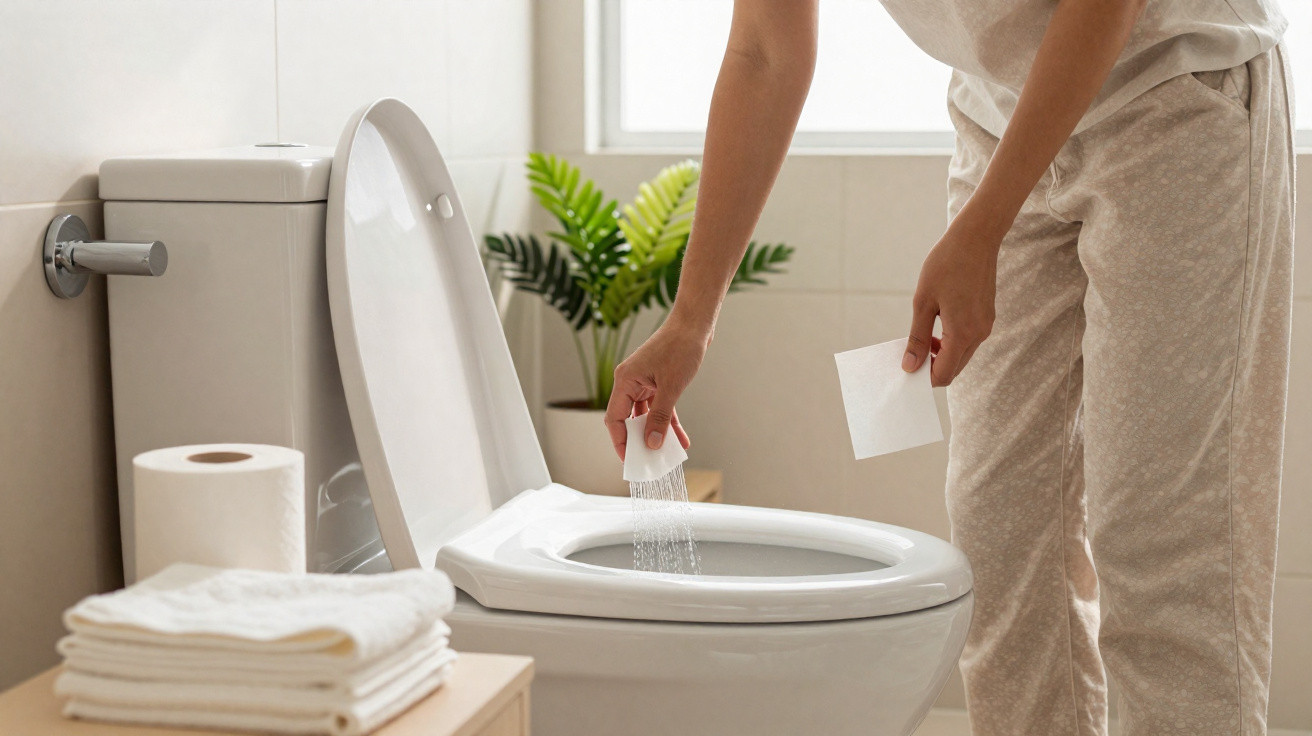
What once felt unthinkable is suddenly within reach: a bathroom without a toilet roll. Supply shortages, rising prices and the wider debate about resources are pushing many people to rethink long-standing habits. Modern water-based options promise better hygiene, less waste and often more comfort too – with no crinkly paper sitting beside the porcelain.
Why the era of toilet paper is coming to an end
Toilet paper seems like a given. You pick it up on offer, stack multipacks in the cupboard and rarely think about it again. Yet every roll represents a sizeable use of water, timber and energy. According to the German Environment Agency (Umweltbundesamt), paper manufacturing makes a noticeable contribution to waste and pressure on resources.
On top of that, recent years of supply disruption and higher prices have highlighted how dependent households are on this single product. At the same time, billions of people around the world have always managed without toilet paper, using water for cleansing instead – for both hygienic and cultural reasons.
Anyone who stops using toilet paper reduces waste, saves resources and improves intimate hygiene – provided the alternative suits everyday life.
A glance abroad makes it clear: water instead of paper is not some niche craze, but the norm in many places – from the traditional bidet across parts of the Mediterranean to high-tech toilets in Japan.
Wet wipes, kitchen roll and more: why these “emergency solutions” cause problems
When the toilet paper runs out, many people instinctively reach for wet wipes, tissues or kitchen roll. They only seem practical at first glance.
Wet wipes – convenient, but costly for the environment and sewers
Moist toilet tissue and wet wipes have been criticised for years. The German Environment Agency (Umweltbundesamt) explicitly warns against disposing of them down the toilet. Even products labelled “flushable” can:
- block drain pipes
- damage pumps and screens at wastewater treatment works
- lead to high maintenance and repair bills
- end up as long-lasting fibre residues in waste and in the environment
Many wipes contain plastic fibres or mixed materials and break down very slowly. If you do use them, they should go in the general waste bin – which quickly undermines the supposed convenience.
Kitchen roll and tissues are not suitable replacements
Household paper products are also a poor substitute for standard toilet paper. Kitchen roll and paper tissues are usually more tightly pressed and far more tear-resistant. Because they do not disperse as well in water, they can put extra strain on pipework.
It might work in the short term, but in the long term blockages are likely – especially in older buildings with narrow pipes.
So if you are genuinely looking for alternatives, you quickly end up with options that do not rely on disposable paper at all.
Bidet, shower toilet, hand spray: an overview of water-based options
From a medical point of view, cleansing with water is considered particularly gentle and thorough. The World Health Organization regards it as hygienically safe when used correctly. Several approaches are possible, depending on budget, available space and how confident you are with installation.
Classic bidet – the timeless standard
In many southern countries, bidets have been a familiar bathroom fixture for decades. This is a separate ceramic basin next to the toilet, used either by filling with water or via a directed water jet.
- Pros: very thorough cleansing, comfortable for sensitive skin, durable installation
- Cons: needs a lot of space, retrofitting is often complicated and expensive
For new builds or larger bathroom refurbishments, a classic bidet remains a dependable choice – but in older properties it often comes down to limited space and pipework constraints.
Toilet with integrated bidet function (shower toilet)
A more modern route is a toilet with an integrated spray function. A retractable nozzle provides a gentle water jet, and many models even offer warm-air drying.
A shower toilet scores highly for convenience, but it costs significantly more than a standard WC. For households aiming to stop using toilet paper altogether, that outlay can be worthwhile over the long term.
Once installed, a shower toilet permanently replaces the toilet roll – including gentle cleansing and optional drying.
Bidet shower: a hand spray for small bathrooms
If you do not have room for a separate bidet and do not want to fit a full shower toilet, a bidet shower can be a practical compromise. This is a handheld spray mounted next to the toilet and connected to the water supply.
- space-saving, ideal for small bathrooms
- comparatively inexpensive to buy
- often possible to fit later on
Using it is similar to a mini shower: after using the toilet, you rinse the area with a targeted water spray. Many people find it unfamiliar at first, but it usually becomes second nature quickly.
Travel bidet: a low-commitment starting point
Travel bidets are small portable devices – typically a squeezable bottle with a special nozzle, sometimes a battery-powered mini sprayer. You fill them with water, squeeze, and create a directed stream for cleansing.
They work well for:
- people who want to try water cleansing first
- travel, camping and festivals
- households where alterations are not possible
One clear plus is that travel bidets need no fitting and no building work. Once people feel comfortable with the idea, they often move on to a fixed bathroom solution later.
Is water really enough – and how do you dry off?
A common concern is whether water alone leaves you feeling properly clean. Specialists point out that clean drinking water removes particles mechanically. Dry paper residue, by contrast, can rub, irritate and leave traces behind.
The WHO considers the method hygienically safe when applied sensibly. What matters is clean water, appropriate pressure, and regular cleaning of the devices.
In practice it becomes clear: water cleans more thoroughly, more gently and is particularly suitable for sensitive skin or medical issues than dry rubbing.
That still leaves the question of drying. Of course, toilet paper can still be used for this purpose – and even then, overall consumption usually drops sharply. If you want to go fully paper-free, options include:
- small cotton cloths collected in a box after use and washed hot
- dedicated flannels kept in the household only for this purpose
- warm-air drying on higher-end shower toilets
Cotton cloths do create extra laundry, but over the years they can save large amounts of paper waste and the resources required to produce it.
Resources, waste and smarter use of the toilet roll
Toilet rolls barely register in day-to-day life, but they add up fast. Beyond the paper itself, there is packaging waste, transport impact, and energy use in production and disposal.
Empty cardboard tubes can be reused around the home – for example as cable organisers, children’s craft material, or small protective sleeves for delicate items. However, that does little to change the underlying burden created by paper production.
| Option | Paper use | Installation effort | Environmental benefit |
|---|---|---|---|
| Standard toilet paper | high | none | low |
| Wet wipes | medium | none | very low to negative |
| Shower toilet / bidet | very low | medium to high | high |
| Bidet shower / travel bidet | very low | low to medium | high |
Hygiene, getting used to it and possible risks
Switching to water usually takes a bit of adjustment. At first, it can take practice to get the spray position and pressure right, especially for children or older adults. After a few days, most people settle into a new routine.
Key points for safe use:
- use drinking water only
- keep the water jet neither too hot nor too strong
- clean and descale nozzles and sprays regularly
- wash towels and cloths hot after use
Anyone with certain intimate health conditions should discuss new cleansing methods with their GP or specialist. In many cases, those very people find gentle water cleansing a significant relief.
Practical examples for everyday life
In family households, a mixed approach often works well: adults use a bidet, shower toilet or hand spray, while children may rely on paper at first – yet overall consumption still falls noticeably. Over time, they often learn to manage with water as well.
For single-person households, a travel bidet plus a small reserve of rolls for guests is often enough. If you like the method, you can move step by step towards a fixed installation. Tenants are best advised to discuss bigger changes with the landlord or managing agent in advance; many are happy to approve an easily reversible option such as a bidet shower.
In the long run, the switch brings several benefits at once: less stress when supermarket shelves are empty again, lower ongoing costs, and clearly less packaging waste in the recycling. Above all, it changes how you view a product that almost nobody used to question – the simple toilet roll.

Comments
No comments yet. Be the first to comment!
Leave a Comment