
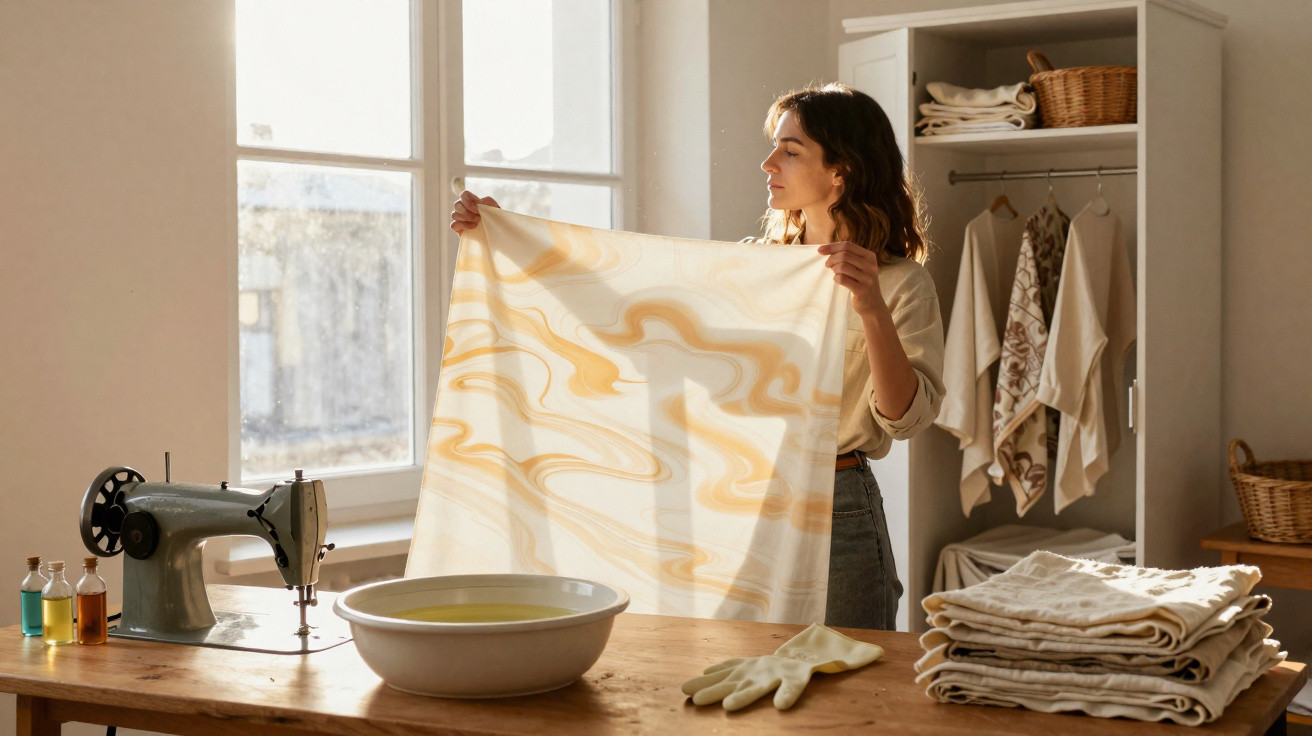
White cotton or linen sheets, slightly yellowed and a touch musty: plenty of people see nothing more than worn-out textiles. Look a little closer, though, and you’ll often find sturdy, high-grade fabric that can be turned into tasteful home accessories with a few simple steps - more sustainable, and frequently more attractive, than buying new from a furniture chain.
Why yellowed sheets are too valuable for the charity bag
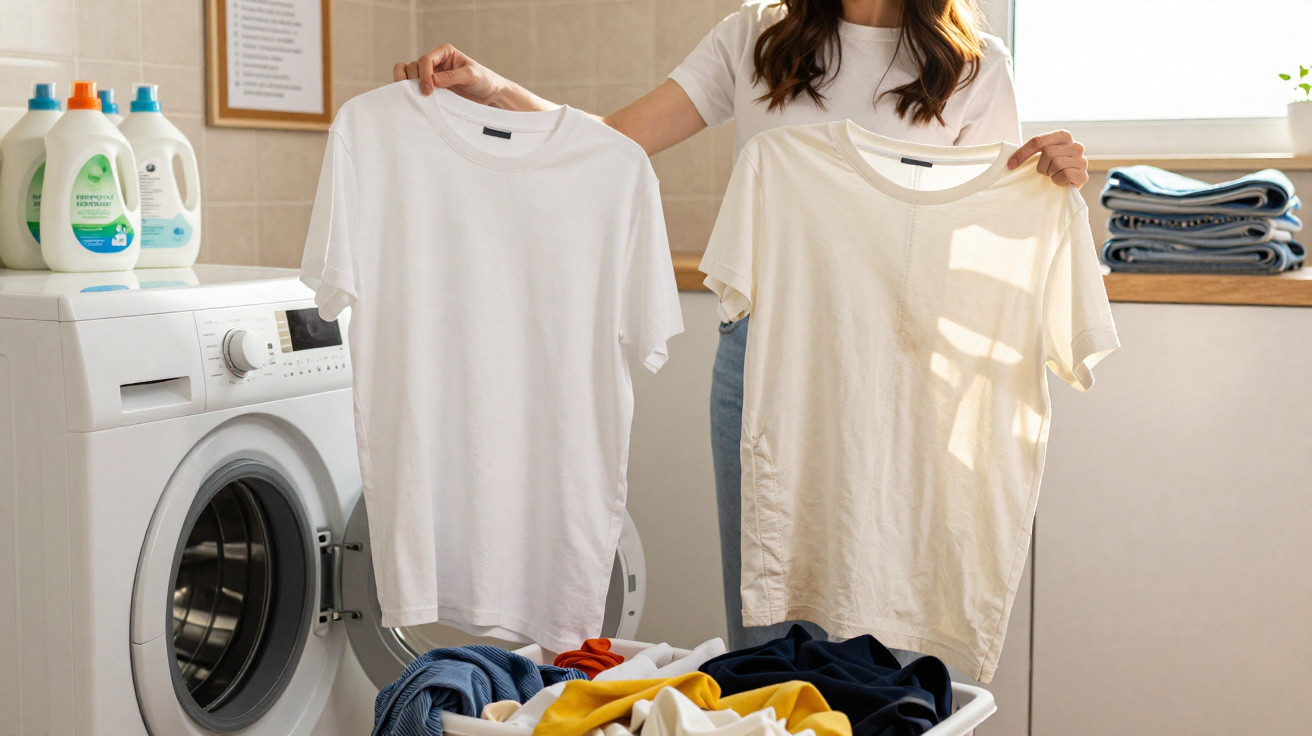
The gut reaction is usually the same: “It doesn’t look fresh any more, so it can go.” With white sheets in particular, even a faint yellow tinge can read as grubby at first glance. Yet that impression is often misleading. In many cases, it isn’t genuine wear at all, but a thin, discoloured layer sitting on the surface.
There are several common causes:
- Sweat: salts, acids and skin oils settle into the fibres.
- Detergent residue: too much detergent and fabric conditioner can leave a film that darkens over time.
- Incorrect storage: damp cupboards or cellars encourage bacteria and traces of mould.
- Light: UV exposure gradually alters fibre structure.
The encouraging part: much of this can be tackled at home. And even if the sheets never return to bright white, that’s exactly what can make them perfect for creative projects.
What looks like old laundry is often a tough, premium material that’s noticeably better than many of today’s bargain fabrics.
Saving yellowed cotton sheets: how to make them presentable again
Before you repurpose anything, it pays to do a quick care check. Treated properly, sheets can regain a cleaner colour and a better feel - and you’ll extend the life of the fabric by years.
Step 1: Strip out build-up
A straightforward washing-machine method can remove a large share of the discolouration:
- Pour one cup of clear white household vinegar into the detergent drawer.
- Use normal detergent, but don’t overdo the dose.
- Choose a programme of at least 40°C.
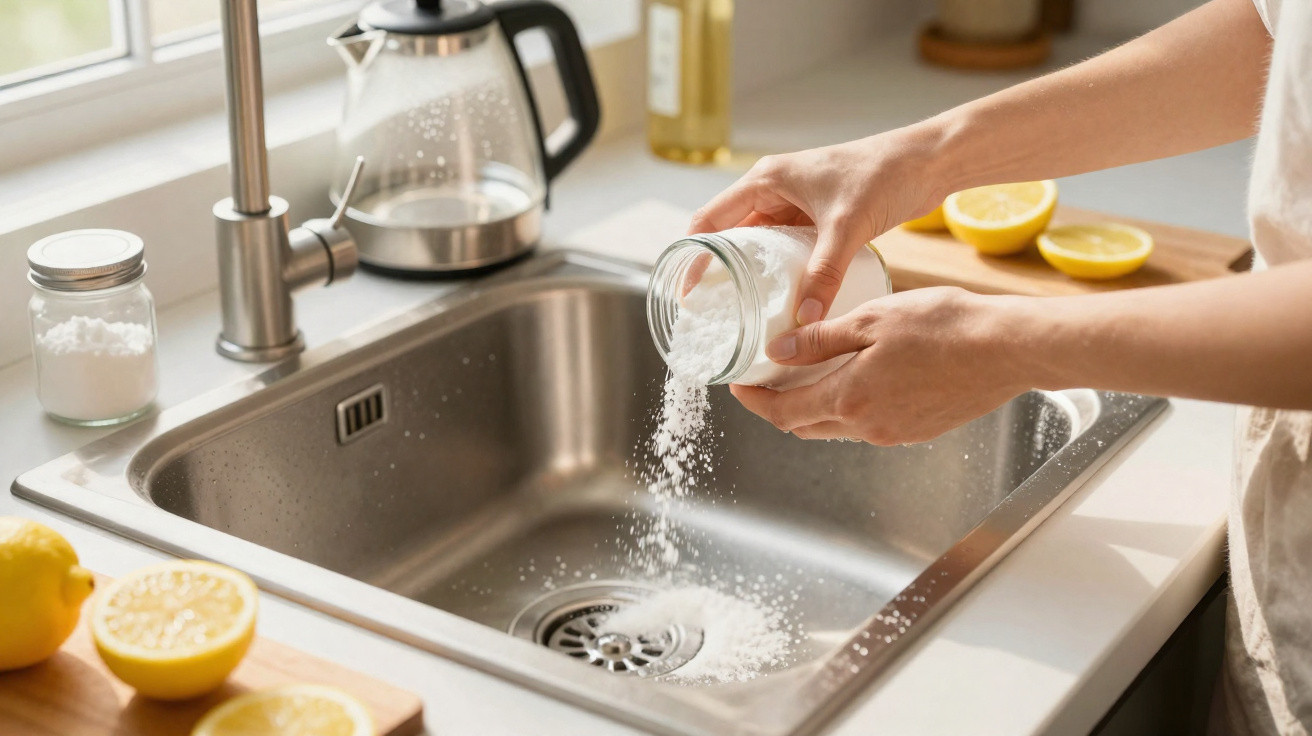
Vinegar helps dissolve soap residue, neutralises odours and leaves the cloth feeling smoother. If your sheets are heavily soiled, you can also add an oxygen-based bleach such as washing soda or sodium percarbonate.
Step 2: Target stubborn stains
For deeper yellowing, a pre-soak routine can make a real difference:
- Fill a bucket or tub with very hot water.
- Mix in an oxygen-based powder according to the packet instructions.
- Soak the sheets for several hours, ideally overnight.
- Then wash at 40°C to 60°C.
Alongside that, the right habits help prevent the problem returning: wash bedding every one to two weeks (weekly if you sweat heavily). Use less detergent, skip fabric conditioner, and add vinegar or a little bicarbonate of soda during the rinse instead.
Step 3: Use sunlight as a free brightener
If you can, dry your sheets outdoors:
- Sunlight has a mild bleaching effect, especially on white fabrics.
- A breeze helps moisture evaporate quickly.
- Once fully dry, store sheets in a dry, well-ventilated cupboard.
That routine helps prevent musty smells and further discolouration.
Hidden gems in the cupboard: what makes old linen and hemp sheets so special
Many linen cupboards, lofts and inherited storage boxes hide a textile surprise: sheets made from linen, hemp or natural-fibre blends - often woven back when quality was built around durability rather than rock-bottom prices.
These fabrics are typically characterised by:
- High fabric weight (often well above 180 g/m²), giving a firmer handle and a lovely drape.
- A tight weave that can last for decades.
- High moisture absorption without feeling clammy - ideal for table linens and home textiles.
That yellowish cast usually comes from cellulose oxidation and older finishing agents. The fibre itself is often still in excellent condition. If you rescue pieces like this before they’re tossed into a charity bag, you’re effectively holding high-quality raw material.
Linen and hemp sheets from earlier decades outperform many modern décor fabrics in quality, longevity and sustainability.
Trend “Teint-Nuage”: turning yellowing into a marbled décor look
If you don’t just want to rescue old sheets but to change their appearance completely, there’s a dyeing trick gaining momentum in the DIY world: a cloudy, marbled effect that turns blotchy white into a deliberate design textile.
How the cloud effect works, step by step
You don’t need a professional studio for this look. A bucket, textile dye and a bit of patience are enough:
- Pre-wash thoroughly at 60°C with washing soda to remove old fabric conditioner and finishing residues.
- While the sheet is still slightly damp, scrunch it loosely into a ball shape and secure it with elastic bands or string.
- Mix the textile dye according to the instructions, ideally choosing a certified product designed for low-residue use.
- Briefly dip the fabric ball or apply dye in spots with a pipette so lighter and darker areas form.
- Leave it to develop for around three quarters of an hour; if required, add salt to fix the colour.
- Rinse well and wash again until the water runs clear.
The result is a one-off, softly marbled tone that disguises small leftover marks and makes the fabric look like a designer piece - perfect for table linens, cushions or curtains in a relaxed farmhouse or loft style.
Practical ideas: what you can make from old sheets
If you’re now tempted to reach for scissors, you’ve got almost endless options. One large sheet often covers several projects. Popular choices include:
- Large dining tablecloth: an old double sheet becomes a rustic tablecloth, around 240 x 140 centimetres.
- Fabric napkins: use offcuts to make square cloths, about 40 x 40 centimetres, that are washable and hard-wearing for everyday use.
- Tea towels: linen in particular is ideal as a lint-free glass and polishing cloth.
- Cushion covers: for sofas, armchairs or floor cushions - colour-coordinated covers can instantly change the feel of a room.
- Simple curtains: thinner linen or cotton sheets make airy curtains for the kitchen, hallway or bedroom.
If you’re confident with a sewing machine, you can finish hems neatly. For a more relaxed look, a simple turned hem sewn by hand is often enough. Small imperfections give the fabric personality - less like mass retail, more like a genuine one-off.
More sustainability without sacrificing style
Textile experts have been pointing out for years that extending the life of clothing and home textiles makes a tangible contribution to climate protection. Every blanket or sheet that stays in use can replace a new product from global supply chains, with all the transport and production impacts that entails.
Older sheets fit this idea particularly well: they’ve already been made, their environmental footprint is effectively in the past, and they often bring qualities budget new items no longer guarantee - toughness, solid seams and a pleasant handle.
| Old sheet | New décor fabric |
|---|---|
| Usually higher quality, more densely woven | Often thinner, produced under cost pressure |
| Already washed, minimal shrinkage | Can shrink noticeably after the first wash |
| Hardly any additional resource use | New production, new transport routes |
| Individual look through dyeing and sewing | Standard off-the-shelf design |
What to watch out for when upcycling
Before you start any project, inspect the fabric carefully. Areas that have become very thin, splits along edges or brittle fibres can make a sheet unsuitable for hard-wearing items such as seat cushions. For lightweight curtains or decorative runners, though, it may still work perfectly well.
A smell test is sensible too. If a musty note persists even after washing and air-drying, mould spores may be present. In that case, the fabric shouldn’t be used in a bedroom or near children - it should be disposed of.
If you’re working with textile dye, follow the guidance on skin compatibility and wear gloves while dyeing. In households with small children or allergies, it’s worth choosing certified products designed to leave fewer residues.
Why it’s worth rummaging in the linen chest
A pile of yellowed bed sheets can look like work rather than a homeware win. But once you get started, it becomes obvious how often the material for your next table setting, a fresh set of cushions or a light summer blind is already waiting in the cupboard. Instead of buying on impulse at a furniture store, an afternoon with the washing machine, scissors and thread is often enough - plus a little confidence to try those creative cloud patterns.



Comments
No comments yet. Be the first to comment!
Leave a Comment