
Many households know the problem: the carpet starts to look grey, it develops an unpleasant smell, and shop-bought cleaners only improve things briefly. At the same time, nobody wants to risk ruining a good carpet with harsh chemicals. That is exactly why a straightforward method is currently going viral in cleaning forums and household groups - using ingredients most people already have at home.
The simple kitchen carpet paste
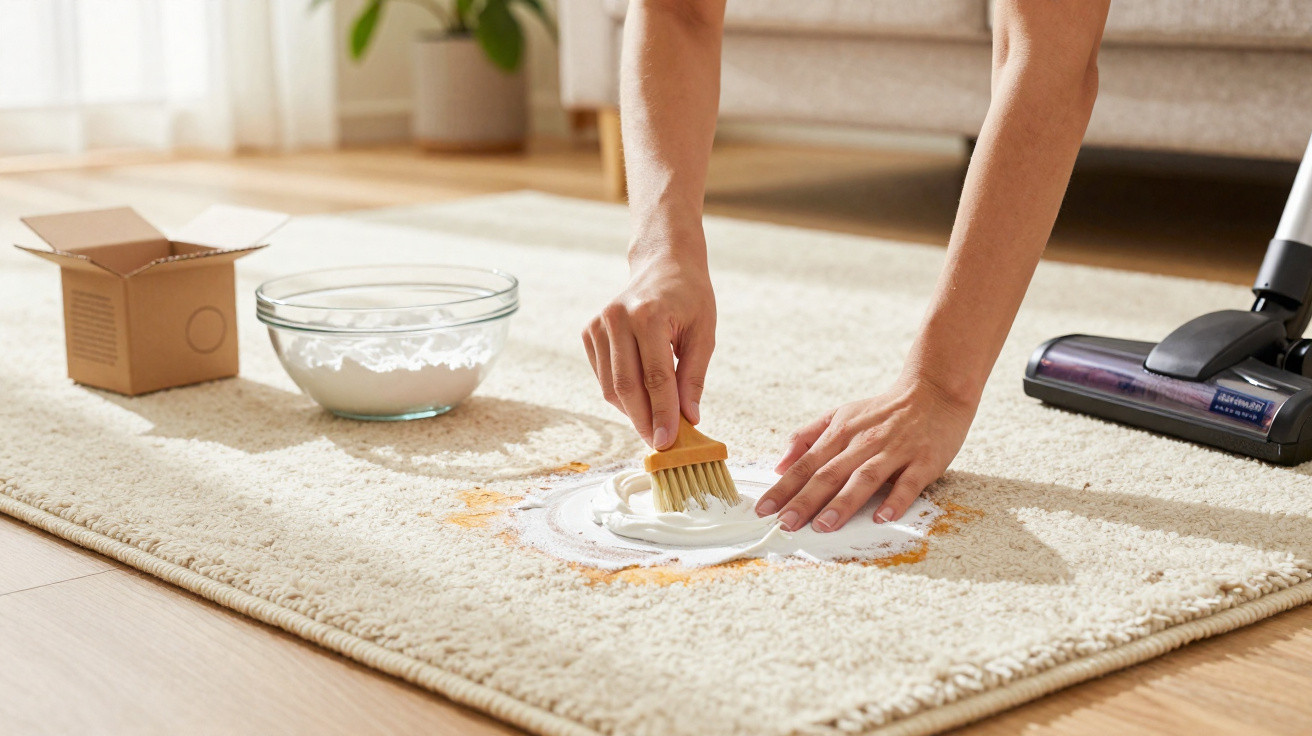
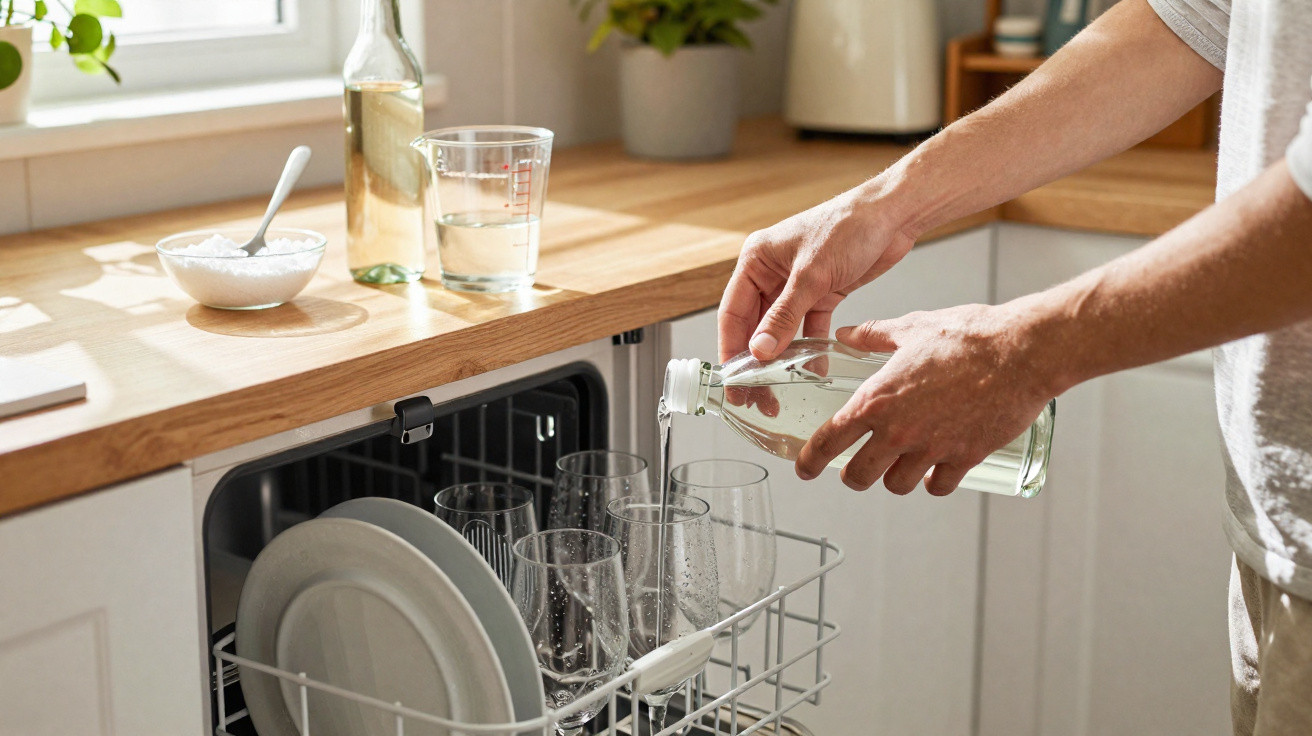
At the heart of the hack is a paste you mix yourself. It is based on bicarbonate of soda and clear household vinegar, with the option of adding a little washing-up liquid and warm water. The mixture fizzes lightly - and that reaction is what helps lift dirt and odours out of the fibres.
"With two spoonfuls of powder and a little liquid you get a paste that loosens stains and neutralises smells in just a few minutes."
For a typical stain on a synthetic-fibre carpet, a small bowl of the mixture is more than enough. The ingredients are found in almost every kitchen, cost only pennies, and the results are often far more noticeable than many ready-made carpet products promise.
How to mix the paste correctly
If you are using bicarbonate of soda for cleaning for the first time, it is easy to add too much water. When that happens, the paste sinks into the carpet and simply leaves everything wetter. It is better to build it gradually:
- Put 2 heaped tablespoons of bicarbonate of soda into a small bowl
- Drizzle in 1 tablespoon of clear household vinegar carefully
- Wait briefly until the light foaming settles
- Optional: add 1 drop of washing-up liquid and 1–2 tablespoons of warm water
You are aiming for a thick, spreadable, cream-like texture. The paste should sit on the fibres rather than soaking down into the backing.
Step-by-step guide: how to use the trick properly
The process is like a mini carpet clean - just more targeted and without much effort. The key is getting the prep right.
Preparation: vacuum the carpet thoroughly
Before the paste goes anywhere near the carpet, vacuum the area well. Otherwise crumbs and surface dust will mix with the paste and create a smeary layer. If your vacuum has a brush attachment, it is worth using it.
Apply the paste without stressing the fibres
Next, treat the affected spot - or, for smaller runners, the whole surface. The important thing is to be gentle:
- Pick up the paste with your fingers or the soft side of a sponge
- Apply it in the direction of the pile, rather than scrubbing in tight circles
- Do not scour; instead, "lay" it on and spread lightly
The idea is for the paste to draw the dirt up to the surface, not to force it deeper. If you rub hard, you often end up spreading the stain and, in the worst case, damaging the carpet’s fibre structure.
"The paste needs time to work - rubbing does not replace dwell time, and it often makes stains worse."
Dwell time, removal and aftercare
The paste does not need long to do its job. In most cases, 15 to 20 minutes is enough. During that time it dries slightly and may change colour a little - a sign that it is absorbing dirt and grease.
Then:
- After the dwell time, lift the paste away with kitchen roll or a soft mop
- Let the carpet air-dry completely
- Finish by vacuuming thoroughly once more
After this final pass, the carpet often looks visibly brighter, the fibres sit up better again, and odours are noticeably reduced or gone altogether.
When the whole carpet could do with a treatment
Especially with small runners, bath mats and kitchen rugs, it can be worth treating the entire carpet rather than just tackling individual marks. Synthetic fibres cope well with this approach, as long as you do not use too much moisture.
For a small carpet, proceed like this:
- Vacuum the carpet
- Spread a thin layer of paste over the whole surface
- Leave it for 5–15 minutes
- Lift off the residue with a cloth and allow it to dry
Applied across the full area, this can brighten dull colours and remove the familiar grey haze that builds up anywhere people walk regularly.
If odour is the only issue: bicarbonate of soda on its own is often enough
Not every carpet has visible stains. Sometimes it is simply a slightly musty smell or the sense that a room smells "heavy". In that case, dry bicarbonate of soda alone is usually sufficient.
The method is straightforward:
- Sprinkle a fine layer of bicarbonate of soda evenly over the dry carpet
- Spread it lightly with your hand or a dry cloth
- Leave it for at least 30 minutes; for strong smells, leave it overnight
- Vacuum carefully afterwards
"Used dry, bicarbonate of soda binds odours, loosens the fibres and can even draw a little moisture out of the carpet."
If you have pets, make sure dogs and cats do not lick the carpet while it is working. Bicarbonate of soda is not highly toxic, but larger amounts can cause stomach upset.
How to buy bicarbonate of soda sensibly
Many people pick up the small packs in the supermarket baking aisle. For regular cleaning, that gets expensive over time. If you often use bicarbonate of soda for carpets, grout lines or freshening the fridge, larger packs are better value.
| Packaging | Typical amount | Best used for |
|---|---|---|
| Small baking powder/bicarbonate of soda sachet | 50–100 g | Occasional stains, small areas |
| Bag from a chemist/household retailer | 1 kg | Regular carpet and household cleaning |
| Bulk pack online | 5 kg and more | Multiple carpets, households that use it for many cleaning jobs |
High-street chemists and household retailers often sell 1 kg bags that work out far cheaper than small sachets. If you are switching more of your cleaning over to simple home ingredients, keeping a supply saves money in the long run.
Common mistakes when cleaning carpets with home remedies
The method is simple, but a few classic errors cause frustration again and again. With a handful of basic rules, you can avoid most problems.
Too much water, too much pressure
The two biggest pitfalls are over-wetting and aggressive rubbing. If the carpet gets too wet, it dries slowly and can develop water marks or yellowish edges. Heavy pressure with a brush pushes dirt deeper into the pile and roughens the material.
Better: use as little liquid as possible, apply small amounts of paste more than once if needed, and work gently rather than soaking the area in one go.
Forgetting to vacuum
A common mistake is skipping the pre-vacuum. Dust and crumbs then combine with bicarbonate of soda and vinegar to form a kind of sludge that is hard to remove. Many people also forget the final vacuum after everything dries - but that last pass is what removes the loosened dirt particles and any remaining powder.
Cleaning the wrong type of carpet
The paste described here is primarily suited to synthetic carpets - for example, polyester, polypropylene and similar materials. More delicate fibres react far more sensitively.
These can be problematic, for example:
- Wool carpets
- Oriental rugs
- Viscose rugs
- Rugs made from fine natural fibres such as sisal or jute
On these materials, vinegar can darken the colour, dull the sheen or even attack the fibre structure. If you are unsure, test the mixture in an inconspicuous corner - or avoid acid completely on these carpets and use only dry bicarbonate of soda.
When home remedies reach their limits
Heavy red wine stains, dried-in pet accidents or old discolouration that has worked deep into the fibres can often be improved noticeably with this method, but they do not always disappear completely. With high-value carpets or family heirlooms, professional cleaning may be the better option to avoid damaging the material.
For sturdy everyday runners, children’s room carpets and bath mats, the bicarbonate-of-soda paste is a very practical solution. It saves money, reduces the need for chemical products, and helps textiles stay in use longer rather than being thrown away early.
Other household uses for bicarbonate of soda
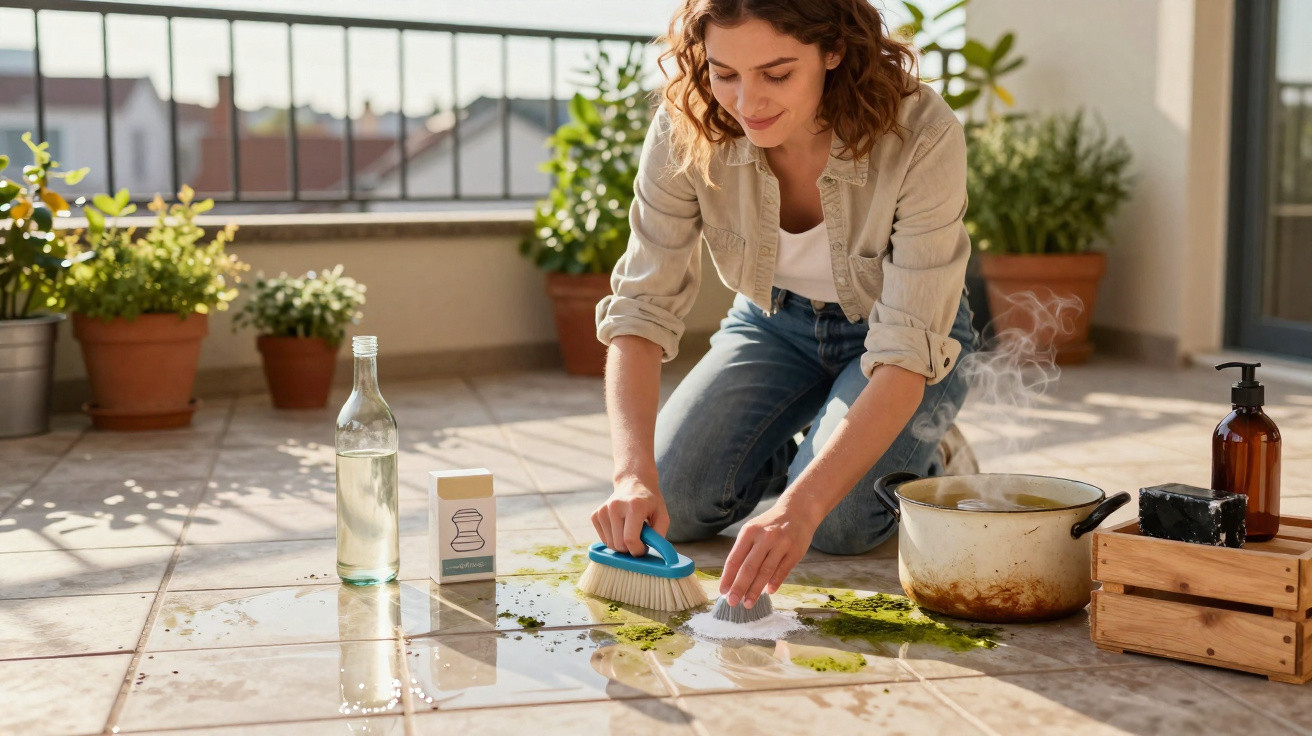
Once you have bought a large bag, you quickly realise the powder is a versatile all-rounder. It neutralises odours in the fridge, helps clean baking trays, and can even freshen up kitchen cupboard fronts.
For smooth surfaces, a simple mix of water and bicarbonate of soda is enough. Apply it, leave it briefly, then wipe it away - grease films lift more easily and the surface looks cleaner again. The same rule applies here: test a small area first, then tackle larger sections.
With a little practice, what starts as an improvised carpet rescue can quickly become a regular part of your cleaning routine. It requires no specialist knowledge - just a bit of patience and the willingness to move away from overpriced bottles on the cleaning aisle.

Comments
No comments yet. Be the first to comment!
Leave a Comment