
In many kitchens there’s already an unassuming helper that cuts through grease, knocks out odours and restores shine.
Anyone who enjoys cooking knows the familiar issue: let something boil over once, heat a pan a touch too much, and splatters quickly bake onto the hob. Rather than spending money on pricey specialist cleaners, a common food that’s often sitting in the fruit bowl can turn into a cleaning pro in seconds.
Why hobs become unsightly so quickly
Whether you have a glass-ceramic hob, induction, or traditional cast-iron hotplates, frying and simmering leave behind grease, sugary residue and burnt-on sauces. With heat, these deposits fuse into a stubborn film that ordinary washing-up liquid struggles to shift.
- Grease splashes from pans and pots
- Sugary sauces that caramelise
- Starchy spillovers from pasta or potato water
- Fine dust and everyday kitchen grime
That’s why many people reach for heavy-duty cleaners that smell harsh, irritate the airways and, over time, can damage the hob’s surface. A much gentler method, however, can work surprisingly well.
The natural wonder cleaner from the kitchen
At the heart of this simple approach is a household staple most people already have: the lemon. This fruit delivers several benefits at once.
"With its natural acidity, lemon dissolves grease, slightly brightens discolouration and leaves a fresh scent - completely without aggressive chemicals."
The citric acid in lemon acts like a mild descaler and degreaser. At the same time, the juice helps bind unwanted smells, so the hob not only looks clean but also smells neutral.
Step-by-step: cleaning the hob with lemon
For everyday cleaning, one piece of the fruit is enough-there’s no need for anything more.
Preparing the surface
Before you start, make sure the hob has cooled down completely so nothing bakes on further and you don’t risk burns.
- Switch everything off and let it cool.
- Wipe away loose crumbs with kitchen paper.
- For glass-ceramic, carefully lift heavy, stuck-on residue with a ceramic hob scraper.
Cleaning with the fruit flesh
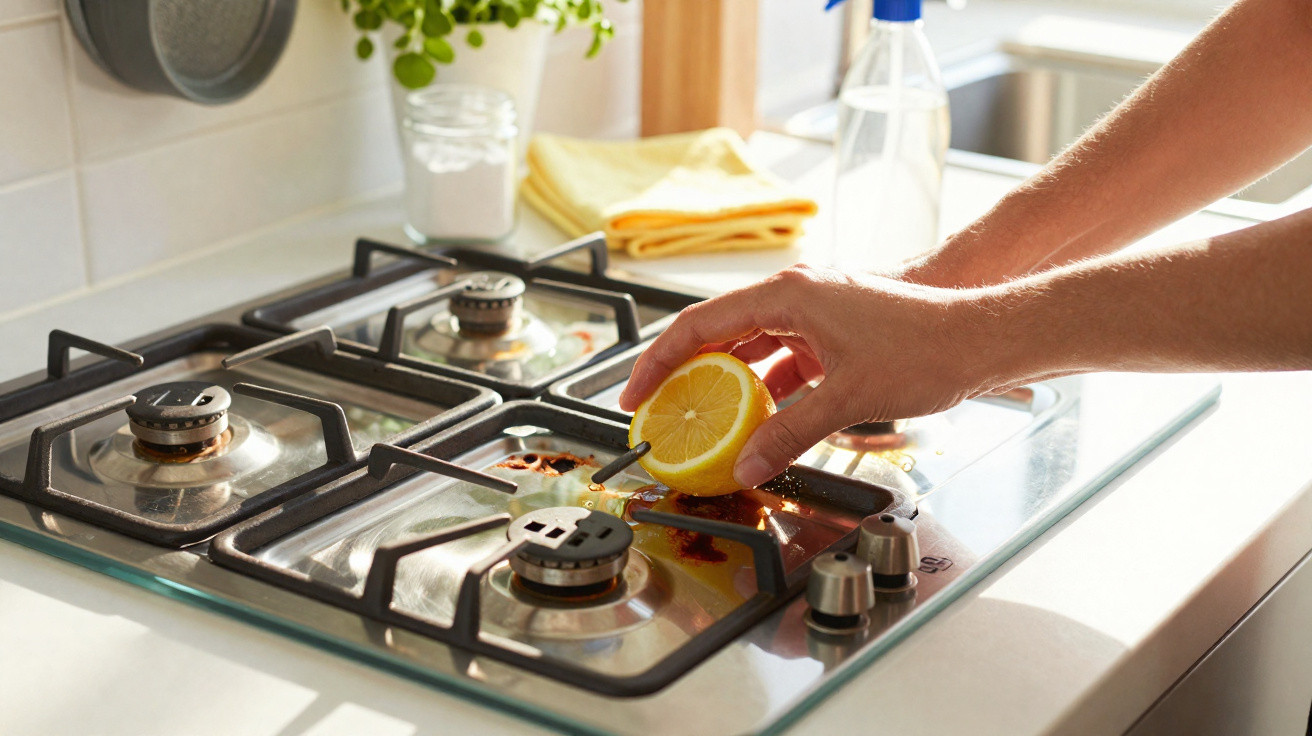
- Cut a lemon in half.
- Press the cut side gently so a little juice comes out.
- Rub the cut surface over the hob in small circular motions.
- Spend a bit longer on greasy patches and discoloured areas.
- Leave the juice to work briefly.
After that, a damp cloth or a soft sponge is enough to pick up the residue. Buff over with a dry cloth and you’re done. The surface looks cleaner, feels smoother and has a pleasantly fresh smell.
When the hob looks really bad
Some marks sit deeper-spilt sugar, baked-on sauce, or old splatters that were never properly removed. In situations like these, combine fruit acid with a second kitchen staple: bicarbonate of soda, or traditional baking powder based on bicarbonate.
"The combination of citrus acidity and the fine texture of bicarbonate powder loosens even stubborn layers without scratching the hob."
How the powerful duo method works
- Prepare half a lemon.
- Sprinkle a little bicarbonate of soda or baking powder directly onto the cut surface.
- The mixture will foam slightly-this is normal.
- Work the hob with gentle pressure in circular movements.
- On heavily soiled areas, leave the paste for a few minutes.
- Wipe away thoroughly with a damp sponge.
- Dry and polish with a microfibre cloth until the surface shines without streaks.
Important: don’t use an abrasive scouring pad, as it can cause scratches-especially on glass-ceramic and induction.
Benefits of the natural cleaner
Using lemon together with bicarbonate scores in several ways.
- Low cost: Both are inexpensive and often already in the cupboard.
- Kitchen-friendly: No pungent fumes lingering in the room.
- Gentle: Used correctly, the surface stays smooth and undamaged.
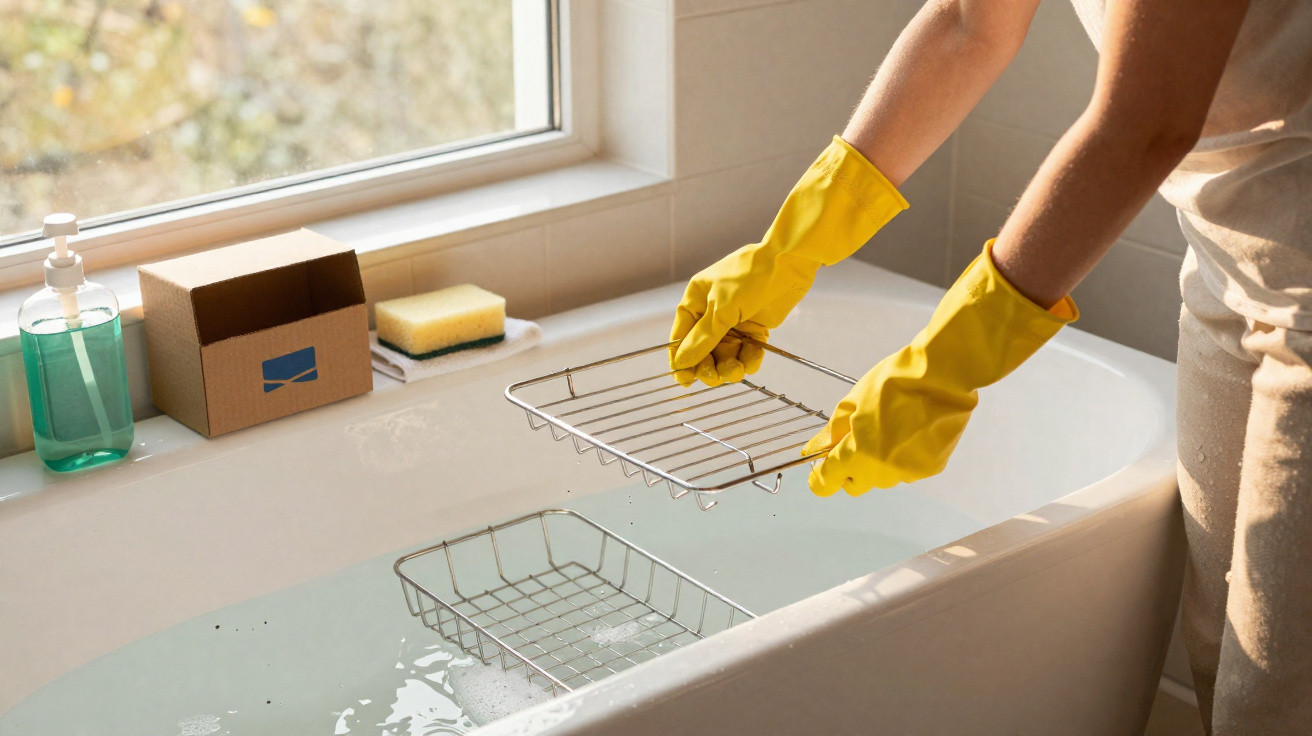
- Versatile: The mixture also works for oven trays, the underside of frying pans, or the inside of the oven.
As a bonus, this approach reduces reliance on aggressive cleaning chemicals at home, which would otherwise end up in the environment via wastewater.
How often you should clean the hob
If you look after your hob consistently, you’ll rarely need the stronger mixture. A practical rule of thumb is:
| Usage pattern | Recommended cleaning |
|---|---|
| Daily cooking | Quick wipe after every cook, deep clean 1× per week |
| Several times a week | Wipe as needed, deep clean every 10–14 days |
| Rare cooking | Wipe when stains are visible, basic clean 1× per month |
If you remove splashes straight after cooking with a damp cloth, you stop new burn-on marks forming. Then the lemon method is enough as an occasional refresh.
What to watch out for with different hobs
Not every surface reacts in the same way, so checking the instruction manual is always sensible. In general, these points apply:
- Glass-ceramic/induction: Use only soft cloths or dedicated scrapers-no hard granules or rough sponges.
- Cast-iron hotplates: Leave the bicarbonate–lemon mix on only briefly to reduce the risk of rust.
- Stainless-steel areas around the hob: Wipe in the direction of the grain to avoid fine scratches.
If you’re dealing with very delicate special coatings, try a small test on an inconspicuous spot first.
Extra tips for a clean kitchen
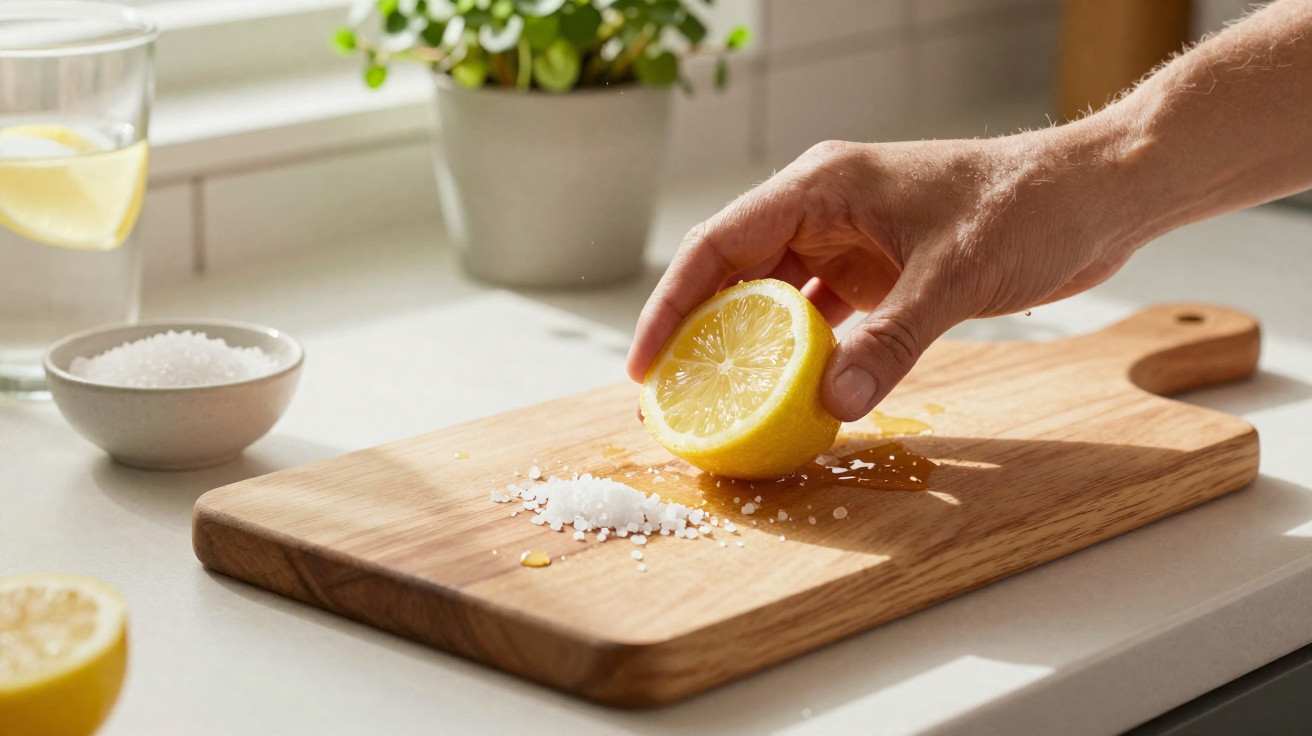
Lemon can do more than tackle hobs. Squeezed halves can freshen chopping boards, stainless-steel sinks or fridge compartments, for example. Bicarbonate of soda helps neutralise unpleasant odours, such as in the drain or the bin.
When you combine these household staples thoughtfully, you gradually build a small, low-cost “cleaning toolkit”. Instead of ten different products in the cupboard, you end up with a few straightforward basics that can be used in lots of ways.
Of course, lemon won’t replace every specialist cleaner. Burnt plastic residue or deeply set discolouration on older hotplates sometimes needs professional products. For day-to-day cleaning, though, the simple mix of fruit, a little bicarbonate and warm water is often entirely sufficient-and makes the job noticeably more pleasant.


Comments
No comments yet. Be the first to comment!
Leave a Comment