
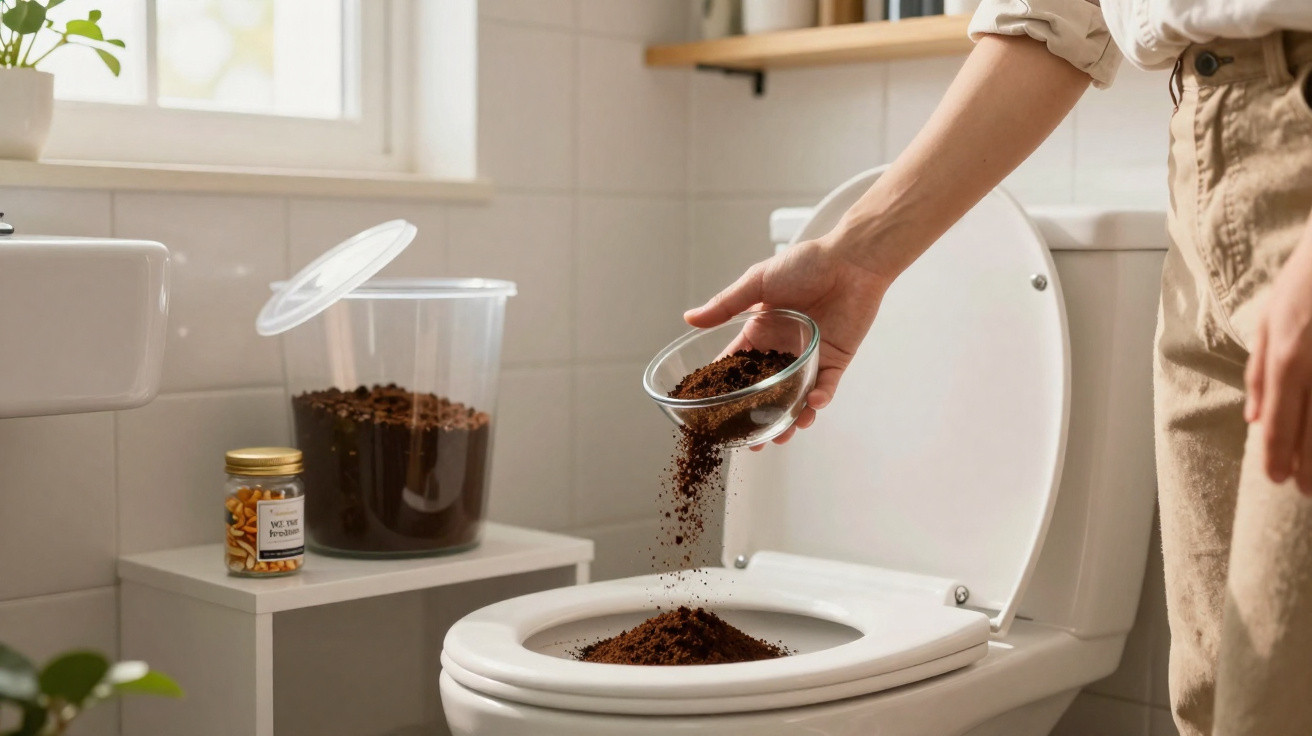
In cleaning groups, on social media and in household forums, a simple tip is doing the rounds: put a spoonful of coffee grounds straight into the toilet, give it a quick scrub, flush - done. It sounds like clever reuse instead of a toilet cleaner from a plastic bottle. But what looks like a smart household hack has an unpleasant downside that only shows up inside the pipework.
How the coffee-grounds-in-the-toilet trend started
The routine is straightforward. After breakfast, there are leftover coffee grounds in the filter or portafilter basket. Instead of putting them in the bin or on the compost heap, people tip a tablespoon into the toilet bowl, scrub around with the toilet brush and flush.
The thinking fits the current mood perfectly: fewer chemicals, less plastic, more reuse. For households that prefer “natural cleaning”, it can feel like a minor stroke of genius - waste nothing, use everything.
“What would normally end up in the food-waste bin is quickly repurposed as a supposedly ‘green’ toilet cleaner.”
There’s also the viral element. Short videos show a gleaming white toilet next to a spoonful of dark granules. A few seconds, a persuasive before-and-after - and plenty of people try it without understanding what it can do to the drains.
What coffee grounds actually do in the toilet bowl
It’s not true that they do nothing. Coffee grounds are gritty, but not sharply abrasive. When you scrub, they act like a very mild scouring agent.
- light deposits can be loosened a little more easily,
- the bowl can look cleaner in the short term,
- the typical coffee smell briefly masks unpleasant toilet odours.
The idea is especially popular before longer holidays: people add coffee grounds to the standing water in the toilet, hoping to neutralise smells coming up from the pipes. The assumption is that the grounds “bind” the odour so you don’t come home to a musty flat.
In practice, that effect mostly stays on the surface - literally. What happens out of sight is the real sticking point.
Why a spoonful of coffee grounds can become a problem in the pipe
Unlike washing-up liquid or conventional toilet cleaners, coffee grounds do not dissolve in water. The particles remain solid and some of them settle in the pipework. That’s where the trouble starts.
Drainage services and drain cleaners have classed coffee grounds as “do not flush” for years - in the same category as wet wipes or fat. The reason is simple: grounds can lodge at tight points, bends and older pipe joints.
Plumbers repeatedly describe a familiar scene when clearing blockages: coffee grounds clumping in the pipe together with:
- fats and oils from the kitchen,
- limescale build-up on the pipe walls,
- toilet paper and other solids.
The result is a sticky, highly compact plug that allows barely any water through. In newer homes with smooth plastic pipes, you might not notice until much later. In older buildings, or where the system is already prone to issues, a regular “spoon routine” can narrow the flow noticeably.
“What looks like a clean toilet at the top can quickly become an expensive blocked drain below.”
The risk is particularly high with:
- old cast-iron pipes with existing deposits,
- blocks of flats with long shared soil stacks,
- homes with their own septic tank or a small biological wastewater treatment system.
In setups like these, even small but frequent amounts of coffee grounds can speed problems up considerably - until you end up needing an emergency call-out with a drain auger or high-pressure jetting.
Are small amounts harmless - or is it better to avoid it completely?
Many guides that promote the trick quietly assume that one or two spoonfuls a month won’t do any harm. In reality, it’s not that clear-cut. What matters is the condition and layout of your own plumbing.
Some DIY advice says that if you really won’t give it up, you should do it very rarely, use no more than one tablespoon, and then flush through with lots of water - ideally hot - to reduce the chance of grains settling in a bend.
Even so, many professionals strongly advise against it in particular situations:
- the toilet already drains poorly or regularly gurgles,
- the property is older and has had blockages more than once,
- you have a septic tank or a biological packaged treatment plant.
In those cases, coffee grounds can build up over time and put extra strain on the system. Ironically, anyone trying to save money can end up doing the opposite: paying steep fees for a drain specialist to undo an over-enthusiastic eco-cleaning experiment.
Better ways to use coffee grounds at home
Instead of sending them down the drain, coffee grounds are far more useful elsewhere around the house - without risking pipes and drains.
Coffee grounds as an odour absorber (without water)
If you like the deodorising effect, let the grounds dry out and place them in a small dish in the toilet or bathroom. They can absorb smells from the air without having any chance to collect in the pipework.
This also works well in the fridge, a shoe cupboard or a storage room. The key point: the grounds must be completely dry, otherwise they can go mouldy quickly.
A cleaning helper in the kitchen
In the kitchen, coffee grounds can be handy for things like:
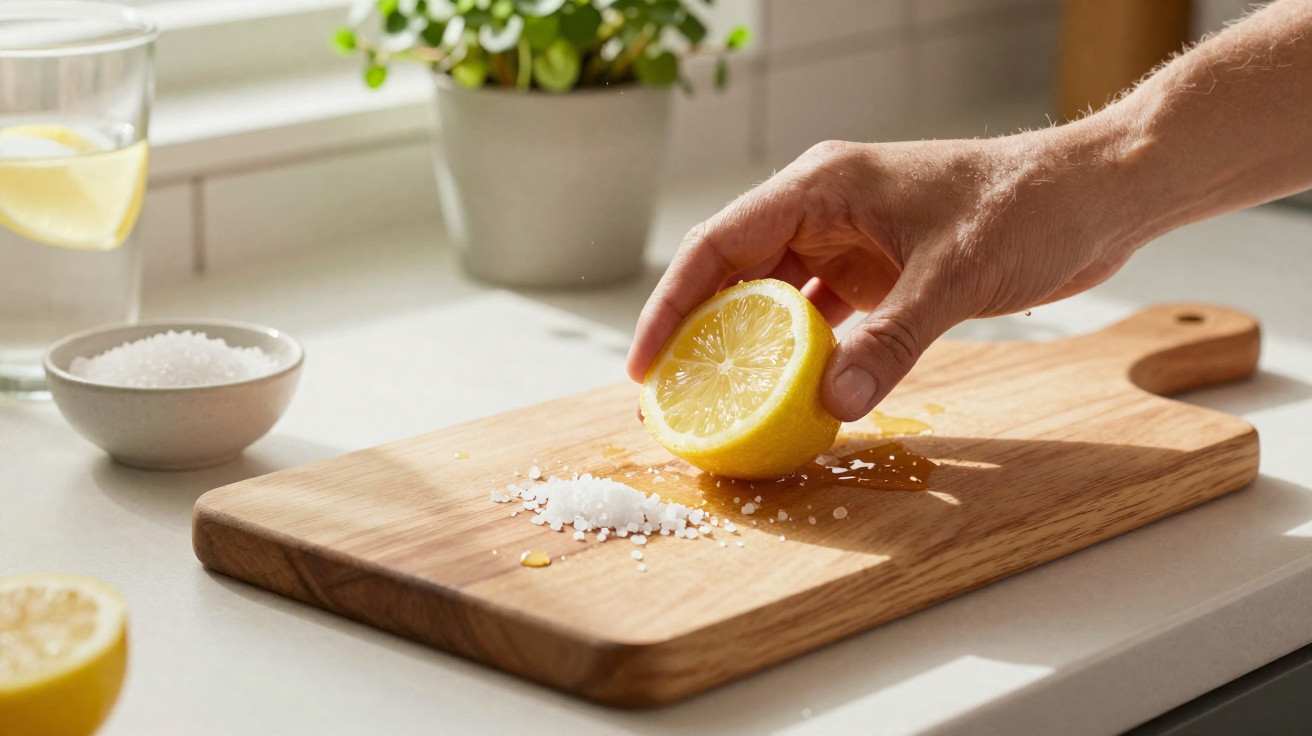
- rubbing down wooden chopping boards after cutting onions or garlic,
- reducing stubborn odours on pots and pans,
- gently scouring heavily soiled sinks (only on hard-wearing surfaces).
As always, test first on an inconspicuous area, because the granules can leave fine scratches on delicate materials.
In the garden it’s almost a classic
In the garden or on the balcony, coffee grounds have been a long-standing tip: lightly worked into the soil, they add small amounts of nutrients and attract earthworms. Many hobby gardeners mix them into compost, where they break down over time and become part of the humus.
Sprinkling large quantities directly around plants is not a good idea, though. The layer can crust over and seal the soil surface. It’s better to apply a thin scatter or mix it with other organic matter.
Why drain professionals generally warn against kitchen waste in the toilet
Coffee grounds are just one example of a broader habit: more and more kitchen leftovers are being flushed down the toilet out of convenience. Greasy sauces, soup remnants, cooking oil or food crumbs might save a short walk to the bin - but they can cost serious money later.
Fats and oils stick inside pipes, forming a film that traps other particles. Coffee grounds then act almost like a framework for those deposits to cling to. Over time, this can create a hard ring in the pipe that steadily reduces the internal diameter.
“Anything that isn’t soluble and easily biodegradable simply doesn’t belong in the toilet - coffee grounds included.”
If you want to protect your plumbing in the long run, three basic rules go a long way:
- dispose of fats and oils in the general waste, never down a drain,
- put solid kitchen waste into food waste (where available) or general waste,
- only flush what the toilet is designed for.
Practical alternatives for a fresh, clean toilet
If you’d rather avoid harsh chemical cleaners, there are plenty of other ways to keep the toilet clean and reduce odours without burdening the pipework. For example:
- vinegar essence or citric acid for limescale rings,
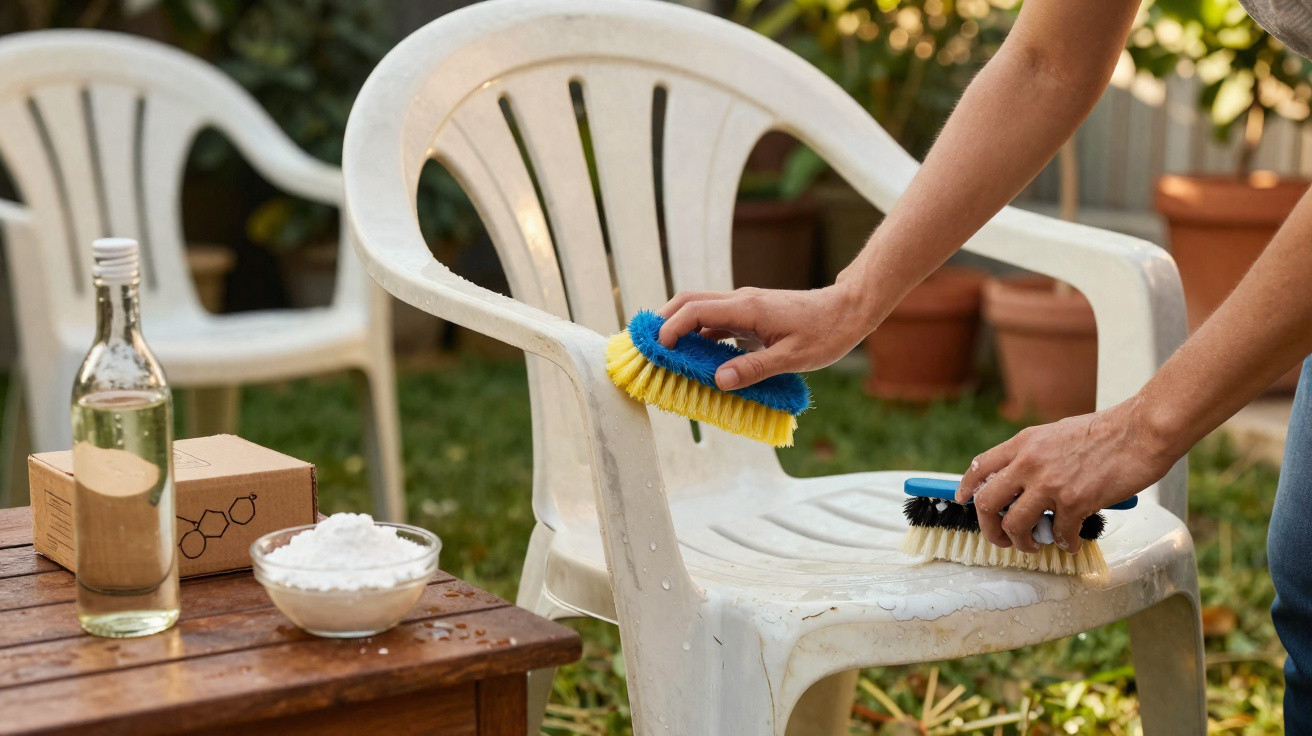
- sodium bicarbonate (often used as “baking powder”) for lighter deposits,
- regular, vigorous brushing so grime doesn’t get a chance to build up,
- refillable toilet blocks instead of constantly buying new plastic holders.
For the air in the room, simple habits help too: ventilate regularly, set out a small dish of dried coffee grounds or bicarbonate of soda, and use essential oils sparingly. All of that works without the risk of a drain-cleaning visit.
So if you’re standing by the toilet with a spoonful of coffee grounds, it’s worth remembering: the supposed miracle moment may cut cleaning products and rubbish at first glance - but it shifts the problem into a place you can’t see. And that’s exactly where it can become most expensive.


Comments
No comments yet. Be the first to comment!
Leave a Comment