
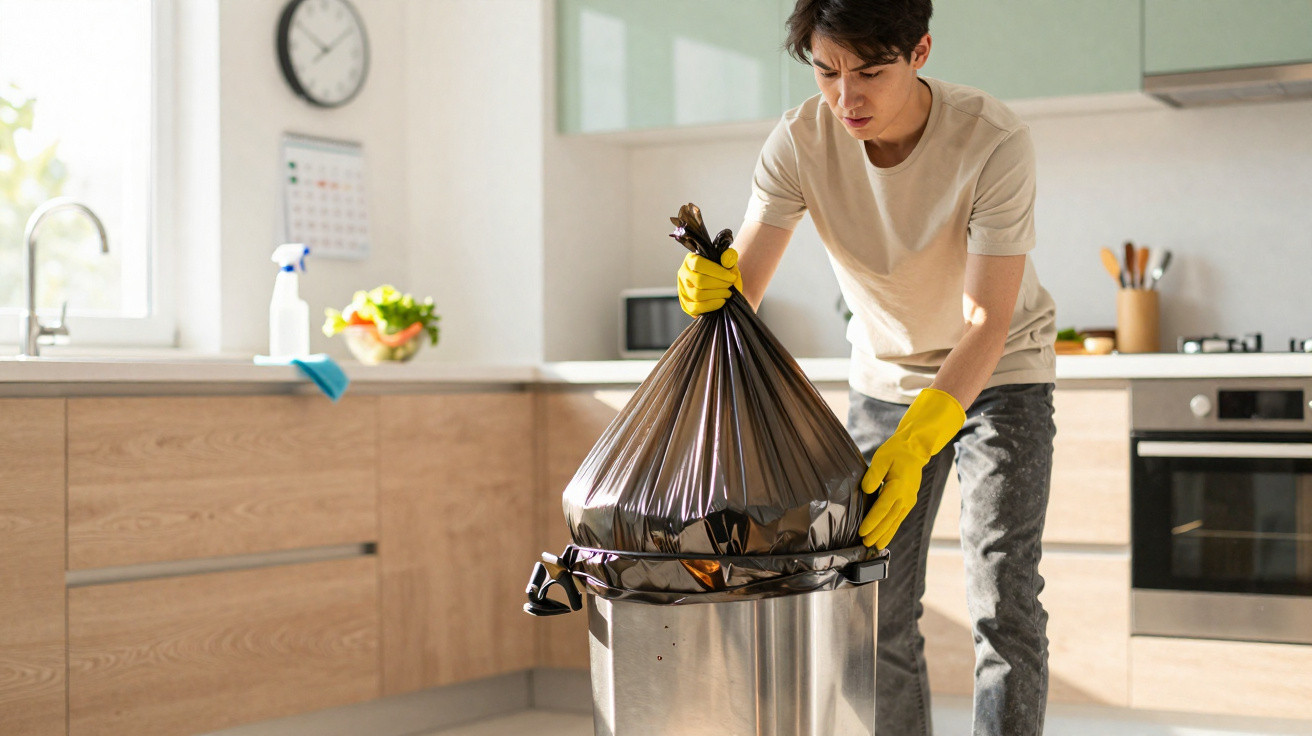
If we are being honest, most people recognise this habit: the liner in the kitchen bin only gets changed once it is overflowing, or when the outdoor bins are being emptied anyway. It feels like if there is still space left, everything must be fine. A hygiene expert specialising in microbes considers that everyday approach risky - and he gives a maximum time limit that many people will find surprising.
Why kitchen waste is more dangerous than it looks
A kitchen bin is not a harmless place for “a bit of rubbish”; it behaves more like a mini bioreactor. A wide mix typically ends up in it:
- Leftovers and spoiled food
- Vegetable and fruit trimmings, peelings, coffee grounds, tea bags
- Tissues and kitchen roll
- Hygiene items such as sanitary pads or wet wipes
- Dirty packaging, napkins, sponges
This combination brings moisture, nutrients, bodily fluids and warmth together. That is exactly what bacteria, fungi and small insects such as fruit flies thrive on. Within just a few hours, an invisible breeding ground can form.
“The kitchen bin sits right in the living space - and therefore very close to food, crockery and hands.”
On top of that, unlike the large outdoor bin, the kitchen bin stays indoors - often tucked into a cupboard recess or positioned right by the hob. In other words, the germs are effectively “living” at the heart of the home.
The expert’s clear message: 48 hours is the absolute maximum
The hygienist and microbiologist who examined the issue closely sets a much stricter limit than many households follow. His advice is straightforward: replace the kitchen bin liner at the latest every two days - whether it is full or not.
“Change the liner at least every 48 hours - not only when it overflows.”
The reason is that after one to two days, clusters of germs develop - genuine “colonies” of bacteria that multiply rapidly. At the same time, smells can attract flies, maggots and other insects early on, even before you notice them.
When the bin liner needs to go out daily
He treats the 48-hour rule as an upper limit. In many situations, changing it every day makes sense, for example:
- In peak summer: heat speeds up decay and microbial growth significantly.
- With lots of food scraps: cooked dishes, sauces, fruit and vegetables break down quickly.
- With meat and fish: leftovers and packaging create strong odours and microbes particularly fast.
- With babies or toddlers: nappies in the kitchen bin are a real germ bomb.
- Large families, frequent cooking: in these homes it can be worth disposing of the liner every evening as a matter of routine.
In single-person households where hardly any cooking happens at home and there are almost no wet food scraps, the interval can be a little longer. What matters is what goes into the bin, not simply how full it is.
Bin store and collection schedule: two different things
Many people follow the rhythm of when the building’s bins are put out - for instance, once a week. The expert stresses that this is not the same as changing the liner in the kitchen.
“Even if the large bin is only emptied weekly, the kitchen liner can - and should - end up in the bin store much more often.”
If you live in a block of flats, you can take your bag to the bin store at any time, regardless of collection day. If you have your own yard or garden, you can use a larger container outside - the main thing is that the kitchen bin itself is not left for days with the same liner.
Separate collection systems can also help:
- Food-waste bin or compost: takes in a large share of wet kitchen waste.
- Yellow sack / recyclables collection: reduces dirty packaging in residual waste.
- Separate nappy or hygiene bin: lowers the load in the kitchen bin.
All of this removes the “worst” from the liner under the sink, but it does not replace regular changes.
The underestimated enemy: “bin juice” in the bucket
After the liner is thrown away, another problem often remains: sticky residue at the bottom of the bin. This “bin juice” is a mix of leaked liquids, fat, sugar and microbes - and it often smells worse than the rubbish itself.
“If you only change the liner but never clean the bin, you leave an ideal breeding ground for bacteria behind.”
He therefore recommends a simple routine:
- At least once a month, wash the entire bin out thoroughly.
- If you have lots of food waste, it is better to clean it once a week.
- Hot water and washing-up liquid are usually enough for a basic clean.
- Then let it dry properly before fitting a new liner.
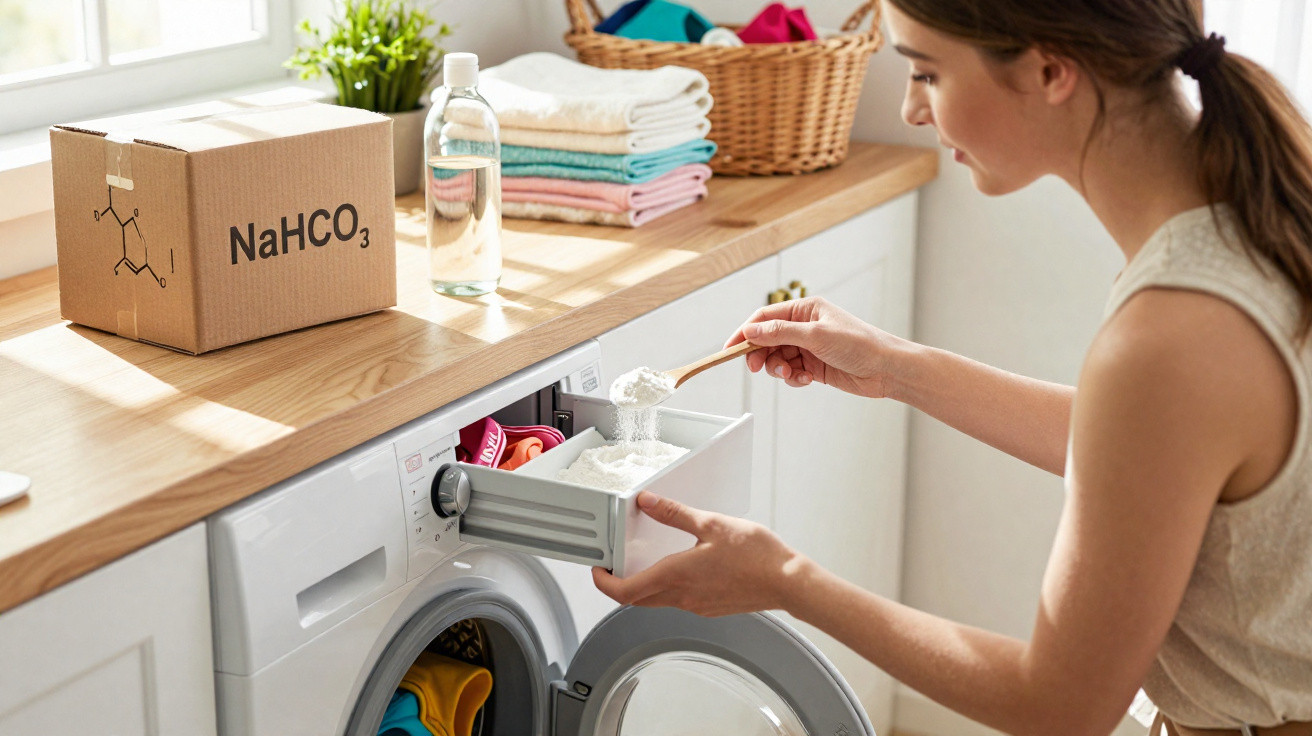
If you like, you can sprinkle a little bicarbonate of soda or baking powder onto the dry base. It helps bind odours and absorb moisture. The key point is that the bin should not stay damp continuously; otherwise fungi and bacteria will feel even more at home.
Choosing the right liner: small details, big impact
The type of bin liner you use also affects how clean and hygienic your kitchen stays. The microbiologist advises choosing liners that can be sealed properly.
- Liners with handles or a drawstring close more securely and are easier to carry.
- A thicker, sturdy film helps prevent tearing and leaks.
- The right size stops the liner slipping around or splitting in the bin.
A common mistake is compressing rubbish tightly to “save space”. That makes packaging more likely to burst, liquids to leak out, and the dreaded “bin juice” to collect at the bottom. Even worse is pouring hot liquids straight in - it weakens the plastic and speeds up microbial growth.
How serious is the health risk really?
For healthy people, changing the liner infrequently does not automatically mean you will become ill. Even so, the microbial load in the air increases, and surfaces can be contaminated more easily. If there are children, older people or anyone with a weakened immune system in the household, it is particularly important to be strict about hygiene.
Typical consequences of a heavily soiled kitchen bin can include:
- More fruit flies and maggots
- Strong odours spreading through the living space
- Contact transmission via handles, cupboard doors and worktops
- In extreme cases, stomach bugs caused by germs from food waste
The risk is higher when the bin is positioned right next to the work surface where bread is buttered or fruit is sliced. Children, in particular, often touch the lid, pedal or cupboard handle and then go straight to the fridge without washing their hands.
Practical everyday rules for a hygienic kitchen
If you do not want to overhaul your whole routine, a few simple rules go a long way. Three basic principles are a good guide:
- Set a firm deadline: the liner goes out after 48 hours at the latest - ideally every day after cooking.
- No bin juice: wipe up leaks immediately and clean the bin regularly with hot water.
- Less wet waste in the liner: put food scraps into a food-waste bin or a separate container wherever possible.
If you struggle to remember, set a small reminder on your phone - for example, “take rubbish out” every other evening. After a few weeks it becomes automatic and no longer feels like extra work.
Why the kitchen needs extra attention
The kitchen is where raw food, cooked meals, crockery, sponges and - crucially - waste all come together. Germs from the bin have the best chance here of getting onto hands, food or cloths. In a bathroom, for instance, the risk is distributed differently because food scraps are rarely present.
If you have to prioritise when cleaning, this order is sensible:
- Change the bin liner regularly
- Clean work surfaces thoroughly
- Replace washing-up sponges and cloths frequently
- Wash the bin itself at set intervals
The microbiologist’s advice may sound strict at first. In day-to-day life, though, it quickly becomes clear: changing the liner more often means fewer smells, fewer flies and a much better feeling when cooking - at the cost of only a few extra trips to the bins.


Comments
No comments yet. Be the first to comment!
Leave a Comment