
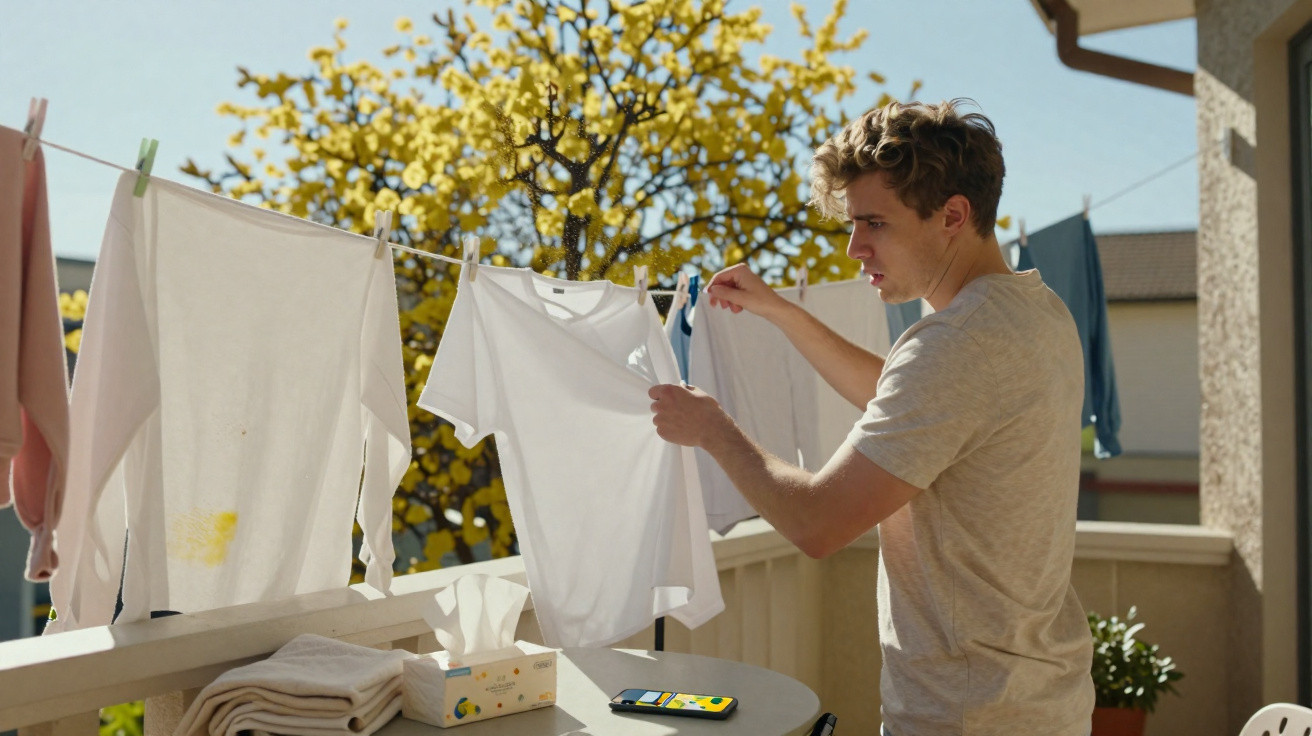
Drying washing on the balcony, patio or in the garden again in March can feel both wholesome and economical. Fresh air, sunlight and no electricity use - it sounds ideal. For millions of people with pollen allergies, however, this seemingly perfect routine can carry a real health risk, particularly from late morning to early afternoon.
Why fresh air and fresh laundry don’t always mix
As spring gets going, the pollen season quickly gathers momentum. Many trees start releasing pollen as early as late winter and into March: alder, birch, cypress, yew and other species send billions of tiny grains into the air. Wind can carry them for miles, and dry conditions tend to make the spread worse.
Those particles settle on almost any surface. They cling especially well to damp fabric - and that’s where the problem begins. Hanging wet towels, bedding or T‑shirts outside creates an ideal landing spot for pollen.
"Damp laundry acts like a magnet for pollen - and carries it straight back into the bedroom, onto the sofa or into the wardrobe."
That means exposure to the allergen is no longer limited to a walk or an hour in the park. Instead, it follows you indoors and can often linger into the night.
Why the risk is especially high between 10 and 15
It isn’t just where you dry laundry that matters, but when. On heavy pollen days, health authorities specifically caution against the middle of the day. During this period, several conditions are often in place at once:
- the sun is high, and the air tends to be warmer and drier
- wind can disperse pollen freely
- pollen concentrations reach daily peak levels in many areas
In many regions, the hours from late morning through late afternoon are considered the pollen “high phase”. If washing stays outside for several hours at that time, it can quietly collect a substantial load. The longer fabric flutters on the line, the more densely pollen grains can build up.
"A bed sheet that dries in the garden from 10 to 15 often lies at night like a pollen carpet right in front of the mouth and nose."
For people without allergies, this is usually harmless. For anyone dealing with hay fever or asthma, that same sheet can spoil an entire night.
How it shows up in everyday life
Many people recognise the typical reactions to pollen:
- constant sneezing fits
- a runny or blocked nose
- red, itchy eyes
- a scratchy, irritated throat
- daytime tiredness and exhaustion
Climbing into “contaminated” bedding in the evening needlessly prolongs exposure. Instead of the mucous membranes settling overnight, they remain in continuous contact with pollen. Many people sleep more poorly, wake repeatedly, or feel completely drained in the morning.
And it’s not only bedding. T‑shirts, jumpers or towels that hung outside during the day can bring a coating of pollen directly onto the skin and face. For children with allergies, that can become constant stress - especially if cuddly toys or favourite blankets have been on the line.
These times of day are much better for allergy sufferers
That’s why health services recommend a simple approach: use the day tactically. For sensitive people, there are two clear time windows:
- early morning, before pollen is circulating in larger amounts
- late evening, when air concentrations often drop again
If you ventilate or briefly put washing outside during these edge periods, you can noticeably reduce what gets brought indoors. It also helps to keep an eye on the local pollen index. Many towns and regions publish daily forecasts indicating how intense the exposure is expected to be.
| Time | Typical pollen situation in March | Recommendation for allergy sufferers |
|---|---|---|
| 06–09 | often still lower concentrations | better time to ventilate; keep laundry outside only briefly |
| 10–15 | frequently peak levels | do not dry laundry outdoors; keep windows closed where possible |
| 15–18 | medium to high exposure still possible | take care; decide based on the pollen index |
| evening / early night | concentrations often falling | ventilate briefly; drying indoors is usually better |
Practical tips: how to protect your laundry and your home
No one has to seal up their home completely in spring. A few straightforward habits are usually enough to cut exposure significantly:
- Dry laundry indoors on high pollen days: especially bedding, towels and children’s clothes.
- Open windows strategically: early morning or late evening is generally better than midday.
- Change clothes after being outdoors: particularly before lying on the sofa or getting into bed.
- Shake out coats and jackets outside: for example on the balcony or in the stairwell.
- Wash your hair before bedtime: otherwise pollen from your hair ends up on the pillow and into the airways.
- Clean spectacles and sunglasses regularly: pollen settles there too.
- Keep car windows shut: switch the ventilation to recirculation when levels are high.
"The less pollen you bring home on clothes, hair and laundry, the calmer the night becomes."
Why bedding is particularly tricky
Bedding deserves special attention. There’s nowhere allergy sufferers spend as many uninterrupted hours as in their own bed. If a sheet has been outside in the midday sun, it’s hard to remove pollen completely afterwards - even vigorous shaking only helps to a limited extent.
Especially in March, when trees such as alder and birch are releasing large amounts, it can be worth adopting a stricter routine: dry bedding indoors, ideally in a separate room or in the living room on a drying rack. If you have space, you can set up a dedicated indoor drying area - with a window for short, targeted airing outside the pollen high phase.
Pollen season is a marathon, not a sprint
Another factor is timing across the year: March often begins with tree pollen, late spring tends to bring grasses, and later on many areas see herbs as well. Many people wonder why symptoms come in waves or seem to leave little respite. In reality, the pollen types are simply changing.
That’s why a local pollen calendar is useful. If you know when “your” problem tree or grasses flower, you can adapt routines for those weeks - for instance by drying indoors more consistently, vacuuming more thoroughly and changing bedding more often.
More than laundry: where pollen also likes to stick
Damp towels are only part of the picture. Pollen clings to many surfaces that are easy to overlook:
- seat cushions on garden furniture
- blankets and cushions used on the balcony or patio
- car seats and child car seats
- fabric tote bags, rucksacks, pushchairs
- carpets directly by balcony doors or windows
If you regularly shake out, vacuum or wipe these areas with a damp cloth, it can take a lot of pressure off allergy sufferers at home. A small handheld vacuum or a damp microfibre cloth is often enough to make a noticeable difference.
How to judge your personal tolerance more accurately
Not everyone reacts with the same sensitivity. Some people feel strong symptoms even when pollen levels are only slightly raised, while others only struggle during genuine peaks. A simple log can help: for a few weeks, note the pollen index each day, your symptoms, and typical activities (for example, “bedding dried outside”, “mowed the lawn”, “long car journey with windows open”).
Over time, patterns become clearer. Many people then see very plainly how much a bed sheet or towel dried outdoors at midday in March affects their night. These observations can also help when speaking with your GP or an allergy specialist, so treatment and day‑to‑day advice can be better aligned.
If you follow these straightforward rules and avoid drying laundry outdoors during the critical hours, March often feels much more manageable. Spring air can still come into the home - just with a plan, and not via a bed sheet dusted with pollen.


Comments
No comments yet. Be the first to comment!
Leave a Comment