
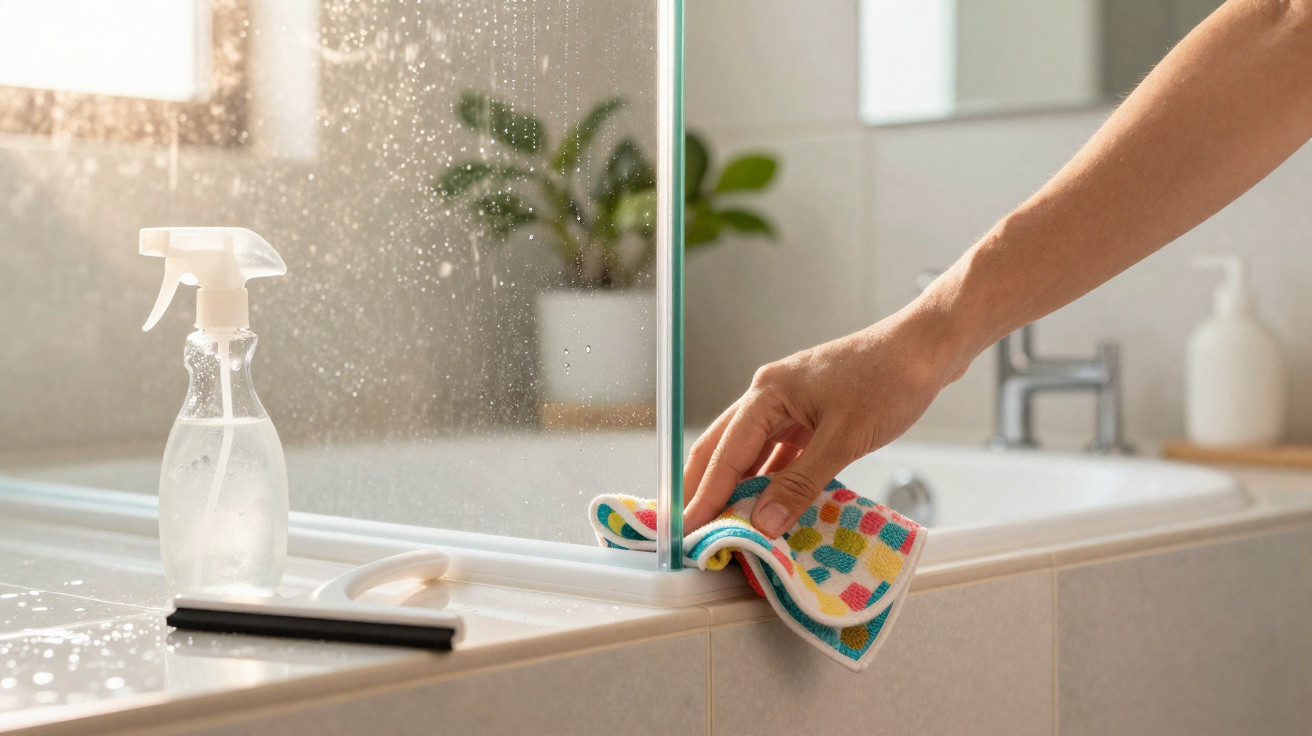
An easily missed finishing touch determines whether mould, bad smells and health risks spread without you noticing.
After a shower, do you quickly wipe away the water? Most people focus at best on the glass screen or the mirror. Specialists warn, though: if you consistently neglect one particular area in the bathroom, you can end up with a dirty, unhealthy environment - even when everything looks spotless and smells of lemon cleaner.
The underestimated trouble spot: silicone sealant joints
Silicone sealant joints around the shower, bath and basin are exposed to moisture every day. These narrow edges are often where mould, damp staining and stubborn limescale marks begin. At first glance it may seem like a purely cosmetic issue, but the consequences can go much further.
“Damp silicone sealant joints are a tiny habitat for mould spores, bacteria and other micro-organisms - and therefore a real health risk.”
Experts explain why problems develop so quickly in this exact place:
- Constant wetness: Water collects in tiny dips and takes a long time to dry.
- Soap and shampoo residue: These provide nutrients for mould and bacteria.
- Warm air: After showering, the room becomes warm and humid - ideal conditions for micro-organisms.
- Hard to reach: Joints are often only cleaned superficially, if at all.
Ignore this and you won’t just get discoloured joints. Musty smells can appear, airways may become irritated, allergy symptoms can flare up and, in the worst cases, chronic complaints can develop - especially in children, older people and allergy sufferers.
Why drying every day achieves more than any big clean
Rather than battling black mould once a month with harsh cleaners, professionals recommend a straightforward but consistent habit: remove water from the joints immediately after showering or bathing. Not now and then - genuinely every day.
“Regular dryness is the most important enemy of mould - not the strongest cleaning product.”
The reasoning is simple: mould needs moisture to grow. Take away that foundation and spores lose their chance to settle. If you dry the joints briefly each day, you deprive micro-organisms of what they need before any problem becomes visible.
How the anti-mould routine works in seconds
You don’t need any specialist kit for this routine. Two basic tools are enough:
- Remove water with a shower squeegee blade
Straight after showering, use a shower squeegee to pull water off tiles, glass and, crucially, along the joints. This noticeably reduces the film of water. - Wipe over with a dry cloth
Then quickly rub the silicone sealant joints with a dry microfibre or cotton cloth to remove remaining moisture.
In realistic terms, the whole process takes less than a minute. If you’re short on time, focus on the joints around the most-used areas: the shower tray, the edge of the bath, the basin seal, and the points where surfaces meet the wall.
Tips to make the routine stick
- Hang the squeegee somewhere obvious on the shower rail or wall.
- Keep the drying cloth within reach, for example on a hook or shelf.
- Involve everyone in the household so the effort doesn’t fall on one person.
- Be consistent with ventilation: open a window or run the extractor fan until the mirror stops steaming up.
How daily care pays off over time
If you dry your joints regularly, you’ll notice clear changes in the bathroom after a few weeks. The silicone edges stay white for longer, and discolouration appears later - or not at all. Instead of grey-yellow lines, the area around the shower and bath looks fresher and better cared for.
“A few seconds after each shower often prevents expensive remediation of mould zones on walls and joints.”
In the long run, the benefits add up:
| Consistent drying | Without a routine |
|---|---|
| Less mould growth | Black spots and discolouration on joints |
| More pleasant air, less musty smell | Persistent damp, stuffy bathroom odour |
| Strong chemicals needed less often | Frequent use of aggressive mould and limescale sprays |
| Longer lifespan for the joints | Cracks, peeling and costly re-sealing |
| Fewer irritations for allergy and asthma sufferers | Higher exposure to spores and micro-organisms |
When the damage is already visible
Many people only change their habits once the joints are already darkened or start to look porous. In that situation, an extra step is needed before daily drying can deliver its full effect.
For heavily affected joints, experts recommend:
- Treat mould with a suitable cleaner and ventilate the room well while doing so.
- Remove old, cracked silicone sealant completely and have the joints re-sealed.
- After any deep remedial work, start daily drying immediately to maintain the improved condition.
If you begin early, you can often avoid that effort altogether. In newly renovated bathrooms especially, it pays to prioritise dryness from day one rather than waiting for the first black dot to appear.
Health factor: more than a cosmetic issue
Mould spores in the air can worsen coughing, irritated eyes, headaches, tiredness and allergic reactions. For people with asthma or allergies, even a low level of exposure can be enough to trigger symptoms. Because bathrooms are usually small rooms, spore concentrations can build quickly when joints remain damp.
“If you keep your joints dry, you protect not only the look of the bathroom, but also ease the burden on the whole family’s airways.”
Children in particular tend to breathe deeply when bathing and showering because the air feels warm and comfortable - yet they can also be more sensitive to mould. A seemingly trivial daily habit can therefore become an effective building block for a healthier home.
Other simple steps for a more hygienic bathroom
Daily joint care is most effective when it’s part of sensible moisture management. A few additional actions strengthen the effect noticeably:
- Vent quickly: Open the window wide after showering, or leave the extractor fan running for longer.
- Let the shower curtain dry: Don’t leave it bunched up - pull it fully out.
- Change damp towels: Don’t leave them hanging in the bathroom for days; swap them regularly.
- Squeegee tiled surfaces: The less water left on the walls, the less will later run down into the joints.
If you like, you can try individual strategies and observe how much they change odour, room climate and the bathroom’s appearance within two to three weeks.
Why small everyday actions can have a big impact
The appeal of this method is how uncomplicated it is. It requires no specialist knowledge, very little time and no expensive products - the effect comes from consistency. Much like brushing your teeth, drying the joints every day helps prevent damage that only becomes obvious much later.
Anyone who sees their bathroom as a long-term investment will recognise this routine as a powerful lever. Silicone sealant joints, tiles and the underlying wall structure stay intact for longer. The feel of the room also changes noticeably: less musty, less damp, less of that lingering “bathroom smell”. A simple final step after a shower becomes an effective shield against dirt, mould and health problems.

Comments
No comments yet. Be the first to comment!
Leave a Comment