
The cause is often more complex than it first looks.
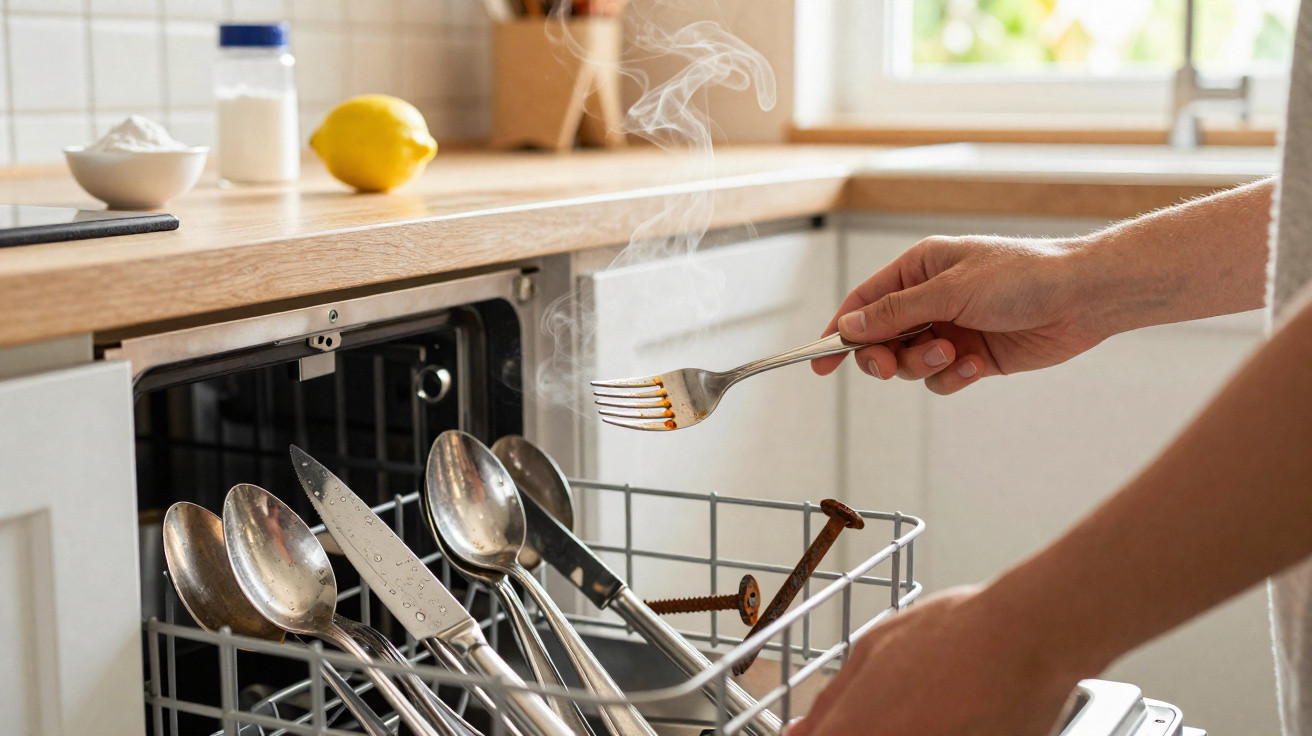
Many households will recognise the pattern: the dishwasher seems to be doing its job, glasses and plates come out spotless, yet the cutlery looks dull, spotted or even rusty. It’s easy to assume the machine is faulty or that the “stainless-steel cutlery” is poor quality. In reality, the result is usually down to a combination of metallurgy, water conditions and everyday habits - and that’s exactly where the fixes lie.
Why stainless-steel cutlery can rust in the dishwasher at all
“Stainless steel” sounds indestructible, but it isn’t. Most modern cutlery sets are made from different grades of stainless steel, depending on the item.
- Forks and spoons: usually 18/10 stainless steel, which is relatively resistant to corrosion
- Knives: often a different stainless-steel series with a higher carbon content
That higher carbon content helps a knife hold a sharp edge, but it also reduces corrosion resistance. That’s why knives develop rust specks far more often than spoons or forks from the very same set.
"Rust on a knife doesn’t automatically mean cheap material - it’s often the trade-off for good sharpness combined with unfavourable conditions inside the appliance."
Common triggers inside a dishwasher include:
- hot water and aggressive detergents
- moisture lingering in the machine for a long time after the cycle ends
- water softener and salt levels set incorrectly
- contact with parts in the basket that are already rusting
- touching other metals, such as cheap aluminium or iron components
All of this attacks the protective passive layer on stainless steel. If that layer is damaged in small areas, the familiar brownish or reddish dots appear.
Silver cutlery: not rust, but a different issue
Solid silver and silver-plated items do not rust. The dark marks many people mistake for rust are chemically something else entirely: a reaction with sulphur compounds in the air that causes the metal to tarnish black or grey.
There’s also a point that often gets overlooked: silver generally doesn’t cope well with dishwashers. Chlorine-containing ingredients in tabs and powders can attack the metal and, over time, cause deep damage that is difficult to reverse.
"Silver cutlery doesn’t belong in the dishwasher - if you care about your family silver, wash it by hand."
If you own genuine silver pieces, it’s better to use lukewarm water, mild washing-up liquid and a soft cloth. This helps the shape and shine last much longer.
Everyday mistakes that encourage rust spots
A lot of issues aren’t caused by the dishwasher itself, but by routines that creep in unnoticed.
Leaving it wet after the cycle finishes
A very common mistake: the machine runs overnight, and in the morning the door stays shut for a while. In that warm, humid space, you essentially create a mini greenhouse for corrosion. The longer cutlery sits in that damp atmosphere, the more likely discolouration becomes.
Ideally, open the door slightly as soon as the programme ends - or switch on automatic door opening if your model has it.
Mixing metals at random in the cutlery basket
It’s tempting to chuck in an old penknife, a rusty tin opener or a cheap utensil with an exposed metal part. These items can act as a “source of rust”, shedding particles onto nearby cutlery.
Placing stainless steel and silver right next to each other can also lead to unattractive reactions. Different metals in the damp, slightly salty environment of a dishwasher can create a kind of tiny battery - ideal conditions for corrosion.
Water, salt and detergent: small settings with a big impact
Water quality is another key factor. Hard water contains lots of minerals, which not only leave marks on glassware but also influence how metals corrode.
For the appliance’s built-in softener to work properly, it needs regenerating salt - and in the right amount. If you dose “by feel” or go years without topping up the salt, you increase deposits and put more stress on metal surfaces.
| Setting | Typical mistake | Effect on cutlery |
|---|---|---|
| Salt setting | Too low with hard water | More limescale, thinner protective layer, more rust specks |
| Programme choice | Only ever Eco, rarely hot cycles | Possible grease and dirt residues that cling to metals |
| Rinse aid | Switched off completely | Water film dries poorly, surfaces stay wet for longer |
If you know your local water hardness (often listed on your water supplier’s website), you can adjust the softener accurately. That reduces limescale and also eases the burden on the metal.
These simple habits protect your cutlery immediately
A few small changes can noticeably reduce the risk of rust - without buying a new machine or expensive specialist products.
- Open the door after the cycle ends to let moisture escape
- Unload the cutlery reasonably soon, rather than leaving it sitting in a damp machine for hours
- Stand knives separately so the blades don’t touch each other
- Separate silver and stainless steel, or wash silver by hand
- Remove or replace already-rusting parts from the baskets
- Match salt and rinse-aid settings to your water hardness
"Leaving the door slightly open after a wash prevents more rust than any expensive specialist cleaner."
How to make already affected cutlery look presentable again
If the first marks have already appeared, it’s worth checking how deep the damage goes. Surface specks or a light haze can often be removed with household methods.
Gentle care for stainless-steel cutlery
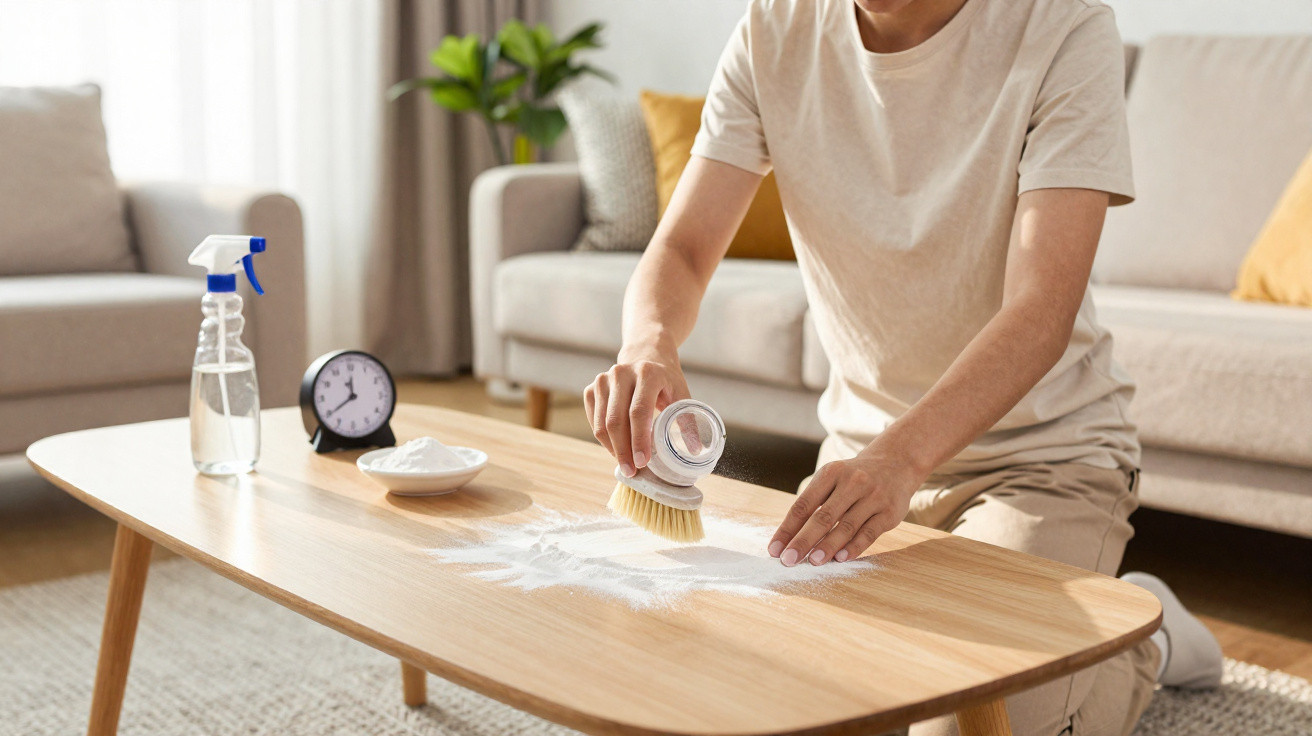
For light rust specks, a paste made from bicarbonate of soda (or baking powder with a high bicarbonate content) and a little water works well. Apply the mixture to the affected areas and gently rub with a soft cloth. Then rinse thoroughly and dry straight away.
Household vinegar can also help. The rule here is: let it sit briefly, not for hours. Prolonged exposure to acid can further attack the metal.
If you use specialist stainless-steel polishes, use them sparingly and follow the manufacturer’s instructions. Some contain fine abrasives that can leave visible marks with frequent use.
Making silver shine again
For tarnished silver, a simple chemical bath is often effective. Line the bottom of a heatproof bowl with aluminium foil, pour in boiling water, add bicarbonate of soda, and place the silver in the bath. Within a few minutes, the dark layer visibly recedes.
This is a redox reaction: sulphur compounds move from the silver to the aluminium. Afterwards, rinse the cutlery thoroughly and dry it carefully - ideally with a soft cotton cloth.
When rust is a genuine warning sign
If brownish dots keep returning in the same places, or if the marks feel rough when you run a finger over them, the metal is often damaged more deeply. Small pits can slowly grow over time.
Pieces like this deserve a critical look. For everyday use they’re usually still fine, but visually they can look increasingly worn. If you care about a neat table setting, you might keep them for kitchen use rather than serving guests - or replace them gradually.
With very cheap sets, replacement is often quicker than time-consuming restoration. Higher-quality cutlery benefits more from careful hand care and the preventive measures above when using the dishwasher.
Background: what happens chemically inside the dishwasher
Inside the machine, several factors come together: hot water, alkaline detergents, oxygen from the air, salts and metals. Stainless steel protects itself with an extremely thin oxide layer. Where that layer is disrupted - for example at scratches, sharp edges or contact points with other metals - the familiar spots can develop.
Moisture acts like an accelerator. If water can’t evaporate quickly after the cycle ends, these processes continue even though the machine has already finished. That’s why cracking the door open helps so much: oxygen circulates better, steam escapes, and surfaces dry faster.
Keeping these connections in mind makes it much easier to keep cutlery looking good in day-to-day life. Small tweaks to habits and settings are often enough for knives, forks and spoons to come out shiny again - just as you’d expect after a proper wash.

Comments
No comments yet. Be the first to comment!
Leave a Comment