
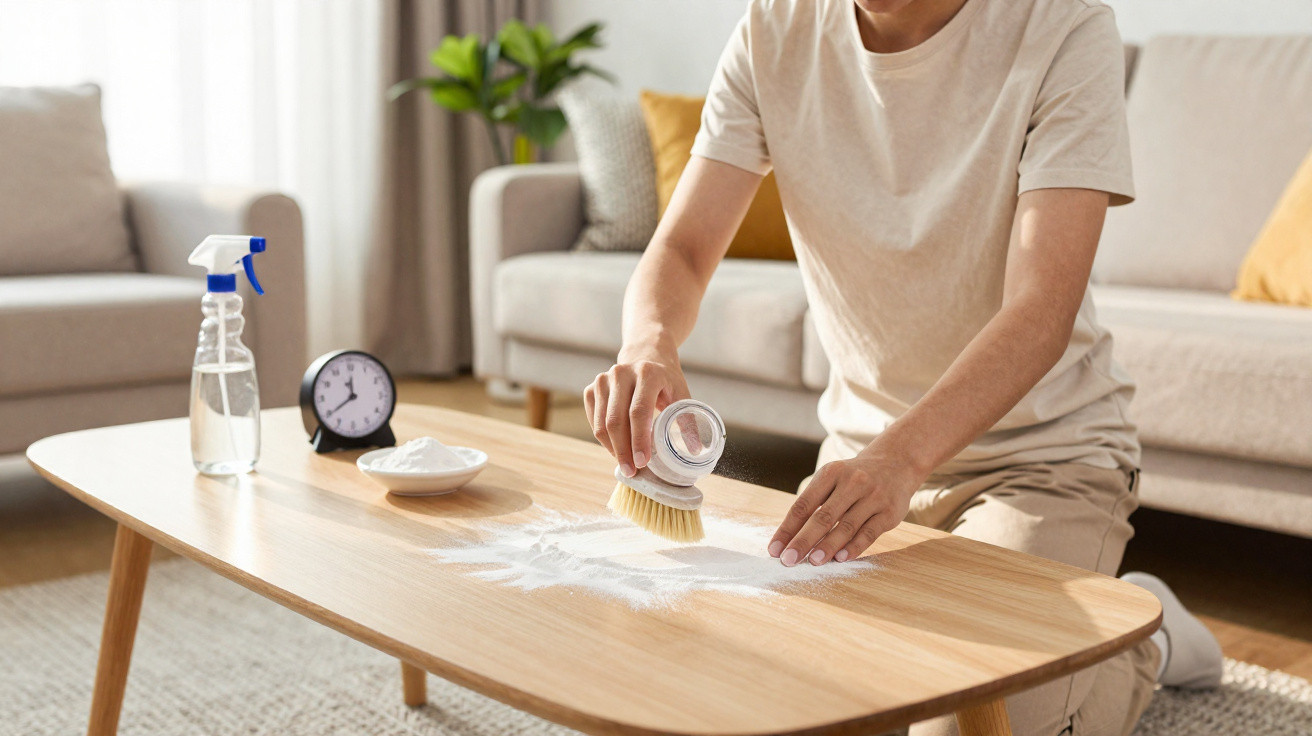
Bicarbonate of soda is a straightforward helper for cleaning and deodorising items that tend to hold on to smells, dust and light grease. On carpets, upholstery, mattresses and other household surfaces, it can absorb odours and lift surface-level grime-so long as you apply it correctly and remove it thoroughly after the contact time.
Why does bicarbonate of soda work on carpets and upholstery?
Because it is finely textured and naturally deodorising, bicarbonate of soda helps cut down the everyday smells that build up in fabrics from regular use, slight damp, sweat, dust and trapped residue. It is not a replacement for a deep wash, but it can make a noticeable difference to maintenance between more thorough cleans.
In most situations, the key is to use it dry. If you add too much water, it can turn into a paste that is hard to remove, may leave marks, and can even increase dampness in thicker fabrics.
Which 6 things can be cleaned with bicarbonate of soda?
Bicarbonate of soda is most useful on surfaces that mainly need deodorising and light cleaning. Before you start, remove dust, crumbs and loose debris so the powder can work more effectively.
- Carpets: sprinkle on a thin, even layer, leave for 20 to 30 minutes, then vacuum thoroughly.
- Upholstery: use a small amount, spread it with a soft brush, and remove it with a vacuum.
- Mattresses: leave for 30 minutes to 1 hour to help reduce odours.
- Pet beds can be given a light dusting before washing or vacuuming.
- Dry trainers and shoes can be deodorised with a small amount inside.
- Heavy curtains can be treated in specific areas before vacuuming.
How do you apply it without damaging materials?
Different surfaces call for different levels of caution. Delicate fabrics, coloured materials, velvet finishes or anything with special treatments should always be tested on a hidden area before you apply it more widely.
- Use a small amount: a thin layer is usually enough.
- Avoid over-wetting: trapped moisture can lead to staining and unpleasant smells.
- Do not scrub hard on fragile fabrics.
- Remove all residue with a vacuum or a clean brush.
- Never mix bicarbonate of soda with bleach, chlorine, ammonia or unknown products.
What is the ideal contact time?
For carpets and upholstery, 20 to 30 minutes is typically enough for routine upkeep. For mattresses, pet beds and items with more persistent odours, you can leave it for up to 1 hour-provided the space is dry and well ventilated.
After that, removal needs to be meticulous. If bicarbonate residue is left behind in the fabric, it can turn into a white dust, irritate people with allergies, and leave the surface looking poorly finished.
When doesn’t bicarbonate of soda solve it on its own?
Bicarbonate of soda can help with odours and light dirt, but it will not fully remove deep stains, internal mould, soaked-in urine, old grease or dust mites. In those situations, you may need to wash the fabric, use a dedicated product, or bring in a professional cleaning service.
To keep results for longer, vacuum carpets and upholstery regularly, air out rooms, and avoid leaving fabrics damp for hours. Used this way, bicarbonate of soda becomes an inexpensive, practical boost in your routine-without risking damage from overuse.
Comments
No comments yet. Be the first to comment!
Leave a Comment