
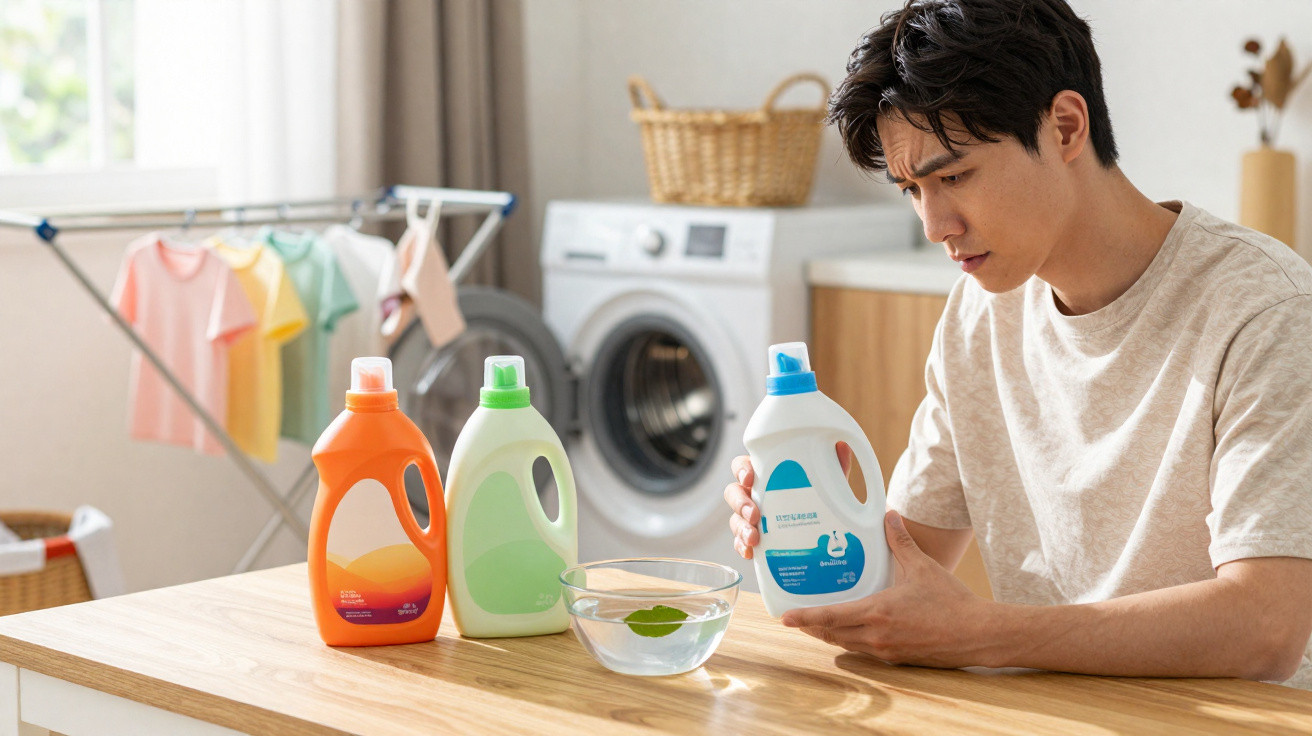
Recent tests from the French consumer organisation “60 Millions de Consommateurs” have renewed concerns over what is circulating inside household washing machines. They identify four widely used detergents that pair poor health ratings with a worrying environmental impact.
Why 60 Millions de Consommateurs is raising the alarm
At the beginning of 2023, 60 Millions de Consommateurs released a major comparison of roughly 30 supermarket laundry detergents. The organisation is France’s equivalent of a rigorous independent consumer watchdog: it purchases items anonymously, has them analysed in laboratories and assigns straightforward grades from A to E.
Four familiar brands were placed in the bottom category, receiving an “E” for their overall performance and safety. The products identified were:
- Omo “Essences naturelles” (roses and white lilac)
- Persil “Savon de Marseille” liquid detergent
- Xtra 3-in-1 “Savon de Marseille” capsules
- Ariel “Power Alpine” liquid detergent
These four detergents combine irritating substances, allergenic compounds and weak biodegradability, according to the French test results.
Each of the four uses a chemical mix that raises concerns both for regular users and for the substances discharged in rinse water into rivers and coastal waters.
What the laboratory found in the detergents
The issue is not necessarily a lack of cleaning power. These detergents often remove stains reasonably well. Instead, the principal concern is found in the detail of their ingredient lists.
Preservatives that may irritate skin
The tests drew attention to a group of preservatives called isothiazolinones, which are commonly used to stop liquid detergents deteriorating in the bottle. Methylisothiazolinone (MIT) and methylchloroisothiazolinone (CMIT), for example, are potent biocides.
Dermatologists have warned about these substances for years, as they may cause contact dermatitis, particularly among people who handle damp washing or repeatedly wear clothes cleaned with the same detergent.
Frequent exposure to isothiazolinones has been linked to rashes, itching and, in some cases, chronic eczema in sensitive individuals.
Surfactants associated with irritation and harm to aquatic life
The watchdog also highlighted surfactants including sodium laureth sulfate. Such substances lift grease and dirt, explaining their presence in shampoos, washing-up liquids and laundry detergents.
With high or repeated exposure, they can dry out and irritate the skin and eyes, especially for people who already have conditions such as eczema or psoriasis. Once they enter waterways, certain surfactants break down slowly and may damage aquatic organisms.
| Type of ingredient | Main role in detergent | Key concern raised |
|---|---|---|
| Isothiazolinone preservatives | Stop the product from spoiling | Skin allergies, contact dermatitis |
| Sodium laureth sulfate | Foaming and cleaning agent | Irritation, aquatic toxicity |
| Fragrances, perfumes | Create a “fresh” scent | Hidden allergens, indoor air pollution |
Fragrance: an unseen variable
In addition to clearly named chemicals, many detergents depend on complicated fragrance mixtures to provide scents such as “alpine air” or “clean cotton”. These blends can contain dozens of aroma chemicals, potentially including sensitising substances or endocrine disruptors.
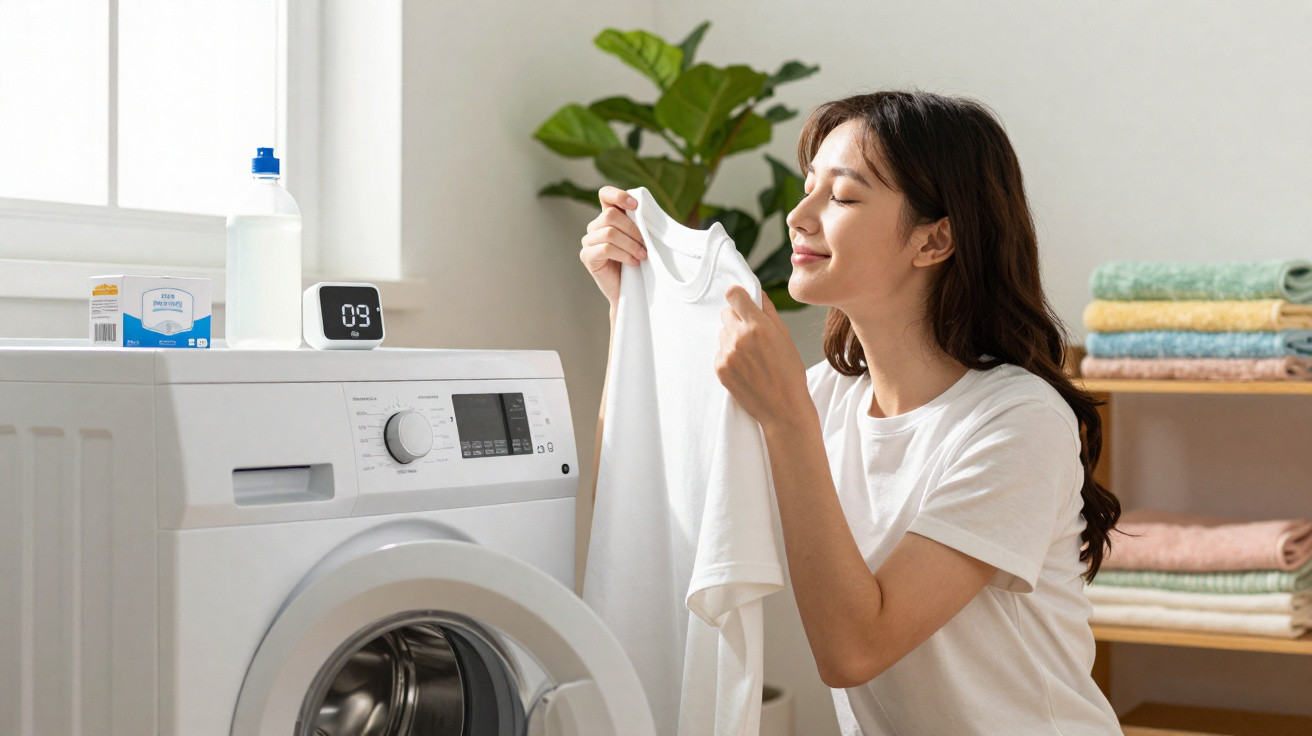
As regulations permit manufacturers to group these components under one term - “parfum” or “fragrance” - consumers seldom know precisely what they are inhaling when opening the washing machine or folding warm clothes.
Health risks for frequent laundry detergent users
For most people, one wash using a problematic detergent is unlikely to result in immediate harm. The concern increases when the same product is used week after week as part of a normal laundry routine.
Detergent residues can remain within fabric fibres, particularly in towels, underwear and sportswear. As skin sweats or experiences friction, small quantities of those substances may transfer to, and build up on, the body.
- Those with dry or sensitive skin may develop redness, itching or eczema patches.
- Babies and children, whose skin barrier is thinner, may respond more strongly to irritants.
- People with asthma could experience flare-ups where fragranced detergents contribute to indoor air pollution.
The risk comes less from one wash and more from the constant, low-level exposure that builds up over months or years.
The French test does not describe these brands as “poison” in the strict toxicological meaning of the word. Rather, it indicates that they are among the products offering the least protection for health and the environment when compared with cleaner alternatives available on the market.
Environmental cost: after the spin cycle
Every wash produces wastewater containing surfactants, preservatives, fragrances and microfibres. Wastewater treatment works remove part of these substances, but they do not eliminate them all.
The analysis found that some components in the four poorly rated detergents have limited biodegradability. Persistent molecules may reach rivers, lakes and coastal ecosystems, where they can:
- Disrupt respiration and cell membranes in fish and invertebrates.
- Affect algae growth and photosynthesis.
- Mix with microplastics shed from synthetic garments, creating an additional pressure on aquatic life.
Once the energy needed to heat water and operate appliances is included, laundry becomes a meaningful source of household environmental impact.
Which detergents performed better in the French test?
The watchdog did more than identify concerns. It also singled out products able to wash clothes effectively while reducing the use of questionable ingredients. In its ranking, single-dose capsules achieved higher average scores than traditional liquids, chiefly because they use less detergent per wash and have more concentrated formulations.
Two brands that stood out
Among the strongest performers, the test highlighted:
- Leclerc Xéor capsules, which scored 15/20, offering a better balance of effectiveness, health profile and environmental impact.
- La Maison Verte Bioactive liquid, rated 14/20 and sold as a more environmentally conscious choice with a simpler ingredient list.
The best-rated detergents are not perfect, but they cut down on aggressive preservatives and prioritise more biodegradable surfactants.
These results reflect a wider movement across Europe and North America, where retailers are promoting “eco-detergents” and fragrance-free products. Labelling is still inconsistent, however, and a green leaf printed on a bottle does not necessarily mean its chemistry is safer.
Practical advice for choosing a safer laundry detergent
People shopping for detergent rarely have the time to interpret a lengthy ingredient list in the supermarket aisle. Nevertheless, several simple measures may help reduce exposure.
- Choose fragrance-free or lightly fragranced products where possible.
- Look for “MIT”, “CMIT” or “isothiazolinone” on the label, and avoid these ingredients if you have sensitive skin.
- When testing a new brand, begin with a smaller bottle to assess skin tolerance.
- Use no more than the recommended minimum dose; extra detergent rarely cleans better and leaves more residue.
- Add an extra rinse cycle if somebody in the home has allergies or eczema.
Some national consumer organisations publish regularly updated rankings that assess both cleaning performance and health criteria. Comparing these lists with products available locally can inform buying decisions more reliably than advertising claims.
Why homemade detergent is becoming popular
The French magazine also noted the growing appeal of homemade laundry liquid. The principle is straightforward: rather than purchasing a complicated industrial formula, households combine a few familiar ingredients.
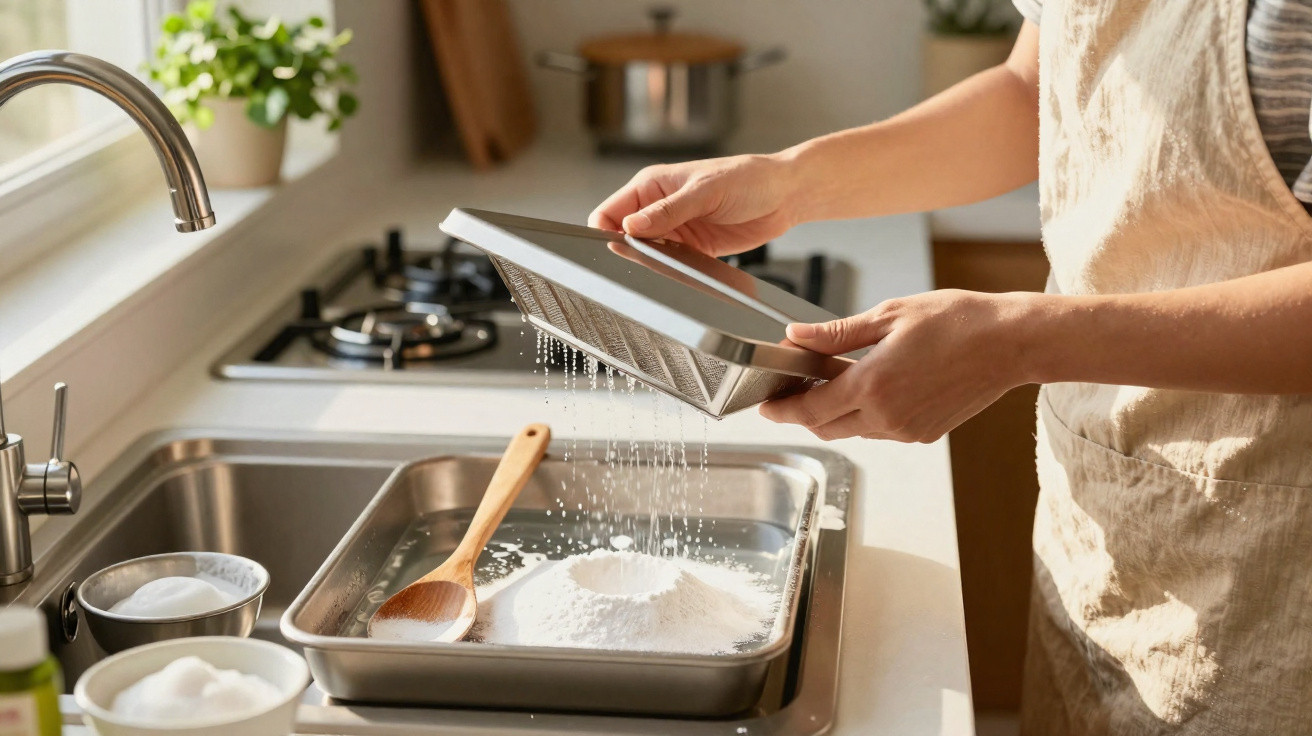
One common recipe combines shavings of traditional Marseille soap with baking soda or, in certain cases, white vinegar. It is dissolved in hot water, then allowed to cool into a gel-like liquid that can be added to the detergent drawer.
Homemade formulas reduce unknown additives and let you tailor the scent, strength and quantity used for each wash.
These DIY alternatives generally reduce costs and packaging waste, although they must still be used carefully. Excess vinegar may damage washing-machine rubber seals, while some natural soaps can leave deposits when washing at low temperatures. It remains important to try small batches and monitor how fabrics react.
How the debate relates to broader chemical exposure
The issues raised by 60 Millions de Consommateurs form part of a wider discussion about routine exposure to industrial chemicals. Laundry products sit alongside cleaning sprays, air fresheners, cosmetics and food packaging on that list.
Individually, each product may fall below strict toxicity limits. Researchers are increasingly examining the “cocktail effect”, however: how repeated low-dose exposure from several sources could interact over time, especially for vulnerable people including children, pregnant women and those with chronic illnesses.
For this reason, an increasing number of health professionals advise cutting back on unnecessary fragranced products, airing indoor spaces after cleaning and opting for simpler formulations when they work just as well.
What this means for households beyond France
The exact brands assessed by the French watchdog may vary somewhat in the UK or US, where formulas are adjusted for local rules and water hardness. Even so, the broader pattern frequently remains: strongly perfumed detergents promoted through intensive marketing often use more complicated and less transparent chemical formulations.
Consumers outside France can view the French ranking as a warning rather than a definitive blacklist. Its key message is unchanged: choose detergents that clean well with fewer controversial ingredients, follow independent test results, and recognise the laundry room as another setting where everyday choices can gradually influence health and environmental risks.
Comments
No comments yet. Be the first to comment!
Leave a Comment