
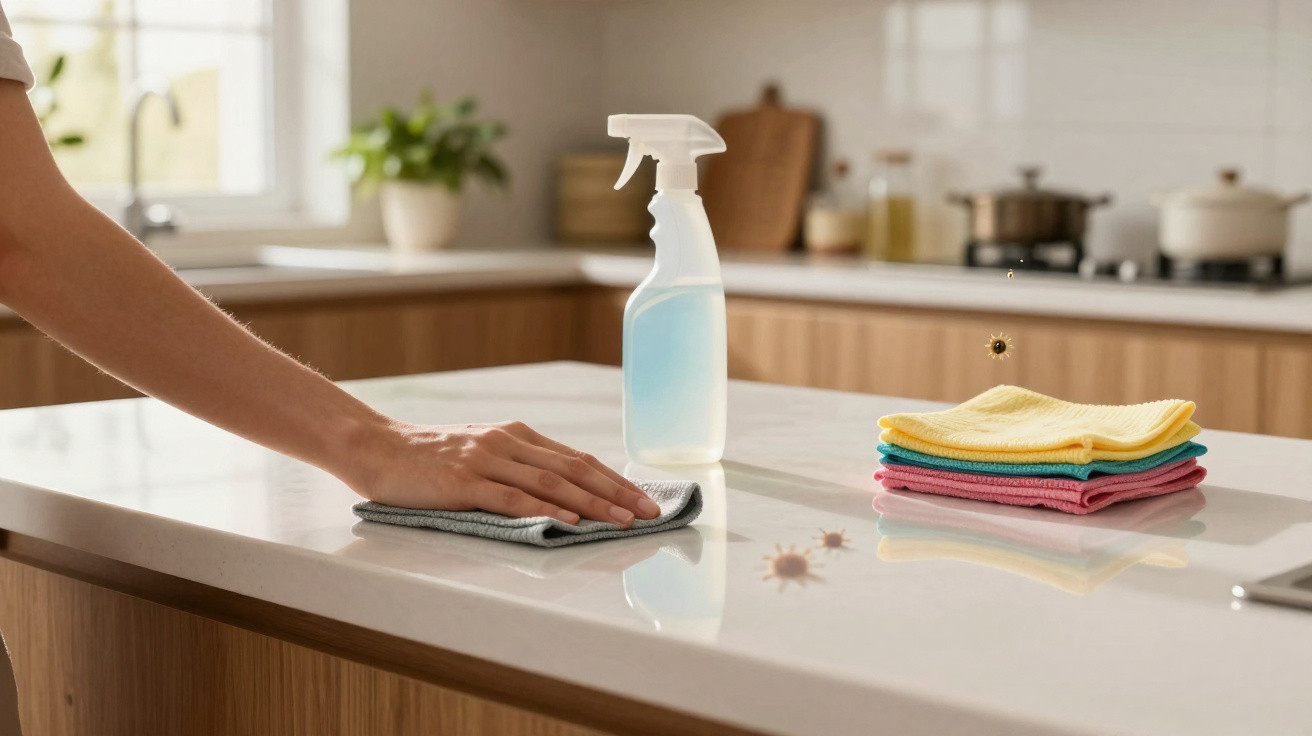
The worktops gleamed, the floor was still slightly wet, and the sponge… was the same weary grey one that had cleaned everything the previous day. Its owner dropped it back into the sink with a contented sigh, already planning the evening meal. To anyone looking in, the room appeared immaculate. Yet inside that sponge was a bustling, unseen colony of germs. Repeated in millions of homes, this small everyday habit can quietly turn cleaning into contamination.
We tend to imagine cleaning as straightforward: wipe, spray, scrub, and the mess is gone. In practice, it is far less tidy. The item used most often-the one that comes into contact with nearly every surface-can be the filthiest object in the room. Used incorrectly, it does not clean your home.
It spreads contamination.
The cleaning “shortcut” that backfires
The main error is not an obscure chemical reaction or a specialist’s secret technique. It is remarkably simple: taking the same dirty cloth or sponge from one surface to another, and from one room to the next, without disinfecting it properly or replacing it. That single item becomes a shuttle carrying bacteria, viruses and food debris around the house. Rather than sending germs away, you are effectively taking them on a free tour.
Think about a person tackling a “speed clean”. They spray the kitchen worktop, wipe it with a cloth, move on to the dining table, clean the fridge handle, and finish at the hob. It is the same cloth, the same side, in one hurried circuit. On a busy weekday, that can seem practical: it saves time, cleaning products and effort. Microbiologically, however, the picture is very different. The cloth becomes a sponge-like USB stick loaded with everything it collected only minutes before.
Most of us know the feeling: the home looks clean, smells clean… but there is still a nagging concern when a child drops food on the table and picks it up again. That concern is not irrational. It is often supported by what may be living in the fabric in your hand.
A number of studies have identified kitchen sponges as some of the most contaminated objects in the home, frequently containing more bacteria than a toilet seat. They are not merely “a bit dirty”; they can contain dense populations of E. coli, Salmonella and other gut bacteria. A German study found as many as 82 billion bacteria per cubic inch of sponge. That same sponge may move from the sink to the cooker controls and then on to the dining table, where you place your phone, keys and snacks.
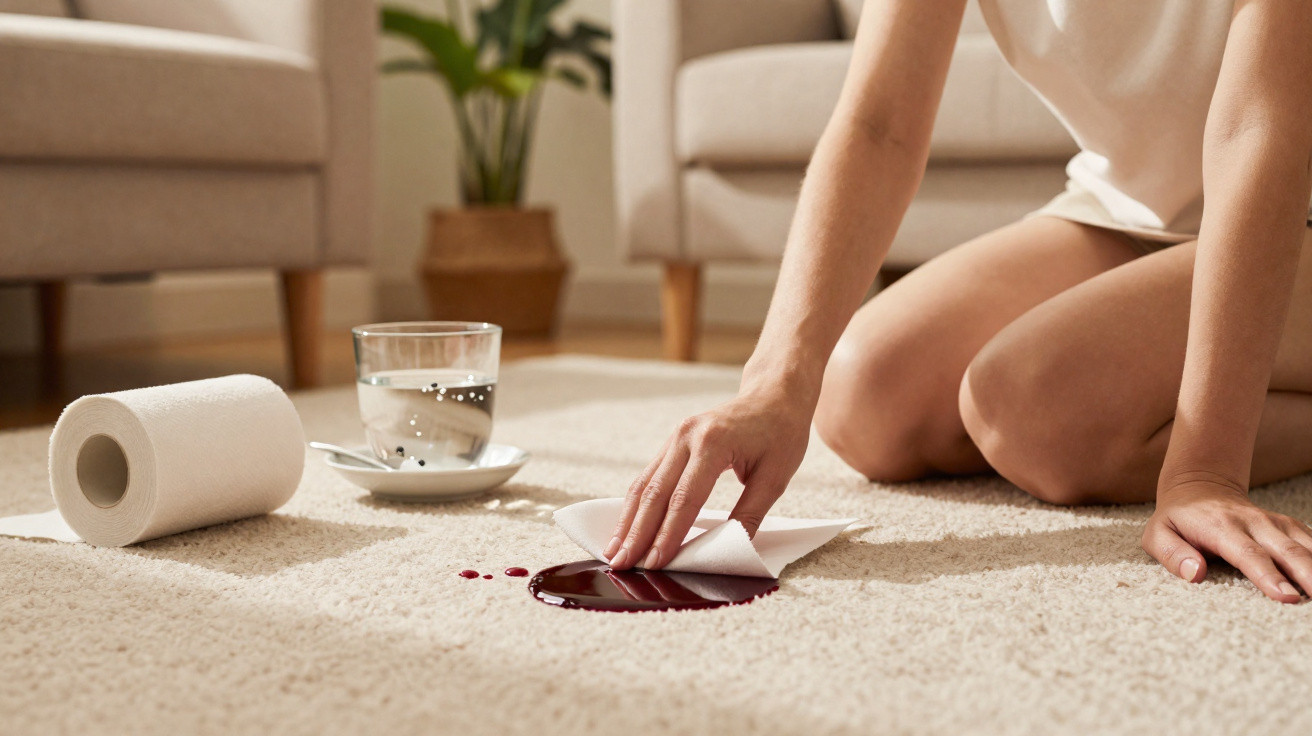
Imagine an ordinary morning. You clean up raw chicken juice beside the sink, wipe crumbs from the chopping board, then use the same sponge around the sink edge where dishwater has splashed. A few hours later, you “freshen up” the worktop before putting out sandwiches. Each swipe is like pressing the same invisible fingerprint onto another surface. The worktop may look improved, but the contamination map has simply expanded.
Nor is this limited to kitchens. The same cloth may be used on the bathroom basin and mirror, perhaps then on the flush handle and finally the door. Giving it a quick rinse under cool water between jobs can feel responsible. Yet water alone does not reset the cloth. It merely makes it seem less unpleasant.
The logic is simple: germs do not vanish because a cloth is wet and citrus-scented. They are collected, retained within the fibres and deposited again with every wipe. If a cloth has been used in a “dirty” area-such as a raw-meat spill, bin lid or toilet-and is then used on a “clean” or food-contact surface, cross-contamination occurs. Our eyes are easily misled because we assess cleanliness visually rather than microbiologically.
Moisture makes the situation worse. A sponge that remains wet is essentially an incubator: warm, damp and packed with tiny food particles. Bacteria can multiply there very happily. By skipping disinfection, you are not simply retaining germs; you are allowing them to grow. The more you clean with that one tool, the more efficient you become… at distributing the very things you intended to remove.
The cruel paradox is that people who clean frequently with the same filthy tool may end up with more hidden germs than those who clean less often but wash or replace their cloths properly. This is how good intentions can become a quiet health risk.
How to clean without turning your cloth into a germ taxi
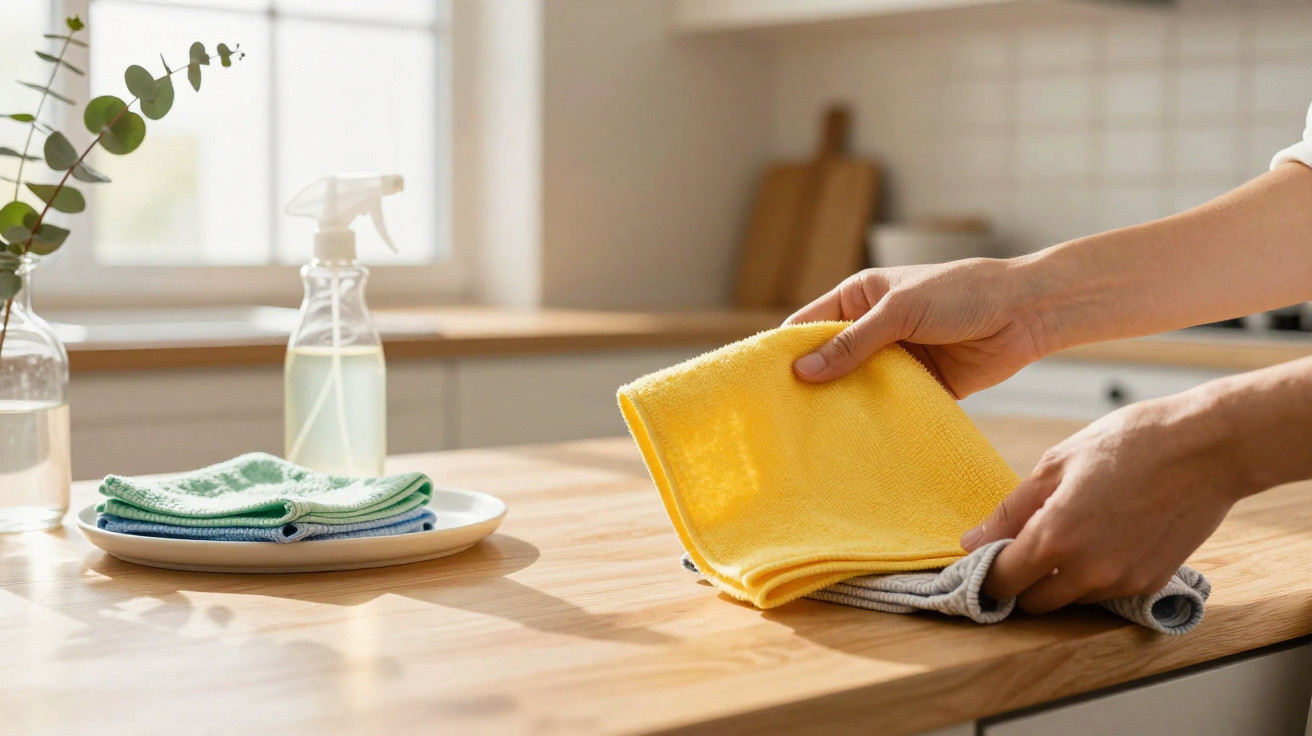
The most useful change is easy: think in terms of “zones” and “rotation”. Keep separate cloths or sponges for separate areas-kitchen surfaces, the bathroom, the toilet and dusting-and do not interchange them. Colour-coding is particularly helpful: for instance, red for the toilet, blue for the bathroom basin, yellow for kitchen worktops and green for the dining table. Even on a frantic day, this lets your eyes spot an error before your hands make it.
In the kitchen, use a dedicated cloth or disposable wipe for anything that comes into contact with raw-meat juices or bin lids. Once you have handled raw food, either bin the wipe or put the cloth immediately into a “to wash” basket rather than returning it to the tap. Try to use one clean side of a cloth for each major task, then take it out of use. Treat it like a paper notepad: when a page is full, you do not continue writing over it.
For sponges, the safest approach is a brief but hard-working lifespan. Rinse them thoroughly after use, squeeze out the water and allow them to dry fully somewhere with good airflow. Disinfect them regularly: 1 minute in boiling water, or 1 minute in the microwave while damp (with no metal, and under close supervision), or on a hot dishwasher cycle. Then replace them regularly. If in doubt, change it out.
Let’s be honest: nobody really does all of this every day. That is fine. The aim is not perfection but avoiding the biggest pitfalls. One straightforward rule is especially useful: do not pick up a cloth that “feels questionable” and tell yourself, “It’s fine, I’ll just do a quick wipe.” If you hesitate, take that as your cue. Use a fresh cloth or wash the existing one before continuing.
People also give sprays too much credit. Spraying disinfectant onto a filthy, wet sponge does not somehow make it sterile. The active ingredient needs sufficient time and suitable conditions to work, and when the cloth is clogged with organic residue, much of its effectiveness is spent on that rather than on germs. Starting with a reasonably clean cloth is better than trying to save a lost cause with extra chemicals.
Another common mistake is to rinse a cloth and leave it hanging over the tap. It stays damp, folded and forgotten-a perfect environment for microbial growth. If daily washing is not practical, at least rinse it in very hot water with a little detergent, wring it out firmly and leave it to dry flat or hanging open. Drying time is an invisible ally in the fight against bacteria.
“The tool matters as much as the product,” says one hospital cleaning trainer. “At the hospital, we’d never wipe the toilets and then the food tray with the same cloth. At home, people do that every day without realising it.”
For a practical approach, keep this short mental checklist in mind before your next “quick clean”:
- Use one cloth per zone: kitchen, bathroom, toilet and dusting. Do not mix them.
- Wash cloths and sponges at 60°C at least once or twice a week.
- Use disposable materials for anything that touches raw-meat juices, or wash the cloth immediately.
- Let cleaning tools dry completely; do not leave them in a wet heap in the sink.
- If a cloth smells, it is already too late. Retire it or boil-wash it.
Changing how we see “clean” at home
Once you become aware of this mistake, it appears everywhere: in your own kitchen, at your parents’ home and even in cafés and small restaurants. There is that same exhausted cloth making its daily journey from table to worktop, handle to bin. This is not about blaming anyone. It is a habit that seems sensible because people trust what they can see. In our minds, shiny surfaces mean clean.
But cleaning is a little like good lighting: what is invisible matters as much as what is visible. A slightly stained cloth that has just been washed may be safer than a pristine-looking sponge that smells of lemon but has not been disinfected for weeks. Our eyes judge appearance, and our noses judge fragrance. Germs care about neither. They respond to moisture, time and food residues.
Making this change does not require turning your home into a laboratory. It simply means moving the focus from “How quickly can I make this look nice?” to “What small changes make this genuinely healthier?” It might mean having a basket solely for used cloths so they do not return to the worktop. It could mean buying inexpensive coloured microfibre cloths so that every room has its own. Or it might be a weekly phone reminder saying: “Wash sponges & cloths”. These small, unexciting routines quietly protect everyone who touches your table, sink or fridge door.
The understated truth is that the dirtiest item in a “clean” home is often the tool used to clean it. Once you understand that, it is difficult to ignore. Some readers will immediately inspect their sink, throw away one alarming sponge and experience both disgust and relief. Others will simply become more attentive and make gradual changes. Both responses are progress. Both make your next coffee at the kitchen worktop a little safer.
What seems like a minor household detail is really a discussion about how we live, hurry and take shortcuts without noticing their cost. The cloth in your hand represents that. Alter the habit, and your home does not merely look different. It quietly functions differently too. That is the kind of “clean” that lasts long after the lemon scent has disappeared.
| Key point | Details | Why it matters to readers |
|---|---|---|
| Stop using one cloth for the whole house | Divide cleaning tools by area: one for kitchen worktops, one for the bathroom basin and shower, one kept exclusively for toilets, and one for dusting. Colour-code them or identify them with a small stitch or pen mark. | This lowers the chance of transferring toilet or raw-food bacteria to surfaces where you eat, brush your teeth or allow children to play. |
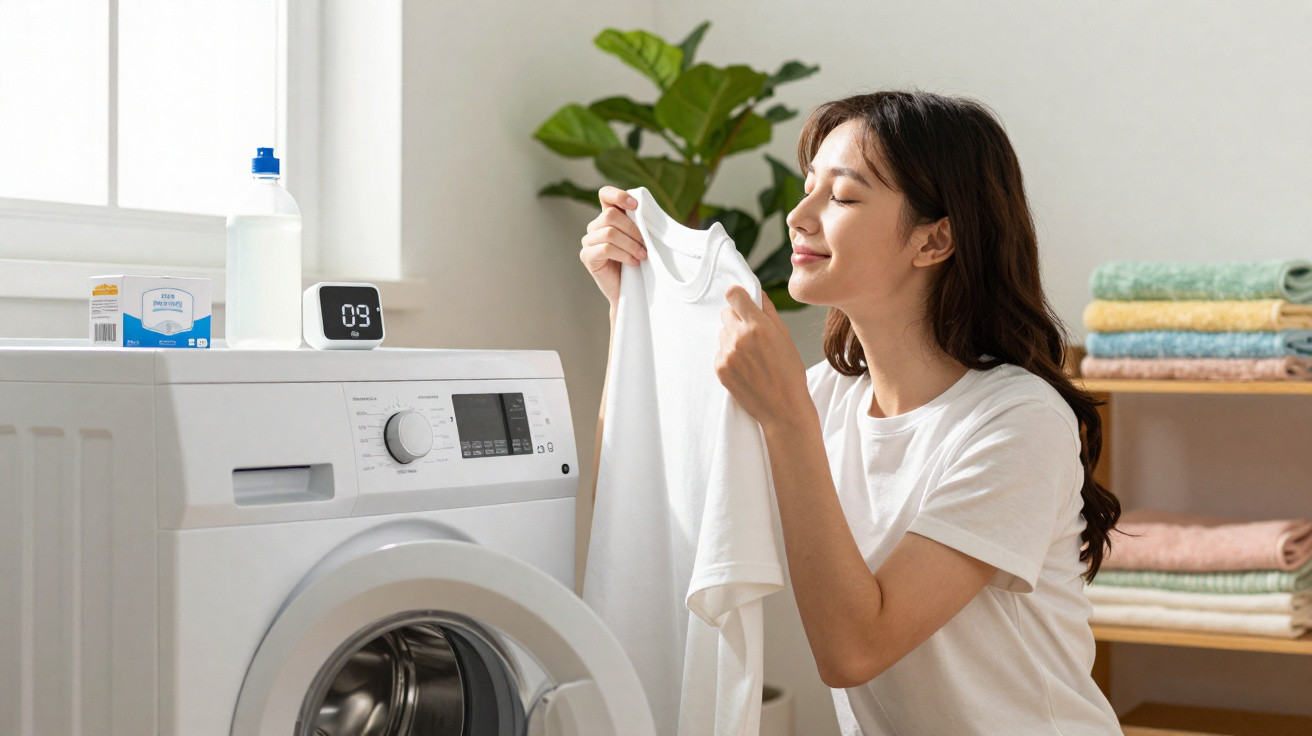
| Wash cloths and sponges hot and often | Put used cloths in a small basket and wash them at 60°C with ordinary detergent at least once a week, or more frequently if someone is unwell. Discard worn-out sponges rather than saving them “for later”. | Hot washing and routine replacement dramatically reduce the bacterial load, helping to prevent stomach bugs and recurring infections in the home. |
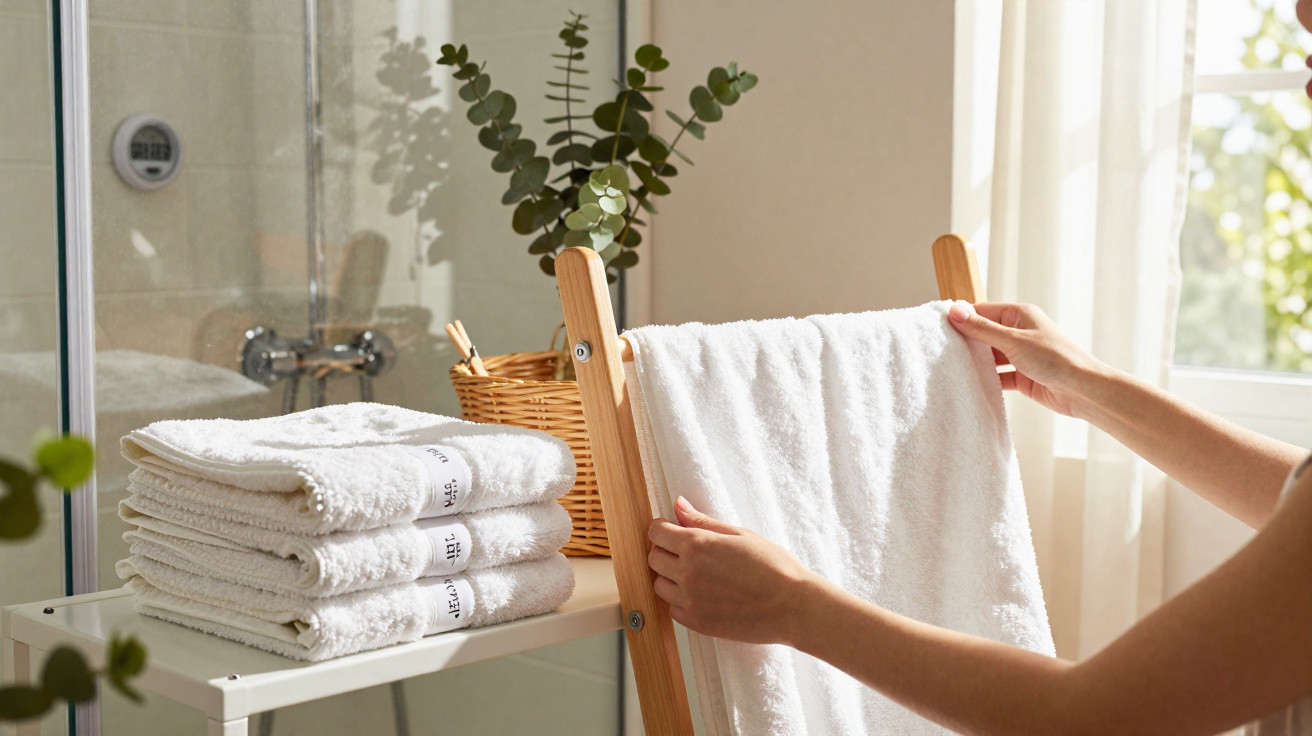
| Let tools dry completely between uses | After rinsing, wring out cloths and sponges firmly, then hang them open on a rack or tap where air can circulate. Do not leave them in the sink or scrunched into a ball. | Dry fabric is unfriendly to many microbes, so this single habit slows bacterial growth without requiring extra products or equipment. |
FAQ
- How often should I replace my kitchen sponge? For a typical household, replacing the main washing-up sponge every 1–2 weeks is a sensible aim. If you often prepare raw meat or notice an odour, sliminess or discolouration, replace it sooner rather than trying to extend its life.
- Is a microfibre cloth really better than an old T-shirt rag? Microfibre captures and retains tiny particles and moisture more effectively than most cotton offcuts, making germs less likely to be smeared across surfaces. Old T-shirts are suitable for dusting or spills, but microfibre generally performs better in high-risk areas such as kitchen worktops.
- Does rinsing a cloth with hot tap water make it safe again? Hot tap water can remove visible dirt, but it is rarely hot enough or applied for long enough to reduce bacteria significantly. To properly reset a cloth, use a hot machine wash, a soak in boiling water or a suitable disinfectant cycle.
- Are disposable wipes safer than reusable cloths? Disposable wipes can reduce cross-contamination when they are binned immediately after use, particularly after cleaning toilets or raw-meat spills. Reusable cloths can be equally safe if they are washed hot and not shared between dirty areas and food-contact surfaces.
- What’s the best way to disinfect a sponge at home? You can microwave a damp, clean-looking sponge for about 1 minute-watch it carefully, ensure it contains no metal and allow it to cool before touching it-or put it through a hot dishwasher cycle. Even then, it must still be replaced regularly.
Comments
No comments yet. Be the first to comment!
Leave a Comment