
Tile joints in the bathroom or kitchen can look clean for a while, but sooner or later the grout lines turn grey, blotchy or even black. Many people instinctively reach for harsh chemical cleaners. In reality, in many cases all you need is a straightforward blend of two ingredients that are often already in the kitchen cupboard - with no specialist products.
Why grout lines become unsightly so quickly
Floor grout is a real magnet for dirt. In bathrooms and kitchens, several things come together that can stain and wear the material:
- high humidity after showering or cooking
- everyday dust and dirt particles
- residue from cleaning products that isn’t fully rinsed away
- splashes of grease and food remnants while cooking
Over time, the grout absorbs this build-up. The result: grout that started out light can turn grey, dark or yellowish. In poorly ventilated bathrooms, you may also see greenish or black patches - a classic sign that mould is beginning to form.
"When grout lines darken or become patchy, that’s not just a cosmetic issue, but a clear signal: it needs a thorough clean."
The two-ingredient trick: deep-clean grout without harsh chemicals
Rather than grabbing an aggressive grout cleaner from a DIY shop, it’s often enough to use a simple paste made from two familiar kitchen staples: citric acid and bicarbonate of soda (baking soda).
Why citric acid and bicarbonate of soda work so well
From a cleaning point of view, this pairing is surprisingly effective:
- Citric acid breaks down limescale and mineral deposits that settle on grout due to hard water.
- Bicarbonate of soda is mildly alkaline and helps loosen grease and organic grime.
- Together they act like a gentle grime remover that cleans thoroughly without being as aggressive as many specialist chemicals.
To help the mixture cling to grout lines properly, you mix it into a paste.
How to mix the grout paste correctly
For the cleaning paste, you only need three things:
- citric acid powder
- bicarbonate of soda
- a little water
Here’s how to do it step by step:
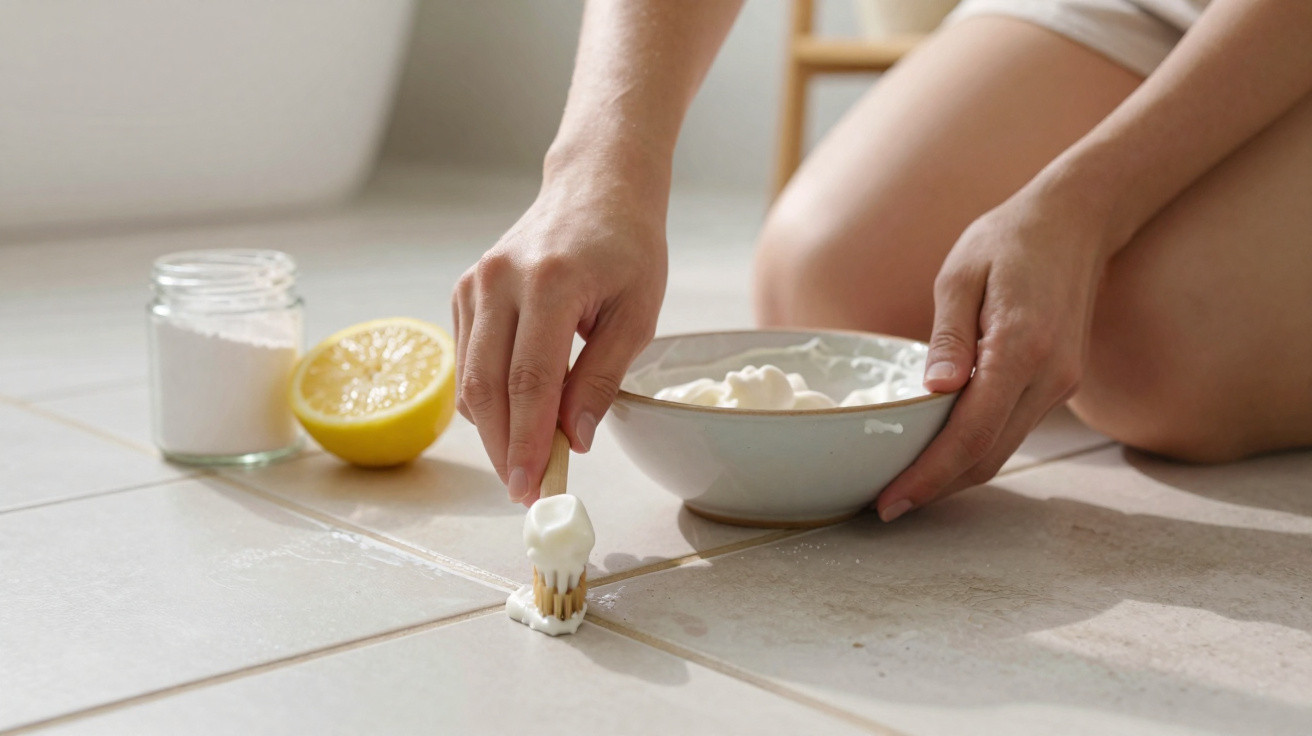
- Step 1: Put one part citric acid and two parts bicarbonate of soda into a small bowl (mixing ratio 1:2).
- Step 2: Add water gradually until you get a thick, spreadable paste - roughly the consistency of a pudding.
- Step 3: Use an old toothbrush or a small grout brush to apply the paste directly onto the dirty grout lines.
- Step 4: Leave it to work for around 10 to 15 minutes.
- Step 5: Scrub the grout again with the brush, then rinse with lukewarm water.
"After the waiting time, the loosened dirt can usually be brushed out with very little effort - grout can look as if it’s been freshly renewed."
Test first: take care with natural stone floors
As effective as citric acid is, it’s still an acidic product. Some surfaces react badly to it, especially natural stone such as marble, travertine or limestone. On these floors, it can leave dull patches or lighter marks.
So the rule is always:
- Try the mixture first in an inconspicuous area.
- If the stone goes dull or changes colour, don’t continue using this method.
- For natural stone, it’s better to use cleaners specifically labelled as suitable for that material.
On glazed tiles, porcelain stoneware or ceramic floors, the risk is much lower. Even so, it’s still worth doing a quick test in a hidden spot before treating the entire area.
Alternative home remedies for lightly soiled grout
If your grout is only slightly greyed, you don’t necessarily need to go straight to a powder paste. Very simple mixes can already make a difference.
Gentle cleaning with soapy water
For routine upkeep, a solution of warm water with a small squirt of hand soap or washing-up liquid is often enough. This works particularly well for:
- fresh marks after cooking
- light discolouration in the shower
- flat floors without heavy grease or limescale build-up
With a scrubbing pad or grout brush, these light deposits can usually be removed without much trouble. Repeating this care regularly helps stop stubborn layers from building up in the first place.
Removing limescale and soap residue with household vinegar
For limescale marks and persistent soap residue, standard household vinegar mixed with water in a 1:1 ratio can help. This is mainly suited to:
- grout in shower areas
- floors where the water is very hard
- areas around basins and bathtubs
The same applies here: test in an inconspicuous spot first, especially on sensitive floors. Natural stone is highly reactive not only to citric acid, but also to vinegar.
When specialist cleaners can make sense
Sometimes, home remedies are no longer enough - for example, if:
- deeper-set mould is visible
- the grout looks very crumbly or cracked
- stains don’t disappear even after cleaning several times
In situations like these, a dedicated grout cleaner or mould remover from the shops may be necessary. It’s worth checking the ingredients and directions for use, as many of these products can be irritating or corrosive.
"Home remedies are excellent for regular care and moderate dirt - with heavy mould, you should identify the cause and, if necessary, bring in professionals."
How to keep grout clean over the long term
If you only clean grout every few years, you end up battling thick layers of dirt each time. A few simple habits help prevent that.
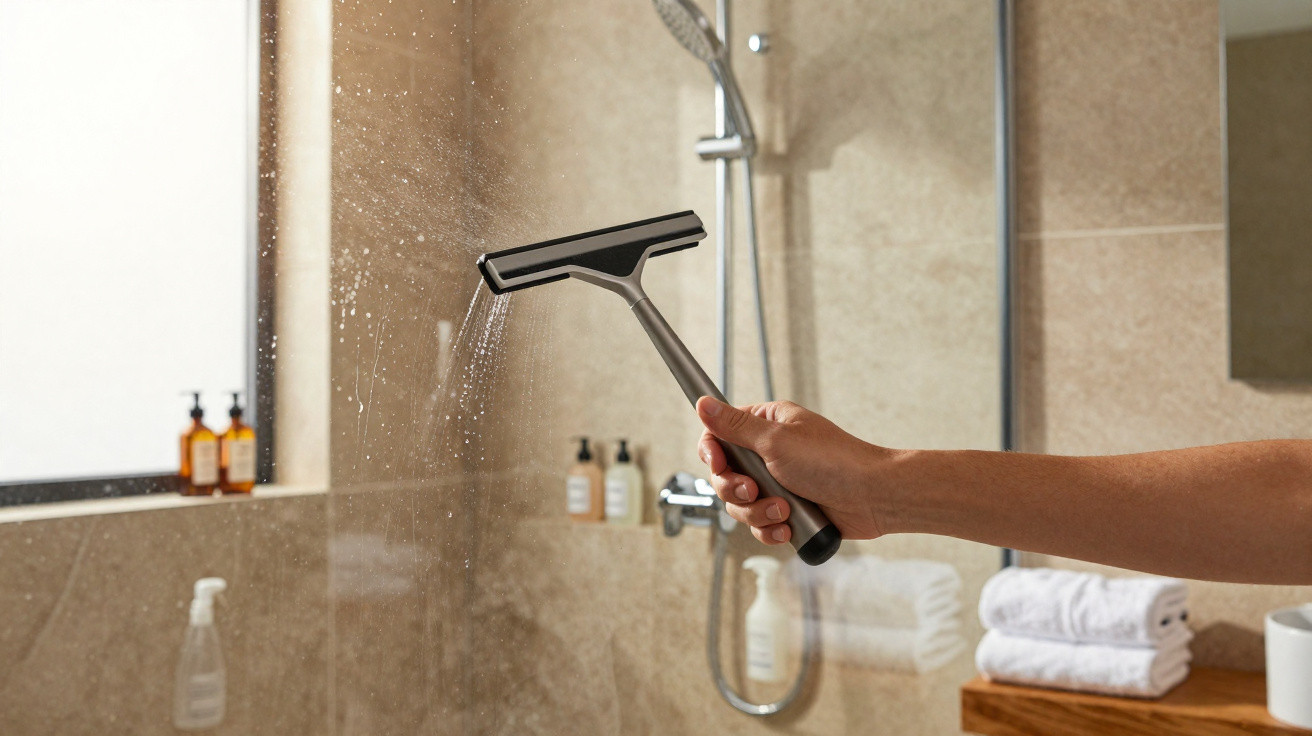
- After showering, use a squeegee on the walls and floor.
- Ventilate the bathroom and kitchen well on a regular basis so moisture can escape.
- Always rinse cleaning products away thoroughly with water.
- Once a month, go over the grout with mild soapy water and a brush.
If you can build this routine, you’ll need strong products less often and save yourself a lot of scrubbing.
When grout is not just dirty, but a warning sign
Not every discolouration is harmless. Particularly in corners, behind toilets or under basins, stubborn dark patches can point to a moisture issue. If water is continually seeping in from a leaking pipe or a faulty silicone seal, cleaning alone won’t solve it.
Common warning signs include:
- grout that turns dark again quickly despite cleaning
- a musty smell in certain areas of the bathroom
- crumbly, loose grout material
In these cases, the moisture source should be identified before regrouting or repainting. Otherwise, the problem is likely to return soon afterwards.
Why home remedies are often the better choice
Everyday kitchen ingredients like citric acid, bicarbonate of soda and vinegar offer several advantages over aggressive chemicals:
- Many households already have them.
- They’re usually far cheaper than specialist cleaners.
- They put less strain on the air you breathe in the bathroom.
- They can be used for many tasks around the home.
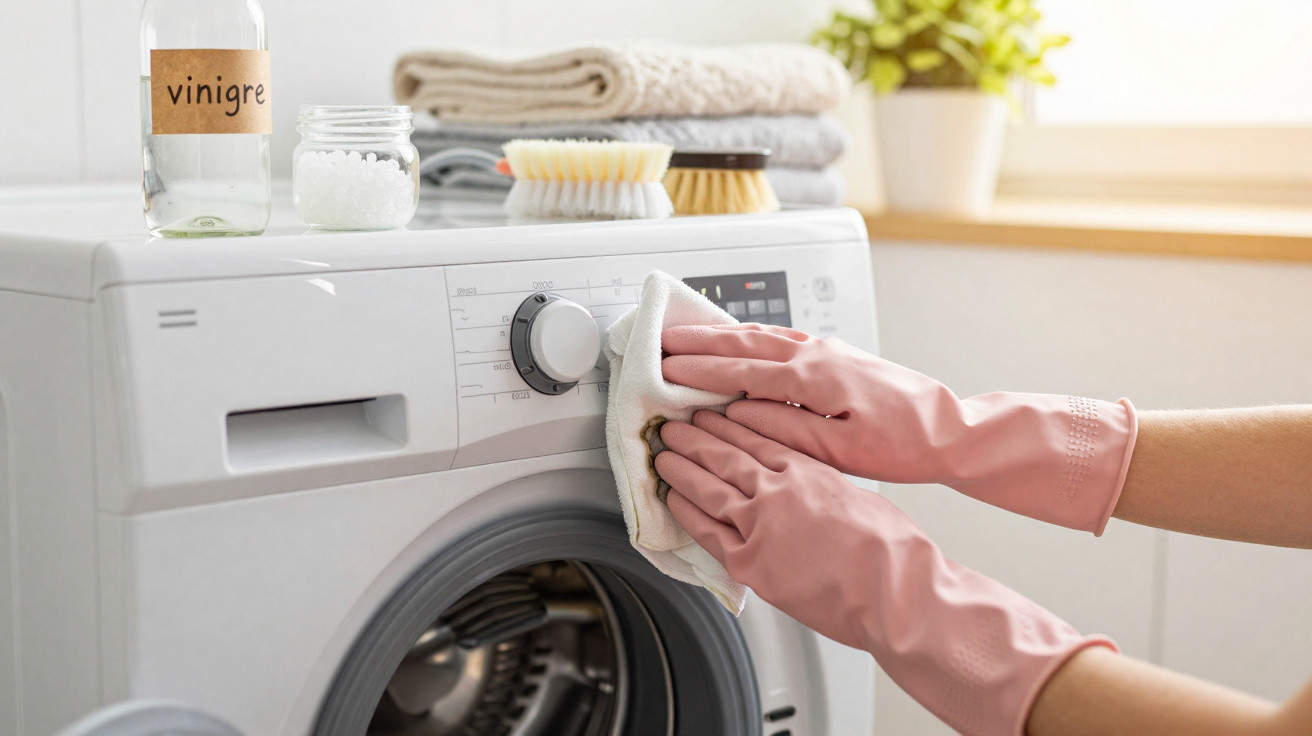
That said, they’re not completely harmless. Citric acid can still irritate skin and eyes, and you shouldn’t inhale bicarbonate of soda dust. Wearing gloves and ventilating well is sensible even when using home remedies.
If you look after grout regularly with gentle methods and use the citric acid and bicarbonate of soda paste for stubborn grime, you can keep floors looking fresh for years - without constantly resorting to harsh chemical cleaners.

Comments
No comments yet. Be the first to comment!
Leave a Comment